Support

Achi Shrine

About

The Achi Shinto Shrine (Achi-jinja) is a significant religious and cultural site that immerses visitors in the world of traditional Japanese architecture and Shinto spirituality. Located in the charming city of Kurashiki, this shrine is one of the notable attractions in Japan. It is dedicated to the veneration of kami—spirits and deities that, according to Shinto beliefs, inhabit nature, objects, and phenomena, making this a special place for understanding local culture.
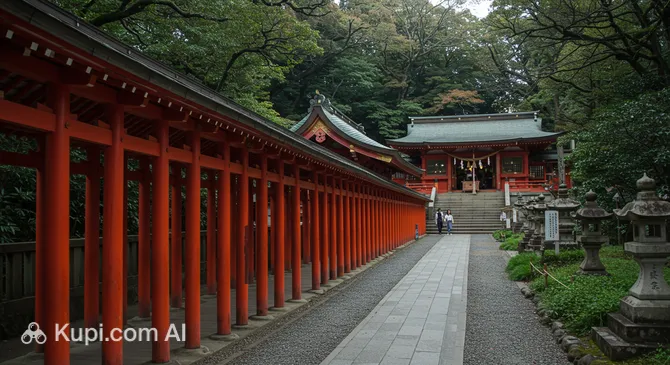
Achi Shrine. Illustration.
Source: Kupi.com AI

Traveller photos:

Like many Shinto shrines, Achi-jinja has a characteristic structure. The entrance to its sacred territory is usually marked by torii—traditional gates symbolizing the transition from the ordinary world into sacred space. The heart of the complex is the honden, the main sanctuary where the symbol of the revered kami is believed to reside. Visiting the shrine offers an opportunity to experience ancient rituals and traditions.

The grounds of the Achi Shinto Shrine are often surrounded by well-kept gardens and picturesque paths that create an atmosphere of profound tranquility and peace. This place attracts not only pilgrims seeking spiritual connection but also tourists wanting to explore Japan's unique cultural heritage and enjoy the beauty of traditional architecture in harmony with nature.

Contacts

To find current information about opening hours and available tours at the Achi Shinto Shrine, it is recommended to visit the shrine's official website, if available, or check with tourist information centers in the city of Kurashiki. Detailed information can often be found on local tourism portals or obtained directly upon arrival.

How to contactContact
Address12-1 Honmachi, Kurashiki, Okayama 710-0054, Japan
Phone+81 86-425-4898
Websiteachi.or.jp

What to Do

Visiting the Achi Shinto Shrine in the city of Kurashiki offers travelers a unique opportunity to connect with the spiritual culture of Japan. Once on the shrine grounds, you can take a leisurely stroll along its well-maintained paths, admiring the elegance of traditional Japanese architecture. Pay attention to the intricate carvings, roof details, and the harmonious integration of the buildings with the surrounding landscape. An important part of the visit is participating in the temizu purification ritual—washing your hands and mouth at a special fountain before entering the main part of the shrine, symbolizing the purification of body and spirit.

Achi Shrine offers many subjects for observation and photography. The majestic torii gates, marking the entrance to the sacred territory, are one of the most recognizable symbols of Shinto and provide a beautiful backdrop for commemorative photos. Other elements of the temple complex, such as lanterns, sculptures, and small altars, also deserve attention. Visitors often note the special atmosphere of serenity and harmony with nature that prevails at the shrine, allowing for a break from the city bustle and immersion in contemplation.

In addition to viewing the architecture and participating in rituals, at the Achi Shinto Shrine, you can purchase traditional Japanese amulets—omamori. These amulets are intended to bring good luck, improve health, provide protection from misfortune, and serve other auspicious purposes. You can also see or leave ema—small wooden plaques where visitors write their wishes and prayers to the deities. If your visit coincides with one of the traditional festivals or rites held at the shrine on certain days of the year, you will have a unique chance to gain a deeper understanding of local customs and cultural traditions.

Getting There

The Achi Shinto Shrine is located in the picturesque city of Kurashiki, in Japan. Getting to Kurashiki itself is quite easy, especially if you are traveling by train. The city has excellent rail connections with major regional transportation hubs, such as Okayama, with trains departing regularly.

Once you arrive at the Kurashiki railway station, you have several options for reaching the Achi Shrine. If you prefer walking and want to immerse yourself in the city's atmosphere immediately, the journey to the shrine can be made on foot. Alternatively, you can use local public transport—shuttle buses that run through the city—or take a taxi for a faster and more comfortable ride directly to the attraction.

For travelers arriving by car, there are parking spaces near the Achi Shrine, making it convenient to visit. When planning your trip, keep in mind that Kurashiki is also famous for its charming Bikan Historical Quarter. Therefore, a visit to the shrine can be perfectly combined with a walk along its picturesque streets and ancient canals, allowing you to enjoy the unique atmosphere of the area.

Nearest city: Kurashiki

History & Facts

The history of Shinto shrines, such as the Achi Shrine in the city of Kurashiki, dates back to ancient times. Many of them were founded more than two millennia ago and have managed to preserve their unique structure and centuries-old traditions to this day. Although detailed historical records specifically for Achi Shrine may be limited, such sacred sites often originated as centers for honoring kami—local deities and spirits—and played a key role in the spiritual and social life of their communities.

Shinto, as the indigenous religion of Japan, has evolved over many centuries, and shrines have become an integral, living part of Japanese culture and national identity. They served not only as places for prayer and rituals but also as centers for preserving traditions, holding festivals, and strengthening bonds between generations. Visiting a shrine like Achi allows you to touch this centuries-old history and gain a deeper understanding of the Japanese worldview.

The architectural features of Shinto shrines, which you will likely see at Achi Shrine, are full of symbolism and reflect deep traditions. The characteristic torii gates, marking the transition from the ordinary world to sacred space, the main honden hall where the deity resides, and the carefully maintained sacred grounds themselves all create a special atmosphere of peace and harmony. These elements are not merely structures but the embodiment of the Japanese outlook and aesthetic ideals passed down from generation to generation.

Time Needed

When planning a visit to the Achi Shinto Shrine in Kurashiki, you should aim for a relatively short but meaningful visit. On average, to leisurely explore the shrine grounds, soak in the atmosphere, and perhaps observe or even participate in some rituals, it is recommended to set aside 30 minutes to 1 hour.

This amount of time will be enough to stroll along the scenic paths, admire the architectural details of the shrine buildings, and enjoy the peaceful surroundings. If you plan a deeper immersion—for example, if you want to study the history of the place in detail or spend time in meditation—you might want to allow a bit more time. However, for a general introduction, the indicated timeframe is quite sufficient.

Working Hours

Precise information about the opening hours of the Achi Shinto Shrine in Kurashiki may vary. For the most up-to-date information, it is recommended to visit the shrine's official website (if available) or check with local tourist information centers just before your visit. Many Shinto shrines in Japan are open to visitors during daylight hours, often year-round, although specific schedules may apply for certain indoor areas or special ceremonies.

Generally, advance ticket booking is not required for visiting most Shinto shrines unless you plan to participate in special rituals, guided tours, or events that may have a limited number of participants. To avoid any misunderstandings and plan your visit effectively, it is helpful to verify details in advance, especially if you plan to visit the shrine during major festivals or holidays.

9:00 – 17:00

Nearby

A visit to the Achi Shinto Shrine is undoubtedly a highlight, but you shouldn't limit yourself to just one site. The city of Kurashiki and its surroundings hold many other interesting places that can offer new experiences and make your journey even more enriching.

Exploring nearby attractions will allow you to delve deeper into the region's atmosphere and experience its culture and history from different perspectives. Often, it is these unplanned discoveries that become the most memorable moments of a trip. Near the Achi Shinto Shrine, you will find several notable sites that may interest you.

NameDistance
Kurashiki Bikan Historical Quarter0.2 km
Ohara Museum of Art0.3 km
Momotaro Karakuri Museum0.3 km
Kyu-Hondo-tei0.5 km
Royal Park Hotel Kurashiki Restaurant0.5 km
Yasohachi Shoten0.6 km
Sakazu Park2.6 km

Reached the bottom of the page?

Looks like you know this route inside out