Support

Kiseki Museum of World Stones

About

The Kiseki Museum of World Stones, also known by its Japanese name "Chinsekikan" (which can be translated as "The Hall of Curious Stones"), is a truly unique attraction located in the city of Omiya, Japan. This unusual museum is famous for its incredible collection of stones that have naturally taken on shapes strikingly similar to human faces.
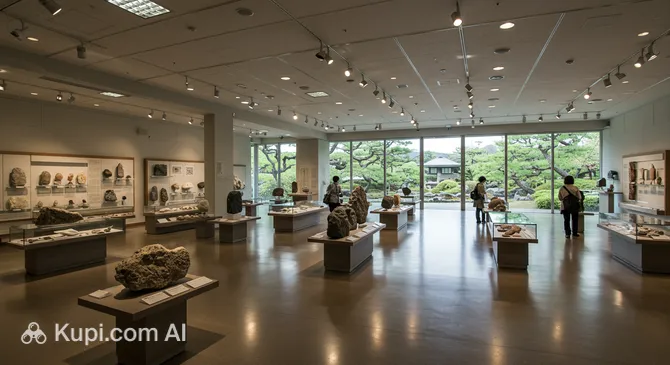
Kiseki Museum of World Stones. Illustration.
Source: Kupi.com AI

Traveler photos:

The museum's exhibition features over 1,700 stones of various sizes and shapes. Each of these exhibits is a so-called "jinmenseki"—a stone that looks like a human face or head. The main feature and pride of the collection is the fact that none of the stones have been artificially modified. All the "faces" on display were created solely by nature, shaped by natural forces over a long period of time.

A visit to the Kiseki Museum of World Stones is an opportunity to marvel at nature's ingenuity and its ability to create real art from the most ordinary materials. Looking at these stone "portraits," each with its own unique "expression," visitors can not only admire the whimsical shapes but also reflect on the diversity and beauty of the world around them. This is a place that certainly will appeal to both adults and children—anyone who appreciates the unusual and is ready for discovery.

Contacts

To find up-to-date information on opening hours, ticket prices, and contact details for the Kiseki Museum of World Stones, we recommend visiting the museum's official website, if available, or contacting tourist information centers directly in the city of Omiya. Detailed information can often be found on local tourism portals or in guidebooks for Japan.

How to contactContact
Address3670 Yamamiya, Fujinomiya, Shizuoka 418-0111, Japan
Phone number+81 544-58-3830
Websitewww.kiseki-jp.com

What to Do

At the Kiseki Museum of World Stones in Omiya, a truly amazing sight awaits visitors. The primary activity here is exploring the vast and unique collection of stones that nature has endowed with a striking resemblance to human faces. Of particular interest are the specimens that resemble celebrities—among them, you can try to find the "stone double" of Elvis Presley and other famous figures.

For museum guests, this turns into an engaging game: peering into the peculiar outlines of natural formations and trying to recognize familiar features. Each stone is a reason for your own interpretation and imagination. The museum offers a unique experience of interacting with natural art, where every visitor becomes a co-creator of what they see, finding their own associations and meanings in these stone faces.

A visit to the Kiseki Museum of World Stones will especially appeal to fans of the unusual and those interested in amazing natural phenomena. It's not just a walk through an exhibition, but an opportunity to reflect on the coincidences and patterns in the natural world, as well as how the human brain is inclined to find familiar images in the most unexpected shapes. This place offers a rare chance to see art created by nature itself and to marvel at its limitless ingenuity.

Getting There

The Kiseki Museum of World Stones, located in the city of Omiya, is generally accessible to visitors in several ways. When planning your route, keep in mind that Japan's transportation system is world-renowned for its efficiency, making travel around the city and its surroundings quite convenient. It is best to check the museum's exact location on a map before your trip.

One of the most common ways to reach the museum is by public transport. In Omiya, as in most Japanese cities, there is likely a well-developed network of bus routes, and rail or subway connections may also be available within reasonable reach of the attraction. We recommend studying local transport maps in advance and checking the museum's official website or online maps for current bus numbers or station names. From there, you can walk to the museum or may need a short additional ride.

An alternative option is taking a taxi. This is particularly convenient if you value comfort, are traveling with luggage, or are in a small group. Taxis can be caught from central areas of Omiya, major transport hubs like train stations, or the station nearest to you. While this method is generally more expensive than public transport, it can be the fastest and most direct way to reach the Kiseki Museum of World Stones, saving you time on transfers.

Nearest city: Omiya

History & Facts

The Kiseki Museum of World Stones (Chinsekikan) in Omiya is more than just a collection of minerals; it is the result of one man's lifelong fascination. Its founder, driven by a passion for unusual natural creations, spent decades collecting stones with peculiar shapes. Over time, this hobby evolved into a full-fledged museum that has become a popular attraction for both residents of Japan and international tourists.

The museum's collection was built gradually, and every stone here has its own unique discovery story. Most of these amazing specimens were found in the rivers and mountains of Japan, making the collection a unique reflection of the country's rich geological diversity. A special feature of the museum is the so-called "face stones" (jinmenseki), which strikingly resemble human faces—including those of celebrities—adding an element of surprise and fun to the visit.

The Kiseki Museum of World Stones (Chinsekikan) has become not only a tourist attraction but also a cultural phenomenon. It vividly illustrates the attention to detail characteristic of Japanese culture and the amazing ability to see beauty and deep meaning in the simplest of things. A visit to this unusual place offers a chance to look at nature from a new perspective and appreciate its limitless imagination.

Time Needed

To explore the exhibits at the Kiseki Museum of World Stones in Omiya, the average visitor usually needs about 1-2 hours. This time is typically sufficient to carefully examine the most interesting and unusual stones in the collection and take some memorable photos.

However, if you are a big fan of geology or mineralogy or are simply fascinated by amazing natural formations, your visit may take longer. Studying individual exhibits in depth, reading descriptions, and immersing yourself in the history of each stone could require an extra hour or two. Therefore, when planning your visit, consider your level of interest in the subject.

Working Hours

When planning a visit to the Kiseki Museum of World Stones in Omiya, it's important to check the current opening hours in advance. As the exact schedule may change, we recommend visiting the museum's official website or contacting local tourist information centers for the latest data. This will also help you find out if the museum is open year-round or only during certain seasons.

Additionally, before your visit, it's worth checking if advance ticket booking or tour registration is required, especially if your trip coincides with a popular tourist season. Such foresight will help avoid potential inconveniences and make your visit to the museum's unique collection as comfortable as possible.

DayOpening hours
Monday9:00 – 16:45
Tuesday9:00 – 16:45
WednesdayClosed
Thursday9:00 – 16:45
Friday9:00 – 16:45
Saturday9:00 – 16:45
Sunday9:00 – 16:45

Nearby

After an exciting immersion into the world of minerals at the Kiseki Museum of World Stones, don't rush to leave Omiya! This city and its surroundings in Japan hide many other treasures that can enrich your journey with new discoveries and experiences. Exploring nearby locations will allow you to more fully experience the region's atmosphere and diversify your travel itinerary.

To help you find your way, we've compiled a list of interesting attractions located relatively close to the Kiseki Museum of World Stones. Take a look; perhaps one of these will pique your interest for further exploration.

NameDistance
Aprecio5.7 km
Shiraito Falls5.9 km
Makaino Farm Resort7.9 km
Obuchi Sasaba8.6 km
Mt. Fuji and Princess Kaguya Museum11.3 km
Jinba Falls11.8 km
Mizugatsuka Park12.1 km

Have you reached the end of the page?

So the route has been studied inside and out