Support

Hanegi Park

About

Hanegi Park is a vast urban oasis located in the Setagaya district of western Tokyo, Japan. Covering an area of about 8 hectares, this park is a favorite green spot among local residents, offering a peaceful space for relaxation and walks.
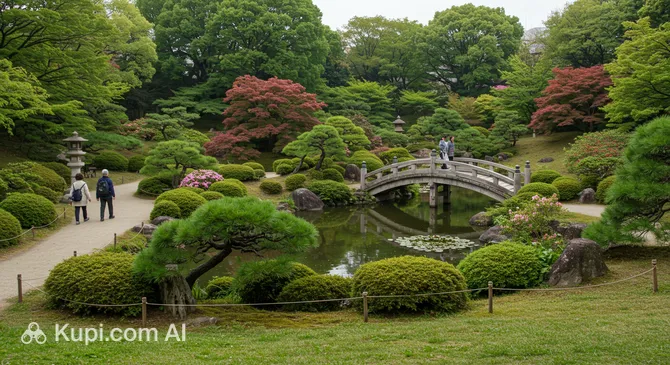
Hanegi Park. Illustration.
Source: Kupi.com AI

Traveller photos:

The park gained particular fame for its impressive collection of plum trees. Every spring, during the blooming season, the picturesque paths of Hanegi are transformed, attracting many visitors eager to enjoy this breathtaking sight. This is a time when the park is filled with fragrances and vibrant colors, creating a truly magical atmosphere.

Hanegi Park skillfully combines elements of traditional Japanese garden art with modern areas for active recreation. Here, well-maintained natural landscapes and winding paths perfect for leisurely strolls harmoniously coexist with open spaces designed for sports and family leisure. It is a wonderful place to take a break from the city's noise and enjoy nature in the heart of one of Tokyo's districts.

Contacts

Hanegi Park is a popular public space in Setagaya, and as a rule, such locations do not have dedicated contact phone numbers for inquiries.

To find the exact location, directions, current opening hours, or information about ongoing events, we recommend visiting the official Setagaya tourism resources or checking details at local information centers upon arrival in Japan.

How to contactContact
Address4-chōme-38-52 Daita, Setagaya City, Tokyo 155-0033, Japan
Phone+81 3-3322-0415
Websitewww.city.setagaya.lg.jp

What to Do

Hanegi Park in Setagaya is a wonderful place to relax and enjoy nature, especially famous for its annual plum (ume) blossom. The main thing to do in the park is, of course, strolling along its scenic paths. During the plum blossom season, which attracts many visitors, the park is transformed, offering unforgettable views. Additionally, there are special areas for picnics and relaxing on the grass where you can unwind and observe the surrounding nature, making it an ideal choice for family time.

For fans of active recreation, Hanegi Park offers plenty of activities. Visitors can take advantage of sports facilities, including tennis courts and convenient jogging paths for those who prefer to stay fit in the fresh air. Younger guests won't be bored either, thanks to the well-equipped children's play areas where they can have a great time.

Beyond nature-watching and sports, Hanegi Park often serves as a hub for cultural life. Throughout the year, various local festivals, cultural events, and fairs are held here regularly. These events create a special atmosphere of celebration and community, attracting both locals and tourists of all ages who want to get closer to Japanese traditions and simply have a good time.

Getting There

Getting to Hanegi Park in Setagaya is quite simple, thanks to the well-developed transport system. The park is conveniently located in the Umegaoka area, making it easily accessible for visitors.

The primary and most convenient way to reach the park is by train. The nearest railway station is Umegaoka Station, which is served by the Odakyu Line. It is just a few minutes' leisurely walk from the station to the entrance of Hanegi Park, making this option very attractive for both tourists and locals.

Additionally, there are bus stops serving various routes in the immediate vicinity of the park. This provides an alternative way to reach the park from other areas of Setagaya or even more distant parts of Tokyo. For those who prefer to travel by car, there are small parking areas near the park. However, it is worth noting that during peak periods, such as the plum blossom season, parking spaces may be limited, and organizers recommend using public transport to avoid the inconvenience of searching for parking.

Nearest city: Setagaya

History & Facts

Hanegi Park, located in the vibrant Setagaya district, is not just a green zone but a living testament to the history and cultural development of this corner of Japan. It was established in the 20th century as part of an ambitious greening program for the rapidly growing district. As Tokyo expanded swiftly, there was an urgent need to create public spaces where citizens could rest from the hustle and bustle and enjoy nature.

Interestingly, the Setagaya district itself, where the park is situated, has a rich history. It was once a primarily rural area known for its picturesque villages. During the Edo period, for example, there were as many as 42 villages in this territory. With the onset of the 20th century and the wave of urbanization, these pastoral landscapes began to give way to urban buildings, which prompted the creation of oases like Hanegi Park, designed to maintain a connection with nature and provide residents with a place for leisure.

Over time, Hanegi Park has become an integral part of urban life in Setagaya. It has become a popular venue for traditional Japanese holidays, festivals, and simply a favorite meeting place for local residents. One of the park's most striking features is its famous plum trees. Every year, their blooming marks the arrival of spring, drawing thousands of visitors eager to admire this breathtaking sight. These trees are not only a delight to the eyes but also deeply symbolic, reflecting centuries-old traditions of Japanese garden art and aesthetics.

Time Needed

To fully enjoy a walk through Hanegi Park in Setagaya, a typical visitor is recommended to set aside 1.5 to 3 hours. This time is usually enough for a leisurely exploration of the park's main areas and for immersing yourself in its peaceful atmosphere.

During this period, you can stroll along the picturesque paths and admire the blossoming trees, especially if your visit coincides with the plum blossom season for which the park is famous. You will also have the opportunity to relax on one of the many benches or have a small picnic on the well-kept lawns, enjoying the tranquility and beauty of nature.

Of course, the duration of your visit may vary depending on your personal preferences and pace. If you wish to explore every corner of the park in more detail, take many photos, or simply spend more time in solitude with nature, you could easily spend more time here. However, for a general introduction and a pleasant experience, one and a half to three hours will be quite sufficient.

Working Hours

Hanegi Park in Setagaya is happy to welcome visitors at any time—it is open 24/7 and year-round. This means you can enjoy its beauty and tranquility both early in the morning and late in the evening, any day of the week.

While the park itself is accessible 24/7, it is worth considering that individual facilities on its grounds, such as sports courts or other services, may have their own operating schedules. If you are interested in the specific opening hours of these facilities, it is recommended to check this information on the park's official website or through local information sources before your visit.

Open 24/7

Nearby

A visit to Hanegi Park is undoubtedly a highlight, but exploring its surroundings can make your journey even more fulfilling and memorable. Often, it is the nearby attractions, hidden from the main tourist flow, that allow you to dive deeper into the atmosphere of the place and discover something completely unexpected.

Exploring what lies near Hanegi Park provides an opportunity to see Setagaya from different perspectives and get to know the diversity of its culture, history, and daily life. It is a chance to broaden your horizons and get the most out of your trip to Japan. Below is a list of some interesting places located nearby.

NameDistance
Shōin Shrine1.3 km
Tokyo Camii & Turkish Culture Center2.2 km
Former Residence of Marquis Maeda2.3 km
Setagaya Park2.9 km
Sakura Shrine3 km
Bunka Yokusen Bathhouse3.1 km
Shoto Museum of Art3.3 km

Reached the bottom of the page?

Looks like you know this route inside out