Support

Wajima Kiriko Art Museum

About

The mesmerizing world of traditional festivals comes to life at the Wajima Kiriko Art Museum. This unique space in the city of Wajima is dedicated to preserving the grand kiriko-yatai (giant lantern floats) that have been the heart of religious celebrations in the Hokuriku region for centuries. Japan is famous for its festivals, but here in Ishikawa Prefecture, this art has reached an incredible scale and elegance.

The exhibition is an impressive sight: massive structures adorned with intricate carvings and painted with mythological scenes tower over visitors. These lanterns are more than just decorations; they are true masterpieces of folk art crafted from wood and paper.
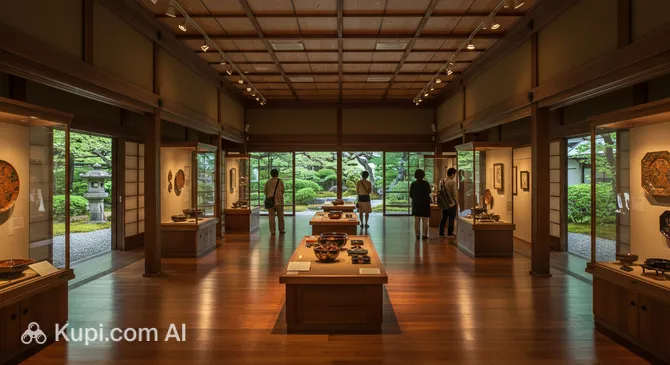
Wajima Kiriko Art Museum
Wajima Kiriko Art Museum. Иллюстрация. Источник: Kupi.com AI
The museum houses dozens of authentic specimens, some standing several meters tall, which are still used during annual processions.

The collection's connection to the traditional urushi lacquering craft, for which Wajima is so famous, adds special value. Visitors can see the evolution of these vibrant festival symbols and feel the spirit of unity in local communities that have preserved their traditions for centuries. High ratings confirm that this is a must-visit for anyone wishing to see the "other," authentic Japan.

Contacts

To check for the latest information on events and special exhibitions, you can contact the museum administration directly. The Wajima Kiriko Art Museum is open to communication with tourists and researchers of Japanese culture.

How to contactContact
Address6-1 Marine Town, Wajima, Ishikawa 928-0008, Japan
Phone+81 768-22-7100
Websitewajima-kiriko.com

What to Do

The first thing to do upon entering is to immerse yourself in the festive atmosphere of the main hall, where the giant kiriko-yatai are illuminated as if a festival is happening right now. Be sure to take a close look at the details: intricate carvings of dragons, delicate cherry blossoms, and dynamic sea motifs, each carrying its own hidden meaning.

The museum features interactive zones where multimedia projections make the patterns on the lanterns literally "come alive," telling stories of ancient deities. Visitors can watch exciting videos of actual festivals, where hundreds of men carry these multi-ton structures through the city to the rhythmic sounds of flutes and drums. This allows you to feel the energy and scale of traditional Japanese matsuri.

For those who prefer a hands-on experience, the museum offers unique workshops. You can try your hand at painting a miniature kiriko lantern or learn about the techniques of famous Wajima lacquerware. Before leaving, stop by the souvenir shop to purchase miniature lantern replicas or exquisite lacquerware that has become the hallmark of this region.

Getting There

The journey to the museum, located in the scenic Marine Town district, is an adventure in itself. If you are traveling from Tokyo, it is most convenient to take a domestic flight to Komatsu Airport (about an hour's flight) and then transfer to a bus or train, which will get you to the city in about 1.5 hours.

From the prefectural capital, Kanazawa, you can take the JR Hokuriku Line to Wakura Onsen station (40 minutes), then transfer to a bus heading to the Marine Town stop. From Wajima's central station, bus No. 12 runs regularly to the museum, and a taxi ride will take no more than 10–15 minutes.

The area around the museum is pedestrian-friendly, making it perfect for leisurely walks along the coast. For travelers with rental cars, a spacious parking lot is provided right at the entrance. During summer festival seasons, special free shuttles often run between the city's main transport hubs and the Marine Town area.

Ближайший город: Wajima

History & Facts

The history of this remarkable place began relatively recently—on April 16, 1991—when the museum officially opened its doors to the first visitors. However, the traditions it protects date back deep into the Edo period. Initially, the exhibition was modest, with about 300 items, but through decades of meticulous work in collecting artifacts, the collection has grown nearly fivefold.

The museum's main objects—kiriko lanterns—were historically used in religious processions as offerings to the gods in gratitude for bountiful harvests and protection from the sea's elements. The museum building was designed to accommodate giant structures several stories high while maintaining the atmosphere of an authentic Japanese festival.

Notably, the Wajima Tano Kiriko festival, whose attributes are kept in the halls, is recognized as an Intangible Cultural Heritage. The museum has become more than just a repository; it is a vital center for the revival of local crafts, helping to preserve unique woodcarving and painting skills that could have been lost in the era of globalization.

Time Needed

To leisurely explore all levels of the museum and appreciate the scale of the exhibits, an average visitor will need about 1.5 to 2 hours. Most of this time is spent on the first floor, where the largest lanterns are displayed, and reading the information panels about the symbolism of the patterns.

If you plan to participate in a painting workshop or watch documentary videos of hundreds of people carrying these heavy structures through narrow streets to the beat of drums, you should add another 30–40 minutes to your visit. Don't forget to leave some time for the souvenir shop, which sells unique miniatures and items coated in the famous urushi lacquer.

Working Hours

Typically, the Wajima Kiriko Art Museum is open to guests daily from 9:00 AM to 5:00 PM; however, please note that the schedule may change on Mondays and public holidays. It is important to know that operating hours may be adjusted by the administration depending on the season and current exhibition updates.

Please note: There is currently information regarding a temporary closure of the site (CLOSED_TEMPORARILY). To ensure a successful visit, we strongly recommend checking the current status and exact schedule on the museum's official website or inquiring at a local tourist center before your trip.

Nearby

Exploring the Marine Town district will allow you to experience the atmosphere of the port city and its daily life more deeply. Many local sites are concentrated near the museum—from cozy bars to historical ruins—which perfectly complement your cultural itinerary.

NameDistance
Jūzō Shrine0.3 km
Shimpuku0.4 km
Yabu Shimbashi0.6 km

Reached the end of the page?

That means the route is fully explored