Support

Wat Sisaket

About

Wat Si Saket is more than just a Buddhist temple complex; it is a true island of history and spirituality in the heart of Vientiane, the capital of Laos. It is considered one of the city's oldest and most revered religious structures, drawing the attention of both believers and curious travelers with its unique atmosphere and rich heritage.
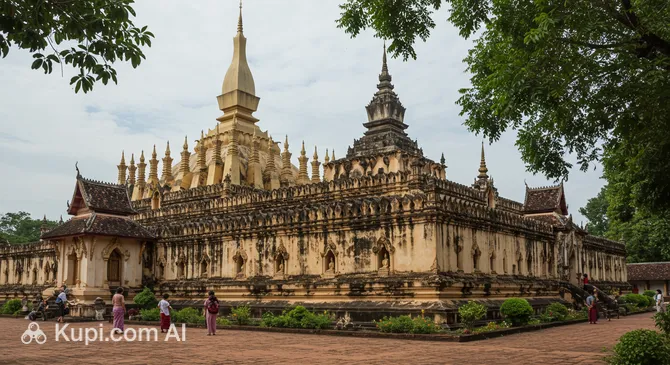
Wat Sisaket. Illustration.
Source: Kupi.com AI

Traveler photos:

The main feature of Wat Si Saket lies in its remarkable fate: it is the only temple in Vientiane that survived in its original form after the destructive events of the 19th century. Today, it harmoniously combines the functions of an active monastery and a museum, carefully housing thousands of Buddhist sculptures and precious relics. The temple's architectural style also deserves special attention, reflecting traditional Lao motifs.

Visitors to Wat Si Saket are greeted by peaceful silence and beauty. Inside the temple walls and on its grounds, you can see numerous images of Buddha made of various materials and belonging to different eras. Of particular interest are the thousands of small niches in the walls of the cloister, each containing a Buddha figurine. This place is ideal for those who want to touch the ancient culture of Laos, enjoy exquisite architecture, and find a moment for quiet contemplation.

Contacts

For up-to-date information on opening hours, contact details, and precise directions to Wat Si Saket, we recommend checking the official tourism resources of Vientiane or Laos. You can often find this information on the websites of tourism boards or directly on-site at visitor information centers.

How to contactContact
AddressXJ76+7GG, Ave Lane Xang, Vientiane, Laos
Phone number+856 20 56 777 272
Websitewww.visit-laos.com

What to Do

When visiting Wat Si Saket in Vientiane, you immerse yourself in the atmosphere of one of the city's oldest temples. The main activity for visitors is exploring the temple complex itself. You can take a leisurely stroll through its grounds, carefully examine the main shrine, and, of course, pay special attention to the famous gallery surrounding it. This gallery is a key feature of the temple, creating a unique space for contemplation and meditation.

It is in the gallery (cloister) that one of the most impressive collections of Buddhist art in Laos is kept. Here, in numerous niches, about seven thousand Buddha statues are placed. These sculptures vary in size, style, and era of creation, presenting a mesmerizing sight. Walking through the gallery and studying these sculptures allows for a deeper appreciation of the spirit of Buddhism and the craftsmanship of ancient artisans.

In addition to viewing architectural and artistic treasures, visitors to Wat Si Saket can witness the daily life of the monastic community. It is not uncommon to observe the monks' way of life or even hear their morning or evening prayers, which adds a special authenticity to the visit. This is also a wonderful opportunity to learn more about Buddhist traditions and the country's history. It is important to remember the photography rules: it is allowed on the complex grounds, but strictly prohibited in the museum section where the most valuable artifacts are exhibited.

Getting There

Getting to Wat Si Saket is quite easy, as it is conveniently located in the very heart of Vientiane. The temple is in close proximity to other significant landmarks of the Laos capital, including the Presidential Palace and Haw Phra Kaew temple. If you are staying in the city center, you can walk to Wat Si Saket on foot, enjoying the atmosphere of Vientiane along the way.

For those who prefer a faster way to travel or are located further from the center, taxi services or traditional local tuk-tuks are always available. This is a popular and convenient mode of transport in Vientiane, and the drivers are well-acquainted with the location of major tourist sites, including Wat Si Saket.

If you are traveling independently and plan to reach the temple by rented transport, such as a bicycle or motorcycle, head towards the main Setthathirath Road—this is where the entrance to the temple complex is located. A nice bonus for such travelers is the availability of parking for two-wheeled vehicles directly at the temple.

Nearest city: Vientiane

History & Facts

Wat Si Saket, located in Vientiane, is one of the oldest and most revered temples in Laos. Its construction began in 1818 by order of King Chao Anouvong and was completed in 1824. The architectural style of the temple differs significantly from traditional Lao buildings of that time, as it was largely inspired by Siamese (Thai) traditions. This is evident in its layout, characteristic multi-tiered roofs, and exquisite decorative elements, making it a unique architectural monument in the capital.

One of the most remarkable facts in the history of Wat Si Saket is its miraculous survival during the Siamese invasion and the destruction of Vientiane in 1828. While most other temples in the city were destroyed, Wat Si Saket remained standing. Historians believe its architectural style, which adhered to Thai canons, might have been the reason the invaders spared it. This event transformed the temple from just a religious site into a symbol of resilience and cultural heritage.

For many years, Wat Si Saket played an important role in state life, serving as the place where Lao kings and their subjects swore oaths of allegiance. Inside the temple and on its galleries, unique frescoes depicting scenes from the life of Buddha and the Jatakas (stories of his previous incarnations) have been preserved. Of particular note are the thousands of niches in the walls of the cloister (covered gallery), which house more than six thousand small Buddha statues made of wood, stone, and bronze, dating from the 16th to the 19th centuries. These collections make Wat Si Saket not only a spiritual center but also a true museum of Buddhist art.

Time Needed

To fully enjoy a visit to Wat Si Saket temple in Vientiane, it is generally recommended to set aside 1 to 2 hours. As experience from many travelers shows and according to general recommendations, this time is sufficient to see the main shrines, the architectural features of the complex, and its famous galleries.

During this time, you can take a leisurely walk through the covered galleries, which house thousands of Buddha images, carefully examine the preserved wall paintings, and fully experience the peaceful atmosphere of one of Vientiane's oldest temples. Of course, if you plan a deeper study of historical details, meditation, or if you are an avid photographer wanting to capture every corner, your stay might last a bit longer. However, for a general introduction and to gain vivid impressions, the specified time will be quite enough.

Working Hours

Wat Si Saket in Vientiane usually welcomes visitors daily. Standard working hours are typically from 8:00 AM to 4:00 PM. It is important to keep in mind that these hours may be slightly adjusted depending on the season or on days of special religious ceremonies and festivals.

While advance ticket booking for Wat Si Saket is usually not required, it is always wise to check the current schedule directly before your visit, especially if your trip coincides with major local holidays. Information can be found on the official tourism resources of Vientiane or checked on-site. The temple is generally accessible to visitors year-round, allowing tourists to enjoy its beauty at any time.

8:00 – 17:00

Nearby

A visit to Vientiane is not limited to just one attraction, no matter how significant it may be. Exploring the surroundings of Wat Si Saket will allow you to dive deeper into the city's atmosphere, discover hidden gems, and get a more complete picture of its culture and daily life. Every street, neighboring temple, or park can tell its own story and offer unexpected impressions.

Near Wat Si Saket, there are many other interesting places worthy of your attention. A stroll through this district of Vientiane can be a fascinating addition to your itinerary. Here are some of them:

NameDistance
Haw Phra Kaew0.2 km
That Dam Stupa0.3 km
Moonlight Lounge Namphou0.4 km
TravelLao (Dongbae House)0.5 km
Chao Anouvong Park0.5 km
Go Dunk0.7 km
Vientiane Center0.7 km

Have you reached the end of the page?

So the route has been studied inside and out