Support

Ranau

About

Ranau is a true natural gem, nestled on the island of Borneo in the heart of Sabah, Malaysia. The town lies at the foot of the majestic Mount Kinabalu, one of Southeast Asia's most recognizable peaks, making it an ideal base for exploring the region. Ranau is literally surrounded by dense tropical forests, rushing rivers, and famous hot springs.
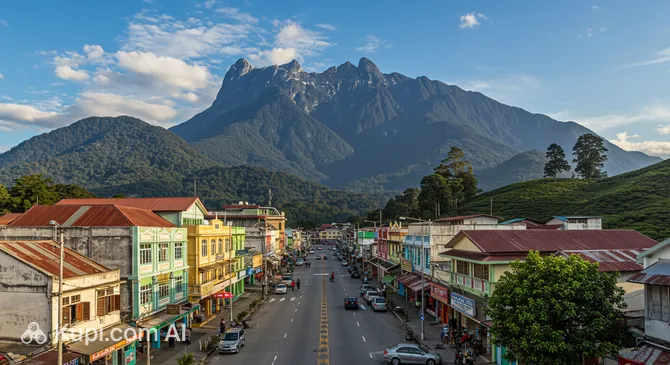
Ranau. Illustration.
Source: Kupi.com AI

With a population of 94,092 people, Ranau combines the charm of a small town with rich ethnic diversity. Here, members of the Kadazan-Dusun, Chinese, Malay, and other communities coexist peacefully, each contributing to the unique local culture and traditions. The town has maintained a friendly and relaxed atmosphere characteristic of Sabah's small settlements, where it is easy to forget the hustle and bustle of metropolises and fully immerse yourself in nature.

The main magnets for tourists in Ranau are, undoubtedly, its proximity to the majestic Mount Kinabalu, which offers trekking opportunities and stunning views, and the famous hot springs, where you can relax after an active day. Furthermore, Ranau is a paradise for eco-tourism enthusiasts: here you can explore canyons, go rafting on mountain rivers, embark on fascinating hikes through tropical forests, and enjoy the fresh mountain air.

Ranau is a place where everyone will find an adventure to their liking, whether it be adrenaline-pumping tours, a peaceful holiday in the heart of nature, or an introduction to authentic Borneo traditions. If you are looking for unforgettable experiences and want to discover the amazing world of Malaysian nature, Ranau will welcome you warmly.

You can find more interesting facts on the history of Ranau page.
Weather Overview

The weather in Ranau is characterized by consistently warm temperatures throughout the year and frequent, though not always heavy, rainfall. The average annual temperature fluctuates between 22-24°C, with maximum daytime temperatures reaching 26-28°C and nighttime temperatures dropping to 19-20°C. Expect warm weather with a high probability of rain in almost any month, as the number of rainy days varies from 20 to 29 per month, with precipitation amounts ranging from 5 to 10 mm.

For more detailed weather information, including monthly forecasts and current conditions, you can visit the Ranau Climate page.

Average monthly temperature

Average monthly precipitation

Interesting Facts

Beyond the well-known tourist routes, Ranau hides many surprising details and stories that reveal the town from a completely new perspective. Here are just a few of them:

  • In the vicinity of the town flows the Taralamas River, forming the picturesque canyon of the same name. This place is often compared to a movie set for a film about a lost world because of its lush tropical greenery, sheer cliffs, and cascading waterfalls, creating a truly primordial atmosphere.

  • Ranau originally gained fame for its hot springs, which have been considered healing since ancient times. Local legends tell that the waters of these springs helped restore strength and heal the ailments of even the hardiest warriors of antiquity.

  • The town is a starting point for unique eco-tours and exciting canyoning routes, many of which are accessible even to beginners without special training. This is a great opportunity to test yourself by rappelling down waterfalls and exploring hard-to-reach corners of the wild jungle.

  • Ranau is home to several respected guides who have gained wide recognition for their contribution to the development and promotion of eco-tourism in the Sabah region. Locals take great pride in their traditions of hospitality and are always happy to share stories about the town's past and its natural treasures with travelers.

How to Get There

Ranau is located in the mountainous area of Sabah, and the journey here often involves picturesque winding roads. To ensure your trip goes smoothly, we recommend studying all the ways to get to the town in advance to choose the optimal route. Since Ranau does not have its own air hub, tourists usually arrive at the airports of neighboring large cities and then continue their journey by land transport.

The most convenient option is Kota Kinabalu International Airport (IATA: BKI), located in the state capital, Kota Kinabalu. This is the region's largest transport hub, handling many international flights. It is located approximately 68 km from Ranau. A taxi or bus ride from the airport will take roughly 2 hours, allowing you to enjoy views of Mount Kinabalu along the way.

Another possible entry point is Sandakan Airport (IATA: SDK) in the city of Sandakan. It is located significantly further away—about 155 km from Ranau. This option is suitable for those starting their journey from the east coast of Sabah. The travel time by car or bus from here is approximately 4 hours and 10 minutes.

For clarity, here is a summary of the main airports:

AirportPassenger trafficDistance
Kota Kinabalu International Airport9.4 mln68 km
Kudat Airport108 km
Sandakan Airport621 513155 km
Labuan Airport469 159173 km
Lawas Airport49 181185 km

Main Attractions

The town of Ranau, located in the picturesque state of Sabah, is the gateway to many of Malaysia's natural and cultural treasures. Travelers will find opportunities for both active recreation and places for quiet contemplation, learning about the region's history, and, of course, the local cuisine. Here are some of the main attractions that draw tourists to Ranau and its surroundings:

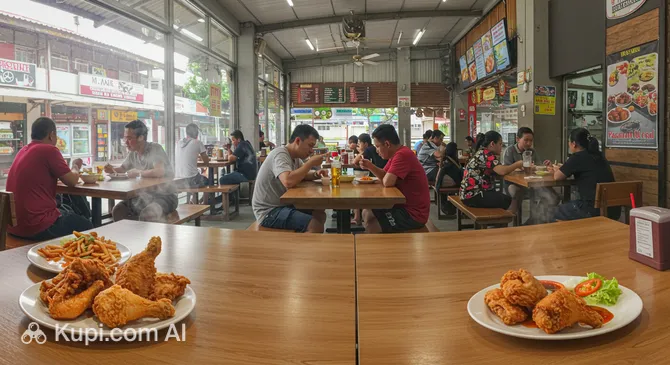
For those who want to get a taste of the local culinary scene, an interesting spot could be the Ranau Fried Chicken Restaurant. This establishment is popular with both locals and visitors, offering their signature dish—aromatic fried chicken prepared according to traditional recipes. A visit to the restaurant provides an opportunity not only to have a delicious meal but also to dive into the everyday atmosphere of the town.

Fried Chicken Restaurant Ranau. Illustration.
Source: Kupi.com AI

Traveler photos:

One of the main reasons to visit Ranau is its proximity to Kinabalu National Park, a UNESCO World Heritage site. The crown jewel of the park is undoubtedly Mount Kinabalu—Malaysia's highest peak (4,095 m). Climbing it is a dream for many mountaineers, but even those not planning to conquer the summit will find many scenic trails in the park, where they can admire unique biodiversity, including famous orchids and carnivorous pitcher plants, and enjoy breathtaking mountain landscapes.

After an active day in the mountains or simply for a relaxing break, head to the Poring Hot Springs, also located within Kinabalu Park. Here, you can take healing open-air sulfur baths, which are famous for their therapeutic properties. Additionally, Poring offers a walk along exciting canopy walkways suspended at the height of the treetops, a visit to a butterfly farm, and a refreshing dip at Kipungit Waterfall.

Not far from Ranau, in the town of Kundasang, lies an important historical site—the Kundasang War Memorial. This memorial is dedicated to the memory of the Australian and British prisoners of war who perished during the tragic "Death Marches" from Sandakan to Ranau during World War II, as well as the local people who risked their lives to help them. The memorial consists of several beautiful themed gardens: the Australian, English, Borneo, and Contemplation gardens, each telling its part of this somber story.

Local Cuisine

The cuisine of Ranau is a fascinating gastronomic journey reflecting the rich traditions of Sabah's indigenous peoples and the bounty of local nature. Fresh ingredients are highly valued here, many of which are grown on fertile mountain slopes or gathered in the surrounding forests, giving dishes a special, unique flavor.

Be sure to try ampaiya—a refreshing local green salad with spicy herbs—as well as hearty soups based on fresh vegetables and aromatic spices. Fish and chicken dishes, often cooked over an open fire, hold a special place in Ranau's culinary landscape. Don't miss the chance to try local wild honey, which is famous for its rich floral taste and is considered a true delicacy. Also, look out for dishes featuring wild ginger and forest mushrooms, which lend the food a unique aroma.

Street food in Ranau is a pleasure in itself. At local markets and from street vendors, you will find appetizing satay skewers, fried bananas, and various rice cakes. Popular drinks include refreshing sugarcane juice, as well as various teas and drinks based on local fruits and herbs. Alcoholic beverages are represented mainly by beer and imported alcohol, though you may also encounter traditional fermented rice or fruit drinks.

Locals often eat at bustling markets, where you can not only buy the freshest exotic fruits and vegetables but also taste traditional dishes prepared right before your eyes. Tourists will also find many small restaurants and cafes offering both authentic local cuisine and more familiar dishes. For instance, to get acquainted with local culinary traditions, you can visit the Ranau Fried Chicken Restaurant.

Ranau's gastronomic scene attracts visitors with its authenticity and use of fresh, eco-friendly products. Occasionally throughout the year, small food festivals are held where local chefs showcase their skills, and guests can sample the most delicious and unusual items, diving deeper into the town's culture through its food.

Travel Tips

Welcome to Ranau, the gateway to majestic Mount Kinabalu and the heart of Sabah's culture! To make your trip as comfortable and rewarding as possible, we have prepared some practical tips to help you navigate this amazing corner of Malaysia.

  1. Clothing and Essentials: The climate in Ranau is tropical highland, so it's usually warm during the day, but evenings and especially mountain areas can be cool.
    • Bring light, breathable clothing made of natural fabrics for daytime walks.
    • Be sure to pack a warm sweater or fleece jacket, as well as a light windbreaker or raincoat, especially if you plan on visiting Kinabalu National Park.
    • Crucially, wear comfortable closed-toe walking shoes; if you're planning on hiking, consider trekking boots.
    • Don't forget sunscreen, a hat, and insect repellent. A Type G electrical adapter (British standard) will also come in handy.
    • When visiting mosques and temples, choose modest clothing that covers shoulders and knees. Women may need a headscarf.
  2. Transport in the Town and Surroundings:
    • In Ranau itself, you can get around using local buses or shared taxis (minivans), though their schedules may not always be convenient for tourists.
    • Taxis are available. Also, check for ride-hailing apps like Grab, which are popular in Malaysia and may operate in Ranau.
    • Renting a car or scooter can be an excellent option for exploring the surroundings at your own pace, including Kinabalu National Park and Poring Hot Springs. Ensure your driver's license is valid for use in Malaysia.
  3. Finances and Payments:
    • The official currency is the Malaysian Ringgit (MYR).
    • You can exchange currency at banks or authorized exchange offices. It is recommended to have some cash exchanged in advance in larger cities (e.g., Kota Kinabalu), as rates in Ranau may be less favorable and the choice of exchange points limited.
    • Bank cards (Visa, Mastercard) are accepted in hotels, large restaurants, and some shops. However, always have cash with you for purchases at markets, small cafes, and souvenir stalls. There are ATMs in the town.
    • Tipping in Malaysia is not strictly mandatory but is always appreciated for good service. In restaurants, a service charge is often already included in the bill. If not, you can leave 5-10% of the total.
  4. Health and Safety:
    • There are pharmacies in Ranau, but it's best to bring a basic first-aid kit, especially if you have chronic conditions or specific needs. 24-hour pharmacies may not be available.
    • There is a medical clinic in the town. Be sure to get travel medical insurance before your trip to cover potential medical expenses.
    • Ranau is considered a relatively safe place. Follow standard precautions: watch your belongings, do not leave valuables unattended, and avoid walking alone in poorly lit or deserted areas after dark.
    • When visiting the national park and other natural attractions, follow the guides' instructions and information signs; do not stray from marked trails.
  5. Communication:
    • The official language is Malay (Bahasa Melayu). English is fairly common in the tourism sector, hotels, restaurants, and among the youth.
    • Learn a few simple phrases in Malay, such as: "Selamat Pagi" (Good morning), "Terima Kasih" (Thank you), "Sama-sama" (You're welcome). Locals greatly appreciate such efforts.
    • A local SIM card with internet access can be purchased at the airport upon arrival in Malaysia or at mobile phone shops in cities. Wi-Fi is usually available in hotels and some cafes.
  6. Local Etiquette and Traditions:
    • Malaysians are very polite and hospitable people. A greeting is usually accompanied by a slight nod of the head and a smile. When interacting with Muslims (especially women), it is better to wait for them to initiate a handshake.
    • In public places, especially religious ones, behave with restraint and respect.
    • It's important to remember that the left hand in Malay culture is traditionally considered "unclean." Try not to use it for passing food, money, gifts, or for touching people.
    • Always ask for permission before photographing local residents.
  7. What to Avoid:
    • Do not criticize or negatively discuss local customs, religion, the royal family, or politics. This can be perceived as disrespectful.
    • Avoid pointing at people or objects with your index finger—it is considered rude. Instead, you can use your right thumb (with fingers folded into the palm) or simply an open palm.
    • Do not display too much affection in public (e.g., hugging, kissing)—it may embarrass local residents.
  8. Special Tip for Ranau:
    • Tamu Market: If your stay in Ranau coincides with the day of the local "Tamu" market (usually a specific day of the week, often Sunday—check locally), be sure to visit it! It is an incredibly colorful place where you can buy fresh fruits, vegetables, local delicacies, spices, handmade goods, and observe the daily life and trade of local communities. It's a wonderful opportunity to dive deeper into the culture of the Sabah region.

We hope these tips help you plan an unforgettable trip to Ranau and fully enjoy its unique nature, rich culture, and the hospitality of the local people. We wish you wonderful experiences and a pleasant holiday!

Entertainment & Nightlife

Evening in Ranau offers its guests a more quiet and authentic experience rather than the noisy parties until dawn typical of large cities. It is important to understand that the selection of specialized nightclubs and bars operating late into the night here is extremely limited or virtually non-existent. Nightlife is mainly centered around cozy local establishments where you can enjoy your time after a busy day exploring the natural beauty of the Sabah region.

The main venues for evening leisure in Ranau are restaurants and cafes offering local and Asian cuisine. Here, you can enjoy dinner in a relaxed setting. For example, one of the places to grab a bite in the evening is the Ranau Fried Chicken Restaurant. Most other establishments offer a similar service format and menu. Prices for dinner in local restaurants and cafes are usually quite moderate: a main course can cost in the range of 20-50 Malaysian ringgits, and drinks from 5-15 Malaysian ringgits. This allows you to enjoy the local cuisine without significant expense. Evening leisure is not concentrated in one specific area but is rather scattered throughout the central part of the town.

The atmosphere in Ranau at night is predominantly family-oriented and calm. The crowd mainly consists of locals and tourists seeking peace and relaxation. There is no dress code in most establishments; comfortable casual wear is welcome. Venues usually operate until 22:00-23:00. Moving around the town in the evening can be done by taxi, which is recommended to be booked in advance, or by using ride-hailing apps if they are available in the region. The town is generally considered safe for evening walks; however, as in any other place, you should observe standard precautions and avoid poorly lit and deserted areas.

During the day, Ranau and its surroundings offer many activities for tourists, primarily focused on nature. The main draw is certainly the proximity to Mount Kinabalu and the national park of the same name, which offers breathtaking trekking routes. Poring Hot Springs, where you can relax in healing waters, the Sabah Tea plantations with their picturesque views, and local markets (tamu), where you can learn about indigenous cultures and buy fresh produce and souvenirs, are also popular. There are no specialized theaters or large amusement parks in Ranau, as the main focus is on natural and cultural attractions.

In summary, if you are looking for a vibrant nightlife with many clubs and bars open until dawn, Ranau may not fully meet those expectations. However, for those who appreciate quiet evenings, delicious local food, and the opportunity to relax in a peaceful setting after an active day spent in nature, the town offers pleasant options to end the day.

Parks & Museums

Ranau and its surroundings are not only the gateway to majestic natural sites but also places where you can get a deeper understanding of local culture and history, even if there isn't an abundance of traditional museums. The town offers a unique blend of natural beauty and cultural experiences for the curious traveler.

Undoubtedly, the iconic natural attractions of the region are Kinabalu National Park, a UNESCO World Heritage site, and the popular Poring Hot Springs. These locations attract many tourists with their unique ecosystems and opportunities for active recreation. However, if you are looking for a more peaceful and tranquil pastime amidst greenery, consider the Sabah Tea Garden. Here, you can not only learn about the process of growing and producing tea and taste a freshly brewed cup but also enjoy magnificent panoramic views of hills covered with emerald tea bushes. Strolling through the well-kept grounds of the plantation and visiting the local cafe will be a pleasant addition to your trip.

While there may not be many classic museums in the traditional sense in Ranau, it is still possible to touch upon the history and culture of the region. One such significant site is the Kundasang War Memorial, dedicated to the memory of the events of World War II. It is a place for reflection and a tribute to the past. To immerse yourself further into the modern culture and daily life of the locals, visit the bustling local markets known as "tamu."

It is at these colorful markets, such as the weekly tamu in Ranau, that you can see the full variety of local produce, unique handicrafts, chat with friendly vendors, and truly feel the authentic atmosphere of Sabah. Additionally, don't miss the opportunity to explore small villages in the Ranau area. Such trips will reveal the daily life of the local population, allow you to enjoy the untouched beauty of the countryside, and perhaps taste traditional dishes in small family-run cafes offering a more authentic gastronomic experience.

Getting Around

Getting around Ranau and its surroundings can be done in several ways, although the public transport system here is simpler than in large metropolises. The town does not have a metro, trams, or trolleybuses, but it offers other options for movement.

The main form of public transport in Ranau and the Sabah region in general is minibuses (often called "bas mini" or "van"). They ply the main roads, connecting various parts of the town and nearby settlements. Routes and schedules may not always be clearly marked, so do not hesitate to clarify the direction with the driver or locals. Fares are usually paid in cash directly to the driver upon boarding or alighting. The cost of travel is generally low, amounting to a few ringgits within the town, depending on the distance.

Taxi services are also available in Ranau. You can find them at stands at key points in the town or call them by phone. It is recommended to agree on the fare in advance if the taxi is not equipped with a meter. A trip around town by taxi can cost around 15-30 Malaysian ringgits, but always check current rates, especially when using apps. In Malaysia, ride-hailing apps for taxis and private drivers (such as Grab) are popular and can be a convenient alternative to traditional taxis, offering fixed fares and cashless payment through the app.

Practical tips for tourists: Always have small amounts of cash for paying minibus fares. Minibus stops are not always obvious; they often stop on request. Public transport operating hours are usually limited: minibuses generally run from early morning until early evening, especially on less popular routes. In the evening and at night, taxis become the primary mode of transport.

Alternative ways to get around: For more freedom of movement, especially if you plan to explore the surrounding areas like Kinabalu National Park, you might consider renting a car or a scooter. Within the town itself, walking is quite comfortable for short distances. Bicycle rentals in Ranau are not as common as in major tourist centers.

There are no unique or historical types of transport, such as ancient metros or cable cars, in Ranau. The town's transport system is focused on practicality and meeting the daily needs of residents and guests.

Accommodation

In the town of Ranau, travelers will find a variety of accommodation options to suit different preferences and budgets. Choices range from budget guesthouses and hostels, ideal for cost-conscious tourists, to comfortable mid-range hotels and more private options like apartment rentals or small cabins.

When choosing a place to stay in Ranau, consider the proximity to major attractions, such as Kinabalu National Park, or to transport hubs for ease of travel. Many tourists prefer to stay in areas with easy access to the region's natural beauty or local markets and cafes.

While specific names of famous hotels are not always easy to highlight without a detailed search, Ranau features establishments across various categories. You can find everything from simple and cozy family-run inns to places with a wider range of services. It is important to look at reviews from other travelers and consider your own priorities when making a choice.

As for booking, it is recommended to take care of this well in advance, especially if your trip is planned during the peak tourist season or during local holidays. To find and book accommodation, it is convenient to use popular international online platforms (such as Booking.com, Agoda) or contact the chosen hotel directly. The price range in Ranau is quite broad: from very affordable options for backpackers to mid-range offers providing a good level of comfort.

Nearby Cities

For those looking to explore the surroundings, Ranau serves as an excellent base for day trips to several interesting nearby locations:

Kota Kinabalu, the capital of Sabah, is just 65 km away and attracts tourists with its vibrant waterfront, colorful markets, and the opportunity to head out to the islands of the Tunku Abdul Rahman Marine Park. It is a great place to experience the region's urban culture and do some shopping.

Sandakan, located 156 km away, is known for its unique wildlife sanctuaries, such as the Sepilok Orangutan Rehabilitation Centre and the Labuk Bay Proboscis Monkey Sanctuary. A trip here will provide unforgettable experiences for nature lovers and those interested in history.

CityPopulationDistance
Telupid18 00063 km
Layang-Layang Island64 km
Kota Kinabalu452 05865 km
Pamol87 km
Keningau70 00088 km

These nearby destinations offer a glimpse into the diverse culture and landscapes of the Malaysia region.

Shopping & Souvenirs

Shopping in Ranau offers tourists an authentic local experience rather than the glitz of large shopping malls. Here, you can immerse yourself in the daily life of the Sabah region and find unique goods that reflect the culture and nature of this part of Malaysia. The town is not famous for specific export goods but offers interesting local products and handicrafts.

The main shopping opportunities in Ranau are concentrated around the central part of town and along the main streets. Here, you will find small shops, stalls, and supermarkets where you can buy daily necessities, food, clothing, and souvenirs. The atmosphere here is quite lively, especially on market days.

You likely won't find large, modern shopping centers typical of big cities in Ranau. Shopping here has a more traditional character, oriented toward local needs and serving tourists looking for authentic goods.

Special attention should be paid to local markets, such as "tamu"—traditional open-air markets that are often held once a week. In Ranau's markets, you can find fresh fruits, vegetables grown in the surrounding area (including the famous highland vegetables from Kundasang), local delicacies, spices, as well as handmade items, textiles, and souvenirs. It is a great place to observe local life and practice your bargaining skills.

As souvenirs from Ranau, it is worth bringing back handicrafts from local artisans: woven baskets, mats, wooden crafts, and traditional textiles such as sarongs or batik. Local food products are also popular: dried fruits, local honey, tea, or coffee grown in the region. If you visit the area around Mount Kinabalu, you can find souvenirs related to this natural wonder.

Shops in Ranau usually operate from morning (around 9:00-10:00) until evening (18:00-20:00). Markets often start early in the morning and may close after lunch. In small shops and markets, cash payment (Malaysian ringgits) is preferred. Credit cards may be accepted in some supermarkets or larger stores, but it is better to have enough cash on hand.

Tourists shopping in Malaysia may be eligible for a tax refund (Tax Free) under certain conditions (minimum purchase amount, completing special documents in participating stores). Usually, the tax refund procedure is carried out at international airports upon departure from the country. Check the possibility of Tax Free directly in the stores where you make your purchases.

Reached the end of the page?

That means the route is fully explored