Support

Mexico City Arena

About

Arena México, also known as "Plaza México" (Plaza México), is not just a sports venue, but a true symbol of Mexican culture and architecture. Located in the bustling capital, Mexico City, this arena is the world's largest bullfighting venue, attracting the attention of both locals and tourists from around the globe. Its monumentality and significance go far beyond sports events, making it a mandatory stop on any traveler's itinerary.

Designed by architect Modesto Rolland, the arena is an impressive sight. Its circular shape follows the traditions of bullring construction, while the architectural style harmoniously blends Spanish heritage and Mexican flair. Originally conceived as part of the massive "Sports City" project, "Plaza México" continues to amaze with its size and grandeur today. This structure is a vivid example of how functionality can be combined with high art.
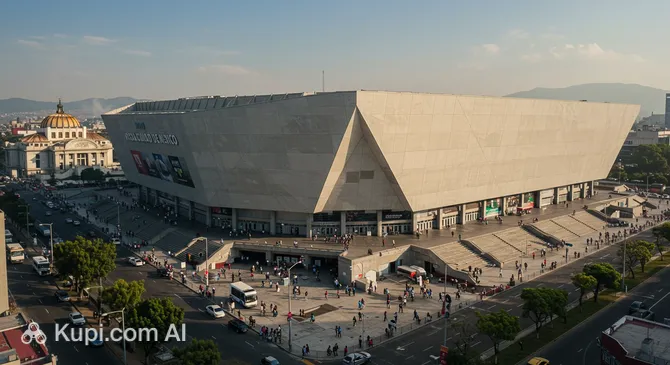
Mexico City Arena. Illustration.
Source: Kupi.com AI

Traveler photos:

For Mexicans, Arena México is not only a place for spectacles but also an important cultural center. Here, the traditions of bullfighting, which have deep historical roots in the country's culture, are carefully preserved and showcased. Visiting the arena allows you to touch a unique aspect of Mexican heritage and feel its passionate and multifaceted character. In addition to bullfights, the arena has also hosted major boxing matches and other significant events.

Contacts

To check the event schedule, visitor rules, and ticket purchases, it is recommended to contact Arena México via official channels. The most accurate information is always available on the official website or via the contact phone number.

How to contactContact
AddressAv. de las Granjas 800, Santa Barbara, Azcapotzalco, 02230 Ciudad de México, CDMX, Mexico
Phone number+52 55 6235 7016
Websitewww.arenacdmx.com

What to Do

The main reason visitors come to Arena México is the opportunity to see a traditional bullfight, a thrilling and controversial spectacle. The main bullfighting season, known as "Temporada Grande" (The Great Season), usually begins at the turn of October and November. During this period, between 12 and 20 performances are held, attracting both locals and tourists who want to experience this cultural phenomenon deeply rooted in the history of Mexico.

Besides attending the bullfights themselves, there are other activities at the arena. Travelers can simply enjoy the scale and architecture of the structure, which is a significant example of Mexican engineering art. Also, various cultural events and exhibitions related to bullfighting traditions and the country's rich heritage may be organized on the arena's grounds. This allows for a deeper understanding of local culture, even if you do not plan to attend the main performance.

Getting There

Getting to Arena México is quite simple, as it is conveniently located in the Ciudad de los Deportes (Sports City) district in the southern part of Mexico City. The most convenient and economical way is to use public transport. The nearest metro station is San Antonio (San Antonio) on Line 7 (orange line). From the station, you can walk to the arena in about 10-15 minutes. Even closer is the Ciudad de los Deportes Metrobús station on Line 1, which runs along one of the city's main arteries, Avenida de los Insurgentes. This is an almost ideal option, as it is just a few steps from the stop to the entrance of the complex.

For those who prefer comfort, a taxi or a ride via one of the car-hailing apps popular in Mexico, such as Uber or DiDi, is an excellent choice. A trip from central tourist areas, like Roma or Condesa, will take about 20–30 minutes depending on traffic conditions. Remember that during rush hours and on days of major events, there may be traffic jams, so allow extra time for travel to avoid being late for the start of the event.

If you are staying in neighboring areas such as Nápoles (Nápoles) or Del Valle (Del Valle), a walk to the arena can be a pleasant part of your day and will take no more than 20 minutes. This is also a good way to avoid the crowds on transport after the event ends. In any case, plan your return journey in advance, as the demand for taxis and public transport increases sharply after the show concludes.

Nearest city: Mexico City

History & Facts

The history of Arena México, also known as "Plaza México," began with a very ambitious idea. In 1939, entrepreneur Neguib Simón came up with the concept of creating a massive complex called "Sports City." The original plan included tennis courts, bowling alleys, swimming pools, boxing rings, and a football stadium. However, due to financial difficulties, the project was significantly scaled back, and in the end, only two facilities were completed: the football stadium and the majestic bullring, which was destined to become the largest in the world.

Construction work under the direction of architect Modesto Rolland began on April 28, 1944. Nearly two years later, on February 5, 1946, the grand opening of "Plaza México" took place. Almost immediately after, on February 16, 1946, the first bullfight was held at the new arena, marking the beginning of its rich history. This event signaled the birth of not just a sports facility, but a new cultural center of attraction in Mexico City.

Since its opening, the arena has witnessed performances by many legendary matadors and has become one of the main symbols of traditional Mexican culture. Over the decades, Arena México has not lost its significance, continuing to carefully preserve the traditions of bullfighting. Today, it remains not only a venue for thrilling performances but also an important tourist site that attracts travelers from all over the world who wish to experience the country's unique and passionate heritage.

Time Needed

When planning a visit to Arena México, keep in mind that the duration of your visit directly depends on your goal. If you want to fully immerse yourself in the atmosphere and watch the main event — a bullfight or a lucha libre show (Mexican wrestling) — then feel free to set aside about 3-4 hours, including time to take your seats and get a feel for the environment before the event starts. The performance itself usually lasts at least two hours.

If you don't plan to attend an event but only want to appreciate the architectural grandeur of this iconic structure and take a few photos outside, less than an hour will be enough. It is worth noting that access inside the arena for excursions is generally limited and possible as part of special tours, which can also take 1-2 hours. Thus, to fully experience one of the main symbols of Mexico City, it is better to plan at least half a day.

Working Hours

The operating hours of Arena México depend directly on the event schedule, as it is not a museum with a fixed schedule but an active venue for spectacles. The main bullfighting season, known as "Temporada Grande" (The Great Season), starts annually between the last Sunday of October and the first Sunday of November. Additionally, according to data from past years, in other periods, for example, from March to October, bullfights could be held on Wednesdays at 15:30.

Since the schedule can change from year to year, it is highly recommended to check the current information regarding the dates and start times of events on the arena's official website before planning your visit. It is better to book tickets for key events, especially during the "Temporada Grande," in advance, as they are in high demand among both locals and tourists. This will guarantee your entry to the show and allow you to choose the best seats.

10:00 – 19:00

Nearby

Visiting Arena México is a vibrant event in itself, but exploring its surroundings will make your trip through Mexico City even more enriching. The Ciudad de los Deportes district, where the arena is located, and its adjacent areas are rich in cultural sites, parks, and museums that allow you to dive deeper into the multifaceted life of the Mexican capital.

By setting aside some time to explore the nearby attractions, you can get a more complete picture of the city. From modern museums to iconic monuments, there are many interesting places for every traveler within a few kilometers of the arena. Below is a list of some of them to help you plan your route more easily.

NameDistance
Basilica of Our Lady of Guadalupe6.2 km
Blaulife Aquarium7 km
Soumaya Museum7 km
Jumex Museum7 km
Inbursa Aquarium7.1 km
Saks Polanco7.7 km
Museum of Memory and Tolerance7.7 km

Have you reached the end of the page?

So the route has been studied inside and out