Support

Kaitaia

About

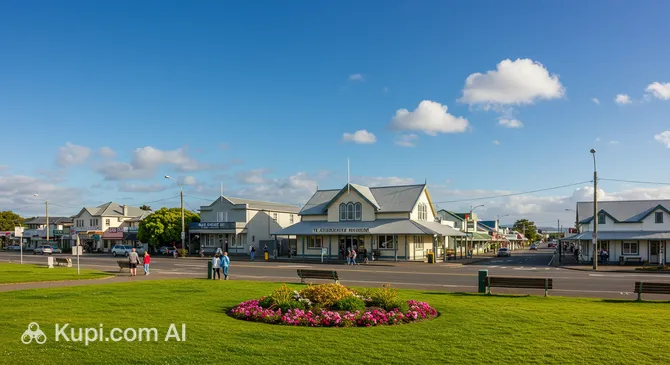
Kaitaia is a cozy town often called the gateway to the magical Far North region. It is uniquely situated in the far north, where the land narrows, providing access to two bodies of water at once: the Tasman Sea and the Pacific Ocean. A trip here is a chance to see the real New Zealand, which has preserved its pristine beauty far from busy tourist routes.

Kaitaia. Illustration.
Source: Kupi.com AI

With a population of about 6,000, the town maintains an atmosphere of warm, provincial friendliness. Life here flows at a measured pace, free from the hustle and bustle of big cities, even though Kaitaia serves as an important administrative center for the region. The harmonious blend of Maori traditions and European settler heritage gives the place a special character. The fascinating history of Kaitaia and its multicultural atmosphere make this town truly vibrant and welcoming to every guest.

Geographically, the town serves as the perfect starting point for exploring the famous 90 Mile Beach and traveling to Cape Reinga—the country's northernmost point. Adventure seekers can go hiking through sand dunes, walk through ancient forests, or ride quad bikes along the coast. Kaitaia is a wonderful discovery for travelers who value authenticity, fresh seafood, and proximity to the wilderness.

Weather Overview

The climate in Kaitaia is mild with no sharp temperature fluctuations, typical for the subtropical north of New Zealand. Summer here lasts from December to February and is considered the most comfortable time to visit: the average temperature stays around +20.5°C...+20.7°C, and during the day the air often warms up to +23.5°C. Precipitation during this period is low, although rain cannot be completely ruled out—on average, there are about 9–11 wet days per month.

Winter (from June to August) is warm compared to most regions but quite wet. Average temperatures drop to +13°C, and night minimums rarely fall below +10°C...+11°C. However, you should be prepared for nature's whims: in July and August, the number of rainy days reaches its peak (up to 16 days per month). Spring and autumn offer pleasant coolness with average figures ranging from +15°C to +19°C.

Expect a warm summer, perfect for beach holidays, and a mild winter with frequent rain. When planning your trip, be sure to check the current weather in Kaitaia to choose the best clothing for your walks.

Average monthly temperature

Average monthly precipitation

Interesting Facts

Beyond its main attractions, Kaitaia holds many fascinating secrets and cultural traditions. This town, steeped in history and legends, reveals itself to travelers from the most unexpected angles.

  • A Hospitable Name: The town's name comes from the Maori expression "Kai Tahi," which translates to "eating together." This name symbolizes the abundance of the local lands and the ancient tradition of communal meals, highlighting the importance of hospitality in the region's culture.

  • Path of Spirits: Kaitaia is considered a kind of portal to the world of myths, as the legendary route to Cape Reinga passes through here. According to Maori beliefs, this is a sacred place where the souls of the deceased leave the earthly world and set off on their journey to the afterlife.

  • Guardians of Time: In the immediate vicinity of the town lies the unique Waipoua Forest, home to giant kauri trees. The age of these majestic giants reaches several thousand years, and for local residents, they are objects of deep reverence and worship.

  • Historical Seniority: Kaitaia is one of the oldest settlements on the North Island. The first Maori settlements appeared here long before the arrival of Europeans, attracted by the exceptional fertility of the soil and proximity to the sea.

  • Harvest Festival: The town is famous for its agricultural fairs and festivals. Here, you can taste rare varieties of fruit grown in the local climate, see traditional dances, and learn about the ancient rituals that the local population takes pride in.

How to Get There

When planning a trip to the extreme north of New Zealand, it is important to map out your route in advance. Kaitaia is remote from major cities, so logistics often involve a combination of flying and driving. You can find more details on how to get to Kaitaia by exploring the available transport options.

The nearest air hub to the town is Kerikeri Airport (IATA: KKE), located in the town of Kerikeri. The distance to Kaitaia is only about 62 km. It is a small regional airport, but it is convenient for those who want to minimize overland travel time. A taxi or rental car trip from here will take approximately 1.5–2 hours.

For international travelers, the main point of arrival is usually Auckland Airport (IATA: AKL). It is located in the city of Auckland, approximately 252 km from Kaitaia. It is the country's largest international airport with a huge passenger flow. The journey north from Auckland by car or bus takes 4 to 6 hours; however, the road passes through scenic areas, making the trip part of the adventure.

You can also consider Whangarei Airport (IATA: WRE), located in the city of Whangarei, about 124 km from the destination. It is a regional hub with moderate passenger traffic. Getting from here to Kaitaia takes about 2.5–3.5 hours.

For convenience, here is summary information on the main airports:

AirportPassenger trafficDistance
Kerikeri Airport110 00062 km
Whangarei Airport135 000124 km
Auckland Airport18.7 mln252 km

Rail service for passengers is not developed in this region, so the main way to get around after arrival is by road. Tourists often rent cars or use intercity buses that run throughout the Northland region.

Main Attractions

Although Kaitaia is often perceived as a transit point on the way to the country's northernmost tip, there are many places in the town and its surroundings that deserve attention. Here, a rich Maori history, the legacy of European settlers, and the incredible nature of the Northland region intertwine.

The heart of the town's cultural life is the Te Ahu Centre. This is a modern multifunctional complex that combines a museum, library, and information center. The building itself is impressive for its unique architecture, which blends modern elements with traditional wood carving. At the local museum (Museum @ Te Ahu), visitors can dive into the region's history, see rare Maori artifacts, and learn about the early days of contact with Europeans. It is the perfect place to begin your introduction to the town.

Just a few minutes' drive from the center is the famous Ninety Mile Beach. Kaitaia serves as the main gateway to this natural wonder. An endless stretch of golden sand washed by the powerful waves of the Tasman Sea attracts fans of surfing, fishing, and jeep tours. Officially, the beach is considered a public road, but driving here is only recommended in 4WD vehicles and during low tide. The sunsets here are considered some of the most beautiful in New Zealand.

History buffs will be interested in Gumdiggers Park, located north of the town. This authentic site transports tourists back to the 19th-century era when kauri gum digging was the region's main industry. Here, you can see a restored diggers' village and go down into actual extraction pits. The park's main pride is the ancient kauri logs, over 100,000 years old; they are perfectly preserved in peat bogs and are striking in their size.

It is also worth visiting the coastal settlement of Ahipara, located 14 km west of Kaitaia. This is the southern tip of Ninety Mile Beach and a place with a particularly relaxed atmosphere. Ahipara is famous for Shipwreck Bay, a mecca for surfers thanks to its long, high-quality waves. Even if you don't surf, a walk along the coast and a picnic overlooking the ocean will provide unforgettable experiences.

Local Cuisine

Kaitaia's gastronomic palette is a vibrant blend of Maori traditions and European culinary habits, based on the freshest produce of the Northland region. The main dish every guest must try is hangi. This is not just food, but a cultural ritual: meat, vegetables, and root crops are slowly steamed in an earth oven over hot stones, becoming infused with the aroma of herbs and smoke. The result is an incredibly tender and hearty treat that reflects the soul of this land.

The proximity to the ocean dictates the menu in local restaurants and cafes. They serve excellent seafood: from succulent oysters and green-lipped mussels to freshly caught fish that arrives on the table almost straight from the fishing boats. A true delicacy is smoked eel, prepared here according to ancient recipes passed down through generations.

Street food and market culture hold a special place in the town's life. At farmers' markets, look for the famous New Zealand meat pies and Maori fry-bread—fluffy fried dough rounds eaten on their own or with fillings. Here you can also buy kumara (sweet potato), homemade jams, and seasonal berries grown by local farmers.

Those with a sweet tooth will enjoy desserts using kiwifruit, passion fruit, and the famous Manuka honey, which has a rich, slightly pungent taste. Popular drinks include fresh juices made from local fruits, as well as New Zealand wines and craft beers, which perfectly complement a dinner after an eventful day. Throughout the year, Kaitaia often hosts food festivals where food becomes the main reason for meeting and having fun.

Travel Tips

A trip to Kaitaia is an immersion into the relaxed rhythm of the "winterless north" of New Zealand, where nature dictates its own rules. To ensure your trip goes smoothly and leaves only pleasant memories, we have prepared a list of practical recommendations tailored to the local specificities.

  1. Clothing and Gear: The weather in Northland is changeable even in summer. Be sure to bring a quality raincoat or windbreaker, as sudden downpours are not uncommon. The sun in these latitudes is very intense: high SPF sunscreen, sunglasses, and a hat are an absolute necessity, even if the sky is overcast. Choose comfortable, closed shoes for walking.
  2. Transport: Public transport in the town is poorly developed, so renting a car is the only reliable way to get around. If you plan to go out to the beaches, consider renting a 4WD vehicle. However, remember: most standard insurance does not cover damage sustained while driving on sand (for example, on 90 Mile Beach).
  3. Finance: Cards (Visa, Mastercard) are accepted everywhere, but it’s still worth carrying some New Zealand dollar cash. It will come in handy for buying fresh fruit at roadside "honesty boxes" or at farmers' markets. ATMs are available in the town center, but they may not be present in remote villages.
  4. Health and Safety: Kaitaia is a safe town, but do not leave valuables in plain sight in your car, especially at parking lots near hiking trails. The medical center and pharmacies operate on standard schedules and close in the evening; there are no 24-hour pharmacies here, so it is better to pack a personal first aid kit in advance.
  5. Communication: English is spoken everywhere, but locals often use words from the Maori language. Learn the simple greeting "Kia Ora" (Kee-ah Or-ah)—it’s a great way to show respect and build rapport. Mobile coverage (Spark, One NZ) is stable in town, but the signal often disappears on the way to Cape Reinga.
  6. Local Etiquette: In Northland, it is customary to greet strangers on the street or trail—a slight nod or a smile is considered normal. If you are invited into a marae (Maori meeting house) or a private home, always remove your shoes before entering. This is an important sign of respect for the hosts and traditions.
  7. What to Avoid: Never underestimate the tides. If you decide to drive onto the beach, always check the tide schedule. Tourists' cars regularly sink or get stuck in the sand, which is not only expensive but dangerous. Littering is also strictly prohibited—there is a cult of natural cleanliness here.
  8. Operating Hours: Note that life in the province shuts down early. Many cafes close as early as 3:00 PM – 4:00 PM, and shops by 5:00 PM. Plan your dinner in advance or buy groceries during the day, as finding an open restaurant late at night can be problematic.

Following these simple rules will help you feel confident and safe in this colorful corner of the country. Kaitaia is ready to reveal its secrets to you—just be ready for its leisurely pace and enjoy every moment of your journey!

Entertainment & Nightlife

Nightlife in Kaitaia is characterized by a calm and measured rhythm, typical of small provincial towns in New Zealand. You won't find loud nightclubs with world-class DJs or red-light districts here. Evening entertainment is centered around socializing, delicious food, and the cozy atmosphere of local pubs. Most activity winds down quite early, so late-night lovers should plan their evenings in advance.

The center of evening life is the town's main street—Commerce Street. This is where the main establishments for spending time after sunset are located. The atmosphere in local bars is very casual and friendly: you can easily meet both tourists and local farmers discussing the day's news. There is virtually no dress code—casual style or even neat hiking clothes are appropriate everywhere.

To immerse yourself in authentic "Kiwi" culture, it is worth visiting the Kaitaia RSA (Returned and Services Association). In this country, such clubs have long ceased to be closed communities and have turned into centers of social life. They offer affordable drinks, hearty dinners, and pool tables, with live music often playing on weekends. Another iconic spot is the historic Kaitaia Hotel. Its bar features an old-school atmosphere with wooden finishes, sports broadcasts, and a wide selection of local beers.

If you are interested in cultural leisure without alcohol, check out the modern cinema in the Te Ahu complex. It’s a great place to watch the latest global releases in a comfortable setting. The cinema hall is small but very cozy (often called a "boutique cinema"), and in the evenings, it serves as a popular meeting place for young people and families.

Daytime Leisure and Wineries

During the day, Kaitaia offers excellent opportunities for relaxed recreation. Thanks to its subtropical climate, the Northland region is famous for its vineyards. A visit to local wineries, such as Okahu Estate, is a must. Here, you can sample unique wines grown on the country's northernmost vines, including rich Syrah and Pinotage. It is a wonderful way to spend the day enjoying the views and learning about the winemaking traditions of the "Winterless North."

For outdoor enthusiasts, the Kaitaia Golf Club is available. The 18-hole golf course is located near Ahipara Beach and offers players not only sporting excitement but also magnificent scenery. It is a great alternative for those seeking quiet entertainment in harmony with nature.

Practical Tips and Safety:

  • Opening Hours: Most bar kitchens close by 8:00 PM – 9:00 PM, although the establishments themselves may stay open until midnight on Fridays and Saturdays. On weekdays, the town falls asleep even earlier.
  • Transport: This is a critical point. Apps like Uber do not work here. The town has local taxi services, but there are few cars, and calling them late at night can be difficult. It is better to arrange a ride in advance or have a local dispatcher's number handy.
  • Safety: Kaitaia is a safe town, and walking along the main Commerce Street in the evening poses no threat. However, you should avoid unlit alleys and outskirts, as street lighting can be dim.
  • Prices: The average price for a pint of beer is around 10–12 NZD, and a pub dinner will cost between 25–35 NZD per person.

Parks & Museums

Despite its modest size, Kaitaia surprises travelers with its harmonious blend of cultural heritage and access to the wilderness. Here, in the "winterless north," parks and museums tell stories of the resilience of early settlers, ancient Maori traditions, and the region's unique ecosystem. These are places where you can slow down and gain a deeper understanding of Northland's soul.

The main guardian of the town's historical memory is the Far North Regional Museum, located in the Te Ahu complex. This is not just an exhibition of antiquities, but a true archive of stories. The exposition covers all stages of life in the region: from the pre-European Maori era and the arrival of the first missionaries to the harsh life of kauri gum diggers, many of whom arrived here from Dalmatia. Tourists are attracted by rare artifacts, including the skeleton of an extinct moa bird, and interactive stands that will interest even children.

For those passionate about machinery and agricultural history, the Matthews Vintage Collection will be a true discovery. This private museum, located near the town, has gathered an impressive fleet of retro cars, vintage tractors, and agricultural machines under one roof, many of which are still in working order. This atmospheric place allows you to see how technology developed in this remote corner of the world and feel the spirit of farming New Zealand from the last century.

Nature lovers should take note of Lake Ngatu, located just a few minutes' drive from Kaitaia. This unique freshwater lake, surrounded by sand dunes, is a popular recreational spot for locals. A scenic walking trail of about 4 kilometers encircles the lake, making it ideal for a morning jog or a leisurely stroll. You can have a picnic in the shade of Manuka trees or take a dip in the clear water.

Another important natural area is the Herekino Forest, whose green hills rise to the south of the town. Although this place requires some physical fitness, the trek through the forest (Herekino Forest Track) rewards travelers with the chance to see rare species of local birds and giant kauri trees that miraculously survived the logging era. It is a great alternative to beach activities for those seeking solitude in the forest shade.

Insider Tip: If you want to see something unusual, take a walk along the Awanui River Walk. This is a quiet and little-known route for tourists right within the town limits, allowing you to see another side of Kaitaia—peaceful, green, and filled with birdsong, away from the noise of the main road.

Getting Around

The transport system in Kaitaia differs significantly from what residents of major metropolises are used to. Due to the town's compact size and its status as a provincial center, there is no extensive public transport network in the usual sense: you won't find subways, trams, or regular city bus routes running through the streets every 15 minutes.

The main link to the outside world is intercity buses (for example, InterCity). They serve as the primary public transport for arrivals and departures. The stop for these buses is usually located at the central Te Ahu complex at the corner of South Road and Matthews Avenue. This is a key point for tourists traveling without a car: here you can catch a service to Auckland, Whangarei, or Kerikeri.

As for moving within the town itself, the main method remains taxis. It is important to note that popular international ride-hailing apps (like Uber) virtually do not work here or have very few cars on the line. You will have to use the services of local companies, such as Kaitaia Taxis. It is better to book a car by phone in advance, especially if you need to travel early in the morning or late at night.

Taxi fares are paid in both cash and by bank card, but terminals are not in all cars, so having a small amount of cash is always recommended. The cost of a trip around town is metered and usually ranges from 10 to 20 dollars depending on the distance. There are no special transport cards or passes for intra-city travel in Kaitaia.

The most convenient and popular option for tourists is renting a car. This gives freedom of movement not only around town but also allows you to reach remote beaches and regional attractions where public transport does not go at all. Car rental points are located both in the town itself and at the nearby Kerikeri Airport.

The central part of Kaitaia, especially along Commerce Street, is very compact and perfectly suited for walking. All major shops, cafes, and the information center are within walking distance of each other. Cycling can also be a good alternative, but there are no specialized city bike-sharing stations on the streets—you will have to rent a bike from sports shops or through tour companies.

Accommodation

Accommodation options in Kaitaia perfectly match the spirit of this practical and hospitable town. You won't find massive hotel chains or flashy luxury resorts here. The bulk of the accommodation consists of classic New Zealand motels, cozy motor lodges, and Bed & Breakfast guest houses. This accommodation is primarily aimed at road travelers: the rooms are spacious, clean, often equipped with a kitchenette, and free parking is provided right at the room's entrance. For budget travelers and backpackers, there are hostels and holiday parks where you can stay in a tent or a motorhome.

When choosing a place to stay, you should consider your plans and mode of transport. If you are traveling by bus or want to be in the center of the action, choose hotels near the main Commerce Street. This is a strategically convenient location: supermarkets, the Te Ahu information center, cafes, and intercity transport stops will be within walking distance. Life is bustling here during the day, and all necessary services are close at hand.

For those seeking a more relaxed atmosphere and beautiful views, staying in the suburbs or closer to the coast, such as in the Ahipara area (only 10–15 minutes' drive from the center), is an excellent option. Although formally a separate village, many tourists prefer to stay there for the ocean views and famous sunsets, using Kaitaia only for shopping and as a transport hub. This is an ideal choice for romantic getaways or families wishing to be closer to nature.

Booking Tip: Keep seasonality in mind. Summer (December to February) is the peak of tourist activity in the Northland region. As Kaitaia is a key transit point on the way to Cape Reinga, accommodation during this period gets booked up very quickly. It is recommended to book rooms at least 3–4 weeks before your trip. If you plan to visit during major local festivals or Easter weekend, you should take care of accommodation even earlier.

The pricing policy in the town is very affordable, especially compared to popular resorts like Paihia or Queenstown. Most offers fall into the mid-range segment, making Kaitaia accessible to most travelers. Booking is easy via popular international online platforms; however, in New Zealand, direct booking is also common: calling or emailing a motel directly can sometimes guarantee a better price or more flexible check-in terms.

Nearby Cities

For those wishing to explore the surroundings and ready for longer journeys across the North Island, Kaitaia serves as a starting point for trips to the region's major cultural and administrative centers. Here are some interesting places to visit by heading south:

Auckland is New Zealand's largest city, located several hours away. It is a dynamic metropolis known as the "City of Sails." Here, travelers can expect the famous Sky Tower with panoramic views, the lively Viaduct Harbour with top restaurants, and the magnificent Auckland Museum. A trip here allows you to swap the measured provincial pace for big-city energy.

Waitakere is a destination for nature lovers and outdoor enthusiasts. The area is famous for its dense forests, waterfalls, and iconic black volcanic sand beaches like Piha. It is a place where you can enjoy walks along the scenic trails of the Waitakere Ranges and see the region's unique flora while remaining in close proximity to civilization.

CityPopulationDistance
Kaikohe4 33060 km
Kerikeri6 96064 km
Waitangi60077 km
Dargaville5 340108 km
Whangarei50 784118 km

These nearby destinations provide an insight into the diversity of the island's culture and landscapes, complementing the experience of visiting the country's far north.

Shopping & Souvenirs

Shopping in Kaitaia is more practical than recreational. As the main service center for the Far North, the town is focused on providing locals and travelers with everything they need. You won't find high-fashion boutiques or huge glossy malls here, but you can easily restock supplies before a trip to Cape Reinga, buy quality hiking gear, or find unique products from local artisans.

Main Shopping Streets

The town's main commercial artery is Commerce Street. This long street runs through the center of Kaitaia and concentrates most of its shops. A walk along it will allow you to find everything: from pharmacies and bookstores to surf clothing shops and household goods. The atmosphere here is calm and friendly, without the hustle of big cities, and shop windows are often decorated in a simple provincial style.

Shopping Centers and Supermarkets

Kaitaia lacks the multi-story shopping malls typical of metropolises. The role of main shopping locations is played by large chain stores located near the main street. The most popular place for non-food items is The Warehouse department store. Here you can buy affordable clothing, electronics, camping goods, and toys. For grocery shopping, tourists usually choose the Pak'nSave supermarket, known for its competitive prices and huge range, which is particularly relevant before long trips through the wilderness.

Markets

To feel the true flavor of the Northland region, it is worth visiting the Kaitaia Market. it operates on Saturday mornings (usually from 7:00 AM to 12:00 PM) in the parking area near Commerce Street. This is a meeting place for local farmers and gardeners. They sell fresh seasonal fruits (including avocados and citrus), homemade pastries, honey, plant seedlings, and handmade crafts. Prices here are often lower than in shops, and the quality of the products is excellent.

Souvenirs

From Kaitaia, it is worth bringing back gifts that reflect the spirit of New Zealand and Maori culture. Look out for:

  • Manuka Honey: The Northland region is famous for producing this unique and healthy honey. It can be bought in supermarkets as well as specialized shops.
  • Wood and Bone Carvings: The souvenir shop at the Te Ahu center offers an excellent selection of traditional Maori carvings, jewelry, and books on local history.
  • Cosmetics: Natural cosmetics based on local herbs and muds also make great gifts.

Opening Hours and Payment

Shops in Kaitaia follow a standard provincial schedule. On weekdays, most outlets are open from 9:00 AM to 5:00 PM. Large supermarkets stay open longer, often until 8:00 PM or 9:00 PM. On Saturdays, many small shops close after lunch (around 1:00 PM – 2:00 PM), and on Sundays, only chain supermarkets and some convenience stores are open. Bank cards (Visa, Mastercard) are accepted everywhere, even in small kiosks, but it is better to have cash for the market.

Tax Free

A 15% Goods and Services Tax (GST) is already included in the price of all goods. The Tax-Free refund system for tourists in regular shops is not as widespread here as in Europe. A refund is only possible if the shop arranges to mail the goods directly to your home abroad. Generally, you cannot get a tax refund at the departure airport for items you carry in your suitcase.
Reached the end of the page?

That means the route is fully explored