Support

Waitakere

About

Waitakere is an amazing corner of nature and adventure, located just half an hour's drive from the bustling center of Auckland, the largest city in New Zealand. The city stretches at the foot of the picturesque Waitakere Ranges, which serve as a natural border between Auckland and the wild west coast of the Tasman Sea. This unique location gives Waitakere a distinctive atmosphere where dense subtropical forests meet the sea breeze.

With a population of about 208,100 people, Waitakere is one of Auckland's significant suburbs. It is famous for its eco-friendly approach to development, abundance of green zones, and careful treatment of its unique nature. Here, a peaceful rhythm of life harmoniously combines with the conveniences of urban infrastructure, making it an attractive place for both residents and visitors.

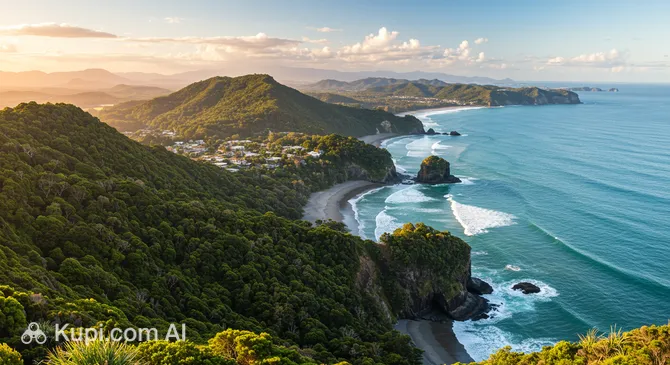
Waitakere. Illustration.
Source: Kupi.com AI

The atmosphere of Waitakere is truly enchanting: here you will find impressive waterfalls, mysterious hiking trails leading through ancient forests, and famous black volcanic sand beaches. Of special note are the majestic kauri trees, which create a unique forest landscape. This is a place where everyone will find something for the soul, whether it's active recreation or secluded contemplation of nature.

If you are looking for inspiration, want to relax in the heart of pristine nature, and get unforgettable impressions, Waitakere is exactly what you need. Visit this amazing city to discover another, wild and incredibly beautiful side of New Zealand.

You can find more interesting facts on the Waitakere city history page

Weather Overview

The weather in Waitakere is characterized by a mild maritime climate. Summer, especially in January and February, is warm here: the average temperature stays around 20.3-20.4°C, while maximums can reach 22.5°C. Winter, from June to August, is cooler, with average temperatures around 12.6-13.5°C and minimum values dropping to 10.8°C.

Precipitation is distributed relatively evenly throughout the year, although the number of rainy days is noticeably higher in the winter months (up to 15 days from July to September) compared to the summer (about 9-10 days in January and February). Overall, expect warm summers with occasional rain and cool, wetter winters (in terms of rainy days). For more detailed information on weather conditions, you can visit the Waitakere Climate page.

Average monthly temperature

Average monthly precipitation

Interesting Facts

Beyond its scenic landscapes and welcoming atmosphere, Waitakere hides many surprising stories and features. This corner of New Zealand is ready to surprise even the most seasoned traveler with its lesser-known facets.

  • Waitakere is not just an urban district, but a real portal to prehistoric times. Here lies the famous Waitakere Ranges Regional Park, where among dense forests you can find giant trees that are estimated to be over a thousand years old.

  • Surfing enthusiasts will find their paradise here! Waitakere is home to four iconic beaches – Piha, Muriwai, Te Henga (also known as Bethells Beach), and Karekare. These spots are famous not only for their high waves and dramatic cliffs but also for stunning sunsets; Piha Beach is often used as a filming location for movies and TV series.

  • The lands of Waitakere are steeped in ancient Māori legends. According to lore, local hills and waterfalls are sacred sites believed to be inhabited by ancestral spirits. Travelers can see traditional Māori carvings and even participate in cultural events held by the indigenous people.

  • Waitakere is rightfully considered one of the most eco-friendly areas in New Zealand. Programs for preserving unique nature are actively implemented here, and many local residents practice organic farming and contribute to restoring populations of rare bird and plant species.

How to Get There

There are several ways to reach the city of Waitakere, located in the Auckland region of New Zealand, though the primary option for most tourists is flying. The city does not have its own major airport but is conveniently located relative to several regional and international airports.

The main international gateway for arriving in Waitakere is Auckland Airport (AKL). This is the country's largest airport, receiving flights from all over the world. It is located in the city of Auckland, approximately 28.3 km southeast of Waitakere's center. A trip by car or taxi from the airport to Waitakere usually takes about 60-70 minutes, depending on traffic. Buses and shuttles also run from the airport, connecting it to various parts of Auckland, including the districts adjacent to Waitakere.

For those traveling across the northern part of the North Island or looking for alternative routes, Whangarei Airport (WRE) could be considered. This regional airport is located in the city of Whangarei, approximately 121 km north of Waitakere. The drive from Whangarei Airport to Waitakere takes about 3-3.5 hours.

Another option is Hamilton Airport (HLZ), located in the city of Hamilton, about 132.6 km south of Waitakere. This airport primarily handles domestic flights but also accepts some international charters. A car journey from Hamilton Airport to Waitakere takes approximately 3.5-4 hours.

For clarity, here is a summary of the main airports through which you can reach Waitakere:

AirportPassenger trafficDistance
Auckland Airport18.7 mln28 km
Whangarei Airport135 000121 km
Hamilton International Airport371 000133 km
Tauranga City Airport550 000173 km
Kerikeri Airport110 000185 km

Since Waitakere is part of the larger Auckland metropolitan area, after arriving at one of the airports, you can take a taxi, rent a car, or use Auckland's extensive public transport network to reach your destination in Waitakere. It is recommended to check local transport routes and schedules in advance, especially if you plan to travel by bus.

Main Attractions

The city of Waitakere, located west of Auckland, attracts tourists with its magnificent nature and unique landscapes. Here, everyone will find something to their liking, whether it's exploring dense forests, relaxing on picturesque beaches, or learning about Māori culture.

One of the region's main gems is the Waitakere Ranges Regional Park. Spanning over 16,000 hectares, this vast park offers visitors miles of hiking trails of various difficulty levels, leading through ancient kauri forests to hidden waterfalls and viewpoints with breathtaking vistas. It is an ideal place for hiking enthusiasts and those who want to enjoy New Zealand's untouched nature.

Piha Beach is an iconic spot on the west coast, known for its black volcanic sand and powerful waves, making it a surfer's paradise. The beach's dominant feature is the majestic Lion Rock, from the top of which stunning views of the ocean and surroundings open up. Piha attracts not only athletes but also those seeking wild, untamed beauty.

A visit to the Arataki Visitor Centre is a must, as it serves as the gateway to the Waitakere Ranges. Here, you can get detailed information about the region's flora and fauna, available routes, and admire impressive Māori carvings. The center's observation decks offer magnificent panoramic views of the forests and even two coasts – the Tasman Sea and the Pacific Ocean.

Another beach worth mentioning is Karekare Beach. It gained worldwide fame thanks to the movie "The Piano," scenes of which were filmed right here. This beach is more secluded than Piha and charms with its primal beauty: a wide strip of black sand framed by high cliffs and dense vegetation creates an atmosphere of peace and union with nature.

Local Cuisine

Waitakere's culinary scene is an appetizing blend of ancient Māori traditions and modern New Zealand flavors. Here, you'll find an abundance of fresh seafood and unique dishes reflecting the region's rich culture. The local cuisine is built on the freshness and quality of ingredients, many of which are grown or sourced right here.

Be sure to try the famous hangi – a traditional Māori dish where meat and vegetables are slow-cooked in a ground oven over hot stones, gaining a unique smoky aroma and tenderness. Seafood lovers will appreciate freshly caught fish, succulent mussels—including the famous New Zealand green-lipped mussels—and oysters. Also worth trying are local lamb dishes, often seasoned with aromatic herbs, and smoked fish. For dessert, don't miss the chance to try treats featuring kiwi fruit and passion fruit.

Regarding drinks, Waitakere is known for its wineries producing excellent white and red wines. Many wineries offer tastings, allowing you to enjoy a drink overlooking picturesque vineyards. Among non-alcoholic options, high-quality coffee is popular and can be found in numerous cafes and even beachside food trucks.

Locals and tourists enjoy food in a variety of settings. Besides restaurants offering both traditional and modern cuisine, farmers' markets are very popular. Here, you can buy organic cheeses, fresh berries, homemade pies, and unusual jams made from local fruits. Street food is also an integral part of Waitakere's gastronomic culture: you'll often find food trucks at beaches and parks offering classic fish & chips, salmon sandwiches, and other snacks. For a full immersion into the region's culinary life, it's worth visiting one of the local food and wine festivals.

Travel Tips

Planning a trip to Waitakere, an amazing corner of New Zealand? To make your trip as comfortable and fulfilling as possible, we have prepared some practical tips to help you better navigate the area and get the most out of your stay in this picturesque region.

  1. Clothing and packing for the weather: The climate in Waitakere, as in all of New Zealand, is changeable – be prepared for "four seasons in one day."

    • The basis of your wardrobe should be layering. Be sure to bring a waterproof jacket and comfortable, sturdy walking shoes, especially if you plan to explore the famous Waitakere Ranges.
    • In summer (December-February), don't forget light clothing, high SPF sunscreen, a hat, and sunglasses.
    • In winter (June-August), warm items like sweaters, a hat, and gloves will come in handy.
    • Electrical appliances: New Zealand uses Type I outlets (Australian type). Don't forget to bring a universal adapter.
  2. Getting around Waitakere:

    • Public Transport: Waitakere is part of the Auckland metropolitan area, served by the Auckland Transport (AT) network, which includes buses and trains. For convenience and savings, consider purchasing an AT HOP card.
    • Car Rental: Highly recommended if you want to freely explore the region's natural beauty, such as the west coast beaches (e.g., Piha, Karekare) and the numerous hiking trails in the Waitakere Ranges, where public transport is infrequent or has limited schedules. Remember that New Zealand has left-hand traffic.
    • Taxis and Ridesharing: Services like Uber are available but can be quite expensive, especially for long distances.
  3. Financial matters:

    • Currency: The official currency is the New Zealand Dollar (NZD).
    • Currency Exchange: You can exchange money at banks, specialized exchange offices in central Auckland, or at the airport.
    • Bank Cards: Credit and debit cards (Visa, Mastercard) are accepted almost everywhere. The EFTPOS electronic payment system is very common. Be sure to notify your bank of your upcoming trip to avoid your card being blocked.
    • ATMs: Available in many locations.
    • Tipping: Tipping is not mandatory and not expected everywhere in New Zealand. However, if you are very happy with the service, a small amount as a thank you will be accepted with appreciation.
  4. Health and Safety:

    • Pharmacies: Located in city centers and shopping districts. Some may have extended hours, but 24-hour pharmacies are more common in the larger central areas of Auckland.
    • Medical Assistance: In emergencies, dial 111. For non-urgent medical issues, there are Accident and Medical (A&M) clinics. Having travel medical insurance is vital.
    • Safety: Waitakere is generally a safe area. Follow standard precautions: lock your car, don't leave valuables in sight. Be particularly careful on the wild west coast beaches due to strong ocean currents – always swim between the flags if they are set out and follow the lifeguards' instructions. If you go hiking in the Waitakere Ranges, especially alone, let someone know your route and expected return time.
    • Sun Protection: UV radiation in New Zealand is very strong, even on cloudy days. Always use high-factor sunscreen, wear a hat, and sunglasses.
  5. Connection and Communication:

    • Language: The official languages are English and Te Reo Māori. English is spoken everywhere, and you will have no trouble communicating.
    • Useful Phrases: Locals appreciate respect for their culture. A simple and friendly Māori greeting, "Kia Ora" (meaning "hello," "hi," and also used to express gratitude), will be very warmly received.
    • SIM Card: You can buy a local SIM card at the airport, in mobile stores (e.g., Spark, Vodafone, 2degrees), or supermarkets.
    • Wi-Fi: Available in most hotels, cafes, libraries, and some public places.
    • Local Apps: Auckland Transport (AT) for planning public transport routes, and MetService for current weather forecasts.
  6. Local Etiquette and Culture:

    • Greetings: A simple "Hello" or "Hi" is appropriate in most situations. "Kia Ora" is a more informal and friendly option.
    • Public Behavior: New Zealanders (often called "Kiwis") are usually very friendly, calm, and informal. Join the queue, and don't litter – this is very important.
    • Respect for Nature: This is a key aspect of New Zealand culture. Treat the environment, flora, and fauna with care. When visiting a marae (traditional Māori meeting grounds), if the opportunity arises, follow the established rules and show respect for local customs.
  7. What to Avoid:

    • Underestimating the sun: As mentioned repeatedly, the sun in New Zealand is very aggressive. You can get burned very quickly, even if the sky is overcast.
    • Ignoring water safety warnings: West coast beaches like Piha and Muriwai are known for strong and dangerous rip currents. Never swim alone and always choose areas patrolled by lifeguards (usually marked by red and yellow flags).
    • Leaving trash in nature: The principle of "pack it in, pack it out" isn't just words here; it's the norm. Help keep Waitakere's unique nature clean.
  8. Special Advice: Waitakere Ranges and Kauri Protection:

    • The Waitakere Ranges Regional Park is a true jewel of the region, offering stunning panoramic views, dense subtropical forests, picturesque waterfalls, and miles of hiking trails. Plan hikes according to your fitness level, and always carry enough water and snacks.
    • Kauri Protection: These ancient, majestic trees, sacred to the Māori, are under threat from kauri dieback disease. Before entering forest trails and after leaving them, you must clean your shoes and gear at the specially equipped hygiene stations (usually provided with brushes and disinfectant spray). This is a simple but vital step to prevent the disease's spread and preserve these unique forests for future generations.

Waitakere is a place where wild nature and original culture create a truly unique atmosphere. We hope these tips help you plan an unforgettable trip, enjoy every moment of your stay, and take home only the warmest and brightest memories. Enjoy your trip to Waitakere!

Entertainment & Nightlife

Waitakere, as a significant part of the Auckland metropolitan area and famous for its magnificent natural scenery, offers a slightly different format for evening and night leisure compared to the bustling center of the metropolis. Here, nightlife is more suited to leisurely conversation and cozy gatherings than noisy parties until dawn, which gives it a special, peaceful charm.

Evening entertainment in Waitakere is mainly centered around local bars, traditional New Zealand pubs, and restaurants offering a variety of culinary delights that operate during the evening hours. The main hubs for evening relaxation can be found in areas like Henderson and New Lynn. For example, in Henderson, popular spots include The Good Home Henderson, known for its gastropub atmosphere, or The Hangar Bar & Grill. In New Lynn, you can visit Bricklane Restaurant & Bar. In these places, you can often enjoy live music or special events organized by local communities. There are few large night clubs here; the focus is shifted towards a more intimate and friendly atmosphere.

The atmosphere in Waitakere's establishments is generally very welcoming and relaxed. The dress code in most places is casual, so you can feel comfortable without strict appearance requirements. The crowd is mostly local, creating a sense of homey comfort and safety. Most establishments are open until late evening, especially on Friday and Saturday, though it is recommended to check the opening hours of the place you're interested in beforehand as they can vary.

When planning your evening, it's helpful to check local listings or online resources, as event information can change. The average price level for drinks and food is comparable to other areas of Auckland. For transportation at night, the most convenient option is a taxi or ridesharing services, as public transport schedules may be limited during late hours.

Waitakere, like all of New Zealand, is considered a fairly safe region. Nevertheless, during the dark hours, do not forget about basic precautions: choose well-lit routes, especially if you are walking alone, and keep an eye on your personal belongings. You can order a taxi by phone or through specialized mobile apps.

By day, Waitakere offers plenty of opportunities for active and cultural pastimes. Primarily, these are the famous Waitakere Ranges with their numerous picturesque hiking trails and breathtaking views, as well as the magnificent west coast beaches such as Piha and Muriwai. You can also visit local parks, while culture enthusiasts can enjoy small art galleries or events at community centers.

In Waitakere, you will find many hospitable local pubs and restaurants, perfect for a pleasant evening in friendly company. Although there are fewer venues with loud club music than in the heart of Auckland, the local scene offers its own more quiet and authentic experience. For the most up-to-date information on specific places and events, we recommend consulting local guides or online resources upon arrival, as that's where you can find details on bars with live music or themed nights that will make your stay in Waitakere special.
Parks & Museums

Waitakere invites you to dive into a world where lush nature harmoniously blends with local culture. This corner of New Zealand is famous for its impressive green spaces and opportunities to engage with the region's heritage, offering tourists both active outdoor recreation and an immersion into art.

Waitakere's main natural attraction is undoubtedly the Waitakere Ranges Regional Park. This is a vast area covered in dense subtropical forest, with over 250 kilometers of walking tracks of varying difficulty. Here, you will find majestic kauri trees, picturesque waterfalls such as Karekare Falls, and observation decks with panoramic views of the Tasman Sea coast. The park is an ideal place for trekking, picnics, and observing New Zealand's unique flora and fauna. Equally famous are the west coast beaches, which are part of or adjacent to the park, such as Piha and Muriwai. These black volcanic sand beaches attract surfers from all over the world with their powerful waves, as well as photographers and nature lovers with their rugged beauty and rocky landscapes. At Muriwai Beach, you can also see a large colony of Australasian gannets.

Regarding cultural life, Waitakere offers several interesting spots. Visit the Te Uru Waitakere Contemporary Gallery – the region's leading contemporary art gallery located in Titirangi. It regularly hosts exhibitions by New Zealand and international artists, as well as educational programs. For those interested in the region's history, the Arataki Visitor Centre may be of interest; it is not only the gateway to the Waitakere Ranges Regional Park but also features displays about Māori culture, the park's history, its flora, and fauna. It's a great place to get maps, route advice, and learn more about the region before heading out to explore.

Waitakere's historical heritage is reflected in the remaining traces of Māori culture and the architecture of some old settlements. While there are few major historical monuments, the very atmosphere of the region, its close connection with nature, and the history of the land's development create a special impression. For example, in the Titirangi area, you can find several buildings reflecting architectural styles from the early and mid-20th century.

For an authentic experience, we recommend exploring the lesser-known trails in the Waitakere Ranges, where you can enjoy peace and solitude. It is also worth checking out local markets if they are held during your visit—they are a wonderful opportunity to get to know local products and crafts.

Getting Around

Getting around Waitakere and its surroundings is easy thanks to Auckland's integrated public transport system. The main modes of transport here are buses, which cover a wide network of routes across the area, and commuter trains. The Western Line of Auckland's rail network runs through Waitakere, connecting it to the city center and other districts. This allows for fairly quick travel to key points both within Waitakere and beyond.

For paying for public transport in Auckland, including Waitakere, the most convenient and cost-effective method is using an electronic AT HOP card. This card can be topped up and provides discounts on trips compared to paying in cash. Fares usually depend on the number of zones crossed. You can purchase or top up an AT HOP card at dedicated kiosks, partner retail stores, or Auckland Transport customer service centers. In some cases, cash payment to the bus driver is possible (usually more expensive), or you can use contactless bank cards on some routes, but AT HOP remains the preferred option. For route planning and real-time transport tracking, it's handy to use the AT Mobile app.

To use public transport, buy and top up an AT HOP card in advance. Don't forget to tag on at the validator when entering a bus or train station and tag off when exiting. This is necessary for the correct fare to be deducted. Public transport usually starts early in the morning and finishes late in the evening, but schedules can vary depending on the route and day of the week (intervals may be longer on weekends and public holidays). Always check the current schedule for your specific route, especially if you plan to travel early in the morning or late at night.

In addition to public transport, other ways of getting around are available in Waitakere. You can always use taxis or popular ride-hailing apps. For short trips or for those who prefer active leisure, bicycle rentals may be available in some areas, especially as Auckland's urban environment is gradually becoming more bike-friendly. Renting a car can also be a good option, especially if you plan to explore the more remote natural beauties of the region, such as the scenic Waitakere Ranges.

Accommodation

When planning a trip to Waitakere, you will find a wide enough range of accommodation options to satisfy various preferences and budgets. The city offers everything from cozy bed and breakfasts (B&B) and self-catering apartments, which are great for families or longer stays, to more traditional hotels. The range of accommodation covers budget options, mid-range offers, and more luxurious places for those seeking extra comfort.

When choosing a place to stay in Waitakere, it's worth paying attention to areas that offer easy access to the region's famous natural attractions. These could be places near the magnificent west coast beaches or close to the vast forest expanses of the Waitakere Ranges. Accommodation options with good transport links are also popular, which is particularly convenient if you plan to explore not only Waitakere itself but also Auckland and other parts of the region.

In Waitakere, you will find diverse accommodation options, including hotels and guest houses. To choose the most suitable option, compare prices, and read reviews from other travelers, it is recommended to use popular online booking platforms. This will allow you to find accommodation that meets your expectations and budget.

To guarantee the best option and avoid a lack of availability, especially if your trip coincides with the peak tourist season or large local events, it is highly recommended to book accommodation in advance. The price range for staying in Waitakere is quite broad: from economical hostels and rooms to mid-range hotels and more expensive offerings. Most accommodation options can be easily found and booked through well-known international and local online services or directly on the websites of hotels and guest houses.

Nearby Cities

For those who want to explore the surrounding area, Waitakere serves as an excellent starting point for day trips to several interesting nearby locations. Here are a few options for a short visit:

Auckland, New Zealand's largest city, is just a few kilometers away and offers vibrant city life, an impressive harbor, numerous museums and galleries, and the chance to climb volcanic hills for panoramic views. It's a perfect spot for culture, shopping, and gastronomic experiences.

Northcote, located on Auckland's North Shore, attracts visitors with its scenic views of the city skyline and the Harbour Bridge. This area is known for its multicultural atmosphere, cozy cafes, and local markets, offering a more relaxed stay near the heart of the metropolis.

Manukau, a significant urban center south of Auckland, boasts the popular Rainbow's End theme park, the extensive Auckland Botanic Gardens, and large shopping complexes. This destination is great for family vacations and those looking for diverse entertainment.

Below is a table with information on some nearby cities:

CityPopulationDistance
Northcote205 60519 km
Auckland1 346 09120 km
Manukau375 60033 km
Ardmore45 km
Waiuku9 17148 km

These nearby destinations allow for a more complete picture of the diverse culture and landscapes of the Auckland region and beyond.

Shopping & Souvenirs

Shopping in Waitakere offers a pleasant blend of modern shopping center convenience and local shop charm. Although the city isn't famous for world-exclusive goods, you can find high-quality products from New Zealand brands here, as well as unique souvenirs reflecting the culture and nature of New Zealand. Particular attention should be paid to shops offering outdoor gear and items made by local artisans.

Instead of one distinct high street, shopping in Waitakere is more concentrated in several local hubs and along busy transport arteries. For example, the Henderson and New Lynn areas offer a good concentration of shops, from small boutiques to branches of well-known chains. A stroll through these areas will allow you to find a variety of goods and feel the local atmosphere.

For those who prefer to shop under one roof, there are several modern shopping malls in and around Waitakere. These complexes usually offer a wide selection of clothing, electronics, and home goods stores, as well as food courts and entertainment zones. This is a convenient place to shop, especially in bad weather, where you can spend several hours browsing and relaxing.

While Waitakere may not be famous for giant markets, local farmers' and craft fairs are held periodically. These are excellent opportunities to buy fresh produce from local makers, unique handmade items, and chat with the residents. Keep an eye out for posters and announcements for such events, especially on weekends – it's a chance to find something truly authentic.

From Waitakere, and New Zealand as a whole, it is worth bringing back souvenirs that reflect the country's unique culture and nature. Popular items include greenstone (pounamu), paua shell jewelry, manuka honey products, merino wool items, and Māori arts and crafts. Look for them in specialized souvenir shops or craft markets.

Most shops in Waitakere are open Monday to Friday from approximately 9:00 AM to 5:00 PM or 6:00 PM. Large shopping centers and supermarkets are often open later, especially on "late night shopping" days (usually Thursday or Friday) and on weekends. Regarding payment, credit and debit cards (Visa, Mastercard) are accepted almost everywhere. The local EFTPOS system is very common. Cash is also used, but cashless payments are more popular.

Tourists leaving New Zealand may be eligible for a Goods and Services Tax (GST) refund, which is 15%. This is usually possible when purchasing goods over a certain amount in participating Tax Free stores. It is recommended to clarify the refund conditions at the time of purchase and keep all receipts. Detailed information can be obtained at the airport before departure.

Reached the end of the page?

That means the route is fully explored