Support

Thames

About

Thames is a charming and cozy town often referred to as the gateway to the picturesque Coromandel Peninsula. Nestled at the foot of a mountain range and washed by the waters of the Firth of Thames, it combines a rich gold rush heritage with a relaxed coastal atmosphere. It is a place where history meets nature, creating a unique character for travelers.

Geographically, the town is located on the eastern coast of New Zealand's North Island, in the Waikato region. With a population of around 7,300, Thames maintains the friendliness of a small community while serving as an important administrative and commercial center. The climate here is mild and temperate, making the town comfortable to visit year-round for enjoying walks and scenic views.

Thames. Illustration.
Source: Kupi.com AI

The town's past adds a special appeal. Strolling through the central streets, you will see beautifully preserved Victorian buildings, reminiscent of the days when the region was a center for precious metal mining. To delve deeper into the events of those years, explore the fascinating history of Thames. Beyond its architecture, the town attracts tourists with its proximity to natural wonders: from here, it is easy to reach the forest trails of the Kauaeranga Valley and the peninsula's famous beaches.

Come to Thames to experience its tranquil rhythm, visit vibrant local markets, and use the town as an ideal base for exploring one of the country's most beautiful regions. Here, you will find warm hospitality from the locals, fresh sea air, and plenty of discoveries.
Weather Overview

The climate in Thames can be described as mild and temperate, without extreme temperature fluctuations, which is typical for the coastal regions of the North Island. Thanks to the ocean's influence, there is no exhausting heat or harsh frost here. Checking the current weather in Thames will help you better plan your outdoor activities during your visit.

Summer months (December to February) are pleasantly warm, with average temperatures around 19–20°C, and daytime highs often reaching 23°C. This is the ideal time to explore the region's nature. Winter (June to August) is cool but not freezing, with average figures around 11–12°C and nightly minimums around 9–10°C.

Expect warm summers and mild winters, but be prepared for precipitation in any season. Rain in Thames is a frequent and regular occurrence: on average, there are 10 to 16 rainy days per month throughout the year, so a reliable raincoat or umbrella will be an essential part of your luggage.

Average monthly temperature

Average monthly precipitation

Interesting Facts

Beyond its main attractions, Thames holds many fascinating secrets and legends that bring its history to life. This town is a true treasure trove for those who want to look behind the facade of tourist guides and learn more about New Zealand's past.

  • During the gold rush era, Thames was not just a working settlement but one of the largest cities in the country. In the late 19th century, it rivaled Auckland in population and economic importance, and its streets were filled with ambitious prospectors from all over the world dreaming of wealth.

  • The town is shrouded in mystical ghost stories. Local legends say that the spirits of miners still wander the abandoned underground tunnels, guarding their undiscovered treasures and gold veins from prying eyes.

  • Despite decades of active mining, there is a belief that the land around the town still hides immense wealth. It is said that gold nuggets can still be found in old mines, and many enthusiasts continue to try their luck in the region's depths.

  • The townspeople carefully preserve the atmosphere of the past by hosting the vibrant Thames Heritage Festival every year. During these days, the town seems to step back into the 19th century: the streets fill with people in Victorian costumes, and there are historical parades and theatrical performances recreating the daily life of the "Golden Era."

How to Get There

When planning a trip to the scenic Coromandel Peninsula, it's important to think about logistics in advance, as there are no direct flights to the town itself. You can find out more about how to get to Thames by studying all available routes, but the main way for most tourists to arrive remains flying into one of the major neighboring cities followed by a trip by car or bus.

There is no airport in Thames itself, so the primary air gateway for travelers is Auckland Airport (IATA: AKL). It is located in Auckland, approximately 68 km from Thames in a straight line, though the journey along winding roads will take longer. This is the country's largest international hub with a massive passenger flow, receiving flights from all over the world. The trip from the airport to Thames by taxi or transfer takes about 2 hours.

An alternative option is Hamilton Airport (IATA: HLZ), located in Hamilton, about 83 km from your destination. This is a medium-sized regional hub convenient for domestic flights. The road from here to Thames takes about 2 hours and 25 minutes. You could also consider flying into Tauranga Airport (IATA: TRG) in Tauranga (about 83 km), which is also a journey of approximately 2 hours and 25 minutes.

For clarity, here is a summary of the main airports used to reach the region:

AirportPassenger trafficDistance
Auckland Airport18.7 mln68 km
Hamilton International Airport371 00083 km
Tauranga City Airport550 00083 km
Rotorua International Airport219 948128 km
Whakatane Airport25 000149 km

There is no direct rail connection to Thames, as passenger trains in New Zealand are limited and run only on specific tourist or commuter routes. It is impossible to reach the town by train. The most popular and convenient way to travel remains by road: renting a car or using the network of intercity buses that connect Thames with Auckland, Hamilton, and other North Island cities.

Main Attractions

The town of Thames is famous not only for its golden past but also for the stunning nature that surrounds it. The main attractions here are linked to the region's pioneering history and the beautiful landscapes of the Coromandel Peninsula. Travelers should dedicate time to both cultural sites and outdoor activities.

One of the town's most significant historical gems is the Thames School of Mines. This 19th-century complex is perfectly preserved, offering a glimpse into the classrooms of that era where specialists for the gold mining industry were trained. Here, you can see vintage laboratories and a unique collection of minerals and geological samples, considered one of the best in the Southern Hemisphere. It is a must-visit for anyone interested in science and history.

Nature lovers should head to the Kauaeranga Valley, located right on the town's doorstep. It is a true hiker's paradise with numerous trails of varying difficulty leading through dense forests to historical dams once used for kauri logging. The most famous route here is the hike to The Pinnacles, offering breathtaking panoramic views of the entire peninsula and the ocean.

For a more relaxed experience, the Rapaura Watergardens are ideal. This private landscape park harmoniously blends native flora, man-made ponds, and natural waterfalls. A walk along its winding paths among blooming plants and sculptures provides a sense of peace, and the on-site cafe allows you to enjoy the tranquility away from the town's hustle and bustle.

Another hallmark of the town is the Thames Coastal Walkway. This easy and scenic route runs along the bay and through mangroves, offering excellent opportunities for birdwatching. A walk here is particularly beautiful at sunset when the sky and water are painted in vibrant colors, creating perfect conditions for photography.

Local Cuisine

The cuisine of Thames is a wonderful gastronomic journey where British heritage is harmoniously interwoven with Maori traditions and the bounty of local nature. The town's location by the bay and its proximity to the fertile lands of the Coromandel Peninsula define the main direction of the menu: fresh seafood and high-quality farm produce reign supreme. The town's dining scene is devoid of unnecessary pretension; it is cozy, "home-style," and focused primarily on the natural flavor of the ingredients.

The main delicacy that every visitor to the region must try is the famous green-lipped mussels. These large mollusks with an emerald edge on their shell are a signature of the Coromandel and are served in many ways: from steamed in white wine to baked with cheese and garlic. Equally popular are smoked eel and fresh fish, often prepared in the classic "fish and chips" style. If you want a hearty and quick snack, look for traditional New Zealand meat pies — hot pastries with juicy fillings loved by locals.

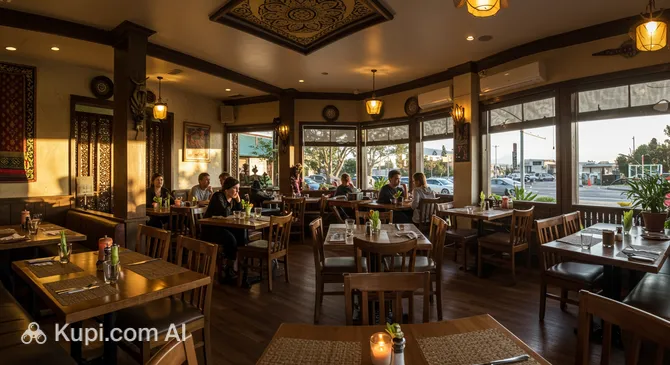
Nakontong Thai Restaurant. Illustration.
Source: Kupi.com AI

Traveler photos:

Among the beverages, local wines and craft beers hold a special place. Small breweries operate in the town and its surroundings, offering unique ales and lagers brewed to original recipes. Non-alcoholic drink lovers will enjoy the local coffee, as the coffee culture in New Zealand is of the highest standard. A legendary "Pavlova" dessert — an airy meringue with whipped cream decorated with slices of kiwi and passion fruit — pairs perfectly with a cup of fragrant flat white.

Food culture in Thames centers around small, atmospheric establishments and street markets. On weekends, residents and tourists flock to fairs for farm honey, craft cheeses, and homemade jams. You can find places for any mood in the town. For example, the popular Cafe Melbourne is great for a relaxed brunch. And if you want a change of scenery to enjoy spicy Asian flavors, Nakongtong Thai Restaurant is worth a visit, serving authentic dishes in a pleasant environment.

Travel Tips

Preparing for a trip to Thames doesn't require complex arrangements, but knowing a few local nuances will make your journey through this historic corner of New Zealand much more comfortable and safe. These practical tips will help you easily blend into the town's rhythm and avoid common tourist mistakes.

  1. Clothing and Weather. The weather in the region can change rapidly, so dress in layers. Even in summer, be sure to bring a light windbreaker or raincoat, as downpours can be sudden. Due to the ozone hole over the country, the sun is very aggressive — high SPF sunscreen, a hat, and sunglasses are mandatory even on cloudy days. For walks on the Kauaeranga Valley trails, comfortable trekking shoes are required.
  2. Transport. The town center is compact and pleasant to explore on foot. However, for trips to natural attractions or the beaches of the Coromandel Peninsula, you will definitely need a rental car. Public transport is limited and not suitable for active tourism. Remember that traffic in the country is on the left, and roads outside the town can be narrow and winding.
  3. Finances. The official currency is the New Zealand Dollar (NZD). Bank cards (Visa, Mastercard) are accepted almost everywhere, including small cafes. However, it's recommended to carry some cash if you plan to visit the Saturday market or buy souvenirs in small shops. Tipping is not mandatory and is purely at your discretion for outstanding service.
  4. Health and Safety. Thames is a safe town, but don't lose your vigilance. The golden rule for road travelers: never leave valuables in your car at parking lots near the start of hiking trails, as car thefts can happen. There are pharmacies in town, but they close early (usually at 5:00–5:30 PM) and are not open 24/7. The emergency services number is 111.
  5. Communication and Connectivity. The primary language is English, but locals will appreciate it if you use simple Maori words, like "Kia Ora" (hello). Mobile signal and 4G work great within the town limits but can disappear in mountains and valleys. We recommend downloading offline maps in advance. It's best to buy a SIM card upon arrival at the airport or at local supermarkets.
  6. Local Etiquette. New Zealanders are very friendly and open; it's customary to greet bus drivers and shopkeepers. A vital part of the culture is respect for nature. Strictly follow waste disposal rules and never step off marked trails in the forest to avoid damaging unique flora, specifically kauri tree roots.
  7. What to Avoid. Don't count on a late dinner. Unlike major cities, kitchens in many Thames restaurants and cafes close as early as 8:00–8:30 PM. If you get hungry late in the evening, choices will be limited to fast food or supermarket purchases. Also, avoid jokes comparing New Zealand to Australia — locals take pride in their uniqueness.
  8. Useful Lifehack. If your visit falls on a weekend, definitely plan Saturday morning for the Thames Market on Pollen Street. It's the best place to have an affordable homemade breakfast, buy fresh fruit for the road, and chat with colorful local characters.

By following these simple recommendations, you can focus on the main thing — enjoying the magnificent landscapes and the unique atmosphere of the gold era that saturates this cozy town. We wish you an unforgettable journey and vivid impressions in Thames!

Entertainment & Nightlife

Nightlife in Thames is characterized by a calm and steady rhythm, perfectly matching the atmosphere of this cozy historical town. You won't find noisy metropolitan clubs with pounding bass and neon lights until dawn here. Instead, evening leisure is about heartfelt conversations, delicious food, and a glass of fine New Zealand wine or craft beer in the company of friends.

The epicenter of evening activity is the town's main artery — Pollen Street. This is where most establishments that stay open after sunset are concentrated. The atmosphere in local bars and restaurants is very casual and friendly: there is no strict dress code, and casual style is appropriate almost everywhere. On weekends, many pubs feature live music ranging from acoustic ballads to classic rock performed by local bands.

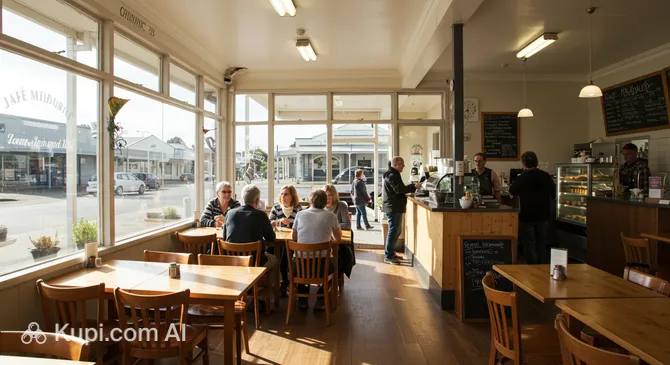
Cafe Melbourne. Illustration.
Source: Kupi.com AI

Traveler photos:

If you are looking for a place with a pleasant atmosphere for an evening wind-down, be sure to visit Cafe Melbourne. This spot is popular with both locals and tourists thanks to its coziness and quality service. For those seeking Eastern flavors, Nakongtong Thai Restaurant is an excellent choice, where you can enjoy a flavorful dinner in a quiet setting. Keep in mind that restaurant kitchens often close quite early, around 8:00–9:00 PM, so it's best not to delay your dinner.

Thames is considered a safe town for evening walks, especially in the central area. The streets are well-lit, and the crime rate is low. However, as with anywhere, basic precautions should be observed. Transportation at night can be tricky: public buses stop running early in the evening. If your accommodation is far from the center, it is recommended to have the numbers of local taxi services ready, as hailing a car on the street at night is virtually impossible.

Daytime entertainment in the town is equally interesting and often reflects its rich history. You can visit an old cinema that has retained its vintage charm or stroll through museums and galleries. Nature enthusiasts will find solace in the local parks and along the waterfront, where you can watch birds by day and witness sunsets of incredible beauty by evening.

Parks & Museums

Thames harmoniously combines its rich industrial heritage with natural beauty, offering tourists not only an immersion into "gold rush" history but also the chance to relax in picturesque green zones. Cultural life here is closely intertwined with the landscape: museums tell the story of the earth's depths, while parks allow you to enjoy views of the bay and mountain ranges.

Among the town's green oases, Victoria Park holds a special place. Located near the center, this park is a classic example of a public space with century-old trees and a historic rotunda bandstand. It is an ideal spot for a family picnic or a quiet read in the shade. For those who prefer more active walks and nature watching, the Thames Coastal Walkway is a must. The route passes through mangroves and wetlands where you can see many native birds, including herons and kingfishers.

For those wanting a deeper understanding of the region's past, the Thames Historical Museum is essential. Its exhibits cover a wide range of topics: from the lives of early settlers and Maori history to the geological features of the area. Here you can see old photographs, tools, and everyday items that recreate the 19th-century atmosphere. The museum is notable for its authenticity and attention to local history details.

Another important cultural site is The Treasury, located in the majestic building of the former Carnegie Library. It is more than just an archive; it is a true research center for the heritage of the Coromandel Peninsula. Tourists are drawn here not only by the building's architecture but also by the opportunity to touch the documentary history of the region — from old maps to the family chronicles of gold prospectors. We must also mention the famous School of Mines, which, while a separate attraction, is essentially an open-air museum demonstrating gold mining technologies.

The architectural face of the town is complemented by preserved buildings in the Grahamstown district, where the shop facades and pubs transport passersby to the Victorian era. A walk through these streets is like visiting a historical gallery in itself.

Insider Tip: For the best panoramic view of the town and the Firth of Thames, climb up to the War Memorial Monument. The ascent may seem steep, but the view from there, especially at sunset, is definitely worth the effort. This is a quiet spot that not all tourists know about, allowing you to see Thames from a completely new perspective.

Getting Around

The public transport system in Thames reflects its status as a small and cozy settlement. You won't find subways, trams, or trolleys typical of metropolises here. The town is quite compact, and its transport network is simple and functional, primarily focused on the needs of locals and connections with neighboring regions.

The main and virtually only form of municipal transport within the town is the bus route known as the Thames Connector. This bus runs on a circular route, connecting the central part of town (including the main Pollen Street), residential areas, supermarkets, and the local hospital. It's a convenient way to get from one part of town to another if you don't want to walk. However, note that trips are not very frequent, and services usually stop in the afternoon.

To pay for bus fares in the Waikato region, which includes Thames, the Bee Card is used. This is a reloadable smart card that allows you to pay for travel contactlessly and often at a better rate than cash. You can purchase and top up the card at local information centers (i-SITE) or from the driver (though card availability on board isn't always guaranteed). Cash is also accepted on the bus, but it's advisable to have small bills or coins, as change from large banknotes can be an issue.

If you plan to use the Thames Connector, it's important to check the schedule in advance. Buses usually don't run late in the evening, and on weekends, the schedule may be reduced or non-existent. The best way to check current departure times and stops is on the official regional carrier's website BUSIT or through navigation apps. The validation procedure is simple: tap the card on the reader (tag on) when boarding and do it again (tag off) when exiting so the system can deduct the correct amount.

Given the modest scale of public transport, taxis and private shuttles are an excellent alternative for getting around town. Local taxi operators work in Thames, but unlike in large cities, it's not customary to "hail" a car on the street. It is recommended to book a trip by phone in advance, especially if you need to travel early in the morning or late at night. Popular international ride-sharing apps may work inconsistently or have no cars available here.

For tourists seeking freedom of movement, renting a car remains the best option. This is especially true if you plan to go beyond the town limits and explore the Coromandel Peninsula. Thames is also a popular spot for cyclists, as the famous Hauraki Rail Trail cycle route begins here. There are bicycle rental points in town, allowing you to combine transport with active recreation and sightseeing in the picturesque surroundings.

In the very heart of the town, especially around the historical Pollen Street, walking remains the most pleasant and efficient way to get around. Distances here are short, sidewalks are convenient, and the lack of heavy traffic makes walking safe and relaxing. Most shops, cafes, and attractions are within walking distance of each other.

Accommodation

Accommodation in Thames perfectly reflects its character — there are no massive, soulless chain hotels here; instead, there is plenty of cozy lodging with a personal touch and famous New Zealand hospitality. Tourists can choose from a wide range of options, from classic motels and historic hotels to charming Bed & Breakfasts (B&Bs) and budget-friendly campsites for nature lovers.

Geographically, accommodation options can be divided into several key zones, each with its own advantages:

  • Town Center and Grahamstown. Staying here puts you within walking distance of cafes, shops on Pollen Street, and historical attractions. This is the best choice for those traveling without a car or who want to be in the heart of the action. You can find unique hotels located in restored 19th-century buildings here.
  • Thames Coast Road. Along the road heading north from the town, there are many motels and cottages. This location is ideal for those who want to fall asleep to the sound of waves and watch sunsets over the bay right from their room's balcony.
  • Kauaeranga Valley. For complete harmony with nature, consider staying deep within the valley. Here, you'll find campsites and huts managed by the Department of Conservation (DOC), which serve as an excellent base for hikers.

The price range in Thames varies from budget to mid-range. Budget travelers can find affordable spots in hostels or holiday parks, where you can pitch a tent or rent a small cabin. The mid-segment is represented by high-quality motels with all amenities and kitchenettes, which are very popular in New Zealand. Those seeking more comfort can find boutique apartments or guest houses offering homey vibes and personalized service.

Booking Tip: Thames is a popular starting point for exploring the Coromandel Peninsula, so during the peak summer season (December to February) and school holidays, demand for accommodation spikes. It is strongly recommended to book your stay several months in advance. To find options, it's convenient to use both large international online platforms and direct booking via motel websites, which can sometimes be more cost-effective.

Nearby Cities

For those who want to explore the surroundings, Thames serves as an excellent starting point for day trips to several interesting nearby locations:

Auckland — the country's largest metropolis, known as the "City of Sails." A trip here offers a vibrant contrast to the quiet atmosphere of Thames. In Auckland, you can ascend the famous Sky Tower for panoramic views, stroll along the bustling Viaduct Harbour with its restaurants, or visit the Auckland Museum to learn more about Maori culture.

Hamilton — a picturesque city located on the banks of the Waikato River. The main attraction here is the world-renowned Hamilton Gardens, where landscape styles from different countries and eras are recreated. It is an ideal place for peaceful walks and picnics surrounded by amazing flora.

Below is information about the nearest cities you can visit:

CityPopulationDistance
Whitianga6 39037 km
Coromandel1 50042 km
Pakatoa Island49 km
Ardmore50 km
Pukekohe East26 30053 km

These nearby destinations offer insight into the diverse culture and landscapes of the region, making your trip even more enriching.

Shopping & Souvenirs

Shopping in Thames is not a chase for luxury brands in massive malls, but rather an exciting hunt for unique items in the atmosphere of good old New Zealand. The town is famous for its vintage charm, making it particularly interesting to search for antiques, collectibles, books, and local artisan products. Trade here is relaxed, encouraging leisurely strolls and chats with friendly shop owners.

The heart of the town's commercial life is Pollen Street. This long thoroughfare runs through the entire town, and most shops are concentrated here. Pay special attention to the northern part of the street, known as the historic Grahamstown district. Here, among restored Victorian buildings, you'll find cozy boutiques with designer clothing, gift shops, and antique stores where you can find real treasures from the last century.

If you need familiar chain stores or supermarkets, head to the Goldfields Shopping Centre. This is a small but functional complex also located on Pollen Street. Here you will find mass-market clothing stores, a pharmacy, a bookstore, and a large supermarket to restock your provisions. It's a convenient place to buy everything you need in one spot.

An integral part of the local flavor is the Thames Market, which takes place on Pollen Street every Saturday morning. This is a magnet for both locals and tourists. On the stalls, you can find fresh farm products, homemade baking, seasonal fruits, as well as plants and handmade souvenirs. The market is famous for its friendly atmosphere and the chance to buy something truly authentic directly from the producers.

For souvenirs from Thames, it's worth bringing back New Zealand wool products, quality ceramics from local potters, or greenstone (pounamu) jewelry. Manuka honey and natural cosmetics based on it are also popular. History buffs will appreciate vintage postcards or small interior items reminiscent of the gold rush days, which are sold in abundance in local antique shops.

Shops in town usually operate Monday to Friday from 9:00 AM to 5:00 PM. On Saturdays, many stores close early, around 1:00 or 2:00 PM, and on Sundays, only major chain stores and some souvenir shops remain open. Bank cards (Visa, Mastercard) are accepted almost everywhere, but it's better to have some cash for purchases at the market.

The Tax Free system (GST refund) in New Zealand works differently than in many European countries. Prices in shops already include a 15% tax. A tax refund upon leaving the country for tourists is generally not provided for standard retail purchases made in town, except in cases where the item is shipped directly abroad by the seller by mail.

Reached the end of the page?

That means the route is fully explored