Support

Great Barrier Island

About

Great Barrier Island, also known by its Māori name Aotea, is a true wilderness sanctuary where time seems to slow down. Sprawled in the waters of the Pacific Ocean, the island offers travelers a rare opportunity to escape the bustle of city life and immerse themselves in an atmosphere of complete seclusion and peace. This place is not like your typical resort: there are no noisy streets here, and the rhythm of life is set by nature itself.

Geographically, the island is located about 100 kilometers northeast of Auckland, at the entrance to the Hauraki Gulf. Although administratively part of the Auckland region, New Zealand reveals itself here from a completely different, untouched side. With an area of about 285 square kilometers, the island's permanent population is less than a thousand people, creating a sense of incredible space and privacy.
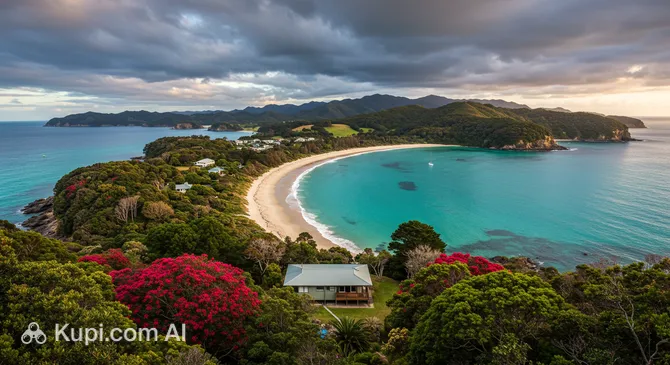
Great Barrier Island. Illustration.
Source: Kupi.com AI

Local residents are true enthusiasts of an eco-friendly lifestyle: electricity here is generated from the sun, and water is collected from roofs. This careful attitude towards resources did not form overnight, and the history of Great Barrier Island is inextricably linked with attempts to preserve this unique corner in its original form. Today, it is an autonomous world where civilization harmoniously coexists with wild flora and fauna.

The island's main attractions are created by nature itself. Dense forests give way to wide golden beaches, and picturesque cliffs sit alongside healing thermal springs. A special pride of the island is its night sky: Great Barrier Island holds Dark Sky Sanctuary status, making it one of the best spots on the planet for stargazing.

If you are looking for inspiration, silence, and the chance to feel like part of a majestic landscape, Great Barrier Island is the perfect destination for your journey. It is a place where you can truly reset and enjoy the beauty of the surrounding world.

Weather Overview

The island's climate is characterized by mildness and an absence of sharp temperature fluctuations, typical for this region of New Zealand. Expect a pleasant, warm summer and a fairly mild but wet winter. Thanks to the ocean's influence, there is rarely sweltering heat or extreme cold, allowing you to plan a trip for almost any season.

Summer months, especially January and February, are the warmest: the average temperature reaches 20.5°C, with daytime highs around 21.5°C. This is the driest time of year, with only about 7 rainy days per month. If detailed weather in Great Barrier Island is important for planning your activities, remember that even in the height of the season, light showers are possible.

In autumn, the temperature gradually decreases from 19.5°C in March to 16.5°C in May, while the number of wet days steadily grows. Winter (June–August) brings cooler weather: average figures drop to 13.6–14.9°C, and nights become fresh—around 13°C. This is the wettest period, when it can rain up to 15 days a month, so waterproof clothing is a must for a winter trip.

Spring pleases with a gradual warming: by November, the average temperature rises to 16.8°C, and the number of rainy days decreases to 10. During this time, the island's nature comes alive, offering comfortable conditions for walks and exploring local beauties before the peak summer season arrives.

Average monthly temperature

Average monthly precipitation

Interesting Facts

Great Barrier Island is a place where history intertwines with unique natural phenomena, creating an unforgettable atmosphere. Beyond its picturesque landscapes, the island holds many fascinating facts and stories that make a journey here even more meaningful.

  • The world's first dark sky island. Great Barrier Island gained fame for being the first island on the planet to officially receive International Dark Sky Sanctuary status. There is a complete lack of city light pollution here, creating ideal conditions for observing the stars and the Milky Way.

  • Cook's protective barrier. The island received its English name thanks to the legendary Captain James Cook. The navigator aptly dubbed it a "barrier," noticing that this land serves as a natural shield protecting the Hauraki Gulf from harsh ocean storms.

  • Industrial heritage. In the 19th century, this quiet natural oasis was a center for active copper mining and the harvesting of valuable New Zealand kauri pine. Traveling along forest trails, you can still stumble upon traces of old mines and artifacts from those times.

  • Traditions and festivals. The island is famous for its close-knit community, where modern customs and Māori culture are closely intertwined. Every year, the Aotea Live festival takes place—a vibrant event with music, workshops, and tastings of local dishes, reflecting the hospitable spirit of the residents.

How to Get There

Great Barrier Island is an island paradise tucked away from the bustle of metropolises, so the journey here becomes a small adventure in itself. Since the island is separated from the North Island by a strait, you can only get here by air or water. We recommend checking all the ways to get to Great Barrier Island in advance to choose the most convenient route. Below, we look at the main transport hubs through which tourists most often arrive.

The main gateway for travelers is Auckland Airport (AKL), located in the city of Auckland. It is the country's largest international hub, receiving flights from all over the world. The airport is approximately 105 km from Great Barrier Island. It is important to note: since the destination is an island, it is impossible to get there directly by taxi or bus. From Auckland Airport, you will either need to transfer to a local airline flight (the flight in a light aircraft takes about 30-35 minutes) or travel to the ferry terminal in the city center for a sea crossing.

As an alternative, you can consider Whangarei Airport (WRE), which is located in the city of Whangarei, also at a distance of about 106 km. This is a regional airport with much less passenger traffic, providing a calmer atmosphere but fewer connecting flights. As with Auckland, direct land transfer to the island is impossible—you will need to arrange a further flight or complex logistics with transfers.

For clarity, here is summary information on the main airports located in relative proximity to the region:

AirportPassenger trafficDistance
Auckland Airport18.7 mln105 km
Whangarei Airport135 000106 km
Kerikeri Airport110 000171 km
Tauranga City Airport550 000177 km
Hamilton International Airport371 000185 km

There is no direct rail connection to Great Barrier Island due to its geographical location. Trains in New Zealand only run on the main islands (North and South). Tourists can use the railway to get to Auckland from other cities in the country (for example, on the Northern Explorer train), but the final leg of the journey to the island must be completed by plane or ferry anyway.

Main Attractions

Great Barrier Island is a treasure trove of natural wonders, where every attraction allows you to dive deeper into the island's unique ecosystem. You won't find pompous museums or entertainment centers here, but there are places whose beauty will take your breath away. Here are a few key locations that are definitely worth including in your travel itinerary.

One of the most visited natural spa areas is the Kaitoke Hot Springs. The path to them lies through a picturesque flat trail surrounded by manuka and fern thickets, which is a pleasant walk in itself. At the end of the journey, natural hot water pools await tourists, where you can relax and regain strength right in the middle of the forest. This place is ideal for those seeking solitude and wanting to feel the healing power of nature.

For fans of active recreation and breathtaking panoramas, climbing Mount Hobson (Hirakimata) is a must. This is the highest point on the island, rising 621 meters above sea level. The ascent requires some effort, but the reward is incredible 360-degree views: from the summit, you can see the entire island, the rugged coastline, and the endless ocean. Additionally, this area is home to rare black petrels, and meeting them can be a real stroke of luck for a naturalist.

The geological wonder of the island, Windy Canyon, also deserves attention. This place strikes the imagination with its sheer volcanic cliffs of whimsical shapes, which stand like guardians over the valley. A fairly short walk up the steps will lead you to observation decks offering perhaps one of the most photogenic views of the east coast. Here, the power of ancient volcanic processes that formed this landscape is felt particularly strongly.

If you are looking for a classic New Zealand-style beach holiday, head to Medlands Beach. This is one of the island's most popular beaches, with golden sand and excellent surfing conditions. The spot attracts both wave catchers and families looking to spend a day by the ocean. Spacious and clean, it gives a sense of freedom and allows you to enjoy the beauty of the Pacific Ocean away from the crowds of tourists.

Local Cuisine

Great Barrier Island's gastronomy is a genuine harmony of freshness, simplicity, and deep respect for nature. You won't find pretentious fine-dining restaurants here, but you will be able to enjoy products whose journey from source to plate is minimal. The main heroes of the local table are, undoubtedly, the gifts of the ocean. Mussels, oysters, and the freshest fish caught off the island's shores form the basis of the menu. A special place is held by crayfish, which are rightly considered a "delicacy for the few" here. It's not uncommon for fishermen to sell their catch right off the boats, guaranteeing unsurpassed quality.

To touch the ancient traditions of New Zealand, you should definitely try dishes prepared using the hāngī method. This is a Māori culinary heritage where meat, fish, and vegetables are slowly steamed in an earth oven on red-hot stones. This method gives the food a unique smoky aroma and tender texture. Hāngī is most often prepared during local festivals or family celebrations, but tourists also get the chance to appreciate this unique flavor at cultural events.

Among drinks, Island Gin has become a true calling card of the island. This craft gin is produced right here, using pure island water and local botanicals, giving it a special character. The drink is very popular with both locals and connoisseurs of artisanal spirits wishing to take a piece of Great Barrier Island's flavor home with them.

The island's food culture encourages leisure and connection with nature. Instead of indoor restaurant halls, many prefer picnics on the beach at sunset or visiting farmers' markets. Here you can buy homemade pastries, fresh vegetables and fruits, as well as the famous local honey. Thanks to the island's unique flora, it is particularly rich and fragrant. Gastronomic festivals and simple open-air dinners are an integral part of island life, turning every meal into a small celebration.

Travel Tips

Great Barrier Island is a unique world away from civilization, where thorough preparation plays a key role in the quality of your vacation. Since the island lives "off-grid," many common city amenities may be unavailable, but that is exactly what gives the place its special charm. To ensure your trip goes perfectly, we've gathered the most important practical recommendations.

  1. Clothing and Equipment. The weather on the island is changeable, so layering is your best friend. Be sure to bring a waterproof windbreaker and comfortable trekking shoes for forest walks. Don't forget swimwear for the hot springs and, most importantly, a powerful flashlight. Street lighting is virtually non-existent here to preserve the dark sky, so you can't do without your own light source in the evening.
  2. Transport. There is no public transport like buses or Uber here. The only reliable way to get around is by renting a car, which must be booked in advance (the number of cars is limited). Be prepared to drive on narrow, winding, and often gravel roads. Local shuttles exist but run infrequently and require pre-booking.
  3. Finances. The official currency is the New Zealand dollar. While cards are accepted in many places, it is strongly recommended to have a sufficient supply of cash. There are very few ATMs on the island, and internet or power outages can make card payments impossible. Note that prices for food and fuel here are noticeably higher than on the mainland.
  4. Health and Safety. There is no 24-hour hospital on the island; only a medical center with limited hours. Be sure to bring a first-aid kit with all the medications you need, as a pharmacy may not be nearby. The island is safe, but be careful when swimming at wild beaches: lifeguards are often absent, and currents can be strong.
  5. Communication and Navigation. The main language of communication is English. Be prepared for mobile signals and mobile internet to be unstable and not available everywhere (coverage often drops in low-lying areas). Be sure to download offline maps before your trip. Free Wi-Fi is a rarity, usually only available at the library or some cafes.
  6. Local Etiquette and Resources. Great Barrier Island is "off-grid," meaning it's not connected to a central power network. Residents use solar energy and rainwater. The norm of politeness here is strict resource conservation: don't leave lights on unnecessarily and take quick showers. It is also customary to greet drivers of oncoming cars with a wave.
  7. What to Avoid. Categorically avoid ignoring the shoe cleaning stations at forest trail entrances. This is critical for protecting kauri trees from a deadly disease spread through soil. Also, never light fires in unauthorized places—the risk of forest fires on the island is very high, and this is viewed very negatively by locals.
  8. Useful Tip. If you plan to cook for yourself, it makes sense to buy basic groceries (pantry staples, snacks, specialty foods) back in Auckland before your flight or ferry crossing. The range in local shops is limited, and stock arrivals depend on weather and transport schedules.

Great Barrier Island teaches travelers to slow down and appreciate simple joys. By following these tips, you can avoid everyday inconveniences and fully devote yourself to contemplating the incredible nature of this wild corner that New Zealand offers.

Entertainment & Nightlife

Nightlife on Great Barrier Island is strikingly different from the usual rhythm of big cities. You won't find neon signs, noisy clubs, or discos until dawn here. Instead, the island offers an atmosphere of coziness, where evenings are dedicated to live conversation, delicious food, and contemplating nature. Most social activity is concentrated in the settlements of Tryphena and Claris, and it's worth noting that most establishments close quite early—usually around 10:00 PM.

A magnet for locals and tourists alike is the Currach Irish Pub, located in Stonewall village. This colorful place harmoniously intertwines Irish traditions with New Zealand's relaxed style. The pub is known for its craft beer, hearty dinners, and friendly atmosphere. Live music—ranging from folk to modern covers—often plays in the evenings, and the dress code remains extremely casual: tourists in hiking gear feel just as comfortable here as the regulars.

Another popular meeting spot is the Great Barrier Social Club in the Claris area, which locals simply call "The Club." This venue, with its simple interior and affordable prices, allows you to immerse yourself in the authentic island environment. Also worth visiting is Tipi and Bob's Waterfront Lodge in Tryphena. It features a bistro-bar overlooking the harbor, where you can try fresh seafood dishes or enjoy an evening cocktail while admiring the sunset over the water.

The island's main "night show" is rightfully considered stargazing. Its status as an international Dark Sky Sanctuary guarantees an incredible experience: the Milky Way is visible here with startling clarity thanks to the complete absence of light pollution. Medlands and Awana beaches are excellent locations for contemplating the night sky. However, remember that street lighting on the island is virtually non-existent, so a powerful flashlight is an essential accessory for any walk after sunset.

Safety and logistics require special attention. There are no taxi services like Uber on the island, and public transport does not run at night. The roads here are narrow, winding, and unlit; moreover, birds or livestock often wander onto the roadway. If you plan to visit a bar, arrange a transfer with your accommodation hosts in advance or designate a "sober driver" in your group.

During the day, the entertainment program is more tranquil and cultural. It's worth stopping by the Aotea Community Art Gallery in Claris, which showcases works by local artists inspired by the island's nature. Adventure seekers can spend time sea fishing, surfing, or kayaking, which are considered some of the best in the region and allow you to see the island from the water.

Parks & Museums

Great Barrier Island is not the kind of place where you'll find typical manicured squares with mown lawns; the entire island is one huge natural sanctuary where the boundaries between civilization and the wild are virtually non-existent. Cultural heritage here is closely intertwined with the history of land development and the creative spirit of local residents, reflected in small but soulful museums and galleries.

The heart of the island's natural wealth is the Aotea Conservation Park. It covers more than 40% of the island's territory and is a vast zone of untouched forest where ancient kauri and rimu trees have been preserved. It is an ideal place for those who want to see the true, wild flora that New Zealand is famous for. Numerous hiking trails of varying difficulty wind through the park, allowing tourists to observe rare birds such as the kākā parrot or the brown teal (pāteke) in their natural habitat.

Another important ecological zone is the Glenfern Sanctuary, located in the north of the island near Port FitzRoy. This is a fenced, predator-free area where active work is being done to restore local species populations. Visitors can walk across a suspension bridge leading right into the crowns of ancient trees and enjoy panoramic views of the sunset. A tour here is an opportunity to learn more about the efforts of local residents to preserve the region's unique ecosystem.

To learn about the island's history, the Great Barrier Island Heritage & Village Museum, located near Claris, is a must-visit. This open-air complex contains artifacts telling of the island's harsh past: the eras of copper mining, logging, and whaling. Here you can see old photographs, restored buildings of the first settlers, and everyday items that help you understand how people lived in isolation from the mainland over a hundred years ago.

The island's cultural life is vividly illustrated by the Aotea Community Art Gallery. Since the island attracts many creative individuals, this gallery has become a center for local art. It exhibits works in ceramics, wood, textiles, and painting, created exclusively by Great Barrier residents. It's not just an exhibition space, but a place where you can purchase a unique souvenir and chat with the artists, who often staff the hall themselves.

History buffs will be interested in finding the burial sites of the SS Wairarapa shipwreck victims, one of the most tragic maritime disasters in the country's history. Small memorials and cemeteries located in the bays in the north of the island serve as a quiet reminder of the ocean's power and the resilience of the human spirit. Visiting these sites adds depth to your journey and allows you to touch hidden pages of Aotea's past.

Getting Around

The transport system on Great Barrier Island is fundamentally different from what city dwellers are used to. It's worth noting immediately: you won't find a metro, trams, trolleybuses, or regular city buses with fixed routes here. This is an island with low population density and wild nature, so the concept of public transport here is adapted to the needs of a small community and tourists. Getting around requires forward planning, as it's almost impossible to spontaneously catch a car or find a bus stop here.

The role of public transport is fulfilled by private shuttles and transfer companies. They mainly run between key transport hubs—the airfields in Claris and Okiwi, as well as the ferry wharves in Tryphena and Port FitzRoy. It's important to understand that these minibuses rarely run on a strict "every 15 minutes" schedule. Most often, they are timed to the arrival of planes and ferries. To use their services, you must arrange with drivers in advance or book a seat through your accommodation.

The fare payment system here is as simple and conservative as possible. No city transport cards (like those used in the region's major cities) or mobile payment apps work here. Payment is made directly to the driver. We strongly recommend carrying cash, preferably in small bills. Although some operators may have card terminals, unstable mobile signals and power outages often make cashless payments impossible. The fare is fixed and depends on the distance; prices are usually higher than the regional average due to the high cost of fuel on the island.

The most popular and reliable way for tourists to get around remains renting a car. This gives you freedom and independence from private carrier schedules. You can rent a car directly on the island, but given the limited fleet, you should do this several weeks or even months before your trip. Local roads are narrow, winding, and often unpaved, so drivers should be extremely cautious. Conventional taxi services like Uber or Bolt do not exist here, but locals sometimes provide private transport services by arrangement.

An interesting feature of Great Barrier Island is the prevalence of hitchhiking. Thanks to the friendly and close-knit community, it's perfectly normal to raise a hand on the road, and locals are happy to give travelers a lift. This is considered a safe and even encouraged way of getting around, allowing you to get to know the local flavor. However, you shouldn't rely solely on hitchhiking if you have a tight schedule or are carrying a lot of luggage.

For fans of active recreation, renting a bicycle is a great alternative, with electric bikes (e-bikes) being particularly popular for handling the island's hilly terrain. Rental points are available in the main settlements. It is important to remember that there is no street lighting on the roads to preserve the dark sky, so if you plan to move around after dark (on foot or by vehicle), having a powerful flashlight and reflective clothing is a mandatory safety requirement.

Accommodation

Accommodation on Great Barrier Island is an integral part of the adventure that New Zealand offers. You won't find typical chain hotels, high-rise buildings, or "all-inclusive" resorts here. Instead, the island offers an immersion into the authentic "Kiwi lifestyle." The housing stock mainly consists of cozy private holiday homes, known locally as "baches," small family lodges, eco-resorts, and campgrounds. This allows tourists to choose between complete unity with nature and a comfortable stay with local flavor.

When choosing a place to stay, it is important to consider the island's geography, as traveling between areas can take time. The most developed and convenient area is Tryphena in the south. Most cafes and shops are concentrated here, and it is the location of the ferry terminal, making it an ideal base for those who want to be closer to civilization. Beach lovers should look at the Medlands area, located by one of the island's most beautiful beaches. For those seeking maximum seclusion and proximity to forests, the northern part of the island, such as the area around Port FitzRoy, is perfect.

A feature of local housing is its autonomy. Since the island is not connected to a central power grid, many accommodations (from modest huts to luxury lodges) run on solar energy. Tourists should be prepared to use electricity and water sparingly. However, this is compensated for by the unique design of many hotels, which strive to blend buildings organically into the surrounding landscape, whether it's a treehouse or a villa with panoramic ocean views.

Booking Tip: Accommodation on Great Barrier Island is in high demand, especially during the peak summer season (December to February) and long weekends. Availability is limited, so it is highly recommended to book your stay several months in advance. Finding a free room spontaneously in the height of the season is almost impossible here.

The price range varies from budget to high-end. The most affordable option is the Department of Conservation (DOC) campgrounds, where you can stay in a tent for a nominal fee. The mid-range is represented by private house and apartment rentals, and for discerning travelers, exclusive eco-lodges with full service and premium prices are available. Bookings are most often made through popular online platforms or directly through the owners' websites, which often allows you to discuss transfer and meal details in advance.

Nearby Cities

For those who want to explore the surroundings, Great Barrier Island serves as an excellent starting point for day trips to several interesting nearby places:

Auckland is the country's largest city, located just a 30-minute flight from the island. This is an ideal place for those who want to swap the silence of nature for the rhythm of a metropolis for a day. Here you can visit the famous Sky Tower, enjoy shopping and fine dining in the Britomart district, or stroll along the picturesque Viaduct Harbour waterfront.

Waitakere attracts travelers with its wild landscapes and natural power. The city is famous for the Waitakere Ranges with their dense subtropical forests and waterfalls, as well as legendary black volcanic sand beaches like Piha, which are popular with surfers and photographers.

Manukau offers great opportunities for family holidays and cultural discovery. The extensive Auckland Botanic Gardens are located here, where you can spend several hours among exotic plants, as well as the Rainbow's End amusement park. The area is also known for its colorful markets reflecting the multicultural spirit of the region.

CityPopulationDistance
Kawau Island7255 km
Coromandel1 50063 km
Pakatoa Island69 km
Whitianga6 39075 km
Northcote205 60590 km

These nearby destinations provide an insight into the region's diverse culture and landscapes.

Shopping & Souvenirs

General Overview: Shopping on Great Barrier Island is fundamentally different from the usual urban experience. People come here not for brand-name clothing or the latest electronics, but for unique handmade items and eco-friendly products. There are few shops on the island, and most of them are small family-run stores or galleries. The range of goods here is dictated by a philosophy of sustainable development and love for nature: tourists will find many natural cosmetics, local delicacies, and art objects created by local masters.

Main Shopping Areas/Streets: There are no shopping streets in the classic sense on the island. All commercial activity is concentrated in a few small settlements. The main hub is Tryphena, where the primary grocery stores, souvenir shops, and cafes are located. The second important spot is the Claris area, near the airfield; here you can find a convenience store, post office, and an art gallery selling the work of local creators. In the Port FitzRoy area, the choice is limited to a small general store mainly catering to yachties.

Shopping Centers: It's important to know that Great Barrier Island completely lacks shopping centers, malls, and chain supermarkets. All trade is conducted in small, detached buildings. This is part of the island's charm: instead of faceless display windows, you'll find cozy premises where owners often know every customer by name and are ready to tell the story behind every item.

Markets: Market culture is the heart of the island's social life. The most popular is the Stonewall Market in Tryphena, which runs on Saturday mornings, especially actively during the summer season. Here, locals sell fresh vegetables and fruits from their gardens, homemade pastries, seedlings, and handicrafts. It's the best place to chat with islanders and feel the true spirit of the community. Small fairs are also periodically held in Claris, timed to coincide with local holidays.

Souvenirs: You should bring back something that New Zealand and this island specifically are proud of. Primarily, this is the famous mānuka honey and bee products, as the local bee population is considered one of the healthiest in the world. A great gift would be craft Island Gin, infused with local herbs, or natural cosmetics based on local plants (Great Barrier Island Bee Co). Art lovers should look out for ceramics, textiles, and paintings of island landscapes sold at the Community Art Gallery.

Working Hours and Payment: Shops on the island live by "island time." They usually open around 9:00 AM and close quite early—at 5:00 PM—and may have reduced hours on weekends. Lunch breaks are common in small shops. Regarding payment, while terminals are available in many places, cash is vital. Due to connection issues or power outages (the island operates off-grid), electronic payments are often unavailable. There are very few ATMs on the island, so stock up on cash in advance.

Tax Free: The Tax-Free refund system does not operate on the island itself. Great Barrier Island is part of the country's domestic territory, and there are no specialized GST (Goods and Services Tax) refund points here. You can only arrange a tax refund for large purchases when departing the country at an international airport, subject to certain conditions and having receipts.

Reached the end of the page?

That means the route is fully explored