Support

Whitianga

About

Whitianga is a charming resort town that is rightfully considered the main jewel of the Coromandel Peninsula. Situated on the picturesque coast of Mercury Bay, this cozy corner of New Zealand attracts travelers with its wonderful blend of a relaxed atmosphere and magnificent natural landscapes. Here, green hills transition smoothly into golden beaches, creating the perfect backdrop for those dreaming of an escape from the city bustle.

Despite its small population of about 6,390 people, the town boasts a well-developed tourist infrastructure while maintaining an intimate and friendly feel. Thanks to its geographical location and mild climate, Whitianga has become a hub for water sports, fishing, and beach holidays.
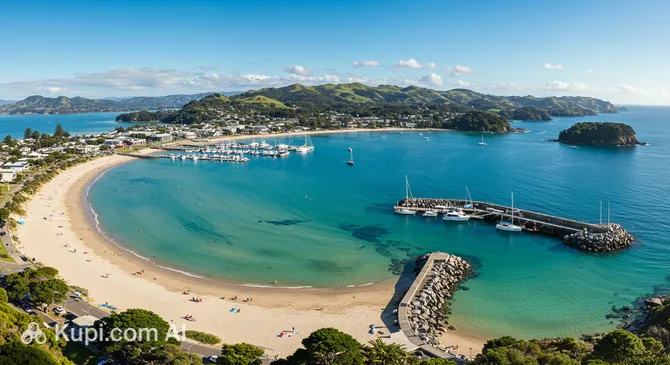
Whitianga. Illustration.
Source: Kupi.com AI

The town has deep roots dating back to the first encounters between European explorers and the indigenous population. The fascinating history of Whitianga is inextricably linked with the name of Captain James Cook and Maori culture, giving this place a special character that can be felt even during a simple stroll along the waterfront or a visit to historical sites.

Whitianga serves as an ideal base for exploring the region's main natural wonders. Boats depart from here to the famous Cathedral Cove, and just a few minutes' drive away is the unique Hot Water Beach, where you can dig your own hot pool in the sand. Within the town itself, guests can recharge at the luxurious The Lost Spring thermal complex or enjoy the freshest seafood at local restaurants.

Come to Whitianga to experience true Kiwi hospitality and recharge with the ocean's energy. This town will give you warm memories, whether it's a romantic weekend, a family vacation, or an exciting outdoor adventure.
Weather Overview

Weather:

Whitianga's climate is mild and temperate, making the town an attractive destination for travelers at any time of year. The warmest period is during the summer months: in January and February, the average temperature is about 20°C, with daily highs reaching 21.8°C. This is the ideal time for swimming and walking, although even in summer you should be prepared for precipitation—on average, about 10 rainy days are recorded per month.

Winter brings cooler weather but no harsh frosts. In July and August, the average temperature drops to 12.3°C–12.4°C, and nightly lows stay around 11°C. Expect comfortable, warm summers and mild but fairly wet winters when the number of rainy days increases to 14 per month. To choose the best dates for your trip, the detailed weather in Whitianga will help you more accurately plan your outdoor activities.

Average monthly temperature

Average monthly precipitation

Interesting Facts

In addition to the main attractions, Whitianga holds many fascinating secrets and stories that make this town truly special. Here are a few facts that reveal the unique character of this place, where the heritage of explorers and natural wonders intertwine.
  • Historical meeting of civilizations. Whitianga is one of the oldest sites connected to the region's European history. It was here in 1769 that the famous Captain James Cook landed. This event forever changed the fate of the peninsula, and the popular Cooks Beach was named in honor of the navigator.

  • A tropical paradise in the town center. The town is famous for its unique The Lost Spring hot mineral pools. This spa complex is designed in the style of the Pacific Islands and is literally surrounded by real jungle, creating an atmosphere of total seclusion that is considered one of the best on the entire North Island.

  • Gateway to the world of cinema. Whitianga serves as the main starting point for boat trips to the famous Cathedral Cove and Hahei Bay. These places, with their majestic rock arches and turquoise water, have become settings for many films and commercials. These journeys often begin where the Whitianga Wharf is located, connecting the town with the vast ocean.

  • Gastronomic capital of the coast. Every year, the town turns into a gourmet paradise thanks to the seafood and wine festival. This event brings together the best local producers and artisans, allowing guests to enjoy the freshest delicacies and live music right on the ocean shore.

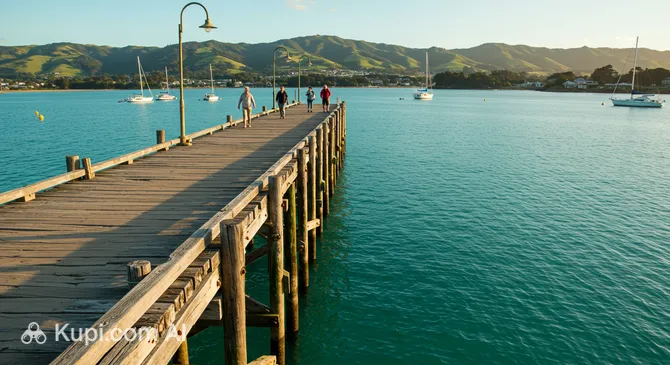
Whitianga Wharf. Illustration.
Source: Kupi.com AI

Traveler photos:

How to Get There

When planning a trip to the picturesque Coromandel Peninsula, it is important to think about your route in advance. Whitianga is located in a secluded bay, so most tourists arrive in the region via the major transport hubs of neighboring cities and then continue their journey by car or bus. You can find out more about how to get to Whitianga and choose the most convenient option for you.

The main air gateway for travelers is Auckland Airport (AKL). It is located in the city of Auckland, approximately 83 km from Whitianga (in a straight line across the bay). This is the country's largest international airport, receiving flights from all over the world. The journey from here to the resort by taxi or rental car will take about 2 hours and 30 minutes, as the road winds around the coast.

An alternative option is Tauranga Airport (TRG), located in the city of Tauranga, at a distance of 102.7 km. This is a regional airport, convenient for those already traveling around New Zealand. The trip from here to Whitianga will take approximately 3 hours.

You can also consider Hamilton Airport (HLZ) in the city of Hamilton (about 119 km from the destination). The travel time by car will be approximately 3 hours and 20 minutes.

For convenience, here is summary information for the main airports:
AirportPassenger trafficDistance
Auckland Airport18.7 mln83 km
Tauranga City Airport550 000103 km
Hamilton International Airport371 000119 km
Rotorua International Airport219 948152 km
Whakatane Airport25 000161 km

Main Attractions

Attractions:

Whitianga and its surroundings offer travelers an incredible variety of experiences, from relaxing in thermal waters to walking through locations that served as sets for famous films. This region is famous for its natural wonders, which attract thousands of tourists from all over the world every year.

One of the town's most famous and luxurious locations is The Lost Spring. These are unique geothermal pools surrounded by lush tropical vegetation and waterfalls. The water here rises from a depth of over 600 meters and is rich in minerals. A visit to this place allows you to forget the hustle and bustle and enjoy an atmosphere of total peace without leaving the town.

No trip to this region is complete without a visit to the famous Cathedral Cove. The majestic limestone arch connecting two secluded beaches has become the hallmark of the Coromandel Peninsula. This place gained worldwide fame after the filming of "The Chronicles of Narnia." You can get here on foot via a picturesque trail or by boat, enjoying coastal views from the water.

Whitianga Wharf. Illustration.
Source: Kupi.com AI

Traveler photos:

The heart of town life and an important historical site is the Whitianga Wharf. This lively spot serves not only as a departure point for fishing charters and the ferry but also as a popular area for walks. The wharf offers a wonderful view of the harbor, and children (and adults) often enjoy jumping into the clear water at high tide. It is always buzzing with life, and many of the tourists' marine adventures begin here.

Another natural phenomenon located nearby is Hot Water Beach. It is one of the few places on the planet where you can dig your own spa pool right in the sand. Hot springs come close to the surface, and at low tide, the beach fills with people with shovels wanting to enjoy a warm mineral bath on the ocean shore.

Local Cuisine

Whitianga is a true paradise for gourmets, especially those who appreciate the freshest gifts of the sea. Thanks to its coastal location, the local menu is centered around fish and shellfish, which often reach restaurant kitchens just a few hours after being caught. The main delicacy of the region is rightfully considered to be the famous New Zealand green-lipped mussels (green-lipped mussels). They are worth trying in their classic form—steamed with garlic sauce or baked under a cheese crust.

In addition to mussels, local establishments are famous for their magnificent oysters and traditional fish and chips, which is prepared here from the fresh catch rather than frozen products. For a hearty lunch, New Zealand pies with various fillings are perfect, ranging from seafood to tender lamb. This is simple but incredibly delicious food that can be bought at bakeries and cafes throughout the town.

The town's gastronomic culture is closely intertwined with winemaking. Seafood dishes are perfectly complemented by wines from neighboring wineries such as Purangi Estate and Mercury Bay Estate. Tastings often take place right in the vineyards, but even in town establishments, you will always be offered a glass of local white wine that perfectly highlights the flavor of the fish.

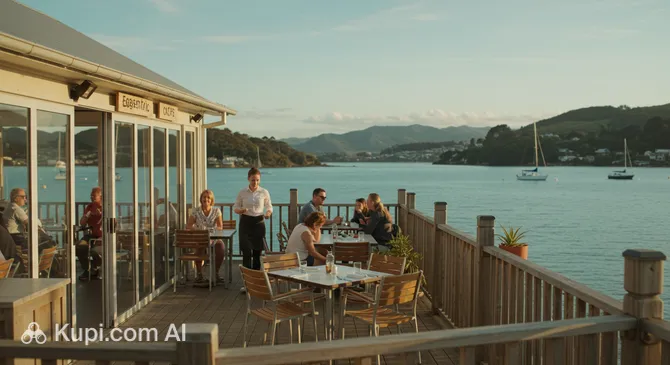
The atmosphere in Whitianga's restaurants is relaxed and friendly, without unnecessary pretension. Locals and tourists love to dine on outdoor terraces or visit farmers' markets that sell homemade cheeses, vegetables, and fruit. A great example of a cozy establishment with a warm atmosphere is the Eggsentric Café and Restaurant, where delicious food is combined with a creative approach.

If you're lucky enough to be in town during one of the culinary festivals, be sure to try Maori cuisine. Of particular interest is the traditional "hangi" cooking method, where food is slow-cooked in a special earth oven, acquiring a unique smoky aroma and tender texture.

Travel Tips

Welcome to sunny Whitianga! To make your journey through this picturesque corner of the Coromandel Peninsula as comfortable and carefree as possible, we have prepared a list of important practical recommendations that will help you feel at home here and avoid typical tourist mistakes.

  1. Clothing and Sun Protection. Coastal weather is changeable, so even in summer (December–February), it's worth having a light windbreaker or fleece for the evenings. The most important rule in New Zealand is protection from UV rays: the ozone layer here is thin, and you can get burned in 15 minutes. Be sure to bring sunscreen with a high SPF (50+), a hat, and quality sunglasses.
  2. Transport Logistics. In Whitianga itself, public transport is practically non-existent, but the town center is compact and easy to explore on foot. To explore the surrounding beaches, it's best to rent a car. Don't forget to actively use the passenger ferry to Ferry Landing—it's the fastest and most scenic way to get to Cooks Beach, avoiding a long detour by highway.
  3. Money and Payments. The official currency is the New Zealand Dollar (NZD). Bank cards (Visa, Mastercard) are accepted almost everywhere, from restaurants to souvenir shops. However, if you plan to visit farmers' markets or buy fresh fruit at roadside stalls, it's better to have some cash on hand. Tipping is not mandatory, but rounding up the bill or 5–10% for excellent service is always appreciated.
  4. Health and Pharmacies. Whitianga is a safe town, but keep in mind that it is not a metropolis: there are no 24-hour pharmacies here. Most pharmaceutical outlets close at 5:00–5:30 PM and do not work on Sundays, so take care of your personal medicine supply in advance. Tap water is safe to drink. The single emergency number is 111.
  5. Communication and Language. The primary language is English, but locals often use the Maori greeting "Kia Ora" (hello). Map apps (Google Maps) work well, but the signal may drop on remote beaches. It's best to buy a local operator's SIM card (Spark, One NZ) immediately upon arrival at the airport or in city supermarkets. Free Wi-Fi is available in many cafes and the city library.
  6. Local Etiquette. "Kiwis" (New Zealanders) are known for their friendliness and informal attitude toward life. It is customary to greet bus drivers, shopkeepers, and even passers-by on trails. In public places and cafes, a relaxed atmosphere prevails, and there is no strict dress code. However, keeping things clean is the law: littering in nature is considered the height of disrespect.
  7. What to Avoid. Never ignore warning signs on beaches and do not swim alone in unmonitored areas—ocean rip currents can be very strong. It is also strictly discouraged to collect shellfish (mussels, oysters) or catch fish without knowing the local rules and limits (size and quantity)—fines for violating bioresources are very high.
  8. Important Tide Advice. Life in Whitianga is closely linked to the ocean. If you plan to visit the famous Hot Water Beach to dig your own pool, or walk to some bays, be sure to check the tide tables. The hot springs are only accessible for two hours before and after low tide; at other times, they are hidden under water.

By following these simple tips, you can avoid minor organizational issues and fully immerse yourself in an atmosphere of relaxation and adventure. Whitianga is an incredibly hospitable place, and by showing a little respect for local rules and nature, you will receive unforgettable memories of your holiday on the shores of the Pacific Ocean in return.

Entertainment & Nightlife

Whitianga's nightlife differs from that of noisy metropolises: you won't find huge night clubs with neon signs operating until dawn here. Instead, the town offers a cozy, relaxed atmosphere of coastal pubs, gastro-bars, and restaurants where you can enjoy live music, local wine, and conversation. Evening entertainment here is imbued with the "Kiwi" spirit—simple, sincere, and hospitable, perfect for ending a day on the coast.

The hub of evening activity is the main Albert Street and the waterfront area. It is here, near the Whitianga Wharf, that most popular establishments are concentrated. In the evening, this area comes alive as tourists and locals gather to watch the sunset overlooking the harbor. Local pubs, such as the historic The Whitianga Hotel or the lively Smitty’s Sports Bar, often host cover bands and DJs on weekends, creating a great mood for dancing.

The Eggsentric Café and Restaurant deserves special attention. This iconic establishment is located on the other side of the bay, near the Ferry Landing. It is famous for its unique artistic atmosphere and regular live music concerts—from jazz to rock. You can get here from central Whitianga by passenger ferry in just a few minutes, adding the romance of a boat trip to your evening.

Eggsentric Cafe and Restaurant. Illustration.
Source: Kupi.com AI

Traveler photos:

The atmosphere in Whitianga's establishments is very casual. There is practically no strict dress code: "smart casual" is appropriate in any restaurant, and in many bars, guests in neat shorts and sandals are perfectly welcome. It’s worth noting that kitchens in most places close around 9:00–9:30 PM, although the bars themselves may stay open until midnight or 1:00 AM on Fridays and Saturdays. The average cost of a cocktail or a glass of wine ranges from 12 to 18 NZD.

In terms of safety, Whitianga is a very peaceful place. The town center and waterfront are well-lit and safe for night walks. However, public transport does not run at night. If you plan to stay out late or your accommodation is far from the center, it is highly recommended to save the number of a local taxi service in advance, as hailing a car on the street or calling one via an app can be problematic.

For those who prefer a quieter leisure activity, the town has the cozy Mercury Twin Cinemas, where you can watch the latest releases in a comfortable setting. Daytime entertainment is also diverse and includes visiting museums, galleries, and active recreation on the water, which flows smoothly into relaxed evening gatherings.

Parks & Museums

Whitianga harmoniously combines magnificent natural landscapes and a rich cultural heritage, offering tourists not only beach holidays but also fascinating walks through historical sites. Green spaces here flow seamlessly into golden coastlines, and local museums carefully preserve the memory of the first encounters between Europeans and Maori.

Among the natural areas, the Buffalo Beach Reserve deserves special attention. This is a picturesque park area stretching along the town's main beach. There are convenient walking paths, picnic areas in the shade of sprawling trees, and playgrounds. It's the perfect place to enjoy the sea breeze while watching the boats in Mercury Bay.

For those seeking panoramic views, the Shakespeare Cliff Scenic Reserve is a must-visit. Located just a short drive from the center (or a quick ferry crossing), this park offers walking trails leading to the cliff top. The lookout point provides a breathtaking view of the bay and Cooks Beach. This place is also historically significant: it is believed that Captain Cook observed the transit of Mercury from here.

The main guardian of the region's history is the Mercury Bay Museum. It is located in the historic building of an old dairy factory, built in the 1920s, right across from the wharf. The museum's exhibits fascinatingly tell the stories of seafaring, Maori culture, the era of kauri logging, and gum digging. It is one of the best places to understand how the unique character of the Coromandel Peninsula was formed.

Whitianga Wharf. Illustration.
Source: Kupi.com AI

Traveler photos:

An integral part of the historical landscape is the Whitianga Wharf. Although it is an active transport hub, it serves as an important monument to the town's maritime history. A stroll here allows you to feel the pulse of port life that has defined Whitianga's development for centuries and see commemorative plaques dedicated to maritime pioneers.

For those looking for authentic experiences, we suggest checking out small local art galleries or visiting the historical reserve at Whitianga Rock (an old Maori fortification), located near the ferry landing. This is a quiet and atmospheric place where you can touch the ancient history of the land without the tourist crowds.

Getting Around

The transport system in Whitianga has its own unique features due to the size of this resort town. Since the population is small, you won't find the public transport familiar to metropolises, such as subways, trams, or an extensive city bus network. The town is very compact, and its central part is easy and pleasant to explore on foot while enjoying the sea air and views.

The main transport "highlight" and simultaneously an important artery of the town is the Whitianga Ferry. This small passenger ferry runs between the town center (departing from the Whitianga Wharf) and Ferry Landing on the opposite shore. The trip takes only 2–3 minutes but allows for a significant shortcut to popular beaches like Cooks Beach and attractions such as Lonely Bay. The ferry runs regularly from early morning until late evening and is the most popular way to cross the harbor.

The fare payment system here is as simple and convenient as possible for tourists. You don't need to buy complex passes or figure out transport zones. Ferry tickets are purchased directly upon boarding or at the kiosk on the wharf. Both cash and bank cards (EFTPOS) are accepted. There are one-way and round-trip tickets, as well as reduced fares for children. Prices are affordable, making the ferry accessible for daily use.

Regarding bus services, there are no regular city routes within Whitianga itself. However, there are private shuttles and tourist buses (for example, the company Go Kiwi Shuttles) that connect the town with key attractions in the region: Hot Water Beach and the start of the trail to Cathedral Cove. This is a great option for those traveling without a car. It is better to book tickets for such shuttles in advance online or through local information centers (i-SITE).

Taxis in town are provided by local services. It's important to keep in mind that common ride-hailing apps (like Uber) may not work here or have a very limited number of cars. Therefore, it is most reliable to save the number of a local dispatch service and order a car by phone. Pay special attention to planning evening trips: the number of available cars decreases sharply at night.

For complete freedom of movement around the picturesque peninsula, the best solution remains renting a car. This will allow you to be independent of shuttle schedules. Bicycle rentals are also popular in the town itself—the terrain in the center is quite flat, making cycling comfortable and effortless.

Accommodation

Where to stay:

Whitianga offers travelers a wide range of accommodation options to suit all needs and budgets. As a popular resort on the Coromandel Peninsula, the town has everything you need: from budget-friendly hostels and equipped campgrounds for nature lovers to cozy mid-range motels and luxury apartments with panoramic ocean views. Renting private holiday homes (known in New Zealand as "bach") is especially popular here and is an excellent choice for families or groups of friends.

When choosing an area, you should focus on your plans. Most tourists prefer to stay along Buffalo Beach Road. Staying here guarantees not only proximity to the beach and the sound of the surf outside your window but also easy access to the town center. If proximity to restaurants, shops, and the ferry is important to you, choose accommodation near the central streets and the harbor, close to where the Whitianga Wharf is located. For those seeking peace and privacy, options in the Waterways area or on the opposite side of the bay in Ferry Landing are suitable.

Booking tip: Whitianga is a highly popular destination, especially during the summer season (December–February) and during national holidays. The best accommodation options are often booked six months in advance. Therefore, it is highly recommended to plan your trip and book your accommodation early to avoid inflated prices and limited choices.

The price range in the town varies from budget (campgrounds and backpackers) to premium (boutique lodges and villas). You can book accommodation through major international aggregators or directly. Many motels and guesthouses have their own websites, where they sometimes offer better terms or special seasonal discounts.

Nearby Cities

For those who want to explore the surrounding area, Whitianga serves as an excellent starting point for day trips to several interesting nearby locations:

Auckland — the country's largest city, often called the "City of Sails." Although the journey by land takes some time due to the peninsula's winding roads, this destination is worth the effort. Here, travelers will find the famous Sky Tower with breathtaking views, the lively Viaduct Harbour with world-class restaurants, and the magnificent Auckland Museum. It is an ideal place for shopping and getting to know New Zealand's urban culture.

Hamilton — a picturesque city located on the banks of the mighty Waikato River. The main attraction here is the famous Hamilton Gardens, which feature a unique collection of themed landscapes from around the world. Nature lovers will also enjoy walks along the river, and families with children can visit the local zoo.

Manukau — a vibrant district located south of central Auckland. It attracts tourists with its Rainbow's End amusement park—the only one of its kind in New Zealand, making it a great choice for a fun trip with children. Additionally, the beautiful Auckland Botanic Gardens is located here, where you can take a break from the hustle and bustle.

CityPopulationDistance
Coromandel1 50020 km
Thames7 29337 km
Pakatoa Island45 km
Ardmore67 km
Great Barrier Island93975 km
These nearby destinations provide insight into the diverse culture and landscapes of the region, complementing a beach holiday with new experiences. It is worth noting that the distances indicated may be direct, and actual travel time along New Zealand's scenic but winding roads may vary.

Shopping & Souvenirs

General Overview. Shopping in Whitianga is a pleasant and relaxed activity that perfectly complements a beach holiday. You won't find huge multi-story malls or high-fashion boutiques here, but the town is famous for its charming small shops, art galleries, and souvenir stores. The main focus is on unique locally made goods, beachwear, water sports equipment, and works by Coromandel Peninsula artisans.

Main Shopping Streets. The heart of the town's shopping life is Albert Street. This is where most shops, cafes, and services are concentrated. Strolling along this street, which stretches almost to the waterfront where the Whitianga Wharf is located, you can find everything you need: from stylish clothing and jewelry to books and gifts. The atmosphere here is very friendly, and shop owners often personally interact with customers, helping them with their choices.

Shopping Centers. Due to the town's small size, there are no large shopping centers in the traditional sense. The role of department stores is played by supermarkets (such as New World and Countdown) and the retail chain The Warehouse, where you can buy household goods, clothing, and electronics. They are located near the center and are convenient for restocking groceries or buying travel essentials.

Markets. Local markets deserve special attention as they reflect the region's creative spirit. A popular meeting spot is the Whitianga Saturday Market, held in Soldiers Memorial Park. Here, farmers sell fresh seasonal fruits and vegetables, while local artisans offer jewelry, handmade soap, knitwear, and artwork. This is a great place to experience the true flavor of local life.

Souvenirs. From Whitianga, it is worth bringing back items that reflect the nature and culture of New Zealand. Look for jewelry made from jade (pounamu) and abalone (paua) shells, often crafted by local jewelers. Also popular are merino wool products, natural cosmetics based on Rotorua mud or manuka honey, as well as ceramics and paintings by Coromandel artists inspired by maritime landscapes.

Opening Hours and Payment. Most shops on the main street are open from 9:00 AM to 5:00 PM on weekdays and Saturdays; some may have reduced hours on Sundays. Supermarkets are usually open longer, until 8:00 PM or 9:00 PM. Credit cards (Visa, Mastercard) and local EFTPOS cards are accepted almost everywhere, but it's better to have some cash for market purchases.

Tax Free. In New Zealand, the Goods and Services Tax (GST) is 15% and is already included in the price on the tag. The Tax-Free return system for tourists is practically non-existent in regular city shops. You can purchase duty-free goods at Duty-Free shops in international airports when leaving the country or by using the service of sending purchased goods by mail directly abroad from specialized souvenir shops.

Reached the end of the page?

That means the route is fully explored