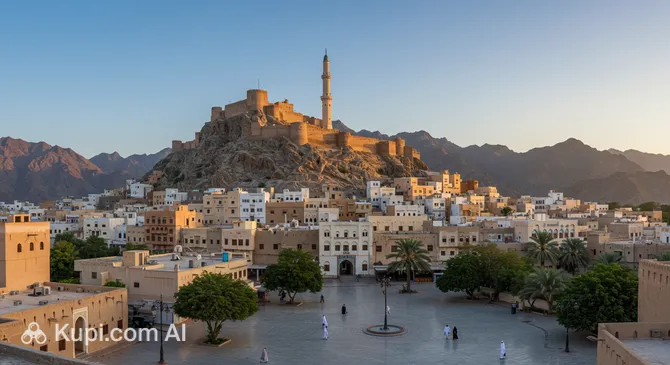
Shopping in Bahla is not about chasing brands in glossy windows, but a fascinating immersion into the world of traditional crafts and authentic Arabic culture. Known as the pottery capital of Oman, the city offers tourists a unique opportunity to purchase items created using thousand-year-old techniques. Here, trade is conducted slowly, accompanied by mandatory conversations and smiles, which turns souvenir buying into a real cultural experience.
The main shopping areas are concentrated around the historical city center. The primary point of interest is the district across from the majestic Bahla Fort. It is here, in the labyrinth of old streets and small shops, that you can find artisan workshops where craftsmen work right before the eyes of customers. A stroll through this part of the city allows you to peek into small family stores selling everything from spices to silver jewelry.
Although Bahla is a city with deep historical roots, there are also modern places for shopping. Bahla Mall (Grand Hypermarket) is the city's main modern complex. Here, tourists can find a familiar range of goods: clothing, electronics, groceries, and essential items. It is a convenient place to buy things for the road, use an exchange office, or simply take a break from the heat in a conditioned space while grabbing a bite at the food court.
The heart of local trade is Bahla Souq (Old Market). This is an atmospheric place with an open courtyard where a massive old tree grows, under whose shade locals gather to talk. The market is famous for its authenticity: there is no tourist polish, but there is real life. On Fridays, there are often lively auctions selling livestock and fresh farm produce. At the market, you can find unique "fadl" copper trays, still used in Omani families, as well as high-quality fabrics and incense.
When choosing souvenirs, first and foremost, look for the famous Bahla pottery. Locally produced clay jugs, pots, and frankincense burners (majmars) are considered the best in the country. They are distinguished by simple forms and high firing quality. It is also worth bringing back:
- Omani halwa — a sweet symbol of hospitality, cooked here according to old recipes with the addition of saffron and rose water.
- Silver jewelry — massive bracelets, rings, and necklaces with traditional patterns.
- Copper items — chased trays and coffee pots.
- Traditional ropes — a surprising but unique handmade local souvenir that this region is famous for.
When planning your shopping, take into account operating hours. The traditional market and small private shops usually work with a siesta break: they open early in the morning (around 7:00–8:00 AM) until 1:00 PM, and then resume work after 4:00 PM and until 8:00–9:00 PM. Shopping malls and supermarkets operate without breaks, usually from 9:00 AM to 10:00 PM. Friday is a day off for many small shops, or they may only open in the evening.
As for payment, modern shopping centers accept bank cards without issues. However, at the Old Souq, in pottery workshops, and souvenir shops, cash (Omani rials) is preferred. There are ATMs in the city, but it is better to have small bills for the convenience of bargaining, which is not only appropriate here but welcomed.
A Tax Free (VAT refund) system exists in Oman, but in Bahla, it is practically inapplicable to traditional shopping. A 5% tax refund is possible only when purchasing goods at large chain stores participating in the system for an amount above a certain threshold. Since most purchases in Bahla are made at the market or from private craftsmen, you should not count on a tax refund.