Support

Matrah

About

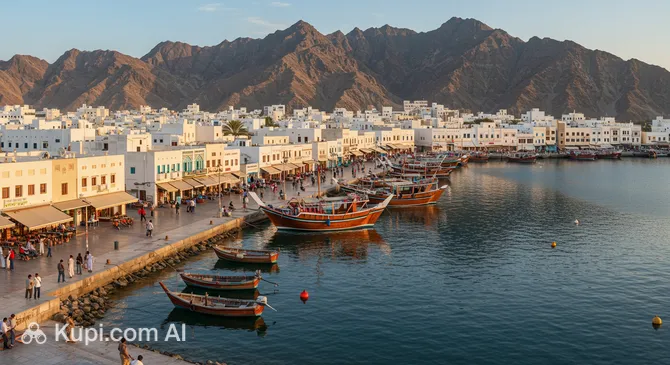
Muttrah is a picturesque coastal town nestled on the shores of the Gulf of Oman, just a few kilometers from Muscat, the capital of Oman. Surrounded by rugged mountains and turquoise waters, the town possesses a unique charm: here, the Oriental bazaar meets the sea breeze, and ancient fortifications harmonize with a lively waterfront. Historically, Muttrah was one of the country's most important trading ports, a role that is still felt in its atmosphere today.

Matrah. Illustration.
Source: Kupi.com AI

With a population of about 215,000, Muttrah is considered one of the oldest and largest settlements in the region. Its strategic location made it a key maritime trade hub for centuries. Today, Muttrah attracts visitors with its unique atmosphere, dominated by the leisurely rhythm of the eastern coast, where every corner breathes history. The narrow streets of the old town, the scent of spices, and the hospitality of the locals create an unforgettable flavor.

Key highlights of Muttrah include the famous Muttrah Souq, one of the oldest markets in the Arab world, where you can find traditional goods, incense, jewelry, and souvenirs. Equally interesting are the Muttrah forts, which tower over the harbor and offer panoramic views of the city and the gulf. A walk along the scenic Corniche, especially at sunset, will leave a lasting impression.

Muttrah is an ideal destination for those wishing to immerse themselves in authentic Eastern exoticism, enjoy colorful landscapes, and discover the rich culture and ancient traditions of Oman. This city, where history and modernity coexist harmoniously, is sure to enchant every traveler.

You can find more interesting facts on the Muttrah city history page.

Weather Overview

In Muttrah, you can expect predominantly hot and dry weather throughout the year. Summer, especially in June, is characterized by very high temperatures, averaging around 32.8°C, with maximums reaching 35.9°C. Winters are mild and warm, with average temperatures in January and December around 20.7°C - 22.0°C. Rainfall in Muttrah is extremely rare and virtually non-existent throughout the year, with very few rainy days. Expect a hot, exceptionally dry summer and a warm, also very dry winter.

For a more detailed forecast and monthly information, you can visit the weather in Muttrah page.

Average monthly temperature

Average monthly precipitation

Interesting Facts

In addition to its famous landmarks like the bustling market and the ancient fort, Muttrah holds many surprising stories and lesser-known details that make it truly unique. Here are just a few of them:

  • The famous Muttrah Souq is more than just a market; it's a portal to the past. It's believed that its winding alleys still hold the echoes of traders' footsteps who, centuries ago, brought rare goods from all over the world, from spices to frankincense. Even today, you can feel the spirit of the ancient maritime trade for which Oman was renowned.

  • The majestic Muttrah Fort, towering over the town, served as more than just a defense against pirates. It is said that from its walls, lookouts could spot the approach of not only enemy ships but also trade caravans carrying riches long before they reached the port, making it a key element of the town's prosperity.

  • Muttrah is the cradle of legendary Omani seafarers. It was from here that merchants embarked on risky expeditions reaching the shores of India, East Africa, and even mysterious China, turning the town into a major hub of ancient maritime routes and bringing it fame far beyond the Arabian Peninsula.

  • There is a local belief that Muttrah is under special protection. Legend has it that ancient sailors caught in a terrible storm once found salvation in its harbor, and since then, the town has been considered a place of luck and blessing, especially for those connected to the sea.

How to Get There

The most convenient way to reach the ancient port town of Muttrah, located in the heart of Oman, is by air, though other options exist. The town is part of the Muscat capital area, making it easily accessible for international travelers.

The primary and most convenient air gateway for arriving in Muttrah is Muscat International Airport (MCT). It is located in Oman's capital, Muscat, only about 28 km west of Muttrah's historical center. This is a large, modern airport serving many international flights from around the world. A taxi or rental car trip from the airport to Muttrah usually takes about 30-45 minutes, depending on traffic.

Another option, though further away, is Sohar Airport (OHS), located in the city of Sohar, about 215 km northwest of Muttrah. This regional airport might be convenient if your Omani itinerary includes visiting the northern regions of the country before arriving in Muttrah. The drive from Sohar Airport to Muttrah takes about 2.5 to 3 hours.

For your convenience, here is summary information on the main airports to consider for a trip to Muttrah:

AirportPassenger trafficDistance
Muscat International Airport12.9 mln28 km
Sohar Airport76 000215 km
Chah-Bahar Airport221 859274 km
Al-Fujairah International175 000281 km

In addition to flights, Muttrah can be reached by car from other cities in Oman, as well as from neighboring countries like the United Arab Emirates. The road network in Oman is well-developed, making car travel comfortable. Intercity buses that connect major settlements are also an option for moving around the country.

Main Attractions

Muttrah, one of the key towns in Oman's capital region, attracts tourists with its unique blend of ancient history and scenic landscapes. Everyone will find something of interest here, from bustling markets to tranquil waterfronts and historical forts that hold secrets of the past.

One of the town's main gems is undoubtedly the Muttrah Souq. It is one of the oldest markets on the Arabian Peninsula, a real labyrinth of narrow covered streets. The air here is filled with the enchanting scents of frankincense, exotic spices, and traditional Arabian perfumes. You can wander for hours, choosing unique souvenirs, exquisite silver jewelry, the famous Omani "khanjar" daggers, colorful fabrics, and various local handicrafts. Visiting the souq is more than just shopping; it's a true immersion into the authentic atmosphere of the East, where you can haggle with friendly vendors and find something special to remember your trip by.

The Muttrah Corniche is equally attractive to visitors. This picturesque promenade is perfect for leisurely walks, especially at sunset, when the sinking sun paints the coastal mountains and the waters of the Gulf of Oman in warm golden tones. Traditional white houses with carved wooden balconies, cozy cafes, and restaurants line the waterfront, offering a place to relax and enjoy the sea breeze. From here, you can enjoy magnificent views of the gulf, luxury yachts, and traditional wooden dhows, as well as the ancient watchtowers and forts that once guarded the harbor entrance.

Muttrah Fort stands majestically over the town and the bay. This historical fortification was built by the Portuguese in the 16th century and played a key role in defending the strategically important harbor. Today, the fort is open to visitors, offering a chance to touch history and enjoy breathtaking panoramic views of Muttrah itself, its busy promenade, and the surrounding rocky mountains. The climb to the fort can be a bit steep, but the scenery from the top is definitely worth the effort and provides a stunning backdrop for photos.

Another iconic and easily recognizable landmark is Riyam Park, famous primarily for its giant white incense burner (bakhoor burner), elegantly perched atop a coastal hill. This monument has become one of the modern symbols of Muscat and is visible from afar, welcoming ships entering the port. The park itself is a pleasant green space for relaxation and picnics, also offering beautiful coastal views. A visit to the park and the ascent to the giant incense burner will especially appeal to those looking for original photo locations and a moment of peace away from the city bustle.

Local Cuisine

The cuisine of Muttrah is a true immersion into a world of Oriental aromas and flavors, capable of enchanting any gourmet. The town is literally permeated with the scents of fresh-caught fish, exotic spices, and appetizing pastries, creating a unique atmosphere of a gastronomic celebration. Everyone will find a dish to their liking here, from hearty meat delicacies to light seafood treats.

One of the main culinary symbols of Muttrah is undoubtedly mashuai—a magnificent grilled fish, often prepared right from the catch brought in by fishing boats to the old fish market. This place is a gastronomic attraction in itself, where you can not only buy but also taste the freshest sea urchins, shrimp, and squid. For lovers of heartier food, the traditional Omani kabsa is a must-try—fragrant rice with tender lamb, generously seasoned with spices and nuts.

For those with a sweet tooth, Muttrah offers delicious halwa with dates and a delicate scent of rose water. And the famous Muttrah Souq is a real treasure trove of the region's best spices: turmeric, cardamom, saffron, and even edible frankincense, which, according to local tradition, can be added to sweets to give them a unique note. You can also find an abundance of fresh fruit here.

Street food in Muttrah deserves special attention and is an integral part of the local food culture. Numerous small cafes and street stalls offer hot sambusas—tasty triangular pastries filled with meat or vegetables—juicy kebabs, and freshly baked sesame flatbreads. You can wash down all this gastronomic splendor with traditional sweet tea with milk. Besides tea, be sure to try other traditional drinks: fragrant Omani coffee kahwa, often served with dates as a sign of hospitality, the refreshing fermented milk drink laban, and various freshly squeezed juices from local fruits, which perfectly quench thirst on a hot day.

Locals often prefer to buy fresh products at markets like the fish market or Muttrah Souq and cook at home, but they also enjoy snacking in small street cafes. For tourists, Muttrah offers a wide range of choices: from authentic street food to restaurants offering both local and international dishes. As for alcoholic beverages, their availability for tourists is usually limited to licensed establishments, such as restaurants and bars in hotels within Oman. A special atmosphere can be experienced during gastronomic festivals that periodically take place on the Corniche and in the historical city center. These events are a great opportunity to try various national dishes, visit craft fairs, and even participate in workshops on preparing Omani delicacies.

Travel Tips

Welcome to Muttrah, one of the oldest and most colorful towns in Oman! To make your journey through this charming port town as comfortable and pleasant as possible, we have prepared some practical tips.

  1. Clothing and Essentials: Muttrah has a hot desert climate, so choose light, breathable clothing made of natural fabrics. Women are recommended to cover their shoulders and knees when visiting public places, and full-coverage clothing plus a headscarf are required for entering mosques. Don't forget sunscreen, a hat, sunglasses, and comfortable shoes for walking along the promenade and the souq. A universal travel adapter for electronics might also come in handy.
  2. Transport: Taxis are the most convenient way to get around Muttrah. It's recommended to agree on the fare in advance or ensure the driver uses the meter. Public transport is available via buses, but for tourists, taxis are often the simpler option. Renting a car may be worthwhile if you plan to explore the Muscat outskirts and other regions of Oman.
  3. Finances: The local currency is the Omani Rial (OMR). You can exchange currency at banks, airport exchange offices, or in the city. Credit and debit cards (Visa, MasterCard) are accepted in most hotels, restaurants, and major stores. However, at the Muttrah Souq and in small shops, it's better to carry cash. ATMs are widely available. Tipping is appreciated but not always mandatory; usually, it's 10% in restaurants if service is not included, and a small amount for porters and drivers.
  4. Health and Safety: Like all of Oman, Muttrah has a high level of safety. However, standard precautions apply: keep an eye on your belongings in crowded places, especially at the market. Pharmacies are easy to find, and some are open 24 hours. It is recommended to drink bottled water. If you need medical assistance, go to the nearest clinic or hospital; having travel insurance is highly recommended.
  5. Communication: The official language is Arabic. However, in tourist areas, hotels, and shops, staff usually speak English well. Learning a few simple Arabic phrases (e.g., "Salam Alaikum" – hello, "Shukran" – thank you) will be appreciated by the locals. SIM cards from local operators can be purchased at the airport or at mobile shops in the city. Wi-Fi is available in most hotels and many cafes.
  6. Local Etiquette: Omani people are hospitable and polite. A handshake greeting (with members of the same sex) is the norm. Show respect for local traditions and religion, especially during the holy month of Ramadan. Do not take photos of people, especially women, without their prior permission. Behave discreetly in public places.
  7. What to Avoid: Try to avoid public displays of affection. Alcohol consumption is only allowed in licensed establishments (hotels, restaurants). Do not dress too revealingly outside of beaches and hotel pools. Also, do not haggle aggressively at the market; do it respectfully.
  8. Additional Tip – Muttrah Souq: Visiting the famous Muttrah Souq is a must-do. Here you can find traditional goods, incense (especially frankincense), silver items, textiles, and souvenirs. Don't be afraid to haggle, but do it politely and with a smile—it's part of the local culture. The best time to visit is in the evening when the heat subsides and the market comes to life.

We hope these tips help you better prepare for your trip and get the most out of your stay in wonderful Muttrah. We wish you an unforgettable experience!

Entertainment & Nightlife

Muttrah, one of the oldest and most atmospheric districts of Muscat, offers its guests a unique evening atmosphere that differs significantly from the noisy nightlife of many global metropolises. Here, evenings are spent in a more measured and traditional way, perfect for leisurely walks, cultural enrichment, and enjoying the local flavor rather than seeking out loud clubs.

The main center of evening activity is undoubtedly the famous Muttrah Souq. As dusk falls, its narrow, winding alleys come alive, filled with the intoxicating scents of Oriental incense, exotic spices, and traditional perfumes. It's a real maze where you can spend hours browsing for Omani souvenirs, silver items, cashmere shawls, antiques, and much more. The market is usually open until late evening, around 9:00 PM - 10:00 PM, and is the perfect place to experience the authentic spirit of an old Arabian town. The atmosphere is always lively but without excessive rush, attracting both curious tourists and locals doing their evening shopping.

Another popular spot for an evening out is the picturesque Muttrah Corniche. It's a wonderful place for a stroll, offering magnificent views of the Gulf of Oman, snow-white old houses, Portuguese forts majestically lit up at night, and moored traditional dhow boats. Families, couples, and friends gather here to enjoy the cool sea breeze and the peaceful setting. Benches and small cafes are scattered along the promenade, perfect for a cup of coffee or a snack.

Regarding bars, nightclubs, and nightlife districts in the classical sense, the choice within Muttrah itself is very limited, as Oman is a country with strong Muslim traditions. Establishments serving alcoholic beverages are typically concentrated within large international hotels, mostly located in other areas of Muscat. These places may have their own dress codes and specific atmospheres. Evening leisure in Muttrah is more focused on its numerous restaurants and cafes where you can enjoy delicious local, Arabic, Indian, or international cuisine. Many of them stay open late, offering dinner in a relaxed and hospitable environment.

The best time for evening walks in Muttrah is after sunset when the daytime heat subsides and the air becomes fresher. The Muttrah area, especially its tourist zones like the souq and the Corniche, is considered safe for evening walks. Taxis are convenient for nighttime travel; they can be found at the souq entrance or ordered through your hotel. It is recommended to always clarify the fare before starting the trip or ensure the driver uses a meter. When visiting public places in the evening, as in the daytime, it is recommended to adhere to a modest dress style, showing respect for local cultural traditions.

There is also plenty to do in Muttrah and its surroundings during the day. You can visit, for example, the Bait Al Baranda Museum, which tells the fascinating story of Muscat and the region, or walk through Riyam Park, known for its giant observation tower shaped like a traditional incense burner, offering panoramic views. While there are no major theaters or modern amusement parks in Muttrah itself, the Muscat capital region offers more diverse options for daytime leisure.

Thus, evening in Muttrah is primarily an opportunity to immerse yourself in the atmosphere of the traditional East, enjoy leisurely walks, unique shopping at the ancient market, and delicious food, making it particularly attractive for those seeking authentic experiences and cultural insight rather than loud parties.
Parks & Museums

Muttrah, a charming coastal town in Oman, offers its guests not only picturesque views of the gulf but also a chance to experience the region's rich cultural heritage. Here you will find both well-maintained green areas for relaxation and interesting museums that tell of history and traditions.

Among the popular places for walks and outdoor recreation, Riyam Park stands out. It is known for its huge white incense burner, which has become one of the city's symbols, and offers excellent conditions for family vacations with playgrounds and sea views. Kalbuh Park, located along the coast and offering a peaceful atmosphere, is equally pleasant for leisurely strolls. The Muttrah Corniche holds a special place—it's not just a walking area, but the heart of the town, where you can enjoy the sea breeze, watch the fishing boats, and admire the old buildings.

For those interested in history and culture, Muttrah and its surroundings offer several interesting museums. Although many museums are concentrated in the Muscat capital region, you can visit the Bait Al Baranda museum near Muttrah, which tells the fascinating story of the Muscat region, including its geology, folklore, and maritime past. The famous Muttrah Souq is a kind of living museum itself. Wandering through its narrow streets, you immerse yourself in the atmosphere of traditional Arab trade and get to know local crafts, scents of spices, and incense.

Among the historical sights, Muttrah Fort must be mentioned. This 16th-century Portuguese fortress, perched on a cliff, once guarded the harbor and today offers visitors breathtaking panoramic views of the town and the gulf. The architecture of the old part of Muttrah, with its traditional houses and narrow alleys, also deserves attention and allows you to feel the spirit of the past.

For a more authentic experience, peek into the less touristy corners of the Muttrah Souq, where locals do their daily shopping. In the evening, enjoy fresh seafood at one of the small restaurants on the waterfront while watching the sunset over the Gulf of Oman.

Getting Around

Getting around Muttrah can be done in several ways, although there is no developed public transport network like in major metropolises. The main means of transportation for tourists and locals are buses and taxis.

Buses: The town is served by buses from the national transport company, Mwasalat. These are modern, air-conditioned buses that run along major routes, connecting Muttrah with other areas of Muscat and the surroundings. Fares are usually paid in cash to the driver upon boarding or using a reloadable "Sayir" transport card if you plan on frequent trips. Schedules and routes can be checked on the official Mwasalat website or in their mobile app. Buses start running early in the morning and stop late in the evening, but frequency can vary depending on the route and time of day.

Taxis: Taxis in Muttrah are a popular and convenient way to get around, especially for short trips or when you need to reach places not covered by bus routes. You will encounter two types of taxis: orange ones (meters are not always used, it's better to agree on a price before starting) and white ones (private, where bargaining is mandatory). In recent years, taxi-hailing apps have become available, which can be a more predictable option in terms of cost. Taxi prices are higher than the bus but quite reasonable, especially if traveling in a group.

Alternative ways to move around: For exploring Muttrah itself, especially its Corniche and the famous Muttrah Souq, a walk is perfect. Distances here are not very large, and the atmosphere is conducive to leisurely exploration. If you plan longer trips around the region, you should consider renting a car. This will give you maximum freedom of movement. You can also find traditional "abra" boats in the port area, which offer short sea trips or crossings—this is more of a tourist attraction than regular transport, but it can be an interesting experience.

Practical Tips: Always have small change for bus or taxi fares. If using a taxi without a meter, always agree on the fare before getting into the car. Keep in mind that traffic can be heavy during peak hours, so plan your trips with extra time. Muttrah does not have a metro, trams, or trolleybuses.

Accommodation

In Muttrah, one of Muscat's oldest and most colorful districts, travelers will find a variety of accommodation options to suit different preferences and budgets. The main offerings here consist of traditional guesthouses that allow for a deeper immersion into the local atmosphere, as well as apartments for those who prefer more independence, especially when traveling with family or a group. The selection of classic hotels directly in the historical part of Muttrah may be limited, so many tourists also consider options in more modern parts of the capital.

The most popular areas for tourists to stay in Muttrah are those in close proximity to the famous Muttrah Souq and the Corniche. This location provides easy access to the main attractions and allows you to enjoy the authentic atmosphere of the old town. Within Muttrah itself, the choice of accommodation is primarily represented by guesthouses and apartments. For those who prefer larger hotel complexes with a wide range of amenities, it's worth considering options in other districts of Muscat, which are easily accessible from Muttrah by taxi.

The price range for accommodation in Muttrah and its surroundings varies. In Muttrah itself, these are mostly budget and mid-range guesthouses. Luxury resorts and major chain hotels are more often located outside the historical center of Muttrah, in other Muscat districts, offering a higher level of service. It is recommended to book your accommodation in advance, especially if your trip falls during the peak tourist season (usually from October to April). Popular online platforms are useful for searching and booking, as they allow you to compare prices and conditions, and read reviews from other travelers. Some hotels and guesthouses also offer direct booking through their websites.

Nearby Cities

For those who want to explore the surroundings, Muttrah serves as an excellent starting point for day trips to several interesting nearby places. For example, just a few kilometers away is Muscat, the capital of Oman, where you can immerse yourself in rich history and culture by visiting the majestic Sultan Qaboos Grand Mosque and the Royal Opera House. Very close by is Bawshar, which attracts visitors with its impressive sand dunes, ideal for outdoor activities, as well as modern shopping centers. Below is a list of some cities that are easily accessible from Muttrah:

CityPopulationDistance
Bawshar383 25715 km
Al Amirat70 00016 km
Muscat1 421 40918 km
As Seeb237 81642 km
Fanja10 39649 km

These and other nearby destinations will allow you to get a deeper look at the diverse culture, history, and natural landscapes of the Oman region. Each trip promises new discoveries and unforgettable impressions, whether you're exploring ancient forts, relaxing in nature, or experiencing the unique local atmosphere.

Shopping & Souvenirs

Shopping in Muttrah is, first and foremost, an immersion into the atmosphere of a real Oriental bazaar. The town is famous for its renowned souq, where you can find traditional Omani goods, handicrafts, and unique souvenirs. Here, shopping is not just about buying things; it's a real adventure with the opportunity to haggle and interact with the locals.

The main and essentially only major shopping area in Muttrah is its historical Muttrah Souq. This labyrinth of narrow streets filled with the aromas of frankincense and spices stretches along the Corniche. Hundreds of shops are concentrated here, offering everything from antiques to modern goods. A walk along the Corniche can also offer small shops and cafes.

There are no large modern shopping centers in Muttrah itself, as the town maintains its historical trading ways. For a big mall experience, you should head to the capital, Muscat.

The central place for shopping is undoubtedly Muttrah Souq. It is one of the oldest markets in the Arab world. It is divided into several parts: there are rows with gold and silver (for example, the Old Silver Souq Section), shops with fabrics, carpets, traditional clothing, incense (especially the famous Omani frankincense), spices, tableware, and, of course, souvenirs. The market is partially covered, making a walk through it comfortable even in hot weather.

Things worth bringing home from Muttrah include:

  • Frankincense: Oman is famous for the best frankincense in the world. You will find it in various forms—from resin to oils and perfumes.
  • Khanjar: A traditional Omani dagger. It is an expensive and iconic souvenir, often a work of art.
  • Silver Jewelry: Omani craftsmen create beautiful silver items, often with traditional patterns.
  • Textiles: Pashminas, shawls, scarves, and traditional Omani clothing.
  • Spices and Dates: Fragrant spices and delicious Omani dates make for an excellent gastronomic souvenir.
  • Ceramics and Woodwork: Local artisans offer beautiful painted ceramics and carved wooden items.

Shops at Muttrah Souq are usually open from morning (around 9:00-10:00 AM) until lunch (1:00-2:00 PM), then close for a break and reopen in the evening (around 4:00-5:00 PM) until late at night (9:00-10:00 PM). On Friday, many shops may be closed in the morning due to Friday prayers. Most shops at the market and in the town accept credit cards, but for market purchases, especially in small stalls, and for bargaining, it is better to have cash in Omani Rials (OMR).

There is a VAT (Value Added Tax) system in Oman. It's best to check the possibility of a tax refund (Tax Free) for tourists directly in large stores or at the airport before departure at the time of your trip, as rules and conditions may change.

Reached the end of the page?

That means the route is fully explored