Support

Rustaq

About

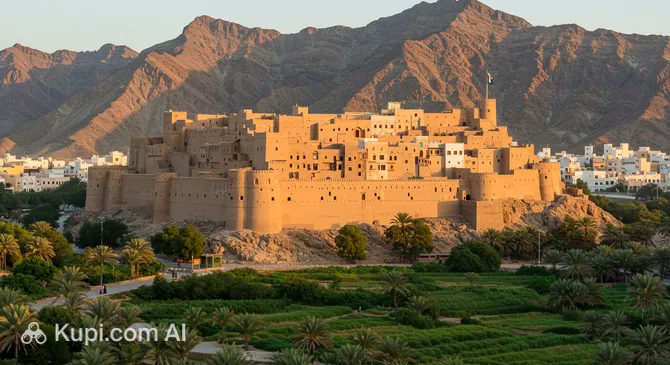
Rustaq is a picturesque city nestled at the foot of the majestic Al Hajar Mountains in the fertile Al Batinah valley. It serves as an ideal starting point for exploring the authentic culture and traditions that Oman is famous for. Despite having a population of around 120,000, the city retains the charm of a calm and steady pace of life, harmoniously blending with its role as an important administrative center of the South Al Batinah Governorate.

Rustaq. Illustration.
Source: Kupi.com AI

The city's atmosphere is literally steeped in the spirit of past centuries. The ancient history of Rustaq has left behind an impressive legacy: majestic forts, old mosques, and colorful markets where the air is filled with the aroma of Oriental spices. Thanks to its strategic location, the city served as an important trading hub for centuries, and today it attracts travelers with its unique architecture and the genuine hospitality of the locals.

The region's natural wealth deserves special attention. Picturesque oases, deep canyons, and healing hot springs are hidden in the city's surroundings, offering a true discovery for lovers of active recreation and beautiful landscapes. Visiting Rustaq is a wonderful opportunity to immerse yourself in the world of an Oriental tale and enjoy stunning landscapes far from the noise of major metropolises.

Weather Overview

When planning your trip, it's worth considering that the climate in this region is hot and arid. Summer here can be truly scorching: in June and July, the thermometer often rises above 40°C, while average figures stay around 34–35°C. During this time of year, it is better to plan excursions for the early morning or evening.

The most comfortable time for a visit is considered to be the period from November to March. In winter, the weather in Rustaq becomes mild and pleasant for walking: the average temperature in January is about 18.9°C, while during the day the air warms up to a comfortable 23–24°C. This is the ideal season for exploring forts and natural attractions.

Expect a hot, sunny summer and a warm winter with minimal precipitation. Rain in Rustaq is a rare occurrence; even in the months with the highest probability of precipitation (April and July), only 1–4 rainy days are recorded, so you are unlikely to need an umbrella.

Average monthly temperature

Average monthly precipitation

Interesting Facts

Rustaq is not just a historical center, but a city full of surprising details and hidden gems that reveal themselves only to inquisitive travelers. Here are a few facts to help you look at this place in a new way:

  • A former capital with secrets. The majestic Rustaq Fort, founded back in the 13th century, is a reminder of the times when the city was the capital of Oman. This structure served not only as a defensive outpost but also as a full-fledged residence for the Imams: inside, you can still see ancient baths and a complex network of secret passages intended for evacuation or covert movement during sieges.

  • Healing heat from the earth. Rustaq is often called the "city of hot springs." The most famous of them, Ain Al Kasfa, is known for its water, which reaches a temperature of 45°C. It is believed that these thermal waters have a therapeutic effect, helping with rheumatism and skin diseases, making the spring popular among both locals and tourists.

  • A natural water park. In the city's surroundings lies the famous Snake Canyon, named for its narrow and winding shape. This place attracts adventure seekers with its turquoise pools and natural rock slides, creating ideal conditions for exciting canyoneering.

  • City of craftsmen. Rustaq is one of the few places where ancient craft traditions are still alive. Masters still work here, handcrafting traditional Omani daggers — khanjars, as well as exquisite jewelry and copper utensils, which are considered standards of quality and authenticity.

How to Get There

When planning a trip to this historical region, it is worth thinking about your route in advance. Since the city itself does not have its own airport, tourists usually fly into neighboring large cities and then continue their journey by land. You can find out more about how to get to Rustaq on the dedicated page of our guide, but below we will look at the most popular options via the nearest air hubs.

The most convenient and popular option is Muscat International Airport (MCT). Located in the capital, it is Oman's main air gateway. The distance to Rustaq is about 89 km. This is a large, modern airport receiving flights from all over the world. Thanks to excellent roads, a trip by taxi or transfer from here will take approximately 1 hour, making this route the fastest way to get to the city.

An alternative domestic option is Sohar Airport (OHS), located in the city of Sohar. It is about 134 km from Rustaq. This is a regional airport with less passenger traffic, which may be convenient for those wishing to avoid the capital's bustle. A car journey from here takes about 1.5–2 hours depending on traffic.

For travelers planning complex routes through the United Arab Emirates, the nearest major hub is Al Maktoum International Airport (Dubai World Central) (DWC). It is located in Dubai, at a distance of about 282 km. This is a major international hub, but keep in mind that a transfer from another country will take significantly longer due to the need to cross the border.

For clarity, here is summary information on the main airports:

AirportPassenger trafficDistance
Muscat International Airport12.9 mln89 km
Sohar Airport76 000134 km
Al Ain Airport96 775207 km
Al-Fujairah International175 000217 km
Dubai World Central – Al Maktoum International Airport1.1 mln282 km

Regarding rail connections, there are currently no active railway stations in Rustaq or its surroundings. Trains are not used as a means of passenger transport in this region.

Therefore, the primary way to travel after landing is by road. The road network in Oman is of excellent quality, and a trip by rental car or taxi is a pleasure thanks to the scenic views. Additionally, intercity buses and route taxis run between major cities and Rustaq, serving as a budget alternative to private transport.

Main Attractions

Rustaq is a true treasure trove for fans of history and traditional Arabic architecture. The city and its surroundings offer travelers a chance to immerse themselves in the atmosphere of ancient Oman by exploring majestic defensive structures and unique natural sites. Here are the main places that should definitely be included in your travel itinerary.

The undisputed dominant feature of the city is Rustaq Fort. This is one of the oldest and most impressive fortifications in the country, founded back in the pre-Islamic era and significantly rebuilt in the 17th century. The fortress impresses with its scale and three high towers: Al-Burj Al-Ahmar, Al-Burj Al-Hadith, and Al-Burj Al-Rih. Tourists are drawn to the opportunity to wander through the labyrinth of interior rooms, see an ancient mosque inside the walls, and climb to the top of the towers, which offer breathtaking panoramic views of the city and endless date plantations.

Just a few kilometers from the center lies another masterpiece of fortification architecture — Al Hazm Castle. Built in the early 18th century, it is considered one of the most beautiful castles in the region and is on the UNESCO World Heritage tentative list. Unlike many other forts, there are no wooden ceiling beams here — the roof is supported by massive columns. Travelers will find it interesting to explore the system of secret evacuation tunnels and examine the massive wooden gates with intricate carvings, as well as the ancient cannons preserved to this day.

For those who want to combine cultural leisure with nature, a visit to Ain Al Kasfa is a must. These are famous hot springs where the water is rich in sulfur and reaches high temperatures. The site is interesting not only for the chance to see hot water emerging from the depths of the earth but also for its role in the irrigation system: numerous channels (aflaj) originate here, feeding local gardens. Although swimming in the spring itself is prohibited due to the high temperature, special bathing areas are equipped nearby where tourists can relax and experience the healing properties of the water.

Local Cuisine

The gastronomy of Rustaq is a vibrant reflection of Oman's rich traditions and the generosity of local nature. Cuisine here is not just a way to satisfy hunger, but an important part of the cultural code, based on the use of fresh ingredients and aromatic spices. Travelers should expect hearty and spicy dishes often served in large portions, demonstrating the famous Oriental hospitality.

The main dish that is a must-try in this region is Mashuai. This is a hearty treat of rice with meat and spices, cooked over an open fire. Thanks to the use of fresh herbs and a special cooking method, the dish acquires a unique smoky aroma. Mashuai is often served at family celebrations, but it can also be found on the menus of local establishments eager to treat tourists to authentic food.

Seafood lovers, despite the city's distance from the coast, will also find something to enjoy. Fresh fish is sold daily at Rustaq's markets, and it is traditionally prepared on the grill or in traditional ovens. Local chefs generously season it with lemon, saffron, and cardamom. On cool evenings, a great choice is Shorba — a thick, rich lamb soup with vegetables that warms you up perfectly and restores energy after long walks.

Street food in Rustaq deserves special attention. It is a true palette of flavors: from crispy samosas with vegetable or meat fillings to sweet date pastries and baklava. Locals and tourists often grab a snack on the go or at bustling farmers' markets, where you can also buy fresh fruit, mountain honey, and nuts.

As for drinks, the king of the table here is cardamom coffee. This drink is an essential element of hospitality in every home; it is served in small cups accompanied by dates or halwa. Alcohol in Rustaq, as in most traditional cities in the country, is hard to find: it is practically not sold openly and is absent from the menus of ordinary cafes, so tourists should focus on tasting the magnificent local teas and freshly squeezed juices.

Travel Tips

A trip to Rustaq is an immersion into the deep history and unique traditions of the Arabian Peninsula. To ensure your visit to this ancient city is as comfortable as possible and leaves only pleasant impressions, we have prepared a list of practical recommendations to help you feel confident in any situation.

  1. Clothing and equipment. Given the hot climate and conservative values for which Oman is known, opt for loose clothing made of natural fabrics (cotton, linen) that covers shoulders and knees. This is not only a sign of respect for local culture but also the best protection against the sun. For visiting forts and canyons, be sure to bring comfortable, non-slip shoes. A power adapter (British Type G is used here) will also be useful.

  2. Transport. Public transport in the city is poorly developed, so for freedom of movement, car rental is highly recommended. This will allow you to easily reach remote hot springs and mountain villages. Within the city, you can use taxis (the OTaxi app is popular), but if you catch a car on the street, the price of the trip should be agreed with the driver in advance.

  3. Finances and payment. The official currency is the Omani Rial (OMR). International cards are accepted in large stores and hotels, but for purchases at the traditional market (souq) or in small cafes, you will definitely need cash. There are ATMs in the city, but it's better to withdraw money in advance. Tipping is not a strict rule, but rounding up the bill or leaving 10% in a restaurant will be appreciated.

  4. Health and safety. Rustaq is a quiet and safe city. Pharmacies operate on a standard schedule, with duty ones available 24/7. The main danger is the sun: always wear a hat and drink plenty of water to avoid dehydration. Drinking tap water is not recommended; it's better to buy bottled water.

  5. Communication and language. The primary language is Arabic, but in tourist areas and hotels, many people speak English. For reliable communication and internet, it's best to purchase a local SIM card (Omantel, Ooredoo, or Vodafone) immediately upon arrival in the country. We recommend downloading offline maps, as the signal can be unstable in mountain gorges outside the city.

  6. Local etiquette. Omanis are very hospitable and polite. Greetings usually begin with the words "Salam Alaykum." It is important to remember the right-hand rule: you should only greet, pass money, or accept treats with your right hand. If you are invited for coffee and dates, it is considered impolite to refuse — take at least one cup.

  7. What to avoid. It is categorically discouraged to take photos of local residents (especially women) without their explicit permission — this may be perceived as an insult. Also, refrain from public displays of affection (kissing and hugging) and loud talking in public places.

  8. Tip for early birds. If you find yourself in Rustaq on a Friday morning, be sure to visit the traditional market near the fortress. Early in the morning (around 7:00–8:00 AM), an authentic auction takes place here where local farmers sell livestock, honey, and dates. This is a unique spectacle that allows you to see the real life of the city without any tourist gloss.

By following these simple rules, you will easily find common ground with the locals and enjoy the atmosphere of Oriental hospitality. Rustaq is a city that reveals its secrets to those who show it respect and sincere interest.

Entertainment & Nightlife

Nightlife in Rustaq is fundamentally different from the typical European understanding of the word. Here you won't find noisy nightclubs, discos, or bars with loud music — Oman is famous for its conservative traditions and quiet lifestyle. An evening in Rustaq is a time for leisurely relaxation, socializing with family, and immersing yourself in the authentic atmosphere of an Oriental city as the daytime heat subsides and the streets fill with coolness.

The center of attraction in the evening is the Rustaq Souq. This is the place where life begins to bustle after sunset. The market stalls, located near the famous fortress, fill with locals. Here you can not only buy the famous Omani halwa, spices, or silver but also simply watch the lively bargaining. The atmosphere at the market is friendly and safe, and the air is fragrant with frankincense and freshly brewed coffee.

Instead of bars, traditional coffee shops are popular here. These are the main socialization hubs where men gather to discuss news, drink a cup of strong Arabic coffee (kahwa) with dates, or sweet "karak" tea with milk and spices. Most of these establishments are concentrated along the main streets and in the fort area. The dress code here is casual but modest: tourists are advised to avoid overly revealing clothing out of respect for local customs.

For a quiet walk in the fresh air, Rustaq Public Park is perfect. This is a popular spot among local families who come here in the evenings for picnics. The park is well-lit, making it safe to walk even late at night. It’s a great opportunity to see how Omanis themselves relax and to enjoy the silence under a starry sky, which looks especially bright far from the city lights.

Regarding practical tips, it is best to plan your evening outing after 7:00 PM, when all the shops and cafes reopen after the evening prayer. Most establishments operate until 10:00 PM–11:00 PM. Alcohol is not sold in the city and is not served in restaurants. The safest way to get around the city at night is by taxi (it's better to agree on the price in advance or use apps) or a rental car. The crime rate is extremely low, so you can walk without fear, though it is best to stick to well-lit central streets.

If you are looking for entertainment during the day, Rustaq offers a rich cultural program. In addition to the majestic fort already mentioned, it is worth visiting local museums (often located inside historical buildings) where ancient weapons and household items are on display. Daytime trips to hot springs and walks through the picturesque wadis (riverbeds) surrounding the city are also popular.

Parks & Museums

Rustaq harmoniously combines the rugged beauty of the mountains, green oases, and a rich historical heritage. Although the city does not abound with classical European-style parks or huge museum complexes, its natural zones and historical fortifications, converted into museums, offer tourists a unique experience of immersion into the culture and nature of Oman.

Among the green zones of the city and its surroundings, natural and man-made spots for relaxation hold a special place:

Rustaq Public Park. This is the main city park and a popular meeting place for local families. The spacious green area with well-kept lawns, shady alleys, and children's playgrounds becomes a real salvation from the daytime heat. For tourists, it's a great opportunity to relax in a peaceful atmosphere, have a picnic, and observe the steady pace of city life. In the evening, the park is beautifully illuminated, creating a cozy setting for walks.

Ain Al Kasfa Natural Oasis. While technically a geothermal spring, the area around it functions as an important recreational zone. The site is surrounded by date palms and serves as the starting point for a complex system of irrigation channels (aflaj). Visitors come here not only for the healing hot water but also to walk along the channels, enjoying the coolness and greenery of the gardens, which contrast sharply with the desert landscapes surrounding the city.

The cultural heritage of Rustaq is carefully preserved within the walls of its majestic fortresses, which today serve as the main historical museums of the region:

Rustaq Fort Museum. Inside the massive walls of the ancient fortress lies an exhibition that transports visitors to the era of medieval Oman. Unlike a regular stroll through ruins, here you can see recreated interiors: a traditional majlis (meeting room), armories with a collection of old rifles and swords, and storage rooms for dates and grain. The museum is interesting because it allows for a detailed look at the daily lives of the garrison and rulers who lived here centuries ago.

Al Hazm Castle Museum. This site is considered one of the most technologically advanced fort-museums in the country. Visitors are offered audio guides that explain the history of each hall in detail. The exhibition includes unique examples of artillery, old maps, and decorative art objects. Of particular interest are the engineering displays showcasing the castle's ventilation system and secret defensive mechanisms, such as traps with boiling oil or date syrup.

If you want to see something less touristy, head to Wadi Sahtan. Locals call this place "The Bowl" because of its amphitheater-like shape among the mountains. It is a giant open-air natural museum of geology and botany where you can see ancient petroglyphs and rare plants while walking along a dry riverbed surrounded by majestic cliffs.

Getting Around

The public transport system in Rustaq differs significantly from the typical European model. Here you won't find metros, trams, or trolleybuses. The urban infrastructure is primarily oriented towards drivers, so public transport is quite poorly developed and represented by a limited number of options. For a tourist, this means that movement must be planned in advance, without relying on an extensive network of routes.

The primary way to get around for those not renting a car is by taxi. They are easily recognizable by their characteristic orange and white colors. In the city, there are two types of trips: "private," where you rent the entire car, and "shared/engaged," where the driver picks up fellow passengers along the way. The second option is significantly cheaper and popular among locals, but it may be uncomfortable for a tourist who doesn't know the language and the area.

Recently, mobile taxi-hailing apps such as OTaxi have been gaining popularity in the region. Using an app removes the language barrier and the problem of bargaining, as the price is fixed in advance. However, keep in mind that in smaller cities, the wait time for a car may be longer than in the capital. If you catch a taxi on the street, be sure to agree on the fare before getting into the car, as meters are not always used.

Bus service is mainly oriented towards intercity travel. The state company Mwasalat connects Rustaq with Muscat and other major centers. These are modern, comfortable buses with air conditioning and Wi-Fi. Tickets for them can be bought at ticket offices at bus stations or via the official mobile app. For moving within the city, there are small minibuses (known as "baiza buses") that run along main streets without a fixed schedule. You can stop them with a wave of your hand, and payment is made in cash to the driver upon exiting.

Payment for travel in most cases (except for official apps and Mwasalat offices) is made in cash. It is vital to have small bills and coins (baizas) with you, as taxi and minibus drivers often do not have change for large banknotes. There are no unified travel passes or transport cards for urban transport in Rustaq.

Given the specific nature of transport, the best alternative for travelers remains car rental (car sharing in the usual sense is not developed here; we are talking about classic rental). This gives full freedom of action and allows you to reach remote attractions where public transport does not go. Bicycle rental is practically non-existent in the city, and due to the heat and lack of bike lanes, this method of movement is not recommended.

Accommodation

The choice of accommodation in Rustaq, unlike in the capital city of Muscat, is more limited but possesses its own local flavor. Here you won't find the usual international chain giants or massive luxury resort complexes. The hotel stock primarily consists of apartment hotels and small mid-range hotels aimed at practical travelers. Additionally, guest houses and campsites are beginning to develop in the city's surroundings, offering a more authentic living experience closer to nature.

In terms of location, accommodation options can be divided into two main groups. The first is the city center, from where it is convenient to reach the main historical monuments, such as Rustaq Fort and the hot springs, on foot or by a short taxi ride. This is the choice for those who value proximity to city infrastructure, shops, and cafes. The second category is accommodation in the picturesque surroundings and mountain villages (for example, in the wadi area), which suits lovers of quiet, trekking, and starry skies, who are willing to sacrifice proximity to supermarkets for beautiful views.

A typical example of local accommodation is the Al Rustaq Hotel (often listed as an apartment hotel). Such establishments usually offer spacious rooms equipped with kitchenettes, which is very convenient for families and those traveling in large groups. The service level here generally corresponds to a solid 2–3 stars: clean, functional, with a basic set of amenities but no frills.

Booking tip: Since the number of quality accommodation options in the city is small, it is highly recommended to book your stay in advance. This is especially relevant during the winter period (November to March) and during Oman's national holidays when many locals travel within the country, and rooms fill up very quickly.

The price range in Rustaq can be characterized as budget and mid-range. The cost per night here is usually lower than in the capital or at popular seaside resorts. You can book stays at large apartment hotels through popular international online platforms. However, if you plan to stay in a small mountain guest house, be prepared that direct booking by phone or messenger may be required, and payment might only be accepted in cash.

Nearby Cities

For those looking to explore the surrounding area, Rustaq serves as an excellent base for day trips to several interesting nearby locations. Thanks to its convenient location and high-quality roads, travelers can easily reach the coast and Oman's major cultural centers to diversify their holiday.

One of the most popular destinations is Muscat, the nation's capital. The drive takes about an hour, offering a great opportunity to see the majestic Sultan Qaboos Grand Mosque, the Royal Opera House, and enjoy modern architecture harmoniously integrated into the mountain landscape. The city offers a rich selection of museums and fine dining restaurants.

If you are interested in maritime history and legends, head to Sohar. This ancient port city, which legends associate with Sinbad the Sailor, is known for its snow-white fort and long promenade. Here you can feel the atmosphere of Oman's trading past and relax on the shores of the Gulf of Oman.

For lovers of colorful markets and ancient architecture, Muttrah is an ideal choice. Its famous Corniche and traditional market (souq) are among the most photographed places in the country. Here you can buy frankincense, silver, and souvenirs while wandering through narrow streets filled with the scents of the Orient.

CityPopulationDistance
Al-Madrah47 71827 km
Nakhal28 08840 km
As Suwayq170 00043 km
Bahla85 00056 km
Samail80 53857 km

These nearby destinations provide an insight into the diverse culture and landscapes of the region, from bustling capital districts to quiet coastal towns.

Shopping & Souvenirs

Shopping in Rustaq is a journey through time that is fundamentally different from trips to the shiny shopping centers of global metropolises. The city is not famous for fashion boutiques or huge malls; its main value is authenticity and loyalty to tradition. Here, tourists can touch the real culture of trade characteristic of the Arabian Peninsula, where the buying process is inextricably linked with communication, and goods are often handmade by local craftsmen.

Main shopping areas and streets are primarily concentrated in the historical city center, near the famous fort. The main shopping arteries come to life towards evening. Walking along these streets, you will find many small shops selling everything necessary: from fabrics and clothing to household utensils and spices. It is an ideal place for a leisurely stroll where you can observe the daily life of the citizens.

Regarding shopping centers, Rustaq does not have the giant malls with entertainment common in the capital. The main places for buying groceries and essentials are chain hypermarkets, such as Lulu Hypermarket. Here you can find a familiar range of goods, ATMs, and currency exchange points. For more large-scale modern shopping, locals usually head to other parts of Oman, specifically to Muscat or Sohar, which are not too far away.

The true heart of local trade is the markets (souqs). The most famous is the Old Rustaq Souq, located next to the fortress. This is a must-visit place, especially early on Friday mornings when a traditional auction takes place. Farmers from across the region bring livestock, fresh vegetables, and dates here. The atmosphere of the Friday market is unique: noisy bargaining, the scent of spices, and the chance to see rare goods like antique rifles or copper coffee pots make it a living open-air museum.

When choosing souvenirs, pay attention to what this specific region is famous for. Rustaq is considered one of the best places in the country to buy Omani halwa. Local masters prepare it according to ancient recipes with the addition of saffron, cardamom, and rose water; fresh and warm halwa can be bought directly from the stalls at the market. The city is also known for its high-quality mountain honey collected in the surrounding gorges. For craft lovers, a traditional khanjar dagger or items made of silver and ceramics created by local artisans make excellent gifts.

Opening hours of shops in Rustaq follow a traditional schedule. Most private shops open around 8:00 or 9:00 AM, work until 1:00 PM, and then close for a long afternoon break (siesta). Trade resumes after 4:30–5:00 PM and continues until 10:00 PM. Large supermarkets usually work without breaks from morning until late evening. On Friday mornings, shops may be closed during prayer time (from 11:30 AM to 1:00 PM).

Speaking of payment, it is important to remember that Rustaq is a city with traditional ways. While supermarkets and hotels accept bank cards without problems, cash reigns supreme in the market and in small souvenir shops. Be sure to have Omani Rials with you, preferably in small denominations, to make it easier to pay and haggle with vendors.

The Tax Free system (VAT refund) exists in Oman, as a 5% VAT has been introduced in the country. Tourists can reclaim the tax when departing from international airports, provided they have made purchases at participating shops for an amount not less than a specified minimum (usually 25 OMR). However, in the small traditional shops of Rustaq, this system generally does not work, so you should only count on a tax refund for purchases in large chain stores if they provide the corresponding receipts.
Reached the end of the page?

That means the route is fully explored