Support

Ica

Attractions

About

Ica is a vibrant gem of southern Peru, nestled in a picturesque valley amidst endless sand dunes and famous vineyards. The city is located approximately 300 kilometers south of Lima, in a unique oasis in the middle of the desert, which gives it a special, almost fairytale-like atmosphere. Eternal sunshine reigns here, and the golden sunsets over the dunes leave an indelible impression.
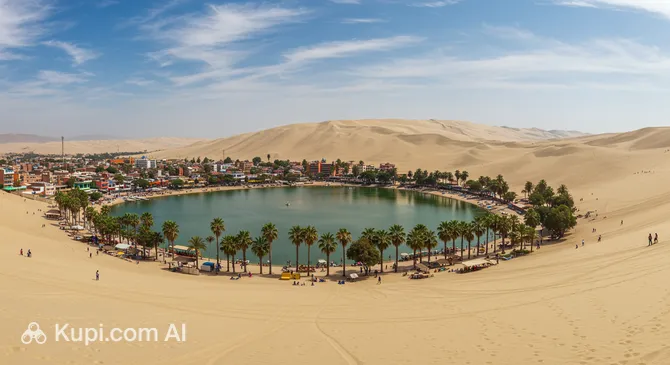
Ica. Illustration.
Source: Kupi.com AI

With a population of about 282,000 people, Ica is the administrative center of the region of the same name and an important cultural and tourist hub of the country. The city is known for its hospitality, colorful streets, and unique local character that manifests in everything from architecture to culinary traditions.

The main magnets for tourists in Ica are, undoubtedly, the famous Huacachina Oasis, which looks like it stepped off the pages of an Arabian night story, and exciting desert adventures such as sandboarding or buggy rides across the dunes. Additionally, the region is famous for its wineries, where you can taste local wines and, of course, the national drink, pisco. History buffs will appreciate the local museums, which house artifacts from the ancient cultures that once inhabited these lands.

Ica is an ideal destination for those seeking vivid experiences, interested in ancient history and unique nature, and who appreciate gastronomic discoveries. A visit to this amazing city will give you plenty of unforgettable moments and, perhaps, the desire to return here again.

You can find more interesting facts on the history of Ica page.
Weather Overview

In Ica, you can expect a predominantly warm and very dry climate, ideal for exploring the desert landscapes. Summer, which lasts from approximately December to March, is hot here: daytime temperatures often rise to 27-28°C. During this period, a small amount of precipitation is possible, especially in January and February, when there are a few rainy days bringing about 1-2 mm of moisture. Winter (from June to August) in Ica is mild and comfortable, with temperatures ranging from 19-24°C and almost a complete absence of rain. It is sunny for most of the year. Find out all the details on the Climate of Ica page.

Average monthly temperature

Average monthly precipitation

Interesting Facts

Beyond its famous vineyards and breathtaking desert landscapes, the city of Ica holds many amazing secrets and little-known stories ready to be discovered by the curious traveler.

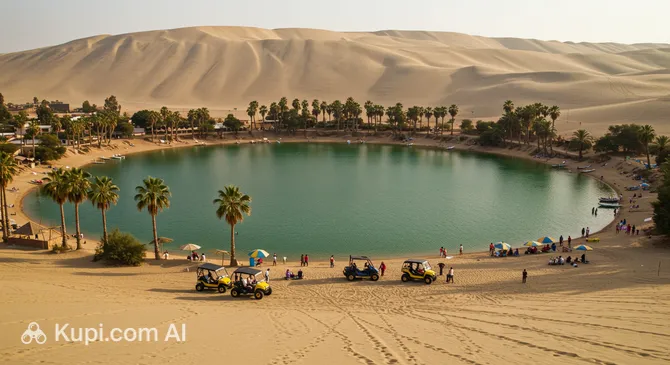
Huacachina Oasis. Illustration.
Source: Kupi.com AI

Traveler photos:

  • In the Regional Museum of Ica, you can see not just ancient mummies, but bodies that, centuries later, still have hair and even complex tattoos—silent witnesses to long-gone eras.

  • The picturesque Huacachina Oasis, according to local legend, was created from the tears of an Inca princess mourning the loss of her beloved. They say the waters of the oasis still possess healing powers.

  • Ica is not just a wine region; it is the true birthplace of pisco, the famous Peruvian grape brandy. Many believe that the best grapes in Peru are grown here, from which this national drink is created.

  • Among the treasures of the Regional Museum of Ica, you can find not only ceramics and textiles but also quipus—the unique knotted string system used by the ancient Incas for record-keeping and sending messages.

How to Get There

A journey to Ica usually begins with a flight to one of Peru's major cities, as there is no airport for scheduled passenger flights directly in the oasis. Tourists most often fly into the country's capital and continue their journey along the scenic Pan-American Highway. To plan your perfect route, we recommend exploring all methods and details on the how to get to Ica page.

The main air gateway for travelers is Jorge Chávez International Airport (LIM), located in Lima, about 272 km from Ica. This is the country's largest aviation hub, receiving flights from all over the world. From the airport, the most convenient way to reach Ica is by comfortable long-distance buses; the travel time is usually about 4–5 hours, allowing you to enjoy views of the desert coast.

An alternative option is to fly into Capitán FAP Renán Elías Olivera Airport (PIO) in the city of Pisco. It is significantly closer, just 64 km from Ica. Although the number of scheduled flights here is limited, this option significantly reduces ground transfer time: a taxi or bus ride takes only about 1–1.5 hours.

For your convenience, here is summary information on the main airports located relatively close to the city:

AirportPassenger trafficDistance
Capitan FAP Renan Elias Olivera Airport27 50064 km
Maria Reiche Neuman Airport171 668120 km
Yanamilla Airport356 987194 km
Jauja Airport229 807255 km
Andahuaylas30 000261 km

Main Attractions

Ica, a city in southern Peru, is famous not only for its vineyards but also for its unique attractions that draw travelers from all over the world. Here, everyone will find something interesting, from natural wonders to historical treasures.

Perhaps the most famous attraction in Ica and its surroundings is the Huacachina Oasis. This remarkable natural phenomenon is a small lake surrounded by high sand dunes, palm trees, and a few buildings. Tourists are attracted here not only by the picturesque view but also by the opportunity to go sandboarding or take a buggy ride through the desert. This place feels like it belongs in a storybook about desert adventures.

Huacachina Oasis. Illustration.
Source: Kupi.com AI

Traveler photos:

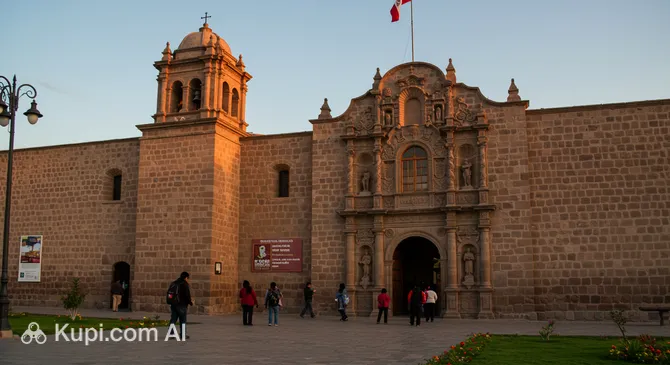
To gain a deeper understanding of the region's rich history, be sure to visit the Adolfo Bermúdez Jenkins Regional Museum of Ica. It houses an impressive collection of artifacts from pre-Columbian cultures such as Nazca and Paracas, including famous mummies, textiles, and ceramics. The museum's exhibits help trace the development of the civilizations that once flourished in this land and learn more about the mysterious Nazca Lines.

Regional Museum of Ica Adolfo Bermúdez Jenkins. Illustration.
Source: Kupi.com AI

Traveler photos:

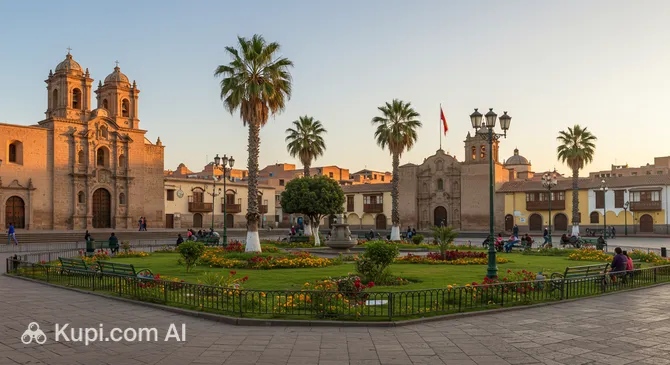
The heart of the city, as in many Peruvian towns, is the Plaza de Armas of Ica. This spacious square is an excellent place to start exploring Ica. Here you can see the Cathedral, municipal buildings, and simply observe the daily life of the locals. In the evening, the square comes alive, becoming a popular spot for walks and relaxation.

Plaza de Armas of Ica. Illustration.
Source: Kupi.com AI

Traveler photos:

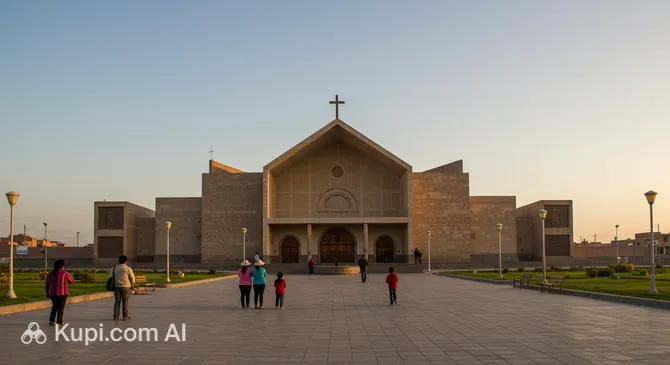
An important religious and cultural center in Ica is the Sanctuary of the Lord of Luren. This church is dedicated to the city's patron saint, the Lord of Luren, and attracts many pilgrims, especially during the annual festival in October. The church building, restored after earthquakes, is a striking example of local religious architecture and a place of spiritual strength for believers.

Sanctuary of the Lord of Luren. Illustration.
Source: Kupi.com AI

Traveler photos:

Another mystical place worth visiting is the Cachiche Witch Park. Legend has it that witches with healing powers once lived here. The park's main attraction is the famous Seven-Headed Palm Tree, which, according to tradition, grants wishes. This place is steeped in mystery and local flavor, offering tourists an unusual experience.

Local Cuisine

The gastronomy of Ica is a true journey for the taste buds, infused with the aromas of the desert and the freshness of the Pacific Ocean. This region of Peru is famous for its vineyards and, of course, is the birthplace of the legendary grape brandy—pisco. Tasting pisco at one of the local wineries (bodegas) or as part of the famous Pisco Sour cocktail is a mandatory item on the itinerary for any guest of the city.

Among the dishes that are a must-try in Ica, fresh seafood specialties stand out. Ceviche—fish marinated in lime juice with onions and chili peppers—is prepared excellently here. Also popular are seafood carpaccio and various stews, such as carapulcra (a hearty dish made from dried potatoes and pork or chicken) or aromatic meat stews simmered with local spices and wine. Don't forget empanadas—delicious pastries with various fillings that are perfect for a quick snack.

In addition to pisco and pisco-based cocktails, in Ica you can enjoy refreshing natural juices made from local fruits, especially the grapes grown here in abundance. Grapes are also used to make delicious jam and other sweets. Locals and tourists love to visit both traditional restaurants, where you can thoroughly get to know the regional cuisine, and lively street stalls and markets. The markets are always the place to find the freshest fruits, vegetables, and other local products.

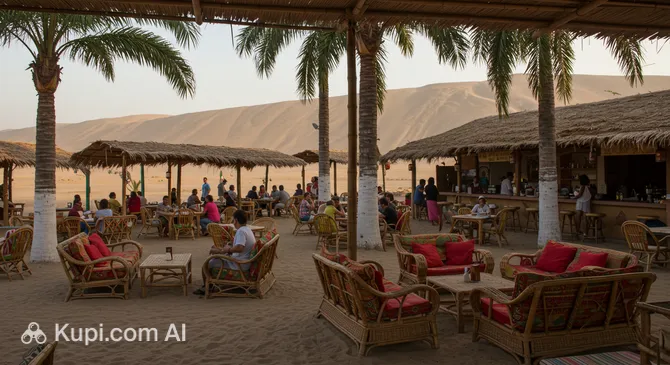
Bananas Restaurant Huacachina. Illustration.
Source: Kupi.com AI

Traveler photos:

The food culture in Ica is diverse, ranging from cozy family restaurants to more modern establishments. For example, Bananas Restaurant Huacachina offers both local and international dishes in the picturesque setting of the oasis. Street food also plays an important role, offering tasty and authentic options for exploring local culinary traditions on the go. The gastronomic scene of Ica attracts visitors with its authenticity, focus on fresh local ingredients, and, of course, the hospitality with which every food lover is greeted here.

Travel Tips

Planning a trip to sunny Ica, the gem of the Peruvian desert? To make your journey as comfortable and memorable as possible, we have prepared some practical tips. They will help you better navigate on-site and enjoy all the wonders of this amazing region.

  1. Clothing and Essentials: The climate in Ica is desert-like, so bring light, breathable clothing made of natural fabrics. High SPF sunscreen, a headpiece (hat or cap), and sunglasses are essential. It can be cooler in the evenings, so a light sweater or windbreaker won't hurt. Comfortable closed shoes are your best friend for city walks and excursions, especially if you plan to visit the Huacachina Oasis. Don't forget a universal adapter; Peru uses type A and C sockets (220V voltage, 60Hz frequency).
  2. Transport: In Ica, it's convenient to get around by mototaxis (tuk-tuks)—the most popular and inexpensive form of transport for short trips. Regular taxis are also available; always agree on the price in advance or make sure the driver turns on the meter (though this is less common). For trips to the surroundings, such as wineries or the desert, you can use the services of travel agencies, which often offer transport as part of a tour. Car rental could be an option if you plan many independent trips around the region, but it's not necessary for getting around the city itself.
  3. Finance: The local currency is the Peruvian Sol (PEN). You can exchange dollars or euros at banks or exchange offices (\"casas de cambio\"). Credit cards are accepted in large hotels, restaurants, and supermarkets, but in smaller establishments and markets, it's better to have cash. ATMs are quite common. A rough daily budget can vary, but count on 30-50 USD per person excluding expensive excursions and accommodation. Tips in restaurants are usually 10% of the bill and are often already included, but a small extra reward for good service is welcome.
  4. Health and Safety: Pharmacies (\"farmacias\" or \"boticas\") are easy to find in Ica, and some operate 24/7. It is recommended for tourists to drink only bottled water. Ica is generally considered a safe city for tourists, but as always, basic precautions should be followed: do not leave belongings unattended, avoid showing off expensive jewelry and electronics, especially in crowded areas and at night. Central districts and tourist zones are usually safer. If necessary, contact the tourist police.
  5. Communication: The official language is Spanish. In tourist areas, hotel and restaurant staff may speak English, but knowing a few basic Spanish phrases (e.g., \"Hola\" – hello, \"Gracias\" – thank you, \"¿Cuánto cuesta?\" – how much does it cost?) will significantly ease your communication with locals and make your trip more pleasant. You can buy a local SIM card (e.g., Claro or Movistar) at official communication stores or small shops. Wi-Fi is available in most hotels, cafes, and restaurants.
  6. Local Etiquette: Peruvians are generally friendly and hospitable. It is customary to say hello (\"Buenos días\" – good morning, \"Buenas tardes\" – good afternoon). When visiting churches and religious sites, dress modestly. If you want to photograph locals, politely ask for permission. A little bargaining is appropriate in markets, but do it with a smile and respect.
  7. What to Avoid: Try not to drink tap water. Be cautious with street food if you have a sensitive stomach; choose reputable places. Do not agree to the services of dubious \"guides\" or taxi drivers who offer their services too aggressively on the street.
  8. Additional Tip: Ica is the heart of Peru's wine-growing region, famous for its pisco. Be sure to visit one of the local wineries (\"bodegas\") for a tasting of this national drink and wine. And, of course, don't miss the chance to visit the Huacachina Oasis, where you can sandboard down the dunes and take an exciting buggy ride!

We hope these tips make your journey to Ica even more exciting and carefree. Enjoy the sun, unique landscapes, and the hospitality of this wonderful Peruvian city!

Entertainment & Nightlife

When the sun sets over the desert landscapes of Peru, the city of Ica and especially its famous Huacachina Oasis come alive, offering tourists a variety of opportunities for evening and night-time relaxation. Although Ica does not boast the scale of nightlife found in major metropolises, it has its own special atmosphere, particularly attractive for travelers looking to unwind after a day full of adventure.

The main hub of nightlife is undoubtedly the Huacachina Oasis, located a few kilometers from the center of Ica. Here, around the picturesque lagoon, are many bars, small clubs, and restaurants open until late at night. The atmosphere in Huacachina is very relaxed and international, attracting mostly young crowds and backpackers. There is usually no dress code—comfortable casual clothes are just right here. The music ranges from Latin American rhythms to popular international hits. Establishments usually start to fill up closer to 10:00-11:00 PM, especially on weekends.

Among the specific places to spend an evening, Bruce Bar is worth noting, known for its lively atmosphere and good selection of drinks. If you want something more active and fun, you can check out Sopranos Karaoke, where everyone can try their hand at being a star. For those who get hungry late at night, Pizza Car offers not only pizza but also drinks in a casual setting.

Bruce's Bar. Illustration.
Source: Kupi.com AI

Traveler photos:

In the city of Ica itself, there are also bars and discos oriented more toward locals, but open to tourists as well. They can offer a more authentic Peruvian nightlife experience. Prices in most establishments in Ica and Huacachina are quite moderate. The most convenient way to travel between the city center and Huacachina at night is by taxi. It is recommended to use official taxis or call a car through apps if available, and always agree on the price of the trip in advance.

In terms of safety, Huacachina is considered a relatively safe place for night walks, especially in the busy areas around the lagoon. However, as elsewhere, it is worth taking basic precautions: do not leave belongings unattended and be mindful of your surroundings. In the center of Ica at night, it is better to stick to well-lit streets.

During the day, Ica offers other forms of entertainment. You can visit the Adolfo Bermúdez Jenkins Regional Museum of Ica to learn more about the history and culture of the region. A trip to the Huacachina Oasis will leave unforgettable impressions, where you can go sandboarding or buggy riding through the dunes during the day. For a quiet stroll, Abraham Valdelomar Park or the mystical Cachiche Witch Park is suitable.

Parks & Museums

The city of Ica offers its guests both a breath of fresh air in green oases and an immersion into the region's rich history and culture through its museums and landmarks. Here, everyone will find something for themselves, whether it's a quiet break in nature or a fascinating encounter with the past.

One of the most iconic natural wonders near Ica is, undoubtedly, the Huacachina Oasis. This picturesque lake, surrounded by high sand dunes, palms, and eucalyptus trees, offers not only peaceful landscapes but also opportunities for active recreation like sandboarding and buggy riding. This place feels like it stepped out of a fairytale and is sure to leave an unforgettable impression.

Huacachina Oasis. Illustration.
Source: Kupi.com AI

Traveler photos:

In the city itself and its surroundings, there are several interesting parks. The Cachiche Witch Park is a place with a mystical atmosphere, known for its legends of witches and healers. Here you can see the famous Seven-Headed Palm Tree, which is considered a symbol of luck and wish fulfillment. For a more traditional rest, Abraham Valdelomar Park, named after the famous Peruvian writer, is ideal for a stroll to escape the city bustle. The central Plaza de Armas of Ica is also a pleasant green space surrounded by colonial architecture, perfect for starting your exploration of the city.

Witches of Cachiche Park. Illustration.
Source: Kupi.com AI

Traveler photos:

The main repository of the region's history and culture is the Adolfo Bermúdez Jenkins Regional Museum of Ica. It houses unique artifacts from the pre-Columbian Nazca and Paracas cultures, including famous textiles, ceramics, and mummies. The museum's exhibits allow for a deep dive into the ancient history of this land and an understanding of its cultural heritage. This is a must-visit for anyone interested in Peruvian archaeology and history.

Regional Museum of Ica Adolfo Bermúdez Jenkins. Illustration.
Source: Kupi.com AI

Traveler photos:

Among architectural and religious landmarks, the Sanctuary of the Lord of Luren, the city's patron saint, stands out. It is an important pilgrimage site, especially during annual festivities. The Church of San Francisco de Asís, which is an example of colonial religious architecture, is also noteworthy.

For an authentic experience beyond the main tourist routes, pay attention to the local markets, where you can feel the true spirit of Ica and taste fresh local products. And if you want to touch the mystical side of the region, don't limit yourself to the Witch Park—talk to the locals; they can tell many interesting stories and legends associated with this land.

Getting Around

You can get around Ica using several types of public transport that will help you reach the main points of the city and its surroundings. The public transport system here is quite simple and adapted to the needs of both locals and tourists.

The main types of transport in Ica are buses (often called \"combis\" or \"coasters\") and mototaxis. Buses run along specific routes, connecting different areas of the city. They do not have a strict schedule but run quite frequently. Fares are usually paid in cash directly to the driver or conductor upon entering or exiting. The cost is low, but it's better to have small change on you.

Mototaxis are a popular and fast way to travel short distances, especially in the central part of the city or for trips to places where buses do not go, such as the Huacachina Oasis. The price for a mototaxi ride should be agreed upon with the driver in advance, before starting the trip, as there are no fixed rates. This is also a great option if you want to reach a specific place quickly.

Taxis are also widely available in Ica. They can be hailed on the street or ordered through local services, if available, or via ride-hailing apps that might operate in the region. As with mototaxis, it is recommended to agree on the fare before boarding, as not all taxis are equipped with meters, or they may not be used. Overall, taxi prices are moderate.

Practical Tips for Tourists: Always carry small change in cash to pay for fares. Tickets in the usual sense (like on subways or trams in large cities) are generally not used here; payment is made directly. Public transport operating hours can vary, but main routes are active from early morning until late evening. For trips out of town or to remote attractions, you might consider renting a car with a driver or using the services of travel agencies that offer transfers.

As an alternative for short walks around the city center, you can always choose to go on foot, which will allow you to better experience the atmosphere of Ica. Bike rentals or car sharing are less common compared to large metropolises, so the main ways to get around remain buses, mototaxis, and taxis.

Accommodation

In Ica, travelers will find a variety of accommodation options to suit different budgets and preferences. The range of housing extends from budget hostels and guesthouses to comfortable mid-range hotels and short-term rental apartments. Luxury resorts are less common here, with the main focus on more affordable and authentic accommodation options.

Many tourists prefer to stay in the Huacachina oasis area, which is located near the city. This popular spot offers a unique atmosphere and easy access to activities such as sandboarding and dune buggy rides. In the city of Ica itself, convenient areas to stay are those located near the Plaza de Armas, as it is easy to reach major attractions, restaurants, and shops like the El Quinde Shopping Plaza Ica or Plaza del Sol Ica from there.

The price range for accommodation in Ica varies from budget to mid-range. You can find a suitable option on popular international online booking platforms or by contacting hotels and guesthouses directly. It is recommended to book your accommodation in advance, especially if your trip coincides with the peak tourist season or local holidays, to ensure the best choice and prices.

Nearby Cities

For those who want to explore the surroundings, Ica serves as an excellent starting point for day trips to several interesting nearby locations. For example, Pisco, located just 63 km away, attracts travelers not only as the birthplace of the famous drink of the same name but also as the gateway to the Paracas National Reserve with its rich marine life and impressive desert landscapes. Also of interest is Ayacucho (192 km from Ica)—a city with a rich colonial heritage, known for its numerous churches and unique handicrafts, offering an immersion into the history and culture of Peru.

Below is a table with some other cities in the vicinity of Ica that may also be interesting to visit:

CityPopulationDistance
Pisco109 96563 km
Chincha Alta63 67184 km
Nazca22 859119 km
San Vicente de Cañete25 829131 km
Huancavelica49 570165 km

These nearby destinations offer a wonderful opportunity to get to know the diverse culture, history, and breathtaking natural scenery of the region more deeply.

Shopping & Souvenirs

Shopping in Ica is a pleasant addition to exploring this sunny region of Peru. The city, primarily known for its vineyards and pisco production, offers tourists both modern shopping centers and authentic local goods. Here you can find high-quality alpaca products, original souvenirs and, of course, taste and purchase the famous local drinks.

Main shopping spots are concentrated in the city center, especially around the Plaza de Armas and its adjacent streets. Here you will find small shops, souvenir stalls, and pharmacies. A stroll through these streets will allow you to soak in the local atmosphere and find interesting items. Also, look out for shops along the city's main avenues.

For a more familiar shopping experience, there are several shopping malls in Ica. One of the largest is the El Quinde Shopping Plaza Ica, which features various chain stores for clothing, shoes, electronics, as well as a food court and entertainment zones. Another popular option is Plaza del Sol Ica, offering a good selection of shops and services.

El Quinde Shopping Plaza Ica. Illustration.
Source: Kupi.com AI

Traveler photos:

Although Ica doesn't have famous markets like some other Peruvian cities, you can find local \"mercados\" here. These are usually food markets selling fresh fruit (especially grapes), vegetables, and other local produce. Sometimes, in these markets or near tourist spots, you can find vendors offering handicrafts and souvenirs.

Plaza del Sol Ica. Illustration.
Source: Kupi.com AI

Traveler photos:

From Ica, it is worth bringing back, first and foremost, pisco—the national Peruvian grape brandy. Local wineries (bodegas) offer a wide choice of this drink. Local wines are also popular. Besides alcohol, look for alpaca wool products (sweaters, scarves, hats), ceramics with traditional patterns, textiles, and small souvenirs related to the Nazca culture or the region's nature, such as carved pumpkins called \"mate burilado\".

Shops in Ica usually open from 10:00 AM to 8:00 PM or 9:00 PM; some small shops might close for a lunch break (siesta) from about 1:00 PM to 3:00 PM. Large shopping centers operate without breaks, often until 10:00 PM. Credit cards (Visa, Mastercard) are accepted in shopping centers and large stores. In markets and small souvenir shops, cash (Peruvian Soles) is preferred.

Regarding Tax Free, the VAT refund system for tourists in Peru is not as widespread as in some other countries. However, when making large purchases in authorized stores, it is worth asking the seller about the possibility of arranging documents for a tax refund.

Reached the end of the page?

That means the route is fully explored