Support

Antipolo Cathedral

About

Antipolo Cathedral is a revered religious structure located in Antipolo City, near bustling Manila, in the Philippines. It serves as an important center of spiritual life for many believers and attracts pilgrims, making it an iconic site for both locals and visitors to the country.
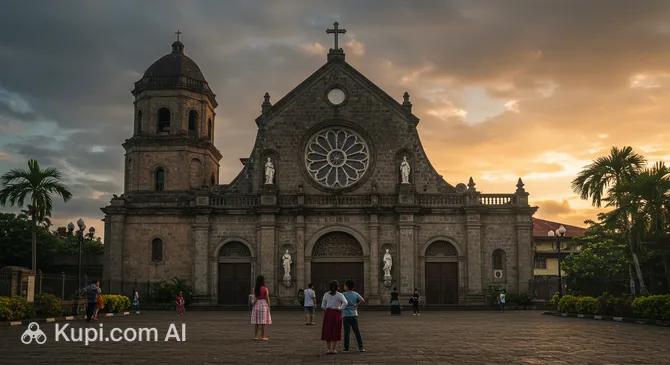
Antipolo Cathedral. Illustration.
Source: Kupi.com AI

Traveler photos:

Like many cathedrals in the Philippines, a country with deep Christian traditions, Antipolo Cathedral plays a significant role in the region's cultural and religious life. A visit here offers a chance to experience the spiritual side of Filipino culture and see how faith is interwoven with everyday life.

For tourists, Antipolo Cathedral is of interest not only as a pilgrimage site but also as a place to experience a special atmosphere of peace. While it may not have the same worldwide fame as some other cathedrals, its importance to the local community and its serene beauty make it worthy of attention when exploring attractions around Manila.

Contacts

Unfortunately, exact contact details for Antipolo Cathedral, such as a phone number or email address, are not always easy to find in the public domain. We recommend that tourists planning a visit check the official cathedral website (if one exists) for up-to-date information on opening hours and services, or contact tourist information centers in Manila or directly on-site upon arrival.

How to contactContact
AddressDela Paz St, Antipolo, 1870 Rizal, Philippines
Phone number+63 2 8571 7347

What to Do

When visiting Antipolo Cathedral, you will immerse yourself in a spiritual atmosphere and appreciate its architectural features. As in many Filipino churches, you can take a close look at the building's exterior and its interior decor. Pay attention to the altar, icons, and any religious artifacts that are often an important part of such shrines. This is a wonderful opportunity to learn about the religious art and traditions of the Philippines.

The main activity for many visitors is, of course, prayer and participating in religious services, should your visit coincide with them. Even if you are not religious, you can simply spend some time in silence, observing the rituals or enjoying the cathedral's calm atmosphere. This place encourages reflection and provides insight into the vital role of faith in the lives of the local population.

Beyond the cathedral itself, it's worth noting that the city of Antipolo offers other points of interest. For instance, if you have free time after visiting the cathedral, you could stop by the Pinto Art Museum. This museum is famous for its collection of contemporary art and its beautiful grounds, which can be a pleasant addition to your trip to this area near Manila.

Getting There

Antipolo Cathedral is located in Antipolo City, which lies east of Manila. There are several ways to get there from the capital of the Philippines, and your choice will depend on your budget and preferred level of comfort. Given that Antipolo is a popular pilgrimage and recreation site, transport links with Manila are well-developed.

One of the most common and budget-friendly ways to reach Antipolo Cathedral is by public transport. Buses, jeepneys (traditional Philippine shared taxis), and UV Express vans depart regularly from various parts of Manila, especially from major transport hubs like Cubao or terminals in the Shaw Boulevard or Ortigas areas. The journey by public transport can take between 1 and 2 hours, depending on your starting point and traffic conditions. It is recommended to check with locals or at transport terminals for the most convenient route to the cathedral itself in Antipolo.

For a more comfortable and faster journey, you can use taxi services or book a car through popular ride-hailing apps in the Philippines, such as Grab. This will allow you to reach Antipolo Cathedral directly without transfers. While more expensive than public transport, this option can be more convenient, especially if traveling with luggage or in a group. Be aware that traffic in Manila and on the approaches to Antipolo can be very heavy, particularly during peak hours and weekends, so allow extra time for your journey.

Upon arrival in Antipolo City, the cathedral itself is easy to find as it is one of the main landmarks. If you arrive by public transport that may not stop right at the entrance, you can always take a local tricycle taxi for the short distance to the cathedral. When planning your trip, it is also useful to check current information on transport options, as routes and schedules can change.

Nearest city: Manila

History & Facts

While specific historical details and the exact founding date of Antipolo Cathedral may not be as extensively documented as some of the other iconic churches in the Philippines, its importance as a spiritual center is undeniable. The cathedral's history is inextricably linked to the deep-rooted Christian traditions that began to take shape in the archipelago with the arrival of the Spanish.

The spread of Christianity in the Philippines began in the 16th century, with Spanish colonization playing a key role. The Spanish established their citadel, Intramuros, in Manila in 1571, and it was from there that Catholicism began its spread across the islands. This historical process led to the Philippines becoming a predominantly Christian country, a unique feature for the Southeast Asian region.

Unlike, for example, Manila Cathedral, whose rich history dates back to 1571 when it was built as a parish church, the details of the early history of Antipolo Cathedral are less known to the general public. Nevertheless, it is a prime example of how deeply faith is rooted in Filipino culture, serving as a major draw for pilgrims and believers for many years.

Thus, Antipolo Cathedral today is not just an architectural structure, but a living testament to centuries of Christian history in the Philippines. Its significance for believers and its role in the spiritual life of the region highlight the special atmosphere that attracts both locals and travelers wishing to experience the country's unique cultural heritage.

Time Needed

When planning a visit to Antipolo Cathedral, it's important to know that there are no official recommendations regarding the time needed for a tour. However, to get a general sense of the cathedral, its architecture, and its atmosphere, most visitors will need about 1-2 hours. This estimate is approximate and may vary depending on your plans and interests.

The duration of your stay will largely depend on how deeply you want to immerse yourself in the atmosphere of this significant place. If your goal is a quick look at the main elements and the exterior, 30-60 minutes might be enough. However, if you wish to attend a service (provided your visit coincides with one), dedicate time to prayer, study the icons and interior in detail, or simply sit in quiet contemplation, you should plan for at least 1.5-2 hours. Also, if a visit to Antipolo Cathedral is part of a more extensive itinerary around Antipolo City, the total time required for a trip to this area will increase accordingly.

Working Hours

Unfortunately, exact information regarding the opening hours of Antipolo Cathedral is not always available in public sources. Since the schedule of services and the times when the cathedral is open to visitors may change, it is strongly recommended to check for current information before your visit. It is best to consult the official cathedral website, if available, or check details with local tourist information centers in Manila or directly in Antipolo.

Typically, Catholic cathedrals are open to visitors daily, though there may be specific hours for tourists outside of service times. Currently, there is no information regarding the need for advance ticket bookings to enter Antipolo Cathedral; however, participation in special events or tours (if offered) may require prior registration. The cathedral is expected to be open year-round, but it is always best to confirm details in advance to ensure your visit goes smoothly.

DayOpening hours
Monday5:00 – 20:00
Tuesday5:00 – 20:00
Wednesday5:00 – 20:00
Thursday5:00 – 20:00
Friday5:00 – 20:00
Saturday5:00 – 20:00
Sunday5:00 – 22:00

Nearby

Visiting Antipolo Cathedral is undoubtedly a significant event, but exploring its surroundings can make your trip to Manila even more fulfilling and multi-faceted. The area around the cathedral and nearby territories offer many other interesting places to suit all tastes—from historical monuments to natural beauty and cultural sites.

Exploring these nearby attractions will allow you to dive deeper into the local atmosphere and learn more about the culture and nature of the Philippines, complementing your impressions of the cathedral itself. Whether you have a few hours or a whole day to spare, discovering what's nearby will enrich your visit and provide new, vivid memories.

NameDistance
Antipolo Church Historical Marker0 km
Hinulugang Taktak Protected Landscape1.2 km
Pintô Art Museum1.5 km
Timberland Highlands Resort10.2 km
Xylo13.6 km
Grand Hyatt Manila13.8 km
Tales of Illumina14.1 km

Have you reached the end of the page?

So the route has been studied inside and out