Support

Manila Cathedral

About

The Manila Cathedral is more than just a church; it is the heart of the Catholic faith in the Philippines and the official seat of the Archbishop of Manila. Located in the historic Intramuros district in the center of Manila, this cathedral is one of the country's most significant religious and architectural monuments, a witness to many historical events.
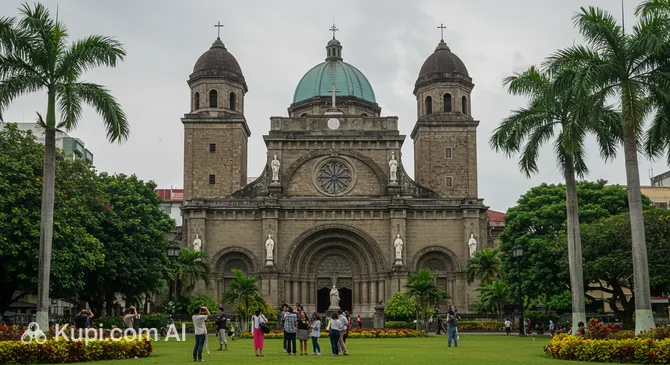
Manila Cathedral. Illustration.
Source: Kupi.com AI

Traveler photos:

The cathedral building, designed in a majestic Neo-Romanesque style, leaves an indelible impression with its monumental facade and luxurious interiors. Inside, you will find high vaults, exquisite stained glass windows, and rich ornamentation that create an atmosphere of reverence and peace. It is not only a place for prayer but a true spiritual center that draws the faithful.

Beyond its religious significance, the Manila Cathedral is one of the city's top tourist attractions. Every year, thousands of pilgrims and travelers from around the world come here to connect with history, admire the architectural splendor, and experience the special atmosphere of this sacred place.

Contacts

Unfortunately, specific contact details for the Manila Cathedral are not currently listed. To obtain the most up-to-date information regarding opening hours, service schedules, or visiting opportunities, we recommend visiting the cathedral's official website or inquiring locally upon your arrival in Manila. The cathedral is located in the historic Intramuros district and is easily accessible by public transport or taxi within Manila.

How to contactContact
AddressCabildo, 132 Beaterio St, Intramuros, Manila, 1002 Metro Manila, Philippines
Phone number+63 2 8527 3093
Websitemanilacathedral.com.ph

What to Do

Visiting the Manila Cathedral is a unique opportunity to connect with the centuries-old history of Catholicism in the Philippines and appreciate its cultural importance. Once inside, you can immerse yourself in the atmosphere of tranquility and grandeur that reigns beneath its vaults. It is a place where history meets spirituality, offering visitors a profound experience.

Inside the cathedral, your attention will certainly be drawn to the exquisite stained glass windows, which filter soft light and create a special, almost mystical atmosphere. Don't miss the chance to take a closer look at the numerous sculptures and magnificent architectural elements, each carrying a piece of history. Special attention should be paid to the main altar—the heart of the cathedral—as well as the memorial plaques and monuments dedicated to significant figures in Filipino history, telling the story of the country's past.

For those who want to understand the spiritual life of the cathedral more deeply, regular services are held and are open to all. There is also often the opportunity to join a guided tour of the interior halls and the surrounding grounds to learn more about the history and architectural features of this iconic Manila landmark. Many visitors find peace here, spending time in meditation or prayer. And, of course, don't forget to take photos—the cathedral's majestic interiors and exterior provide a beautiful backdrop for memorable shots.

Getting There

The Manila Cathedral is conveniently located in the heart of Manila's historic Intramuros district. This makes it easily accessible for tourists exploring this part of the city. There are several ways to reach the cathedral, depending on your preferences and starting point.

One of the most popular options is to use a taxi service or book a ride through mobile apps. This is especially convenient if you are staying in the central districts of Manila and value comfort and safety. Additionally, public transport runs to Intramuros: you can take the colorful local jeepneys or buses. The nearest bus stops and metro stations are within walking distance of the cathedral, making it easy to reach from various parts of the city.

If you are already in the Intramuros area exploring its other attractions, the Manila Cathedral can be reached on foot. The Intramuros district itself is pedestrian-friendly, and walking through its ancient streets is a pleasure. Getting around Intramuros is convenient and well-suited for self-guided walks, allowing you to enjoy the atmosphere of this historic site.

Nearest city: Manila

History & Facts

The history of the Manila Cathedral dates back to the 16th century. The first church on this site was built in 1571 by a Spanish priest, Juan de Vivero, who had arrived from Mexico five years earlier. By 1581, following a papal decree, the church was officially proclaimed a cathedral, becoming the center of the Archdiocese of Manila and an important spiritual landmark in Manila.

Throughout its centuries-long history, the Manila Cathedral has been destroyed several times, only to rise from the ruins like a phoenix. The original wooden church burned to the ground in 1583. The second church, built of stone, was destroyed by an earthquake in 1600. The third cathedral met the same fate in 1645. This succession of tragedies and restorations highlights the incredible resilience and significance of this site for the faithful.

The current building of the Manila Cathedral—the eighth version—which we see today is the result of several reconstructions, the most recent of which was completed in the 20th century following another series of devastating earthquakes. Thus, every stone of this majestic structure holds the memory of the past, serving as a vibrant symbol of the faith and unyielding spirit of the Filipino people. Visiting the cathedral is an opportunity to touch the living history of the Philippines.

Time Needed

When planning a visit to the Manila Cathedral, you should allow for approximately 1–1.5 hours. This is generally enough time for most visitors to explore the cathedral's main architectural features, its interiors, and the surrounding grounds without rushing.

During this time, you can not only admire the majestic facade and interior decor, including the famous stained glass windows and the main altar, but also soak in the atmosphere of this significant historical and spiritual site. If you plan to attend a service or study every corner and its history in more detail, you might need a bit more time.

Working Hours

Unfortunately, exact information regarding the Manila Cathedral's opening hours is currently unavailable. As the cathedral is an active religious site, its visiting hours may vary, especially during services or special events. Generally, such prominent attractions are open to the public year-round, but it is always best to double-check the details.

For the most up-to-date information on visiting hours, as well as any requirements for advance booking or registration (which is unlikely for general access but may be needed for tours), it is highly recommended to visit the official website of the Manila Cathedral or consult local tourist information centers upon arriving in Manila. This will help you plan your visit effectively.

7:00 – 17:00

Nearby

A visit to the Manila Cathedral will undoubtedly be a highlight of your trip to Manila. However, to make your experience even more complete and multifaceted, it is worth paying attention to its surroundings. Often, nearby attractions help to better understand the context and atmosphere of a place, revealing new facets of its history and culture.

Exploring what lies near the cathedral will not only allow you to optimize your itinerary but also discover other interesting sites that may not be as widely known but are no less fascinating. This is a great opportunity to broaden your horizons and see more than originally planned. Below is a list of some attractions located near the Manila Cathedral, with the approximate distance to each.

NameDistance
Intramuros0.3 km
Casa Manila0.3 km
Jones Bridge0.6 km
National Museum of Fine Arts1 km
National Museum of Anthropology1.1 km
National Museum of Natural History1.3 km
Coconut Palace2.5 km

Have you reached the end of the page?

So the route has been studied inside and out