Support

Quiapo Church (Minor Basilica and National Shrine of the Black Nazarene)

About

The Quiapo Church (Minor Basilica and National Shrine of the Black Nazarene) is a prominent Roman Catholic church of the Latin Rite, located in the vibrant Quiapo district, in the heart of Manila, the capital of the Philippines. This temple is one of the most famous and revered religious structures in the country, attracting both pilgrims and curious travelers with its rich history and deep spiritual atmosphere.
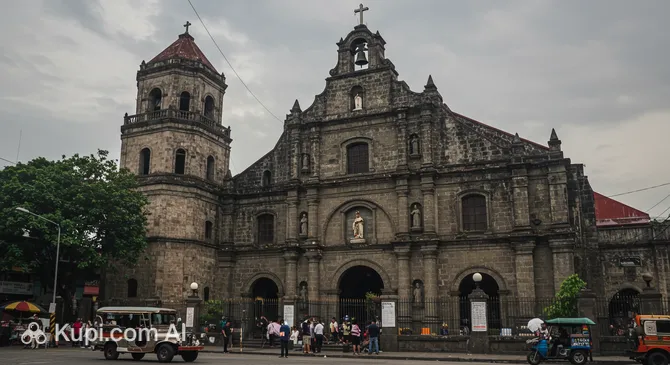
Quiapo Church (Minor Basilica and National Shrine of the Black Nazarene). Illustration.
Source: Kupi.com AI

Traveler photos:

The church's main shrine and the reason for its worldwide fame is the miraculous statue of the Black Nazarene. This life-sized sculpture of Jesus Christ carrying the cross is carved from dark wood and, according to tradition, possesses healing powers. Every year, millions of pilgrims and believers flock here, especially during the grand January Traslación procession, to pay their respects and pray at this relic.

Quiapo Church is more than just a place of prayer; it is an important cultural and historical site in Manila. It plays a central role in the social and spiritual life of the city, being a place where deep faith, centuries-old traditions, and unique Filipino culture intertwine. A visit to the church allows you to touch the heart of religious life in the Philippines and feel the special, reverent atmosphere of this sacred place.

Contacts

For up-to-date information on opening hours, service schedules, and potential contact details for the Quiapo Church (Minor Basilica and National Shrine of the Black Nazarene), it is recommended to visit the official website of the church, if available, or consult local information resources in Manila. Such information can often be found on the tourism portals of the Philippines or directly at the church entrance, where relevant announcements may be posted.

How to contactContact
Address910 Plaza Miranda, Quiapo, Manila, 1001 Metro Manila, Philippines
Phone number+63 2 8733 4434
Websitequiapochurch.com.ph

What to Do

Visitors to the Quiapo Church (Minor Basilica and National Shrine of the Black Nazarene) can begin their experience by admiring the majestic facade and impressive interior of this historical temple. Inside, unique architecture and a special, poignant atmosphere await you. The main point of attraction is, of course, the statue of the Black Nazarene, located in the altar area. Every day, believers come to this revered shrine to offer prayers and personal petitions, allowing visitors to witness profound religious devotion.

Of particular interest is visiting the church during the annual feast of the Black Nazarene, known as Traslación, which takes place in January. During these days, the Quiapo district is transformed, hosting millions of pilgrims participating in a grand procession—it is truly an unforgettable sight. However, even on ordinary days, the temple is never empty: it remains a popular place for prayer, meditation, and a quieter introduction to the rich local religious culture.

In addition to spiritual experiences, life is bustling around Quiapo Church. A lively market stretches out directly next to the temple. Here you can find various souvenirs to remember your trip, purchase religious items, or even try authentic local street food, which will add vibrant colors to your visit and allow you to immerse yourself deeper in the atmosphere of Manila.

Getting There

The Quiapo Church (Minor Basilica and National Shrine of the Black Nazarene) is located in the very heart of Manila, in the bustling Quiapo district, making it highly accessible for travelers. Thanks to its central location, the church can be reached in various ways, depending on your location and preferences.

One of the most common options is a taxi, which will take you directly to the church from any point in the city. However, given the heavy traffic in Manila, especially during peak hours, this may not be the fastest way. A more authentic and often more economical option is to take local public transport. Numerous bus routes and the famous Philippine jeepneys pass through the Quiapo district or its immediate vicinity.

For those who prefer to travel by metro, the nearest Light Rail Transit (LRT) stations are within walking distance of the church. From stations such as Carriedo or Central Terminal, you can reach Quiapo Church in just a few minutes. This is a convenient way to avoid road congestion. You can also walk if you are in other central districts of Manila and enjoy exploring the city on foot.

It is important to keep in mind that the Quiapo area can be particularly crowded, especially on Fridays (the traditional day of devotion to the Black Nazarene) and during major religious festivals, such as the January Traslación. During these periods, it is recommended to use public transport and be prepared for large crowds. By planning your route in advance, you can easily reach this iconic landmark of the Philippines.

Nearest city: Manila

History & Facts

The Quiapo Church (Minor Basilica and National Shrine of the Black Nazarene) has a long and rich history, dating back to the very beginning of the 17th century. It was then that the foundations for this iconic temple were laid. Over the centuries of its existence, the church has repeatedly suffered from devastating fires and earthquakes, leading to several large-scale reconstructions. Its current appearance is the result of these restorations, which have carefully preserved the spirit of the place. A major milestone in the history of the church was the arrival of its primary relic—the statue of the Black Nazarene. This revered sculpture was brought from Mexico in the early 1600s, and since then, its fate has been inextricably linked with the temple and the faith of the Filipino people.

The statue of the Black Nazarene quickly became more than just a relic; it became a powerful symbol of hope, faith, and resilience for millions of Filipinos. Its unusual dark color gave rise to many legends; one of the most common states that the statue was originally light-colored but darkened from candle smoke or during a fire on the ship carrying it from Mexico, miraculously surviving. This image of the suffering Christ carrying the cross resonates deeply with the religious sentiments of the local population. Thanks to this shrine, the church itself took a central place in the spiritual life of Manila and the entire Philippines, becoming one of the main pilgrimage centers in the country.

The Quiapo district, where the church is located, is historically considered the "old center of Manila," and the temple has always played a key role in its social and cultural life. It is not just a place for prayer, but also an important historical monument reflecting the rich history of the city. Due to its unique status, centuries-old history, and architectural value, Quiapo Church attracts the attention not only of the deeply religious but also of historians, architects, and curious travelers from all over the world, seeking to experience the cultural heritage of the Philippines.

Time Needed

When planning a visit to the Quiapo Church (Minor Basilica and National Shrine of the Black Nazarene) in Manila, you should aim for 1-2 hours. This time is generally sufficient to see the main parts of the basilica, soak in its atmosphere, and take a few memorable photos.

However, if you want to immerse yourself deeper in the spiritual life of this iconic site, your stay may take longer. For example, if you plan to participate in a Mass, stay for personal prayer, or study the architectural features and interior decoration of the temple in more detail, it is better to set aside up to half a day for the visit. You should also take into account that the area near the church is often busy, and if you want to explore the surroundings or visit the nearby market, this will also require additional time.

Working Hours

The Quiapo Church (Minor Basilica and National Shrine of the Black Nazarene) in Manila is generally open to visitors daily. Usually, the doors of the temple open in the early morning and remain open until late evening. However, as it is an active religious institution, the exact schedule may vary depending on the timing of services, religious holidays, and other church events.

For the most up-to-date information on the opening hours of Quiapo Church, especially if you are planning a visit at a specific time or day, it is highly recommended to check the official website of the basilica (if available) or verify the details at local tourist information centers immediately before your visit. Generally, for a regular visit for sightseeing purposes, prior booking or ticket purchase is not required, but it is always useful to check this information, especially if you are interested in guided tours or participating in special services.

DayOpening hours
Monday5:00 – 19:00
Tuesday5:00 – 19:00
Wednesday5:00 – 19:00
Thursday5:00 – 19:00
Friday4:00 – 21:00
Saturday5:00 – 19:00
Sunday4:00 – 21:00

Nearby

A visit to the Quiapo Church (Minor Basilica and National Shrine of the Black Nazarene) will undoubtedly be one of the highlights of your trip to Manila. However, to make your journey even more rewarding and complete, it is worth paying attention to the attractions located nearby. Exploring the surrounding area will allow you to dive deeper into the city's atmosphere, see more interesting places, and gain a more comprehensive understanding of the cultural and historical heritage of the capital of the Philippines.

The district around Quiapo Church is colorful and lively in itself, but other iconic sites, each unique in its own way, are within walking distance or a short distance away. This is a wonderful opportunity to expand your itinerary and discover new facets of Manila without spending a lot of time traveling.

NameDistance
Jones Bridge0.8 km
Intramuros1.3 km
National Museum of Fine Arts1.3 km
Casa Manila1.3 km
National Museum of Anthropology1.5 km
National Museum of Natural History1.7 km
Coconut Palace3 km

Have you reached the end of the page?

So the route has been studied inside and out