Support

Church of Sant Romà

About

In the heart of the resort town of Lloret de Mar stands its main architectural symbol—the Church of Sant Romà (Iglesia de Sant Romà). This parish church, located on Plaça de l'Església, is dedicated to Saint Romanus, the patron saint of the town, and is a true gem of Catalan architecture.
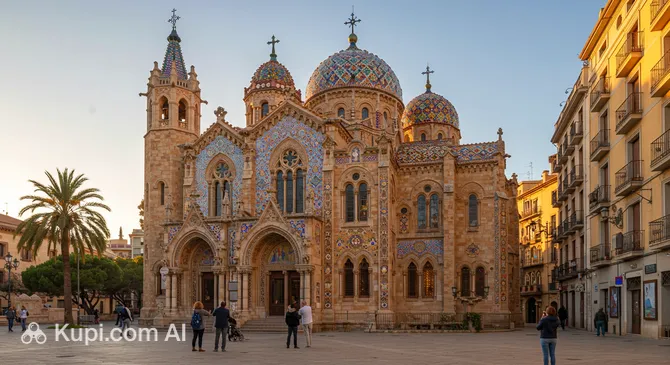
Church of Sant Romà. Illustration.
Source: Kupi.com AI

Traveler photos:

The uniqueness of the church lies in its amazing blend of styles. Originally built in the traditions of Catalan Gothic, it was later enhanced with Modernist elements. Today, its appearance is defined by bright, colorful domes and a facade decorated with mosaics in the trencadís technique—made from broken ceramic tiles. These details make the temple not only recognizable but also one of the most photographed spots in the city.

The Church of Sant Romà is not just a historical monument but an active cultural and spiritual center. It hosts major religious services, town festivals, and various events, making it an integral part of life in Lloret de Mar. Visiting this church is a wonderful opportunity to learn about the history and culture of this corner of Spain and feel its authentic atmosphere.

Contacts

The Church of Sant Romà is not only a major historical landmark but also an active parish church in the heart of Lloret de Mar. It is very easy to find while strolling through the town's central streets. For up-to-date information on opening hours and possible tours, it is recommended to check the resort's official tourism portal or the information boards at the church entrance, as schedules may change.

How to contactContact
AddressPlaça de l'Església, 4, 17310 Lloret de Mar, Girona, Spain
Phone number+34 972 36 64 90
Websitelloretdemar.org

What to Do

A visit to the Church of Sant Romà is primarily an encounter with a unique work of architecture. The first thing that catches the eye of tourists is the striking combination of styles. The church's original Gothic structure was augmented in the early 20th century with Modernist elements. Walking around, you can examine the bright mosaics decorating the roof and turrets and admire the colorful domes. These unusual additions were funded by the "indianos"—local residents who grew wealthy in the Americas and, upon returning to Lloret de Mar, invested in the transformation of their hometown.

Inside the church, visitors can appreciate the interiors restored after past damage and immerse themselves in its centuries-old history. Of particular interest are the elegant side chapels, which are prime examples of Catalan Modernism. The church is active, so it regularly hosts not only masses but also cultural events such as organ music concerts. This provides an opportunity not only to see the architecture but also to feel the special atmosphere of the place. A significant advantage is that entry to the church is free, making it accessible to every traveler wishing to experience history and art.

Getting There

Getting to the Church of Sant Romà is very simple, as it is the heart of the resort town of Lloret de Mar. The temple is located on the central Plaça de l'Església, just steps away from the promenade, the main beach, and the bustling tourist streets. Thanks to this convenient location, you will easily find the church during a walk through town, and you won't need public transport.

If you are planning a trip to Lloret de Mar from other cities in Spain, the bus is the most convenient option. Regular services connect the resort with major transport hubs such as Barcelona and Girona. The bus journey is comfortable and allows you to enjoy scenic coastal views. For those traveling by car, the modern C-32 highway leads to the town.

Upon arrival in Lloret de Mar, finding the church is effortless. It is only a 5-10 minute walk from the central bus station to Plaça de l'Església. Most hotels, shops, and restaurants are within walking distance, so wherever you stay, the route to this vibrant landmark will be short and pleasant. If you prefer more comfort, a taxi ride from anywhere in the city will take just a few minutes.

Nearest city: Lloret de Mar

History & Facts

The Church of Sant Romà (Església de Sant Romà) is more than just a religious building; it is a true gem and the symbol of Lloret de Mar. Its history dates back to the 16th century, with construction taking place between 1509 and 1522. Originally, the church was designed not only as a place of worship but also as a secure refuge for the townspeople. In those days, the coast often suffered from pirate raids, so the temple was built as a fortress with thick walls, a moat, and even a drawbridge to protect residents in case of danger.

The church's original appearance followed the Catalan Gothic style—austere and functional. In 1541, a magnificent altarpiece was created for the main altar, painted by renowned masters of the time, Pere Serafí and Jaume Fontanet. However, the most striking mark on the church's architecture was left in the 20th century. Thanks to generous donations from the "indianos"—local residents who grew wealthy in the Americas and returned home—two side chapels were added. These additions, the Baptistery and the Chapel of the Blessed Sacrament, were designed in a vibrant and unique Modernist style, creating a stunning contrast with the Gothic foundation.

The church has had a complex history. During the historical events in Spain in the 1930s, its interior decoration was almost entirely lost. Fortunately, the temple was later meticulously restored and redecorated. Today, the Church of Sant Romà attracts travelers with its unique blend of architectural styles—from austere Gothic to colorful Modernism with its mosaic domes, which have become the city's signature. It is a place where history and art intertwine, telling the story of centuries of life in Lloret de Mar.

Time Needed

When planning a visit to the Church of Sant Romà, one of the most striking sights in Lloret de Mar, you should allow for about 30-60 minutes. This time is generally sufficient to leisurely enjoy the unique architecture of this temple, which combines Gothic, Renaissance, and Modernist elements.

During this time, you will be able to not only examine the colorful mosaic domes and unusual facade in detail but also go inside to appreciate the interior and see the small historical displays. A visit to the church fits easily into any walk through town, allowing you to take memorable photos and then continue exploring other interesting spots in the resort.

Working Hours

The Church of Sant Romà is an active parish, so visiting hours for tourists may differ from service times. The church is usually open for viewing during the daytime, but the exact schedule can vary depending on the season and scheduled events such as weddings or baptisms. Before visiting, it is recommended to check the latest information on the parish's official website or at the Lloret de Mar tourist center to ensure your visit goes smoothly.

For those wishing to attend a service, they are held regularly. On Saturdays, the service begins at 7:00 PM (in Catalan); on Sundays, at 11:00 AM and 7:00 PM (in various languages); and on weekdays from Tuesday to Friday at 7:00 PM (in Catalan). No advance booking is required for a regular visit to the church, and entry for tourists is generally free.

DayOpening hours
MondayClosed
Tuesday9:00 – 12:00, 4:00 – 19:00
Wednesday9:00 – 12:00, 4:00 – 19:00
Thursday9:00 – 12:00, 4:00 – 19:00
Friday9:00 – 12:00, 4:00 – 19:00
Saturday9:00 – 12:00, 4:00 – 19:00
Sunday9:00 – 12:00, 4:00 – 19:00

Nearby

Visiting the Church of Sant Romà is undoubtedly a highlight, but the charm of Lloret de Mar is not limited to just one attraction. A stroll through the surrounding area will allow you to dive deeper into the atmosphere of this lively resort town, discover cozy corners, and better understand the culture of the Costa Brava.

Due to the compactness of the city center, many interesting sites are just a few minutes' walk away. From museums and beaches to entertainment parks and authentic bars—all of this creates a complete picture of your holiday in Spain. Below is a list of places located in the immediate vicinity.

NameDistance
La Parrilla0 km
Magic Park Lloret0.3 km
Sould Park0.3 km
Bodega Manolo Cotano0.3 km
Lloret de Mar Beach0.3 km
Maritime Museum - Can Garriga0.3 km
Eclipse Karaoke0.4 km

Have you reached the end of the page?

So the route has been studied inside and out