Support

Picasso Museum

About

The Picasso Museum in Barcelona is more than just an art gallery; it is a true immersion into the early years of one of the 20th century's greatest artists. Located in the heart of the Gothic Quarter, this museum is one of Spain's cultural gems and a must-see for all art enthusiasts.
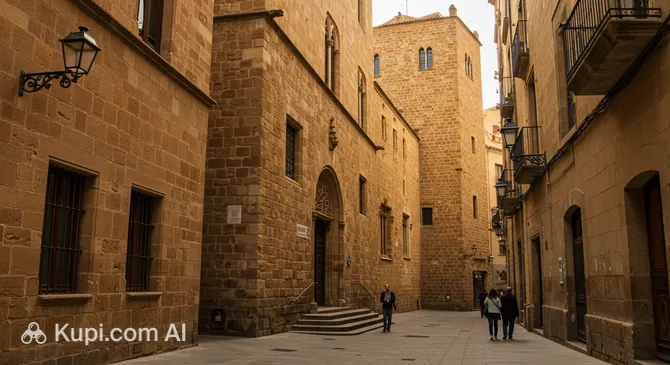
Picasso Museum. Illustration.
Source: Kupi.com AI

Traveler photos:

The museum's collection is unique, featuring over 3,500 works, most of which date back to Pablo Picasso's formative years. Here, you can trace the evolution of his unique style, from his first academic drawings to the works of his Blue Period. Of particular note is the famous "Las Meninas" series—59 paintings that represent a bold and large-scale interpretation of Diego Velázquez's masterpiece of the same name.

The museum's uniqueness lies not only in its exhibits but also in its location. It occupies five interconnected medieval palaces. The main building, the 15th-century Palau Aguilar, is breathtaking with its architecture and cozy courtyards. Walking through the halls, you not only encounter the art of a genius but also immerse yourself in the historical atmosphere of old Barcelona.

Contacts

To plan your visit, check current opening hours, or learn about temporary exhibitions, we recommend using the museum's official communication channels. All the necessary information for visitors is available on the website and via the contact phone numbers.

How to contactContact
AddressCarrer de Montcada, 15-23, Ciutat Vella, 08003 Barcelona, Spain
Phone number+34 932 56 30 00
Websitemuseupicassobcn.cat

What to Do

To get the most out of your visit to the Picasso Museum, it's worth taking a thoughtful approach. Start by planning: it's best to buy tickets online in advance to avoid long queues, especially during the peak tourist season. Once inside, consider getting an audio guide. It will serve as your personal guide through the artist's life and work, revealing the stories behind the pieces and subtle details that are easily missed on a self-guided tour.

It is best to view the exhibition in chronological order, as intended by the museum. Start with Picasso's early, academic works to appreciate his mastery of classical painting. This will provide the necessary contrast to understand his subsequent revolutionary experiments. Then, move on to the famous "Las Meninas" series, where the artist's dialogue with Velázquez is revealed in all its power. Take your time and be sure to appreciate the buildings themselves: stroll through the courtyards and admire the Gothic architecture of the palaces that preserve the spirit of old Barcelona.

Getting There

The Picasso Museum is conveniently located in the heart of Barcelona's Gothic Quarter, making it very easy to reach. The simplest and fastest way is to take the metro. You'll need the Jaume I station (Yellow Line, L4), which is just a leisurely 5-minute walk from the museum entrance. A stroll through the narrow medieval streets is a great way to start exploring the city's historic center.

In addition to the metro, you can reach the museum by city bus. Several routes pass near the Gothic Quarter, for instance along Via Laietana, which is just a stone's throw away. If you are already exploring the city center, walking to the museum is a wonderful idea. The walk from the famous Las Ramblas or the Cathedral takes no more than 10–15 minutes and allows you to enjoy the unique atmosphere of the old neighborhoods.

For those who prefer comfort, a taxi or a ride-hailing app is a good option. However, please note that Carrer de Montcada, where the museum buildings are located, is a pedestrian street. The driver will drop you off at the nearest accessible street, and you'll only have to walk for a couple of minutes. It’s best to avoid driving a private or rental car: finding a free parking spot in this area is nearly impossible, and paid parking lots are quite expensive.

Nearest city: Barcelona

History & Facts

The history of the Picasso Museum in Barcelona is closely tied to Jaime Sabartés, a close friend and personal secretary to the artist. It was Sabartés who, in 1960, took the initiative to donate his personal collection of the master's works to the city and establish a museum dedicated to his art. Interestingly, Picasso originally wanted to donate his works to his birthplace, Malaga, but was rejected in 1953. Thanks to his friendship with Sabartés and the artist's close ties to Barcelona, where he spent his youth and formative years, the choice ultimately fell on the Catalan capital.

The museum opened its doors to visitors on March 9, 1963, under the modest name of the "Sabartés Collection". During those years, Spain was under the Francoist regime, which did not accept Picasso's work, making it impossible to use his name in the title. The initial exhibition consisted of Sabartés' personal collection, but over time it grew through donations from other art lovers, including Salvador Dalí.

A key moment in the museum's history came in 1970 when Pablo Picasso himself, following the death of his friend Jaime Sabartés, donated a massive collection of his works to the museum—around 2,500 paintings, drawings, and engravings. This generous gesture fundamentally transformed the collection and established the museum as one of the world's most important centers for studying the artist's work. The museum officially received Picasso's name in 1983, and in 2013, it celebrated its 50th anniversary, confirming its significance in the cultural life of both Barcelona and the world.

Time Needed

When planning a visit to the Picasso Museum in Barcelona, you should set aside about 1.5–2 hours for a thorough but leisurely tour of the permanent collection. This will be enough time to see the key works from the artist's early period, trace his development, and, of course, focus on the famous "Las Meninas" series. Most visitors find this pace comfortable for getting a complete impression of the collection without feeling rushed.

If you are a big fan of Pablo Picasso's work or want to dive deeply into the details of his pieces, feel free to plan for 3–4 hours or even half a day. Extra time will be needed if you decide to use an audio guide, which offers detailed commentary on many exhibits, or if there is a temporary exhibition that interests you. This approach will allow you to explore all 19 rooms of the permanent collection at your own pace and appreciate not only the paintings but also the architecture of the medieval palaces that house the museum.

Working Hours

The Picasso Museum in Barcelona is open to visitors year-round, although opening hours may vary depending on the season. Typically, the museum is open Tuesday through Sunday and closed on Mondays. During the summer, the doors are usually open later, while the schedule may be reduced during the fall and winter seasons. On Thursdays, the museum follows its regular schedule. Please also note that the museum is closed on public holidays, such as Christmas (December 25) or January 1, and may have shortened hours on the eves of holidays.

Given the museum's immense popularity, it is strongly recommended to buy tickets online in advance. This will not only guarantee your entry but also help you avoid the long lines that are common at the ticket office. There are also specific days and times when admission to the museum is free—for example, on Thursday afternoons and the first Sunday of every month. However, these times can be particularly crowded, and free entry often requires booking a ticket in advance on the website. Before your visit, be sure to check the official museum website for up-to-date information on opening hours, prices, and free admission terms, as the schedule is subject to change.

DayOpening hours
MondayClosed
Tuesday9:00 – 20:00
Wednesday9:00 – 20:00
Thursday9:00 – 21:00
Friday9:00 – 21:00
Saturday9:00 – 21:00
Sunday9:00 – 20:00

Nearby

A visit to the Picasso Museum is just the starting point for exploring the rich history and culture of Barcelona. The museum is located in the heart of the Gothic Quarter, and a stroll through its surroundings can be just as impressive as the exhibition itself. Narrow medieval streets, cozy squares, and ancient buildings hide many other interesting sites within easy walking distance.

Exploring the nearby area is a great way to complement your cultural itinerary. After immersing yourself in Picasso's early work, you can continue your journey through the history, architecture, and gastronomy of the Spanish city, discovering new facets of this amazing place. Below is a list of attractions and points of interest located near the museum.

NameDistance
El Xampanyet0.1 km
Bishop's Bridge0.4 km
Palace of Catalan Music0.5 km
Colom Restaurant0.7 km
Cañete0.9 km
Palau Güell0.9 km
Bobby's Free1 km

Have you reached the end of the page?

So the route has been studied inside and out