The National Art Museum of Catalonia (Museu Nacional d’Art de Catalunya, MNAC) is the largest and most important art museum in Barcelona, serving as a treasury of Catalan art. Located in the grand National Palace on Montjuïc hill, it is both a cultural hub and a significant architectural landmark of the city. The building, constructed for the 1929 International Exposition, is itself an unforgettable sight.
The museum was founded in 1990 through the merger of the Museum of Modern Art and the Museum of Art of Catalonia. Today, its collection spans a thousand-year history of art—from unique 11th-13th century Romanesque frescoes rescued from Pyrenean churches to works from the Gothic, Renaissance, Baroque, and Modernist eras. The Romanesque art collection is considered one of the most complete and valuable in the world.
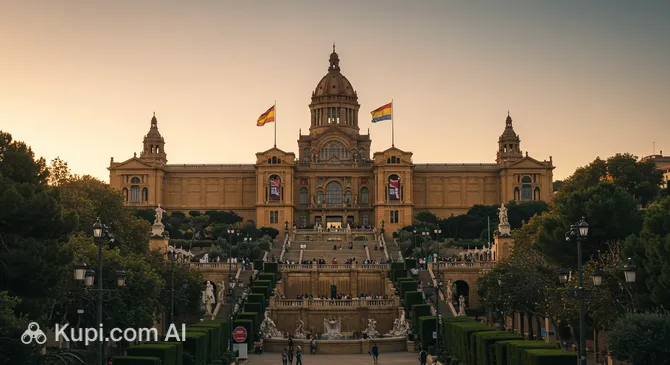
Traveler photos:
Visitors can trace the evolution of art in Spain and specifically Catalonia through painting, sculpture, prints, photography, and numismatics. It features masterpieces by artists such as El Greco and Velázquez, as well as prominent Catalan figures including Antoni Gaudí and Ramon Casas. It is a place where every room opens a new page in the region's rich and multifaceted cultural history, making a visit to the museum an unforgettable journey through time.