Support

Cathedral Museum of Mallorca

About

The Majorca Cathedral Museum, also known as the Diocesan Museum of Mallorca (Museu Diocesà de Mallorca), is a treasury of religious art located in the Episcopal Palace of Palma on the sunny island of Majorca, Spain. The museum is located in the immediate vicinity of the famous La Seu Cathedral, on its eastern side, making it a convenient addition to a visit to the island's main temple.
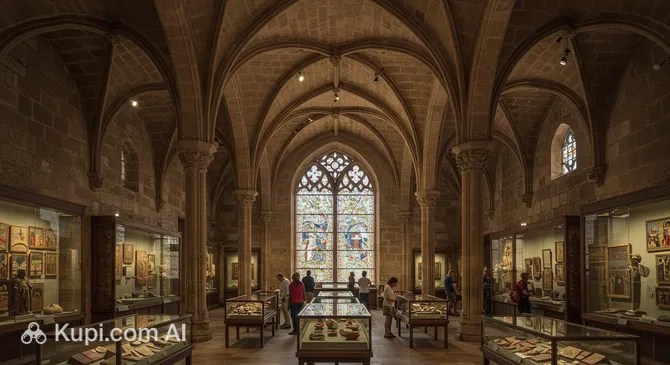
Cathedral Museum of Mallorca. Illustration.
Source: Kupi.com AI

Traveler photos:

This unique museum is dedicated to Majorca's rich Christian heritage. Within its walls is an impressive collection including valuable religious artifacts, magnificent works of art — from medieval painting and sculpture to exquisite jewelry and liturgical vestments — as well as important historical items that tell the story of the island's spiritual life over the centuries.

Visiting the Majorca Cathedral Museum is a great way to delve deeper into the religious and cultural heritage of Majorca. It not only complements the experience of the majestic La Seu Cathedral but also allows visitors to get a more complete understanding of the history and art of this amazing corner of Spain. This is a place where every exhibit tells its own story, revealing new facets of the island's rich culture.

Contacts

For up-to-date information regarding the Majorca Cathedral Museum and to confirm visiting details, it is recommended to check official sources or contact the representatives of the Cathedral of Santa Maria of Palma, located adjacent to the museum. Below are the contact details for the cathedral:

While these contacts refer to the Cathedral, staff can also provide information about the Diocesan Museum of Mallorca or direct you to the appropriate resources. It is also helpful to check information on the official tourism portal of Palma.

How to contactContact
AddressPlaça de la Seu, s/n, Centre, 07001 Palma, Illes Balears, Spain
Phone number+34 971 71 31 33
Websitecatedraldemallorca.org

What to Do

Immerse yourself in the world of Christian art by visiting the Majorca Cathedral Museum, also known as the Diocesan Museum of Mallorca. A rich collection spanning several centuries awaits you here. One of the central exhibits is the impressive altarpiece of the Passion of Christ, dating from the end of the 13th century. This masterpiece, originally located in the Santa Clara convent, depicts key biblical scenes in detail, such as the "Entry into Jerusalem," the "Last Supper," and the "Denial of Saint Peter," allowing visitors to connect with medieval religious art.

Continuing your tour, look out for the unique stained glass in the chapel window — a creation of the famous architect Antoni Gaudí. His unique style brings a special touch to the exhibition. In various halls of the museum, you can see works by outstanding Mallorcan artists, most notably Pere Terrencs and the father-and-son duo Mateu López, whose works reflect the island's artistic traditions.

On the top floor of the museum, an extensive collection of Baroque Christian art awaits you, showcasing the opulence and drama of this style. There are also exquisite ceramic pieces that complement the general overview of Majorcan religious and everyday art. In addition to contemplating valuable artifacts, some of the museum's rooms offer beautiful panoramic views of Palma harbor, which will be a pleasant addition to your cultural enrichment.

Getting There

Since the Majorca Cathedral Museum (Diocesan Museum of Mallorca) is located within the Episcopal Palace, adjoining the eastern side of the majestic La Seu Cathedral, your path to the museum will follow the same route as to the cathedral itself. This is the main landmark that is impossible to miss while exploring Palma.

Getting to La Seu Cathedral, and therefore the museum, is possible in several ways. The cathedral is located in the southern, historical part of Palma, near the promenade. If you are staying in the center, a pleasant walk through the ancient streets will lead you straight to your destination. Many city bus routes also pass near the cathedral or have stops within walking distance. Of course, you can always use a taxi for maximum comfort.

The location of the museum is very convenient for tourists. La Seu Cathedral is a key point on all tourist maps of Palma, so finding it and the adjoining Episcopal Palace with the museum will not be difficult. Moreover, within a radius of just a few hundred meters, there are other iconic sites, such as the Palau March Museum and the Es Baluard Museum of Modern and Contemporary Art, making it easy to combine visits in a single walk.

Nearest city: Palma

History & Facts

The history of the Majorca Cathedral Museum is inextricably linked with the majestic Cathedral of Palma itself, known as La Seu. Its construction began back in 1230 by order of King James I of Aragon. Notably, the cathedral was founded on the site of the city's former main mosque, symbolizing a new era after the liberation of Majorca from the Moors. The construction of this grand structure continued under the son of James I, King James II of Majorca, and in 1302, the foundation of the main cathedral building was laid, which later became the guardian of priceless relics and works of art, many of which now form the museum's collection.

The Cathedral itself, whose treasures are partially presented in the museum, is a true gem of Gothic architecture. Its interior impresses with three naves, and the main nave houses the highly revered Trinity Chapel. It is here that the Kings of Majorca — James II and James III, whose names are forever inscribed in the island's history — found their final resting place. Another unique feature of the cathedral is its famous bell tower, which has nine bells, including the enormous N'Eloi bell, whose powerful tolling has resonated over Palma for centuries.

The Majorca Cathedral Museum is housed in the Episcopal Palace, which is itself an important part of the religious and architectural ensemble of Palma. For centuries, this palace served not just as a residence, but as a center for collecting and preserving the most valuable works of religious art. Exhibits for the museum came from various churches and monasteries across Majorca, allowing for the formation of a unique and rich collection reflecting the deep spiritual and cultural heritage of the island.

Time Needed

To fully enjoy the exhibition of the Majorca Cathedral Museum and carefully examine its treasures, we recommend allocating approximately 1.5-2.5 hours. Of course, the duration of the visit largely depends on your personal pace and depth of interest in religious art and history. Some may prefer a quick look at the main masterpieces, while connoisseurs will want to linger at each exhibit longer, studying the details and historical context.

The museum offers a fairly rich program. Viewing the collection, which includes medieval paintings, sculptures, jewelry, liturgical vestments, and works by famous masters, will take up the bulk of your time. If the museum features various halls or floors, such as the mentioned exhibition of Baroque art and ceramics, this will also affect the total time. The opportunity to enjoy views of Palma harbor from the museum windows may add a few more pleasant minutes to your visit.

If you plan to combine a museum visit with a detailed tour of La Seu Cathedral itself, which is a very popular option, the total time to set aside for exploring this majestic complex could be 3 to 4 hours or even more. Therefore, when planning your day in Palma, take these timeframes into account to immerse yourself in the atmosphere of this iconic Spain landmark without rushing.

Working Hours

The exact opening hours of the Majorca Cathedral Museum (Diocesan Museum of Mallorca) may vary depending on the season and the day of the week. Since up-to-date schedule information is not provided, it is highly recommended to check the official website of the Majorca Cathedral or the Diocesan Museum, if available, or contact local tourist information centers in Palma before your visit. This will help you get the most current information and plan your visit accordingly.

As a rule, for popular attractions, especially during the peak tourist season, it may be wise to clarify not only the opening hours but also the need for advance ticket booking. This will help avoid potential queues and guarantee entry. Although many cultural sites in Spain operate year-round, schedules can change, so it is always better to double-check the data shortly before your intended date of visit.

DayOpening hours
Monday10:00 – 18:15
Tuesday10:00 – 18:15
Wednesday10:00 – 18:15
Thursday10:00 – 18:15
Friday10:00 – 18:15
Saturday10:00 – 14:15
SundayClosed

Nearby

A visit to the Majorca Cathedral Museum is a wonderful opportunity to experience the rich spiritual heritage of Palma. However, to make your journey even more fulfilling, do not limit yourself to just one museum. The surroundings of the Cathedral and the Episcopal Palace, where the museum is located, are full of other interesting places that deserve your attention and will help form a more complete picture of the culture and history of this charming city.

Exploring nearby attractions will allow you to dive deeper into the atmosphere of old Palma, see other architectural masterpieces, enjoy walks through picturesque gardens, or even visit cozy local establishments. Each new discovery nearby will enrich your impressions and make your trip to Spain truly unforgettable. Here are some of them located very close by:

NameDistance
Royal Palace of La Almudaina0.1 km
Bar Abaco0.3 km
OMBU Passeig del Born0.3 km
La Lonja de Palma0.4 km
Bar Espanya0.4 km
El Camino0.4 km
Fervor Palma0.5 km

Have you reached the end of the page?

So the route has been studied inside and out