The Jacobins Convent (Couvent des Jacobins) is an outstanding historical and architectural monument located in the heart of Toulouse, in the south of France. Founded in 1215, this monastic complex was originally intended for the spread of the Gospel and quickly became one of the region's key religious and educational centers. Alongside the Basilica of Saint-Sernin and Place du Capitole, the Jacobins Convent is rightfully considered one of the city's main gems, attracting enthusiasts of history and medieval architecture.
Traveler photos:
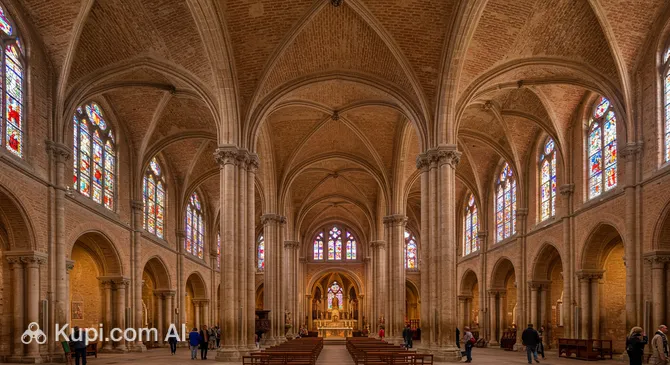
Architecturally, the monastery is a magnificent example of Southern French Gothic, sometimes called "Toulouse Gothic," striking in its monumentality and graceful lines. The complex includes a spacious church, famous for its unique palm-like vaults, a peaceful inner courtyard – the cloister – and various monastic rooms such as the chapter house and sacristy, each bearing the mark of centuries of history. Special attention is drawn to the so-called "palm tree" – a single column in the church's apse from which 22 ribs of the vault radiate, creating an impressive visual effect of lightness and height.
Today, the Jacobins Convent is not only an important historical site but also a significant cultural attraction in Toulouse, drawing many tourists. Its walls remember major historical events, including the fact that the relics of Saint Thomas Aquinas are interred here. The unique acoustics of the church are often used for classical music concerts. A visit to the monastery is an opportunity to touch the past, enjoy the silence of the ancient cloister, and admire the skill of medieval builders who left behind this true treasure of architecture.