Support

Mijas

About

Mijas is a true gem of Andalusia, a charming town in Spain nestled at the foot of the mountain range of the same name on the sunny Costa del Sol. Situated between Malaga and Marbella, it offers guests a unique blend of a typical Andalusian mountain village atmosphere and a modern resort center. Here, breathtaking mountain landscapes sit side-by-side with the endless beaches of the Mediterranean Sea, stretching for twelve kilometers.
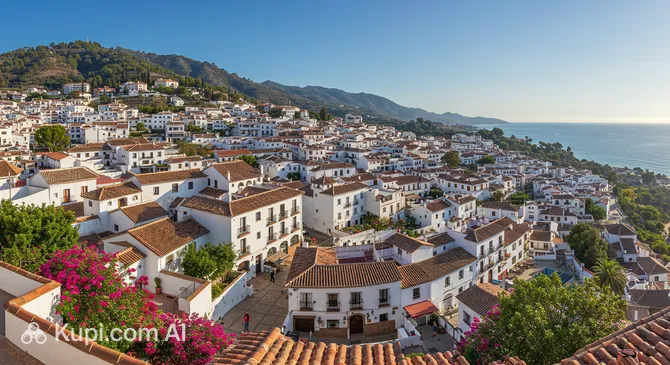
Mijas. Illustration.
Source: Kupi.com AI

Although the population of Mijas is around 89,500 people, making it one of the largest municipalities in the region, the town surprisingly retains its unique charm and slow pace of life. It harmoniously combines the historic Mijas Pueblo, known for its traditional whitewashed houses, and the coastal area of Mijas Costa, with its beaches and modern infrastructure.

The atmosphere of Mijas is truly enchanting. Narrow, stone-paved streets, abundantly decorated with flower pots, invite you for a leisurely stroll. One of the town's signatures is its dazzling white houses cascading down the mountainsides, offering stunning panoramic views of the sea and the surrounding area. Life bustles in the squares, where colorful festivals, traditional markets, and street concerts regularly take place, attracting both locals and creative people from all over the world.

If you are looking for a place to feel the spirit of real Andalusia, enjoy magnificent sunsets over the sea, taste local cuisine, and simply find peace, Mijas is the perfect choice for you. It is a town where you want to slow down, take a deep breath, and enjoy every moment.

You can find more interesting facts on the Mijas city history page.
Weather Overview

Mijas will delight you with its typical Mediterranean climate. Expect a hot and mostly dry summer: average temperatures in July and August stay at 25.5-25.7°C, while daily highs often exceed 30°C. Summer rainfall is rare here, especially at the peak of the season, with precipitation often reaching 0 mm in July and August.

Winters in Mijas are mild, with an average temperature of around 11-12°C (for instance, in January the average is 10.9°C, and in December 12.3°C). During this period and in spring (especially in March, when up to 4 mm of rain falls and there are about 12 rainy days), the probability of rain is higher, but it is usually short-lived. The weather in the town is comfortable for visiting most of the year. Detailed information can be found in the Mijas climate section.

Average monthly temperature

Average monthly precipitation

Interesting Facts

Beyond its picturesque streets and breathtaking views, Mijas holds many surprising stories and little-known details. This Andalusian town can surprise even the most seasoned traveler.

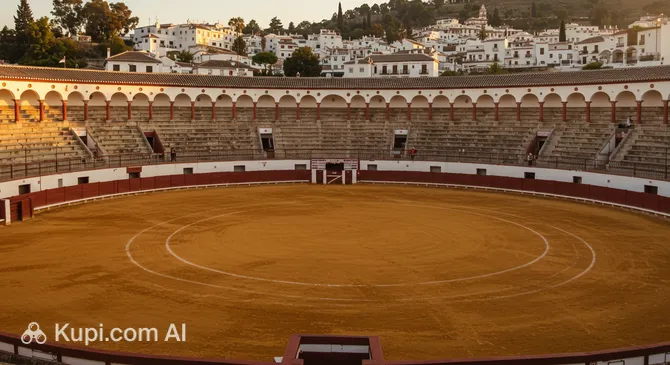
Mijas Bullring. Illustration.
Source: Kupi.com AI

Traveler photos:

  • The tradition of painting houses white in Mijas is not just for beauty. Originally, it was a practical way to combat the summer heat, and the historic center of the town still retains its original Moorish layout of narrow, winding streets.

  • The local Mijas Bullring, built in 1900, has one unique feature – it is oval rather than round like most bullrings in Spain, making it one of the few of its kind.

  • The famous "burro-taxis" (donkey taxis) appeared in Mijas not as a tourist attraction, but completely by chance in the middle of the 20th century. Local workers returning home on donkeys began giving rides to tired tourists, which over time became the town's hallmark.

  • According to one local legend, Don Quixote himself might have hidden in one of the caves near Mijas. Although there is no direct evidence for this, the story fits perfectly into the town's romantic atmosphere.

How to Get There

Mijas, a charming white town in Andalusia, is conveniently located relative to several transport hubs. The main and most convenient way to reach Mijas for most international tourists is by air.

The nearest and largest airport is Malaga Airport (AGP), officially known as Malaga–Costa del Sol Airport. It is located in the city of Malaga, approximately 14.7 km from Mijas. This major international airport receives flights from all over Europe and other parts of the world. A taxi ride from Malaga Airport to Mijas takes about 40-50 minutes, depending on traffic. Bus routes are also available connecting the airport with nearby towns, from where you can reach Mijas.

Another option, though further away, is Gibraltar Airport (GIB), located in Gibraltar, about 81.2 km from Mijas. This is a small international airport that may be convenient for travelers from the UK. The journey from there to Mijas takes about 1.5-2 hours by car, including time for the border crossing.

For convenience, here is a summary of the main airports serving the Mijas area:

AirportPassenger trafficDistance
Malaga Airport24.9 mln15 km
North Front Airport474 00081 km
Granada Airport1.0 mln101 km
Sania Ramel187 777127 km
Jerez Airport948 936129 km

Although there is no railway station in Mijas itself, the town can be easily reached by using the rail connections to the nearest major cities.

The region's main railway hub is the Maria Zambrano Station (YJM) in Malaga, located about 22.0 km from Mijas. This is a major station served by AVE high-speed trains from Madrid, Seville, Barcelona, and other Spanish cities, as well as suburban trains. From Maria Zambrano Station, you can reach Mijas by taxi in about 50-60 minutes or by bus.

Below is information about the nearest railway stations:

StationPassenger trafficDistance
María Zambrano Station8.9 mln22 km
Puente Genil Railway Station225 24386 km
Granada Railway Station2.0 mln112 km
Jerez Railway Station1.9 mln134 km
Cordoba Central Railway Station5.7 mln144 km

In addition to air and rail travel, Mijas can be reached by car. The town is well-connected by the road network to the Costa del Sol and other regions of Andalusia. Upon arrival in Malaga or another nearby city, renting a car can be a convenient option for further travel and exploring the surroundings. It is also worth checking the local bus schedules, which run between Mijas and neighboring towns.

Main Attractions

Mijas, this charming "white town" of Andalusia, offers its guests not only picturesque streets but also a number of interesting attractions that help you dive deeper into its history and culture. Here, everyone will find something to their liking, from historical monuments to beautiful parks with panoramic views.

One of the most famous and unusual attractions is the Mijas Bullring. This arena is unique for its oval shape and its location on a cliff, offering breathtaking views of the surroundings. A visit to the arena provides an opportunity to learn more about the traditions of bullfighting and the history of this spectacle in Spain, even if you don't plan to watch the performance itself. This iconic site often serves as a backdrop for vibrant photos.

Mijas Bullring. Illustration.
Source: Kupi.com AI

Traveler photos:

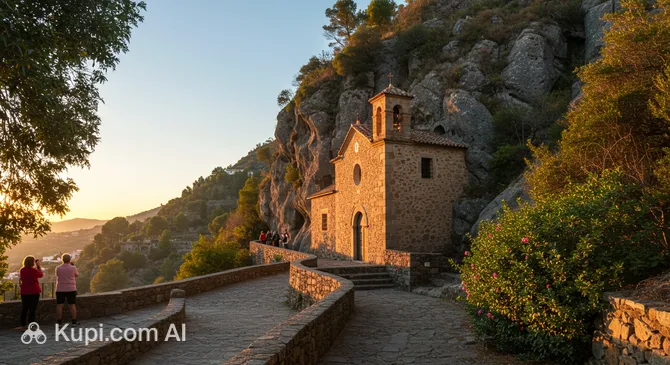
Near the arena is the Hermitage of the Virgin of the Rock (Ermita de la Virgen de la Peña) – a small but highly revered chapel carved directly into the rock in the 17th century. It is a place of pilgrimage and worship for the Virgin Mary, the patron saint of Mijas. The chapel attracts visitors with its modest beauty, peaceful atmosphere, and the legend of the Virgin appearing to local shepherds. Inside, you can see a small sanctuary filled with votive offerings.

Hermitage of the Virgin of the Rock. Illustration.
Source: Kupi.com AI

Traveler photos:

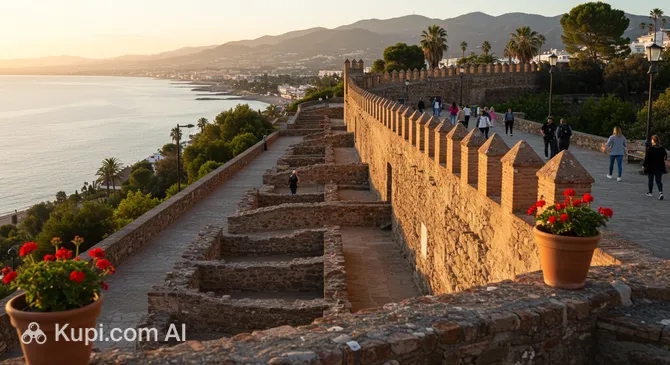
For lovers of outdoor walks and panoramic views, La Muralla Park is a must-visit. This picturesque park is built on the site of the former fortress walls, which is where its name ("The Wall") comes from. Here you can enjoy beautifully maintained gardens, shaded alleys, fountains, and, of course, stunning views of the Costa del Sol and the Mediterranean Sea. It is an excellent spot for leisurely relaxation and beautiful photo sessions.

La Muralla Park. Illustration.
Source: Kupi.com AI

Traveler photos:

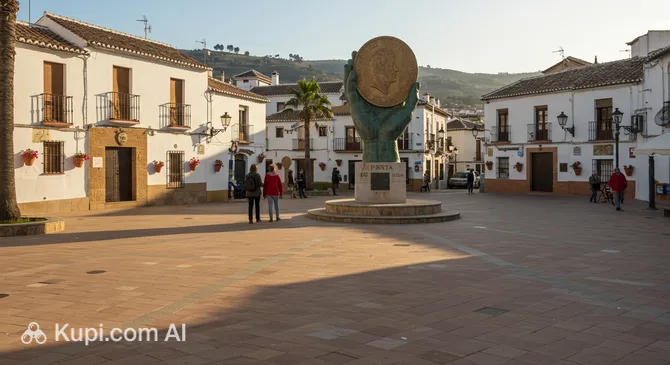
Among the more modern but equally interesting objects is the Peseta Monument. This original monument dedicated to Spain's former currency was erected as a mark of respect for the monetary unit that served the country for many years before the introduction of the euro. The monument is an enlarged copy of a coin and is a popular photo spot, symbolizing an important stage in Spain's economic history.

Monument to the Peseta. Illustration.
Source: Kupi.com AI

Traveler photos:

These attractions are just a part of what Mijas has to offer. A walk through its narrow streets decorated with flower pots is an unforgettable experience in itself, allowing you to feel the authentic spirit of Andalusia.

Local Cuisine

The gastronomy of Mijas is a true immersion into the world of Andalusian flavors, where bright aromas and the freshest products reign supreme. Be sure to start your acquaintance with the local cuisine with traditional cold soups: refreshing gastpacho, perfect for a hot day, and the unique ajoblanco — a delicate almond soup with grapes, which is a signature dish of the region.

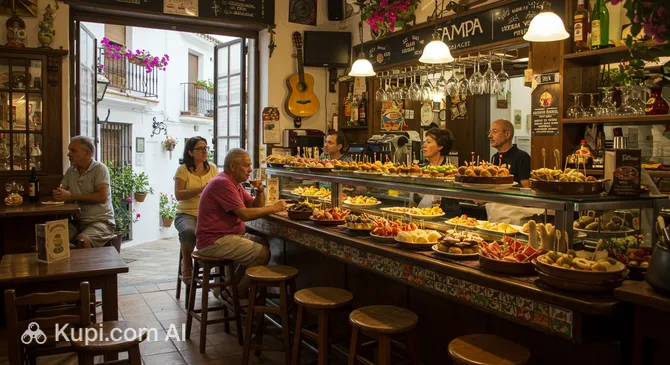
On the coast of Mijas, an abundance of seafood awaits you. Definitely try espetos – sardines grilled on skewers over coals right on the beach, as well as the freshest squid, mussels, and shrimp. In the many coastal restaurants known as chiringuitos, you will be offered magnificent grilled fish and fragrant seafood paella. Of course, one cannot overlook the variety of tapas – small snacks that are perfect for sampling different flavors. It is also worth trying dishes with local goat cheese and aromatic olive oil.

Pampa Tablas y Tapas. Illustration.
Source: Kupi.com AI

Traveler photos:

Your meal will be perfectly complemented by a glass of chilled Andalusian wine or refreshing homemade sangria. Popular non-alcoholic drinks include freshly squeezed juices and traditional "mosto" (grape juice). For dessert or a snack at the street markets, you can find the famous churros with hot chocolate, fresh seasonal fruits, and traditional sweets like piononos (delicate sponge cakes with custard) or torrijas (the Andalusian version of French toast).

The dining culture in Mijas involves enjoying food in many different formats: from cozy restaurants and lively tapas bars, such as Pampa Tablas y Tapas, to casual chiringuitos on the beach and colorful markets. Visit the farmers' markets to buy the freshest vegetables, fruits, cheeses, jamon, and local honey. This is not only an opportunity to try local products but also to chat with the residents, learn culinary secrets, and truly feel the hospitality of Andalusia. Gastronomic festivals that periodically take place in the town are also a great reason for culinary discoveries.

Travel Tips

Planning a trip to the charming Mijas, one of the gems of Andalusia in Spain? These practical tips will help you make your journey as comfortable and enjoyable as possible, so you can fully appreciate this wonderful "white town."

  1. Clothing and Essentials: Given the Mediterranean climate of Mijas, be sure to bring light, breathable clothing in summer, a hat for sun protection, and sunscreen. During spring and autumn months, warmer items and a light jacket will be useful, as evenings can be cool. A key point – comfortable shoes for walking on the cobbled and sometimes steep streets. Don't forget a European power adapter (type F). When visiting religious sites, such as the Hermitage of the Virgin of the Rock (Ermita de la Virgen de la Peña), it is recommended to follow a modest dress code: shoulders and knees should be covered.
  2. Getting Around Town: The historic center, Mijas Pueblo, is best explored on foot – its charming streets are made for leisurely strolls. For trips to the coastal area (Mijas Costa) or neighboring towns like Fuengirola, you can use local buses – they are a quite convenient and budget-friendly option. Taxis are also available. Renting a car might be a good idea if you plan to actively explore the surroundings and other cities in Andalusia.
  3. Finances: The official currency in Spain is the Euro (EUR). Bank cards (Visa, Mastercard) are widely accepted in most shops, restaurants, and hotels, making them a convenient way to pay. ATMs (cajeros automáticos) are easy to find throughout the town for withdrawing cash. If you need to exchange currency, you can do so at banks or exchange offices (casas de cambio); however, it is recommended to compare rates, as withdrawing from an ATM is often more favorable. Regarding budget, an economical traveler might need from 50-70 euros per day (eating in inexpensive cafes, using public transport, free attractions), while a more comfortable stay with restaurant visits and some paid activities might cost 100-150 euros and up. This amount usually does not include accommodation costs. It is recommended to have some cash on hand for small purchases or at markets. Tips in restaurants are usually 5-10% of the bill for good service, but they are not strictly mandatory and remain at your discretion.
  4. Health and Safety: Pharmacies (farmacias) in Mijas are easily recognized by a green cross; information about duty pharmacies (farmacia de guardia) open at night or on weekends is usually available on the doors of other pharmacies or online. In case of an emergency, call the pan-European number 112. Mijas is considered a fairly safe town; however, as in any tourist destination, you should observe basic precautions: keep an eye on your belongings, especially in crowded places, and do not leave valuables unattended.
  5. Language and Connectivity: The official language is Spanish. In tourist areas, hotels, and restaurants, many staff members speak English, but knowing a few basic phrases in Spanish (e.g., "Hola" – hello, "Adiós" – goodbye, "Gracias" – thank you, "Por favor" – please, "¿Cuánto cuesta?" – how much does it cost?) will be very warmly received by the locals. You can buy a local SIM card for mobile internet at phone stores or some tobacco shops (estancos). Free Wi-Fi is often available in hotels, cafes, and some public areas.
  6. Local Etiquette: Spaniards, and Mijas residents in particular, are usually very friendly and sociable. It is customary to say hello when entering small shops, bars, or elevators. Keep in mind that in Spain, there is the concept of siesta (roughly from 2:00 PM to 5:00 PM), when many small shops and businesses may be closed, and life in the town slows down a bit. Show respect for local traditions and customs.
  7. What to Avoid: Try not to be excessively noisy, especially in residential quarters and during siesta time. Also, you should not take photos of local residents, especially children, without their prior permission – this is considered a sign of disrespect.
  8. Special Feature of Mijas: Be sure to visit one of the many viewpoints (miradores), which offer stunning panoramic views of the Costa del Sol and, on a clear day, even the African coast. And, of course, don't miss the famous donkey-taxis (burro-taxis) – they are one of the symbols of Mijas, at least for a colorful photo!

We hope these tips help you better prepare for your trip and get the most enjoyment out of your stay in hospitable Mijas. Have a great trip and unforgettable experiences in this Andalusian "white town"!

Entertainment & Nightlife

While Mijas primarily enchants travelers with its appearance as a whitewashed Andalusian village and breathtaking views, there are also pleasant places for relaxation and entertainment after the sun goes down. The nightlife in Mijas is calmer and more measured compared to the large resorts of the Costa del Sol, but it possesses its own unique charm.

Evening entertainment is mainly concentrated in Mijas Pueblo (the historic center) and on the coast of Mijas Costa, especially in the areas of La Cala de Mijas and Calahonda. In Mijas Pueblo, you will find many cozy tapas bars and restaurants where you can enjoy local cuisine and wine in an authentic atmosphere. The streets around the main square, Plaza de la Constitución, come alive in the evenings, offering guests the chance to enjoy drinks on outdoor terraces. The atmosphere here is relaxed, and the crowd is a mix of locals and tourists enjoying the warm evening. The dress code is generally casual.

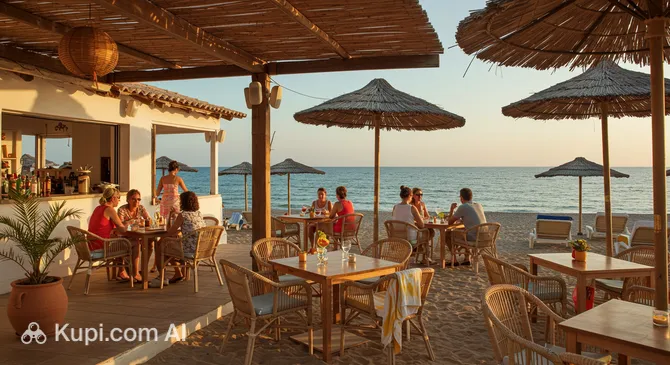
If you are looking for a more vibrant setting, head to Mijas Costa. Here, the choice of bars and restaurants open late is wider. Some venues offer live music or DJ sets, especially during the summer season. While Mijas itself doesn't have as many large nightclubs as neighboring Marbella or Fuengirola, some bars on the coast can offer a dancing atmosphere. Chiringuitos (beach bars) are popular spots where you can watch the sunset with a cocktail and stay until late at night. For example, Chiringuito La Cubana offers a pleasant atmosphere for dinner and evening drinks by the sea.

La Cubana Beach Bar. Illustration.
Source: Kupi.com AI

Traveler photos:

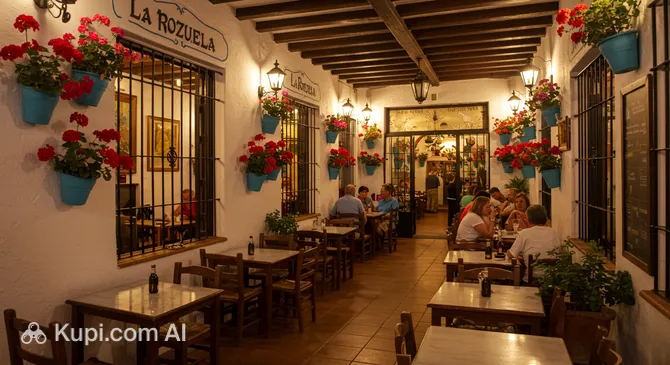
Among specific venues in Mijas, La Rozuela restaurant, which functions as a bar, is worth noting, offering guests a cozy setting and a good selection of drinks for an evening rest. Another popular spot is Pampa Tablas y Tapas, where you can enjoy authentic Spanish snacks and wine in a friendly atmosphere. These places are great for experiencing the local flavor.

La Rozuela Restaurant. Illustration.
Source: Kupi.com AI

Traveler photos:

Practical Tips: The best time to visit bars is after 9:00 PM or 10:00 PM, as Spaniards tend to dine quite late. Average drink prices are moderate: a glass of wine or beer will cost a few euros, while cocktails are slightly more expensive. Getting around Mijas Pueblo in the evening is convenient on foot. For trips between the Pueblo and the Costa or to neighboring towns at night, it is better to use a taxi. Make sure you have the number of a local taxi or use a ride-hailing app.

Safety: Mijas is generally considered a safe place. Walking along the well-lit central streets of Mijas Pueblo in the evening is pleasant and secure. As with anywhere, you should take standard precautions: keep an eye on your belongings, especially in crowded areas. You can call a taxi by phone or ask the staff at a bar or restaurant to do it for you.

During the day, Mijas offers many other activities. You can explore its narrow streets, visit historical sites like the Hermitage of the Virgin of the Rock, which offers stunning views, or the famous Mijas Bullring. For nature lovers, there is the picturesque La Muralla Park. The daylight hours are perfect for leisurely strolls and getting to know the culture of this charming town in Spain.

Parks & Museums

Mijas, a charming Andalusian town, offers its guests not only picturesque streets but also the opportunity to enjoy nature and get acquainted with a rich cultural heritage. Here, well-kept green zones and interesting historical sites are harmoniously combined.

One of the main green gems of the town is La Muralla Park (Parque La Muralla). This park, located on the site of former fortress walls, offers visitors not only shaded walking alleys and beautiful gardens with local plants but also breathtaking panoramic views of the Costa del Sol. It is an ideal place for relaxation and photography. Furthermore, Mijas Pueblo itself stretches across the slopes of the Sierra de Mijas mountains, which provide excellent opportunities for hiking along nature trails with even more impressive scenery.

La Muralla Park. Illustration.
Source: Kupi.com AI

Traveler photos:

For those interested in history and culture, Mijas offers several notable sites. Although there are no classic museums in the provided list, the Historical-Ethnological Museum of Mijas (Museo Histórico-Etnológico de Mijas), located in the old town hall building, is worth mentioning. The museum's exhibition tells the story of the life, traditions, and crafts of the region, including old tools, household items, and an oil mill. Another interesting place for art lovers is the CAC Mijas Contemporary Art Center, which features works by both Spanish and international artists, including ceramics by Pablo Picasso.

Among the iconic landmarks, the Mijas Bullring stands out. Built in the early 20th century, it is one of the few oval-shaped bullrings in Spain. Even if you are not a fan of bullfighting, the structure itself is architecturally interesting and offers views of the surroundings. Also mandatory to visit is the Hermitage of the Virgin of the Rock (Ermita de la Virgen de la Peña) – a small chapel carved into the rock in the 17th century, dedicated to the town's patron saint. It offers a magnificent view and is an important place of pilgrimage.

Mijas Bullring. Illustration.
Source: Kupi.com AI

Traveler photos:

A lesser-known but equally charming attraction is the Miniature Museum "Carromato de Mijas", which houses an amazing collection of microminiatures from all over the world. For an authentic experience, stroll through the upper streets of Mijas Pueblo, enjoying the silence and traditional architecture, and stop by small craft shops where you can find unique souvenirs.

Hermitage of the Virgin of the Rock. Illustration.
Source: Kupi.com AI

Traveler photos:

Getting Around

Getting around Mijas and its surroundings can be done in several ways, and the choice depends on your plans and preferences. The town, situated on a mountainside, offers both traditional and quite colorful transport options.

The primary form of public transport in Mijas is the bus. Local bus lines connect various districts of Mijas Pueblo (historic center), Las Lagunas, and Mijas Costa (coastal part), and also provide connections to neighboring towns like Fuengirola, from where you can travel to Malaga and other large population centers. The cost of a single trip on a local bus is usually around 1.50 - 2.00 euros. Fares are most often paid in cash directly to the driver upon boarding. For more frequent trips, the Consorcio de Transporte Metropolitano del Área de Málaga transport card is convenient; it is the main card for this region and helps save on fares. Schedules can be checked at stops or on transport company websites. To plan routes and track buses, you can use popular mobile apps like Google Maps or Moovit, as well as local operator apps if available.

For tourists planning to use buses, it is recommended to carry small change for fares. Tickets are generally for a single journey. Stops usually have information about routes and arrival times. During peak hours, buses can be quite crowded. Keep in mind that the terrain of Mijas is hilly, so some routes may involve climbs and descents.

In addition to buses, taxis are widely available in Mijas. This is a convenient, though more expensive, way to get around, especially if traveling in a group or with luggage. Taxi stands can be found at key points in town, such as near the main square in Mijas Pueblo. You can also call for a car by phone. For more freedom of movement, especially if you plan to explore the surroundings, consider renting a car. Rental offices are available in Mijas itself, as well as in nearby resort towns and at Malaga Airport. Bicycle rentals are also available, particularly in the coastal part of Mijas Costa, and can be a pleasant way for leisurely rides, though the hilly terrain of Mijas Pueblo makes it more suitable for fit cyclists. Car-sharing services are less common directly in Mijas Pueblo, but you should check for their availability in larger neighboring cities or via general platforms.

One of the unique and famous "transport" features of Mijas is the "burro-taxi" – charming donkeys that give tourists rides through the narrow streets of the historic center. This is more of an attraction and a way to get to know the flavor of the old town than a full-fledged mode of transport for daily trips, but it will undoubtedly add vivid impressions to your journey.

Accommodation

Mijas offers travelers a variety of accommodation options to suit every taste and budget. Here you will find everything from cozy guest houses and traditional Andalusian villas in the historic part of town to modern apartments and comfortable hotels, especially in the coastal area of Mijas Costa. The price range varies from budget options to more luxurious offerings, allowing every tourist to find suitable housing.

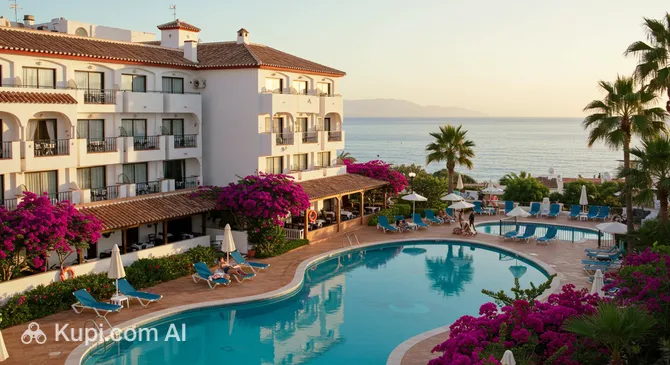
When choosing a place to stay, it is worth paying attention to a few key areas. Mijas Pueblo (the old town) will charm those looking for an authentic atmosphere, narrow streets, and stunning views. Small traditional-style hotels and apartments predominate here. For lovers of beach holidays and a more vibrant resort life, Mijas Costa is the ideal choice, where many hotels, resort complexes, and apartments with direct access to the sea and developed infrastructure are concentrated. One example of a hotel in this area is the Hotel Yaramar, which offers comfortable accommodation.

Hotel Yaramar. Illustration.
Source: Kupi.com AI

Traveler photos:

When planning a trip to Mijas, especially during the peak tourist season (summer months, major holidays), it is recommended to book accommodation in advance. This will allow you to choose from a larger number of options and get better prices. The main booking methods are popular online platforms, as well as direct booking through hotel websites or real estate agencies. The price range is wide: you can find both economical hostels and apartments, as well as mid-range hotels or luxury villas with pools.

Nearby Cities

For those who want to explore the surrounding area, Mijas serves as an excellent starting point for day trips to several interesting nearby locations:

CityPopulationDistance
Fuengirola83 2266 km
Alhaurin el Grande26 4367 km
Alhaurin de la Torre42 53110 km
Benalmadena73 16010 km
Torremolinos68 81912 km

These nearby destinations provide a glimpse into the diverse culture and landscapes of the Spain region.

Shopping & Souvenirs

Mijas, the charming "white town" of Andalusia, offers pleasant shopping opportunities, especially if you are looking for authentic souvenirs and local handicrafts. There are no huge shopping malls like in large cities, but cozy shops and boutiques with unique goods create a special shopping atmosphere. The town is famous for its ceramics, leather goods, and traditional Andalusian souvenirs.

The main shopping areas in Mijas are concentrated in its historic center, particularly along picturesque streets such as Avenida del Compás and Calle Málaga. Strolling through them, you will find many small shops offering handmade ceramics, jewelry, clothing, local delicacies, and, of course, the famous souvenirs featuring the town's symbol – the donkey.

If you prefer a more modern shopping format, shopping centers can be found in the outskirts, specifically in the coastal part of Mijas Costa. One of these is the Costa Mijas Shopping Center, which features a selection of clothing, accessories, and home goods stores, as well as a supermarket.

Costa Mijas Shopping Center. Illustration.
Source: Kupi.com AI

Traveler photos:

Although there are no large permanent markets in Mijas Pueblo itself, small craft fairs or farmers' markets may be organized periodically, especially during the tourist season. At these, you can purchase fresh local produce, cheeses, olives, and handmade items. It is worth checking for information about such events locally, as their schedules can change.

As souvenirs from Mijas, it is worth bringing back colorful Andalusian ceramics (plates, vases, tiles), leather goods (bags, belts, shoes), embroidered tablecloths and napkins, as well as local gastronomic specialties – olive oil, wine, honey, or sweets. Don't forget about the donkey figurines – the unofficial symbol of Mijas, which are sold in many different designs.

Shops in Mijas typically open Monday to Saturday, roughly from 10:00 AM to 2:00 PM and then after the siesta from 5:00 PM to 8:00 PM or 9:00 PM. During the tourist season, some souvenir shops may open on Sundays and have longer working hours. Both cash (Euro) and credit cards are accepted in most shops and restaurants. Smaller shops may prefer cash.

Tourists from non-EU countries can take advantage of the Tax Free system when making purchases over a certain amount in participating shops. This allows for a refund of part of the VAT. Check the conditions and availability directly in the stores and remember to complete the necessary documents at the time of purchase.

Reached the end of the page?

That means the route is fully explored