Support

Fuengirola

About

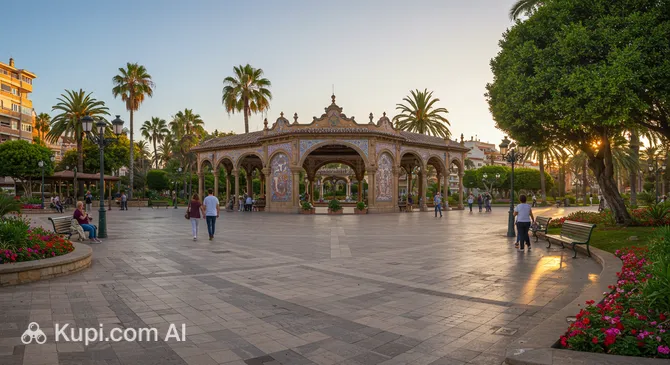
Fuengirola is a charming resort town on the sunny Costa del Sol in Spain. Nestled comfortably between picturesque mountains and the azure waters of the Mediterranean Sea, it attracts travelers with its unique atmosphere of eternal celebration and Andalusian hospitality. The city seems created for enjoying life, offering an ideal combination of beach relaxation and cultural discoveries.

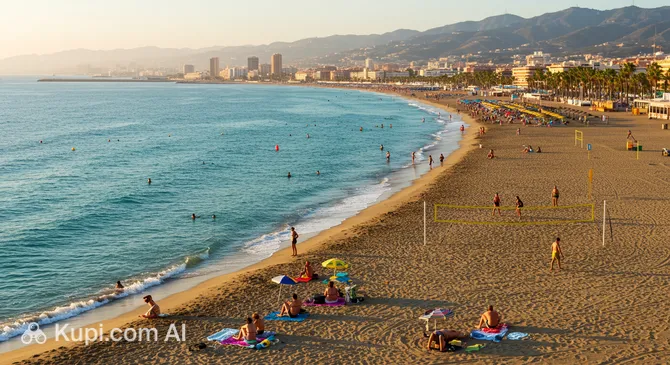
The town stretches along the coastline for almost eight kilometers, delighting guests with magnificent sandy beaches, many of which have been awarded the prestigious Blue Flag for cleanliness and excellent infrastructure. The mild Mediterranean climate with an abundance of sunny days, even in winter, makes Fuengirola an attractive destination year-round. The city's population is 83,226 people (according to the latest data), harmoniously blending the leisurely pace of a traditional Spanish town with the dynamics of a popular tourist center that has retained its historical charm with narrow streets and whitewashed houses.
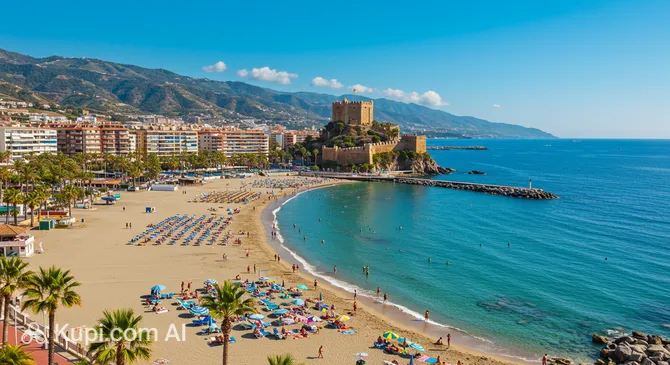
Fuengirola. Illustration.
Source: Kupi.com AI

One of the main hallmarks of Fuengirola is its magnificent promenade, Paseo Marítimo, stretching seven kilometers along the coast. It is a favorite spot for leisurely strolls, jogging, and cycling, offering beautiful sea views and a concentration of numerous cafes and restaurants. It is also well worth visiting the majestic Moorish Sohail Castle (Castillo Sohail), proudly perched on a hill at the mouth of the river, preserving centuries of history and serving as a venue for concerts and festivals. For family vacations and nature lovers, Bioparc Fuengirola is a real find, known for its innovative approach to keeping animals in conditions as close as possible to their natural habitat.

Fuengirola is a city that knows how to enchant at first sight. Whether it's a relaxed holiday on golden beaches, exploring historical corners, discovering delicious local cuisine, or active entertainment, everyone will find something for their soul here. Come to Fuengirola to experience the unique flavor of Andalusia and take home a piece of its sunny warmth and hospitality!

You can find more interesting facts on the history of Fuengirola page.
Weather Overview

In Fuengirola, a pleasant Mediterranean climate awaits you. Summers here are hot and very dry, especially in July and August, when average temperatures reach 25.5-25.7°C, and maximums can rise above 30°C; there is practically no rain during this period. Winters are mild, with an average temperature of around 11-12°C (from 7.3°C at night to 16.1°C during the day) and a small amount of precipitation, mainly from November to March. Expect a hot, sunny summer and a comfortable, mild winter with moderate rainfall. More detailed monthly weather information can be found on the Fuengirola Climate page.

Average monthly temperature

Average monthly precipitation

Interesting Facts

In addition to its sunny beaches and lively promenade, Fuengirola hides many curious details and stories that make this Andalusian city even more attractive to travelers.

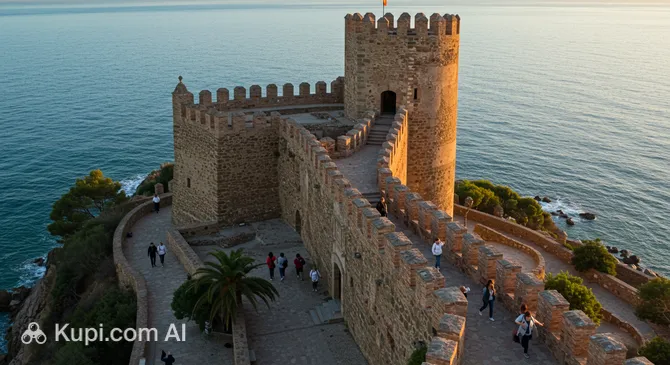
Sohail Castle. Illustration.
Source: Kupi.com AI

Traveler photos:

  • Despite its rapid development into a popular resort, Fuengirola carefully preserves its past. The city grew from a small fishing village, and its historical center still retains its old-world charm with 18th and 19th-century houses where the spirit of bygone times still lingers.

  • The symbol of the city is the majestic Sohail Castle, erected by the Moors back in the 10th century. Today, this ancient fortress is not just a historical monument but a popular venue for concerts, festivals, and even medieval tournaments, offering magnificent views of the coast.

  • Fuengirola boasts one of the most modern and eco-friendly zoos in Europe — Bioparc Fuengirola. It features conditions as close as possible to the animals' natural habitat, allowing visitors to observe rare species in a comfortable environment.

  • The city is famous for its vibrant festivals, among which the Feria del Rosario holds a special place. This festival is held in honor of the city's patron saint and turns the streets of Fuengirola into a true extravaganza of music, flamenco dancing, and colorful traditional processions, showcasing the richness of Andalusian culture.

How to Get There

Getting to sunny Fuengirola is quite simple, thanks to the well-developed transport infrastructure of the Costa del Sol region. The main gateways to the city are international airports and the rail connection via Malaga.

The most convenient and popular way to arrive in Fuengirola is by flying to Malaga – Costa del Sol Airport (AGP). This is a large international airport located in Malaga, approximately 18.5 km from Fuengirola. From here, you can easily reach Fuengirola in several ways: by taxi (the trip takes about 25-35 minutes), by rental car, or by the direct C1 suburban train line (Cercanías), which goes from the airport straight to the center of Fuengirola in about 35 minutes. Malaga Airport serves many international and domestic flights, acting as the main transport hub for the entire coast.

Another option, though less direct, is North Front Airport (GIB), located in Gibraltar, approximately 78.3 km from Fuengirola. This airport is much smaller but may be convenient depending on your route. A car trip from Gibraltar Airport to Fuengirola takes about 1.5-2 hours, not including time for a possible border crossing. Other airports, such as Jerez or Granada, are located significantly further away.

For clarity, here is summary information on the main airports:

AirportPassenger trafficDistance
Malaga Airport24.9 mln18 km
North Front Airport474 00078 km
Granada Airport1.0 mln104 km
Sania Ramel187 777122 km
Jerez Airport948 936130 km

Fuengirola has its own railway station, which is the terminus of the popular C1 suburban line (Cercanías). This line directly connects Fuengirola with central Malaga, Malaga Airport, and other resort towns along the coast, such as Torremolinos and Benalmádena. Trains run frequently and are a convenient way to travel around the region.

If you plan to arrive in Andalusia on a long-distance train, your primary arrival station will likely be María Zambrano Station (YJM) in Malaga. This is a very large and modern railway hub located about 25.5 km from Fuengirola. From María Zambrano station, you can easily transfer to the aforementioned C1 suburban train, which will take you to Fuengirola in about 45-50 minutes. Taxis and buses to Fuengirola are also available from the station.

For clarity, here is summary information on the region's main railway stations from which you can reach Fuengirola (usually with a transfer in Malaga):

StationPassenger trafficDistance
María Zambrano Station8.9 mln25 km
Puente Genil Railway Station225 24392 km
Granada Railway Station2.0 mln115 km
Jerez Railway Station1.9 mln135 km
Cádiz Station1.6 mln149 km

Additionally, Fuengirola is easily accessible by car via the well-developed Costa del Sol highway network (specifically the A-7 and the AP-7 toll road), as well as by intercity buses that connect the city with Malaga and many other cities in Spain.

Main Attractions

Fuengirola, a charming resort town on the Costa del Sol, offers its guests many interesting places to visit. Here, everyone will find an activity to their liking, from meeting exotic animals to exploring ancient fortresses and relaxing on magnificent beaches.

One of the city's brightest attractions is Bioparc Fuengirola. It is not just a zoo, but a real corner of wildlife where animals live in conditions as close as possible to their natural environment. Visitors can embark on a fascinating journey through various ecosystems, from Madagascar to Equatorial Africa, and see rare and exotic animals. The Bioparc is especially popular among families with children thanks to its educational and entertainment programs.

Bioparc Fuengirola. Illustration.
Source: Kupi.com AI

Traveler photos:

Majestically overlooking the city and the coast, Sohail Castle is a historical gem of Fuengirola. This ancient fortress, built in the 10th century, has survived many eras and today is a popular venue for open-air concerts and festivals. From the castle walls, breathtaking panoramic views of the Mediterranean Sea and the surrounding area open up, making it an ideal place for walks and photo sessions.

Sohail Castle. Illustration.
Source: Kupi.com AI

Traveler photos:

Of course, when speaking of Fuengirola, one cannot fail to mention its famous Fuengirola Beach. Stretching for several kilometers, it is famous for its golden sand, clean water, and developed infrastructure. Here, you can not only sunbathe and swim but also engage in water sports, stroll along the Paseo Marítimo promenade with its numerous cafes and restaurants, or simply enjoy the sea breeze.

Fuengirola Beach. Illustration.
Source: Kupi.com AI

Traveler photos:

For lovers of shopping and entertainment, Miramar Shopping Centre is an excellent choice. It is one of the largest shopping complexes on the coast, offering a wide range of famous brand stores, restaurants, a cinema, and entertainment zones for children. You can spend an entire day here, combining pleasant shopping with relaxation and fun.

Miramar Shopping Centre. Illustration.
Source: Kupi.com AI

Traveler photos:

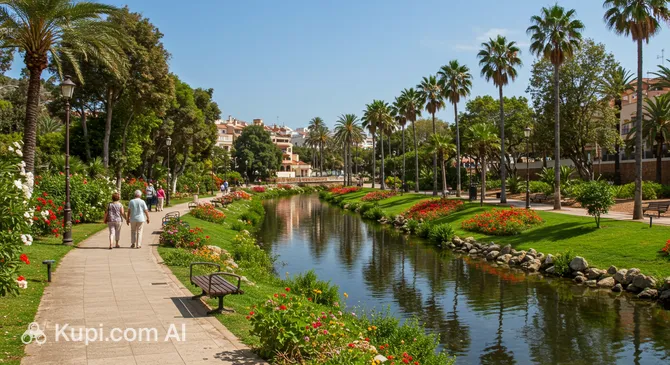
Another wonderful place for relaxation and walks is Fuengirola River Park. Located along the riverbed, this park offers green areas, children's playgrounds, bicycle paths, and picnic spots. It's a great place to take a break from the city bustle and enjoy nature in the very heart of Fuengirola.

Local Cuisine

The cuisine of Fuengirola is a true feast for foodies, especially those who appreciate the freshest seafood. The hallmark of the city and the entire Costa del Sol is undoubtedly espetos (espetos de sardinas) — sardines skewered on bamboo sticks and masterfully grilled over an open fire, which is built right on the beach in sand-filled boats. This is not just food, but a whole ritual: the fragrant, slightly smoked fish is served with a slice of lemon and pairs perfectly with a glass of chilled white wine or beer.

In addition to the legendary sardines, Fuengirola's gastronomic scene is rich with other marine delicacies. Be sure to try pescaíto frito — an assortment of various small fish and seafood, deep-fried to a crispy crust. No less important are tapas — the famous Spanish snacks, presented here in all their diversity: from garlic prawns (gambas al pil pil) and fried squid (calamares fritos) to traditional ham croquettes (croquetas de jamón) and refreshing Andalusian gazpacho.

Regarding drinks, in addition to local Andalusian wines, a hot day is perfectly refreshed by tinto de verano (red wine mixed with lemonade or sparkling water) or a classic sangria with fruit. Non-alcoholic drinkers can enjoy freshly squeezed juices, especially orange, or try horchata — a sweetish drink made from tiger nuts (chufa).

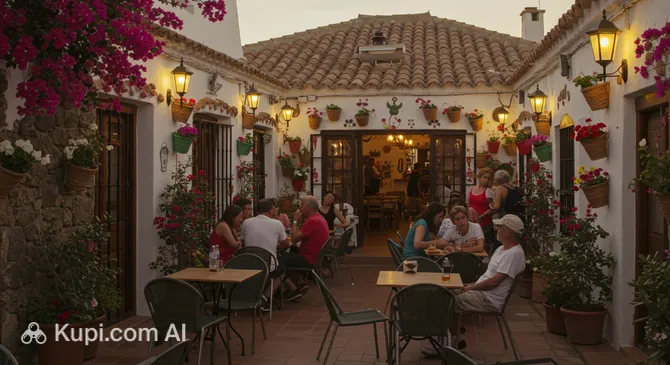
The eating culture in Fuengirola is inextricably linked to the sea and the relaxed resort atmosphere. Locals and tourists love to spend time in chiringuitos — beach bars and restaurants where you can enjoy freshly prepared fish and seafood literally steps away from the water. There are also many traditional restaurants in the city offering both local Andalusian cuisine and international favorites. If you want to try authentic grilled dishes, look out for establishments such as Asador Otola – Cortijo la Herradura.

Asador Otola – Cortijo la Herradura. Illustration.
Source: Kupi.com AI

Traveler photos:

For those with a sweet tooth, Fuengirola offers a traditional Spanish treat — churros. These fried sticks of choux pastry are usually dipped in a cup of thick hot chocolate — a perfect breakfast or afternoon snack. Visit local markets, such as Mercado Central, to buy fresh fruit, olives, cheeses, and other local products. And if you crave a special dessert or a cup of aromatic coffee, you can visit San Chocolate Coffee Gallery.

Overall, Fuengirola's gastronomic scene is characterized by brightness, diversity, and an emphasis on fresh, high-quality ingredients. You can find establishments for every taste and budget, from simple tapas bars to elegant restaurants. Throughout the year, the city also hosts various gastronomic fairs and festivals, allowing for a deeper dive into the region's culinary traditions.

Travel Tips

Planning a trip to sunny Fuengirola? Wonderful! To ensure your journey goes smoothly and leaves only the most pleasant impressions, we have prepared some practical tips to help you find your way on-site.

  1. Clothing and Essentials: The climate in Fuengirola is Mediterranean, so in summer, you will need light clothing, swimwear, a hat, sunglasses, and sunscreen. In spring and autumn, bring a light jacket or sweater, and in winter, warmer clothes, although frosts almost never occur here. Extremely important is comfortable footwear for long walks along the promenade and the town. Don't forget a European travel adapter for electrical appliances (Type F). When visiting churches, there is no strict dress code, but it is recommended to cover shoulders and knees out of respect.
  2. Getting Around Town: Fuengirola is easy to explore on foot, especially the center and along the promenade. For longer trips, there are local buses. Also, the Cercanías (C-1) suburban train line passes through the city, connecting Fuengirola with Malaga, the airport, and other resort towns like Benalmádena and Torremolinos. Taxis are available, and apps can be used to call them. Renting a car can be useful if you plan to explore the surroundings of the Costa del Sol, but for moving within the city itself, it is not always necessary; moreover, finding parking, especially in high season, can be difficult.
  3. Financial Matters: The official currency in Spain is the Euro (€). You can exchange currency at banks or exchange offices (look for the "Cambio" sign), but avoid exchanging at the airport due to less favorable rates. Bank cards (Visa, Mastercard) are accepted almost everywhere. International cards usually work without issues. ATMs ("cajeros automáticos") are widespread. An approximate daily budget per person, excluding accommodation, can be 50-100 euros. Tipping in restaurants is not mandatory but welcomed at 5-10% of the bill for good service, or you can simply round up the bill.
  4. Health and Safety: Pharmacies ("farmacias") in Fuengirola are easy to find by the green cross; there is always an on-duty pharmacy ("farmacia de guardia") open 24/7 (information about it can be found on the doors of other pharmacies or online). For medical assistance, tourists are recommended to have travel insurance. Fuengirola is generally a safe city. However, as anywhere, basic precautions should be taken: watch your belongings in crowded places (markets, beaches, public transport), and do not leave valuables unattended. There are no particularly dangerous areas for tourists in the city.
  5. Communication and Connectivity: The main language is Spanish. In tourist areas, hotels, and many restaurants, staff speak English. Learning a few basic phrases in Spanish will be useful and appreciated by the locals: "Hola" (Hello), "Adiós" (Goodbye), "Por favor" (Please), "Gracias" (Thank you), "¿Cuánto cuesta?" (How much does it cost?). A local SIM card can be purchased at mobile phone shops (e.g., Vodafone, Orange, Movistar). Wi-Fi is available in most hotels, cafes, and restaurants, as well as in some public places.
  6. Local Etiquette: Spaniards are open and friendly people. The greeting "Hola" is appropriate almost always. A handshake is a common form of greeting. Politeness is valued in communication. Keep in mind that lunch times here are usually later than in many other countries (lunch from 2:00 PM to 4:00 PM, dinner from 8:30-9:00 PM). Some small shops may close for a siesta in the middle of the day.
  7. What to Avoid: Try not to loudly discuss controversial political topics, especially those concerning internal Spanish issues. Also, do not compare local culture or cuisine with others in a derogatory way. Excessive familiarity with strangers can also be perceived ambiguously.
  8. Local Highlight: Be sure to visit the famous Fuengirola market, which takes place on Tuesdays (and Saturdays for the "rastro" flea market). It is one of the liveliest places in town, where you can find souvenirs, local products, clothing, and more. Also, don't miss the chance to stroll along the magnificent Paseo Marítimo, one of the longest in Spain, especially at sunset.

We hope these tips help you better prepare for your trip and fully enjoy the hospitality and beauty of Fuengirola. We wish you an unforgettable holiday on the Costa del Sol!

Entertainment & Nightlife

When the sun sets over the Costa del Sol, Fuengirola transforms, offering its guests and residents a variety of opportunities for evening and nightlife. The city is known for its lively yet relaxed atmosphere, which attracts both young people and a more mature audience.

Most of Fuengirola's nightlife is concentrated along the Paseo Marítimo promenade and the adjacent streets, as well as in the area around the central square, Plaza de la Constitución. Here you will find many bars, pubs, restaurants with live music, and nightclubs for every taste. The atmosphere in most establishments is democratic; there is usually no special dress code, although some clubs may not allow beachwear. The fun typically starts late, after 10:00-11:00 PM, while clubs fill up closer to 1:00 AM and stay open until dawn.

Panda Cocktail Bar. Illustration.
Source: Kupi.com AI

Traveler photos:

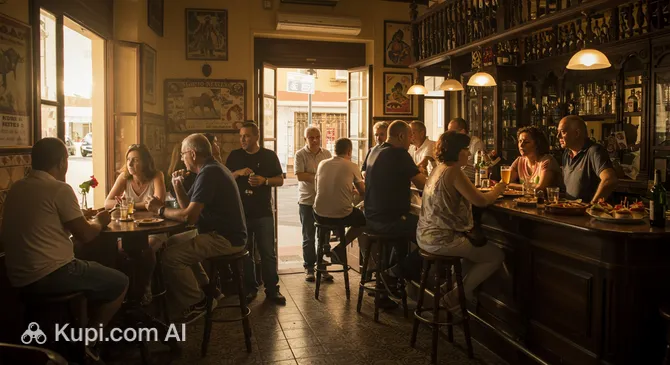
Popular evening spots include cozy tapas bars where you can enjoy local snacks and wine, Irish pubs with their casual setting, and stylish cocktail bars. For example, Panda Cocktail Bar offers a wide selection of signature drinks. For those seeking a more lively atmosphere, Mesón El Torillo Restaurant and Bar is a great fit, where you can not only have a drink but also a delicious dinner. Fans of jazz and sophisticated cocktails should check out Speakeasy Jazz Club and Cocktails, known for its ambiance and high-quality music.

Mesón El Torillo Restaurant & Bar. Illustration.
Source: Kupi.com AI

Traveler photos:

Practical tips: The best time to visit bars is after 9:00 PM, and clubs after midnight. Average drink prices vary: beer can cost from 2-3 euros, while cocktails range from 7-10 euros. Some clubs may charge an entry fee, especially on weekends or if a famous DJ is performing. Moving around the center of Fuengirola at night is relatively safe, especially in busy tourist zones. However, one should always take standard precautions. Taxis are easily found at stands or can be called by phone; taxi ordering apps are also available.

Speakeasy Jazz Club & Cocktails. Illustration.
Source: Kupi.com AI

Traveler photos:

While the nightlife is a significant part of Fuengirola's appeal, there is also plenty to do during the day. The city offers diverse daytime entertainment, including a visit to the famous Bioparc Fuengirola, which is a modern zoo with immersive habitats. It is also worth exploring the historical Sohail Castle, which offers beautiful views of the coast. For family fun, the Fuengirola Children's Park and Attractions is ideal. Thus, Fuengirola offers a complete holiday experience both day and night.

Parks & Museums

Fuengirola is not only a popular resort with magnificent beaches but also a city that carefully preserves its cultural heritage and offers cozy green corners for relaxation. Here, you can combine beach relaxation with an immersion into history and encounters with unique natural and cultural sites.

For nature lovers and those who enjoy quiet walks, Fuengirola has several attractive spots. One of the most significant is Fuengirola River Park (Parque Fluvial). This modern space along the river is perfect for family vacations, jogging, or cycling, offering playgrounds and sports zones. Another cozy spot is Parque del Sol, a small city park where it's pleasant to rest in the shade of trees and observe local life. And, of course, one cannot forget the city's famous beaches, such as the main Fuengirola Beach, which are essentially the city's primary natural zone, offering kilometers of golden sand for rest and recreation.

Fuengirola Riverside Park. Illustration.
Source: Kupi.com AI

Traveler photos:

Parque del Sol. Illustration.
Source: Kupi.com AI

Traveler photos:

The main historical landmark of Fuengirola and a kind of open-air museum is the majestic Sohail Castle. This 10th-century Arab fortress, beautifully restored, not only tells the history of the region but also serves as a venue for concerts and festivals, offering breathtaking views of the coast. In its vicinity, one can discover traces of an ancient Roman settlement, adding historical depth to the site. Although Fuengirola doesn't have many traditional museums, the city offers a touch of history through such significant places. Another interesting architectural and cultural site is the Fuengirola Mosque, an example of modern Islamic architecture in Spain.

Sohail Castle. Illustration.
Source: Kupi.com AI

Traveler photos:

Special mention should be made of Bioparc Fuengirola. It is not just a zoo, but an innovative center where animals are kept in conditions as close as possible to their natural habitat, thanks to the concept of "zoo-immersion." Visiting the Bioparc is a fascinating journey to different corners of the planet and an excellent opportunity to learn more about species conservation, making it interesting for both children and adults.

Bioparc Fuengirola. Illustration.
Source: Kupi.com AI

Traveler photos:

To feel the authentic spirit of Fuengirola, stop by the central market, Mercado Central, where local life teems and the freshest products can be found. It is also worth strolling through the charming Plaza de la Constitución — the heart of the old town, often hidden from the bustle of the busy promenade. If you are traveling with children, the Fuengirola Children's Park and Attractions offers plenty of entertainment and activities for young tourists.

Getting Around

The public transport system in Fuengirola is well-developed, compact, and easy to understand even for first-time visitors. The city has a convenient network of bus routes and is the terminus of a popular railway line, allowing for easy travel both within the resort and throughout the Costa del Sol without needing to rent a car.

The main transport artery for tourists is the Cercanías (C-1 line) suburban train. The railway station is located in the heart of the city, underground, near Plaza de la Constitución. Trains run every 20 minutes, connecting the center with the Los Boliches district, Torreblanca, and the shopping center, as well as with neighboring towns. This is the fastest way to reach large shops or beaches on the outskirts, avoiding street traffic.

For getting around within the city, a network of urban buses (Autobuses Urbanos) operates. There are several lines (L-1, L-2, etc.) that connect the center with outlying areas such as Sohail Castle, the Miramar district, and residential neighborhoods in the foothills. The buses are modern, air-conditioned, and run on a schedule that can be found at stops or on online maps. The central bus station is located just a block from the railway station, making transfers very convenient.

Paying for travel has its nuances. On city buses, a ticket can be bought from the driver upon boarding, but it's important to have change or small bills (no larger than 5-10 euros), as the driver may not have change for 20 or 50 euros. For trains, tickets are purchased from machines at the station before the trip; the machine menus are available in several languages. Turnstiles require ticket validation both at the entrance and exit, so keep it until the end of your journey.

If you plan to travel a lot along the coast, it is beneficial to purchase a Consortium Transport Card (Tarjeta de Transporte del Consorcio de Málaga). This greenish card is sold at tobacco shops (Tabacos) and allows for significant savings on bus and train fares. It works on the electronic wallet principle: you top up the balance and simply tap the card against the reader when boarding.

As an alternative to public transport, taxis are widely available in the city. Official cars are painted white with a diagonal stripe on the front doors and a green light on the roof (when free). They can be found at special stands or hailed on the street. Popular taxi-hailing and ridesharing apps (such as Uber, Cabify) also operate here, which can often be more convenient for tourists who do not speak Spanish.

Given the flat landscape of the promenade, an excellent option for moving around is a bicycle or an electric scooter. The city has bike lanes, especially along the sea, and many rental points are available. However, it is worth remembering that the promenade is very crowded during high season, and travel on wheeled transport may be restricted in certain zones for pedestrian safety.

Accommodation

Where to stay:

Fuengirola offers travelers a wide and diverse choice of accommodation options capable of satisfying any taste and budget. As the city is one of the most popular resorts on the Costa del Sol, the foundation of its housing stock consists of classic 3 and 4-star resort hotels, as well as a vast sector of tourist apartments. Renting flats and apartment hotels is particularly well-developed here, offering guests flexibility and home comfort, which makes this option ideal for families with children or groups of friends.

The choice of neighborhood largely depends on the goals of your trip. If beach holidays and beautiful views are the priority, it is worth looking for accommodation on the front line along the famous Paseo Marítimo promenade. By staying here, you will be within walking distance of the city's main attraction — Fuengirola Beach; however, prices in this zone are usually higher, especially during peak season.

For those seeking a combination of a resort atmosphere and local flavor, the Los Boliches district is an excellent choice. This former fishing village is now part of the city but has retained its charm, narrow streets, and many traditional establishments. Those who prefer a quieter stay, modern buildings, and proximity to shops should consider the western part of the city, near the Miramar Shopping Centre and the historical Sohail Castle.

Booking Tip: Summer, especially July and August, as well as the Easter week (Semana Santa), is the peak of the tourist season. Demand for accommodation at this time is very high, so it is strongly recommended to book hotels or apartments in advance, preferably several months ahead, to ensure the best choice and reasonable prices.

The price range in Fuengirola varies from budget (inexpensive guesthouses and hostels, of which there are few) to mid-range and high. Luxury five-star complexes are less common here than in neighboring Marbella, as the resort focuses on a more democratic holiday experience. Booking is most convenient through major international online platforms, which guarantees transaction security and allows you to read real reviews from other guests.

Nearby Cities

For those wishing to explore the surrounding area, Fuengirola serves as an excellent starting point for day trips to several interesting nearby locations:

CityPopulationDistance
Mijas89 5026 km
Benalmadena73 16011 km
Alhaurin el Grande26 43613 km
Torremolinos68 81914 km
Alhaurin de la Torre42 53114 km

Just a few kilometers from the coast, climbing into the mountains, is Mijas. It is a classic example of an Andalusian "white village" (Pueblo Blanco). Narrow cobbled streets decorated with bright flower pots, breathtaking panoramic views of the coast, and the famous donkey taxis make it an incredibly picturesque place for a short trip.

The provincial capital, Malaga, is less than a half-hour drive away. It is a dynamic city where history meets modernity. Here you can visit the majestic Alcazaba fortress, the Roman theater, and the famous Picasso Museum, as well as take a walk along the modern Muelle Uno port promenade.

If you want to immerse yourself in an atmosphere of luxury, head to Marbella. Besides the famous Puerto Banús port with its expensive yachts and boutiques, the city enchants with its historical center and the Plaza de los Naranjos, where you can relax in the shade of orange trees.

These nearby destinations provide an insight into the diverse culture and landscapes of the region.

Shopping & Souvenirs

Shopping in Fuengirola is an exciting activity that harmoniously complements a beach holiday. The city offers tourists a fine balance between traditional Spanish flair and modern conveniences. You won't find a vast number of luxury boutiques here like in Marbella, but instead, you can enjoy strolls through cozy shopping streets, visit one of the best shopping centers on the coast, and immerse yourself in the atmosphere of lively street markets. The range varies from affordable mass-market brands to unique items from local artisans.

The heart of the city's commercial life is its center, especially the area around Plaza de la Constitución. The main shopping arteries are Avenida Condes de San Isidro and Calle España. Numerous shops selling clothing, shoes, accessories, and perfumes are concentrated here. Walking through these pedestrian zones, you will find both well-known Spanish chain stores (such as Zara or Mango) and small family shops with original goods that are hard to find in large malls.

If you prefer large-scale shopping with comfort and air conditioning, you should definitely visit Miramar Shopping Centre. This is one of the largest shopping and entertainment complexes on the Costa del Sol. More than 140 stores are gathered under one roof, including popular international brands, a hypermarket, as well as an entertainment zone with a cinema and restaurants. It is an ideal place to update the whole family's wardrobe or buy everything needed for your vacation.

Miramar Shopping Centre. Illustration.
Source: Kupi.com AI

Traveler photos:

An integral part of Fuengirola's culture is its famous markets, considered among the largest and most colorful in Andalusia. The main market takes place on Tuesdays at the Recinto Ferial (fairground). Here you can buy literally anything: from fresh fruit and spices to clothing and ceramics. On Saturdays, the famous flea market ("Rastro") operates at the same location, which is a true paradise for lovers of vintage, antiques, and unusual finds. The city also has an indoor food market, Mercado de Abastos, where locals buy the freshest fish, meat, and vegetables.

As souvenirs from Fuengirola, tourists often bring home traditional Andalusian goods. Look out for ceramics with bright hand-painting, which will decorate any kitchen. High-quality leather goods (bags, belts, wallets) are also popular. For gastronomic souvenirs, consider purchasing local olive oil (Virgen Extra), Spanish wines (such as sherry or sweet wine from Malaga), as well as vacuum-packed jamón or Manchego cheese.

When planning your shopping trip, keep local opening hours in mind. Large shopping centers and chain stores on the main streets usually operate without a break from 10:00 AM to 9:00 PM or 10:00 PM. However, small private shops and boutiques follow the traditional siesta and may close from approximately 1:30–2:00 PM until 5:00–5:30 PM. Most shops are closed on Sundays, except during the summer season or special holidays. Credit and debit cards (Visa, Mastercard) are accepted almost everywhere, but it's better to have some cash in euros, preferably small bills, for visiting the markets.

Tourists residing permanently outside the European Union are entitled to a Value Added Tax (VAT) refund (Tax Free) on purchases. In Spain, there is no longer a minimum receipt amount for requesting a refund, so don't hesitate to ask for a Tax Free form (DIVA checks) even for small purchases in stores supporting this system. You can process the refund at the departure airport before leaving the EU.

Reached the end of the page?

That means the route is fully explored