Support

Torremolinos

About

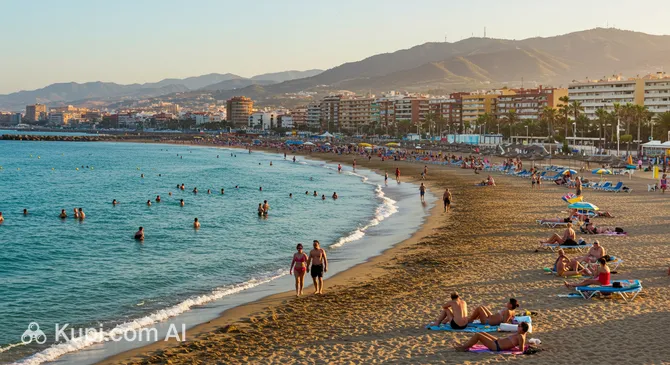
Torremolinos is a popular resort town on the sunny Costa del Sol in Spain. Located in the province of Malaga, it attracts tourists with its extensive beaches, pleasant climate, and lively atmosphere. Once a humble fishing village, today Torremolinos is one of the region's key tourist centers, while still retaining elements of its Andalusian charm.

The city enjoys a typical Mediterranean climate with over 320 sunny days a year, making it an attractive destination almost year-round. The permanent population of Torremolinos is approximately 69,000 residents (around 68,819 according to recent data); however, this figure increases significantly during the summer months due to the influx of tourists.

Torremolinos. Illustration.
Source: Kupi.com AI

Among the main attractions of Torremolinos are its famous sandy beaches. Playa de la Carihuela is known for its cozy "chiringuitos" (beach restaurants) where you can taste the freshest seafood, while Playa del Bajondillo offers a wide selection of water sports and activities. Equally popular is the bustling Calle San Miguel, the main shopping street, perfect for shopping and strolling. For those seeking tranquility and greenery, Parque La Batería is an excellent choice, featuring beautiful gardens, an observation tower, and a small lake.

Torremolinos offers a diverse holiday experience: from relaxing on the beach and family-friendly entertainment to active nightlife and gastronomic discoveries. This hospitable city in southern Spain awaits to give you unforgettable impressions of the sunny Andalusian coast.

You can find more interesting facts on the Torremolinos city history page.

Weather Overview

The climate in Torremolinos is typically Mediterranean, which means hot, sunny summers and mild winters. In summer, especially in July and August, the average air temperature is around +25.5°C...+25.8°C, with maximum highs occasionally rising above +30°C. Rainfall during these months is very rare, often non-existent, particularly in July when the number of rainy days is close to zero. In winter, temperatures are significantly lower but remain comfortable: in January, the average temperature is about +11.0°C, and in December, it's +12.4°C. Overall, expect hot and very dry summers and mild winters in Torremolinos, with occasional but not heavy rain, most likely from October to March. For example, March can see up to 12 days with some precipitation, although the total amount remains small. To better plan your trip, check out the detailed information: Torremolinos Climate.

Average monthly temperature

Average monthly precipitation

Interesting Facts

Beyond its famous beaches and vibrant nightlife, Torremolinos holds many surprising stories and lesser-known facts that make it an even more intriguing place to explore.

  • The name Torremolinos literally translates to "Tower of the Mills" (Torre de los Molinos). The town was once famous for its numerous water mills. The remains of some can still be seen today, for example, in the Molino de Inca Botanical Garden, which itself is located on the site of an ancient mill.

  • In the 1950s and 60s, Torremolinos became a real Mecca for international celebrities. Stars such as Grace Kelly, Ava Gardner, Marlon Brando, and Orson Welles vacationed here. Frank Sinatra was also a frequent guest and even found himself in the spotlight after an incident at the Pez Espada hotel in 1964, which added a touch of piquant fame to the resort.

  • The popular La Bateria Park, known for its picturesque alleys, boating lake, and observation tower, has an unexpected past. Its name translates to "The Battery," and the site was indeed once home to a coastal artillery battery, traces of which can still be found today.

  • The city's main pedestrian street, Calle San Miguel, is considered one of the busiest shopping arteries on the Costa del Sol. It offers an endless stream of shops, souvenir stalls, bars, and cafes, attracting both tourists and locals alike.

Parque de la Batería. Illustration.
Source: Kupi.com AI

Traveler photos:

How to Get There

Getting to this popular resort on the Costa del Sol is quite easy thanks to its convenient location. You can find out more by reading details on how to get to Torremolinos, exploring all available routes and modes of transport.

There is no airport in Torremolinos itself, but this poses no problem for travelers. Most tourists fly into the international Malaga Airport (IATA: AGP), located in the city of Malaga. This is the region's main air hub, situated only about 6 km from the center of Torremolinos. Thanks to this proximity, a transfer by taxi or bus takes very little time—around 30 minutes. The airport handles a huge volume of passengers and accepts flights from most major European cities.

Alternatively, you can consider Granada Airport (IATA: GRX), located in the city of Granada. The distance from there to Torremolinos is about 90 km. This airport is significantly smaller, and the journey by taxi or rental car will take longer—approximately 2 hours and 35 minutes.

For convenience, here is a summary of the main airports used to reach the resort:

AirportPassenger trafficDistance
Malaga Airport24.9 mln6 km
Granada Airport1.0 mln90 km
North Front Airport474 00092 km
Sania Ramel187 777136 km
Jerez Airport948 936140 km

Rail travel is also a convenient way to reach the region. Note that there is no long-distance train station in Torremolinos itself (only a commuter train line). The nearest major railway hub is Maria Zambrano Station, located in Malaga, about 11.7 km from Torremolinos. This is a large transport hub with high passenger traffic, where high-speed trains from Madrid and other Spanish cities arrive. The journey from the station to a hotel in Torremolinos by taxi or bus takes about 40 minutes.

Below is information about the nearest major railway stations:

StationPassenger trafficDistance
María Zambrano Station8.9 mln12 km
Puente Genil Railway Station225 24387 km
Granada Railway Station2.0 mln101 km
Cordoba Central Railway Station5.7 mln143 km
Jaén Railway Station580 600143 km

Main Attractions

Torremolinos is not only about magnificent beaches but also many interesting places that will make your holiday rich and educational. Here are just a few attractions to include in your itinerary while exploring this lively resort on the Costa del Sol:

Naturally, the main pride of Torremolinos is its long sandy beaches. Among them, Torremolinos Beach stands out, often considered the central and one of the busiest, offering all the amenities for a comfortable stay. Another popular spot is Playamar, known for its wide sandy strip and calm atmosphere, suitable for families with children. Here you can not only sunbathe and swim in the Mediterranean Sea but also engage in water sports or enjoy fresh seafood at one of the many chiringuitos (beach restaurants).

Torremolinos Beach. Illustration.
Source: Kupi.com AI

Traveler photos:

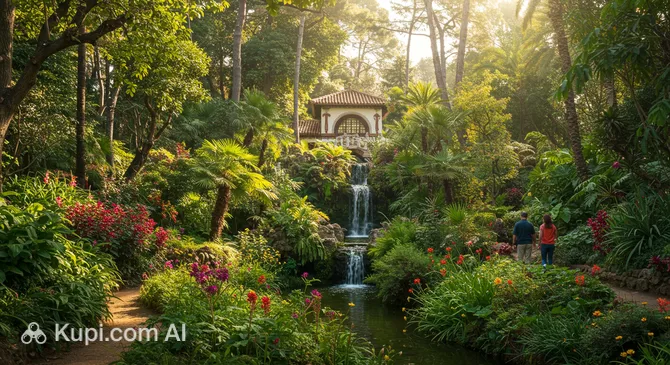
For nature lovers and those who enjoy quiet walks, the Molino de Inca Botanical Garden is a must-visit. This picturesque oasis is located on the site of an old water mill, from which it takes its name, and its restored mechanisms can still be seen today. The garden surprises with its diverse flora: hundreds of plant species from around the world are collected here, including exotic palms, ancient trees, and bright flowering shrubs. It is the perfect place to hide from the summer heat and enjoy the silence, birdsong, and natural beauty.

Molino de Inca Botanical Garden. Illustration.
Source: Kupi.com AI

Traveler photos:

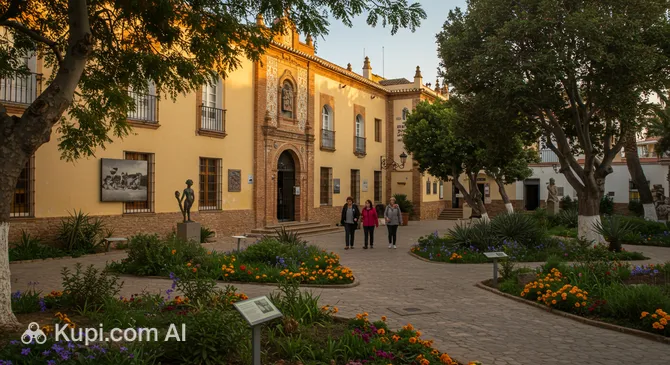
Art and culture enthusiasts should visit the Pablo Ruiz Picasso Cultural Centre. Although the great artist was born in nearby Malaga, his name is honored in Torremolinos with this cultural space. The center regularly hosts temporary exhibitions of contemporary art, photography, and sculpture, as well as various cultural events, lectures, and workshops. This is a wonderful opportunity to get acquainted with the work of Spanish and international artists and enrich your cultural experience during your holiday.

Pablo Ruiz Picasso Cultural Center. Illustration.
Source: Kupi.com AI

Traveler photos:

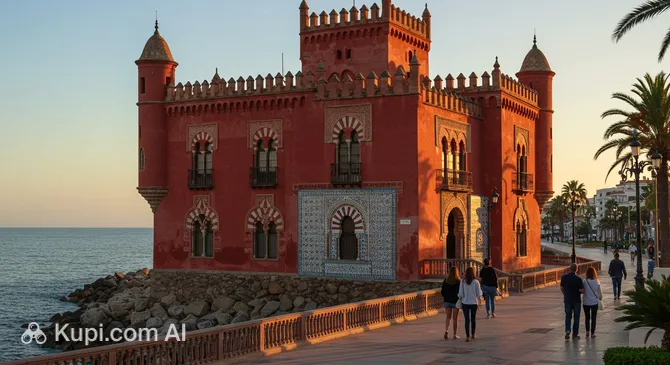
An unusual and memorable landmark often visited by guests of Torremolinos is El Bil Bil Castle. It is located on the promenade in neighboring Benalmádena but is easily accessible from Torremolinos. This building, in a striking Neo-Arabic style with bright red walls, tiles, and elegant arches, was built in the 1930s as a private villa. Today, the castle belongs to the municipality and is used as an exhibition hall and a venue for cultural events and wedding ceremonies. Its picturesque view against the backdrop of the sea makes it a popular spot for photos and romantic walks.

El Bil Bil Castle. Illustration.
Source: Kupi.com AI

Traveler photos:

Local Cuisine

The gastronomy of Torremolinos is a vibrant reflection of its coastal location and Andalusian roots. The main star of the local cuisine is undoubtedly fresh seafood. Be sure to try espetos de sardinas—sardines skewered on cane sticks and grilled over coals, often in traditional boat-shaped pits near the beachside chiringuitos. This is a true symbol of the Malaga coast. Equally popular is pescaíto frito—an assortment of small fried fish and other seafood, crispy and fragrant.

On a hot day, there is nothing better than refreshing cold soups, such as the famous gazpacho (made from tomatoes and vegetables) or its local variation ajoblanco (a chilled almond and garlic soup typical of Malaga province). The tapas culture also thrives here: small snacks served with drinks allow you to sample many flavors in one evening. It is a great way to get to know the variety of local delicacies, from olives and cheeses to mini-portions of hot dishes.

As for drinks, look out for local Andalusian wines, especially the sweet wines of Malaga. In the heat, sangria (wine with fruit) and tinto de verano (red wine with soda or lemonade) are perfectly refreshing. Of course, local beer is always available. Popular non-alcoholic drinks include horchata (a sweet drink made from tiger nuts), freshly squeezed juices—especially orange—and various granizados (fruit slushies).

A special place in the gastronomic culture of Torremolinos is held by the chiringuitos—beach restaurants where you can enjoy freshly prepared fish and seafood with a view of the sea. They are a favorite spot for both tourists and locals for a casual lunch or dinner. Traditional tapas bars and more formal restaurants offering both Andalusian and international cuisine are also found everywhere. If you want to try authentic fish dishes, visit establishments such as Pescaderia Los Mellizos, known for its seafood.

Pescadería Los Mellizos. Illustration.
Source: Kupi.com AI

Traveler photos:

The gastronomic scene of Torremolinos attracts tourists with its emphasis on the freshness and quality of local products, especially the gifts of the Mediterranean Sea. The opportunity to dine right on the beach, tasting freshly cooked sardines, or to spend an evening moving from one tapas bar to another, creates a unique atmosphere of relaxation and culinary discovery. This combination of tradition, taste, and a relaxed environment makes local cuisine an integral part of Torremolinos' charm.

Travel Tips

Planning a trip to sunny Torremolinos? Great! To make your journey to this vibrant Spain resort as comfortable and worry-free as possible, we have prepared some practical tips. They will help you find your way around better and enjoy every moment of your holiday.

  1. Clothing and Essentials: What to Pack for Torremolinos

    The climate in Torremolinos is Mediterranean, with hot summers and mild winters. In summer (June-September), bring light, breathable clothing made of natural fabrics: t-shirts, shorts, sundresses, and swimwear. Don't forget sunscreen with high SPF, sunglasses, and a hat—the sun here is very strong! For evening walks or in the off-season, a light jacket or sweater will come in handy. Comfortable shoes are a must-have for walking along the promenade and the busy Calle San Miguel. In Spain, type F sockets are used, so you might need a universal adapter. When visiting churches, although there aren't many in the resort zone, it is customary to cover shoulders and knees out of respect.

  2. Transport: Getting Around Torremolinos and Beyond

    Torremolinos itself is quite compact, and many of its areas are pleasant to explore on foot. To travel around town or to neighboring resorts and Malaga, local buses are convenient—the route network is well-developed. Also, the Cercanías C1 commuter train line passes through Torremolinos, connecting the resort with Malaga Airport, Malaga city center, and other coastal towns. Taxis are available, and you can also use apps to call them. Renting a car makes sense if you plan to actively explore Andalusia, but be aware that parking in the center of Torremolinos, especially in high season, can be difficult.

  3. Finances: Money, Cards, and Tipping in Spain

    The official currency in Spain is the Euro (EUR). You can exchange money at banks or exchange offices ("cambio"), but the rate at the airport is usually less favorable. Bank cards (Visa, Mastercard) are accepted almost everywhere: in hotels, restaurants, and shops. International cards usually work without problems, but it's better to notify your bank of your trip in advance. ATMs ("cajeros automáticos") are easy to find. An approximate daily budget (excluding accommodation) could be 50-100 euros per person, depending on your plans. Tipping in Spain is not mandatory but is welcomed for good service: in restaurants, it is common to leave 5-10% of the bill or simply round up the amount; in bars and taxis, it's at your discretion.

  4. Health and Safety: Taking Care of Yourself on Holiday

    Pharmacies ("farmacias") in Torremolinos are easily recognized by a green cross. Information about duty pharmacies (open 24 hours or on weekends—"farmacia de guardia") is usually posted on the doors of other pharmacies. For EU citizens, it is recommended to have a European Health Insurance Card (EHIC). Tourists from other countries are strongly advised to take out travel medical insurance. In an emergency, call 112. Torremolinos is generally a safe resort, but you should take standard precautions: keep an eye on your belongings in crowded places (beaches, markets, Calle San Miguel), and do not leave valuables unattended. Drink plenty of water in hot weather.

  5. Communication: Language, Connectivity, and Useful Phrases

    The official language is Spanish. In the tourist areas of Torremolinos, many service workers speak English, and sometimes other European languages. Nevertheless, knowing a few basic phrases in Spanish will be very useful and appreciated by the locals:

    • Hola – Hello
    • Adiós – Goodbye
    • Por favor – Please
    • Gracias – Thank you
    • Sí / No – Yes / No
    • No entiendo – I don't understand
    • ¿Cuánto cuesta? – How much does it cost?
    A local SIM card for mobile internet can be purchased at operator stores or small shops. Wi-Fi is available in most hotels, cafes, and restaurants.

  6. Local Etiquette: How to Behave in Torremolinos

    Spaniards are open and friendly people. The greeting "Hola" is appropriate almost anytime. When meeting friends, it is common to exchange two kisses on the cheeks (starting with the left). People in Spain lunch and dine quite late by other countries' standards: lunch is usually from 14:00 to 16:00, and dinner no earlier than 21:00. Politeness is valued in public places; "por favor" (please) and "gracias" (thank you) are used often. Try not to be overly noisy in residential areas late at night.

  7. What to Avoid: For a Smooth Holiday

    Firstly, avoid walking in swimwear around town, in shops, or in restaurants away from the beach—this is considered bad manners. Beachwear is appropriate only on the beach or by the pool. Secondly, avoid comparing Spanish culture or cuisine to others, especially in a negative way. Spaniards are very proud of their traditions.

  8. Special Tip for Torremolinos: Immerse Yourself in Local Life

    Be sure to visit a chiringuito—a traditional beach restaurant. Order espetos de sardinas (grilled sardines)—this is the hallmark of Malaga and Torremolinos. Also, take note of the siesta time: although it is less pronounced in major resorts, some small family-run shops may be closed from approximately 14:00 to 17:00. This is a perfect time for a relaxed lunch or a rest on the beach.

We hope these tips help you plan an unforgettable trip to Torremolinos! Enjoy the sun, the sea, and the hospitality of this wonderful corner of Spain.

Entertainment & Nightlife

As the sun sets over the Costa del Sol, Torremolinos transforms, offering its guests a vibrant and diverse nightlife. This resort is famous for its ability to satisfy all tastes: from quiet evenings with a cocktail to energetic dancing until dawn. Everyone will find entertainment to their liking to make their holiday unforgettable.

Several districts are considered the centers of nighttime attraction in Torremolinos. The La Nogalera quarter is known as the heart of the LGBTQ+ scene but attracts a diverse crowd with its numerous bars and clubs. The cozy Pueblo Blanco charms with the atmosphere of an Andalusian village, featuring small bars and restaurants ideal for a relaxed evening. Along the Paseo Marítimo promenade, you'll find stylish beach clubs and bars with sea views, where you can enjoy drinks to the sound of the waves. Don't forget the central Calle San Miguel and its adjacent streets, which also house many venues.

The atmosphere of Torremolinos at night is very lively and international. The crowd is varied—from young people looking for fun to more mature tourists enjoying the evening breeze. The choice of venues is huge: from traditional Spanish bodegas and tapas bars to trendy cocktail lounges, Irish pubs, and large discos with modern music. Many bars stay open until 2-3 AM, while clubs remain open until 6-7 AM. The dress code in most places is quite casual (smart casual), but some exclusive clubs may expect a more elegant look.

Among the popular spots for nighttime entertainment, you can highlight the Parthenon Club, known for its lively parties and diverse music, attracting those who want to dance the night away. For a quieter evening with drinks and pleasant conversation, the La Casita 33 bar offers a cozy atmosphere. And if you want to try your luck or simply enjoy a sophisticated setting, consider the Torrequebrada Casino, located nearby and offering a wide range of gambling games and show programs.

Parthenon Club. Illustration.
Source: Kupi.com AI

Traveler photos:

When planning an evening out, keep in mind that the real nightlife in Torremolinos, as in the rest of Spain, starts quite late—most people head to the clubs after midnight. Average drink prices are quite affordable: beer costs 2-4 euros, and a cocktail costs 7-12 euros. Entry to some clubs may have a fee (10-20 euros), often including one drink. At night, it is most convenient to get around the city by taxi; stands are located at key points, and you can also call a car by phone or through an app.

Casino Torrequebrada. Illustration.
Source: Kupi.com AI

Traveler photos:

Torremolinos is generally considered a safe resort for nighttime walks, especially in busy tourist zones. However, it is always worth taking basic precautions: keep an eye on your belongings and avoid poorly lit or deserted areas. Use official services to call a taxi.

During the day, Torremolinos also offers plenty of entertainment. In addition to the magnificent beaches, you can visit, for example, the Eagle Park (Jardín de las Águilas), where birds of prey are presented, or stroll through picturesque parks like the famous La Bateria Park. The city has cinemas, as well as opportunities for shopping and outdoor activities. Thus, Torremolinos is ready to offer entertainment for every taste and at any time of day.

Parks & Museums

Torremolinos offers its guests not only magnificent beaches but also wonderful opportunities for outdoor relaxation and immersion in local culture. The city is proud of its well-maintained green spaces and interesting cultural sites, which will add variety to your vacation.

Among the city's main green oases, La Bateria Park stands out. It is not just a park but a historical site that once housed a coastal artillery battery. Today, it is a beautiful space for walking with a picturesque lake where you can go boating, children's playgrounds, and an observation tower offering views of the coast. Another treasure is the Molino de Inca Botanical Garden. Located on the site of an old mill, this garden boasts a collection of over a thousand plant species, including exotic specimens, and is an ideal place for quiet nature contemplation and escaping the city's hustle and bustle.

To get acquainted with the cultural side of Torremolinos, there are several interesting places to visit. A unique experience is a visit to the Garden of Eagles (Jardín de las Águilas), which is essentially a center for the rehabilitation and demonstration of birds of prey. Here you can see impressive flight displays of eagles, falcons, and other feathered predators, and learn a lot about these amazing creatures. This place will be especially interesting for families with children and all nature lovers.

Garden of Eagles. Illustration.
Source: Kupi.com AI

Traveler photos:

Art lovers are encouraged to visit the Pablo Ruiz Picasso Cultural Centre. Although the great artist was born in Malaga, his name is commemorated here as well. The center regularly hosts exhibitions of contemporary art, photography, and sculpture, as well as various cultural events, lectures, and workshops, offering food for thought and inspiration.

Regarding architectural landmarks, although it is located in neighboring Benalmádena, El Bil Bil Castle is easily accessible from Torremolinos. Its striking Neo-Arabic architecture against the sea attracts many visitors and serves as a beautiful backdrop for photos. Inside, exhibitions and cultural events are often held.

For a more authentic experience, stroll through the old La Carihuela quarter, a former fishing village that has retained its charm, or explore the enchanting Pueblo Blanco district with its narrow streets, white houses, and cozy courtyards decorated with flowers. These places allow you to feel the true Andalusian spirit of the city more deeply.

Getting Around

Getting around Torremolinos and its surroundings is quite simple thanks to a well-developed public transport system. The main modes of transport for tourists are local and intercity buses, as well as Cercanías commuter trains. The bus network covers the city itself and connects it to neighboring resorts and Malaga. The Cercanías C1 train line is a real lifesaver, as it quickly and conveniently takes you to the center of Malaga, the airport, and towns like Benalmádena and Fuengirola. Torremolinos has several stations along this line, making the train a convenient choice for many routes.

The fare system is quite flexible. On buses, you can purchase a single ticket (billete sencillo) directly from the driver, usually with cash (it's best to have small change). For more frequent travel, it's more economical to use transport cards, such as the Malaga Transport Consortium card (Consorcio de Transporte Metropolitano del Área de Málaga – CTMAM), which saves money on trips and is valid on many bus routes in the region, and may also offer discounts on Cercanías trains. Cercanías train tickets are purchased from vending machines at stations before boarding; various ticket types are available, including multi-trip passes. The estimated cost of a single bus or train trip within the nearest zones is about 1.5-2.5 euros, but it is always best to check the current rates on-site.

Tourists should keep a few practical points in mind. Bus stops are marked, and schedules are usually available, though they may not always be perfectly followed, especially during peak hours. Bus tickets bought from the driver do not need additional validation. Cercanías train tickets must be kept until the end of the trip, as they may be needed to exit the station. Public transport generally runs from early morning (around 6:00-7:00) until late evening (23:00-00:00), but the frequency may decrease on weekends and holidays. Information on routes and schedules can be found on the official websites of transport companies or at stops.

As an alternative to public transport, taxis are always available in Torremolinos. They can be found at designated stands or called by phone. This is a more expensive but comfortable way to travel, especially with luggage or at night. For outdoor enthusiasts, bicycle rental points can be found along the promenade and in some parts of the city, providing an excellent way to explore the coast at your own pace. Car sharing is less common in Torremolinos than in larger cities, but renting a scooter can be a good option for short trips.

Accommodation

In Torremolinos, you will find a wide range of accommodation options to suit the needs and budget of any traveler. The city offers everything from budget hostels and guesthouses, ideal for thrifty tourists and young people, to comfortable mid-range hotels offering good value for money. For those seeking a more luxurious stay, resort hotels with a full range of services and amenities are available. Renting apartments and villas is also very popular, which is particularly convenient for family holidays or long stays, providing more space and flexibility.

The choice of neighborhood to stay in Torremolinos largely depends on your preferences. The central part of the city, especially the areas adjacent to Calle San Miguel and the beaches of Bajondillo and La Carihuela, are the most popular. A multitude of hotels, restaurants, shops, and entertainment venues are concentrated here, along with easy access to major attractions and transport hubs. The Playamar area offers a quieter atmosphere suitable for family vacations, while areas slightly further from the beachfront may offer better prices on accommodation.

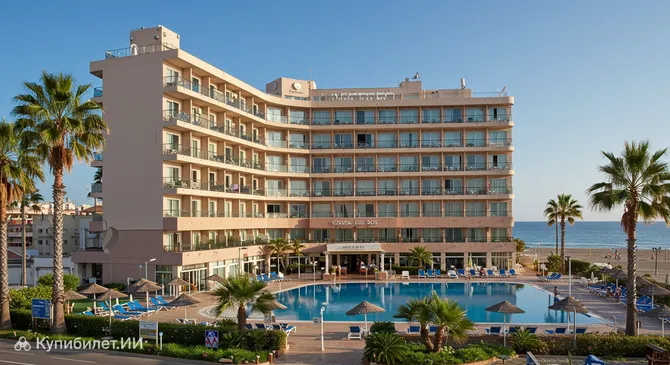
Meliá Torremolinos

Among the well-known hotels that serve as examples of quality accommodation is the Meliá Torremolinos resort, offering a high level of service and a convenient location. Overall, Torremolinos features many hotels of various categories, from large international chains to small family-run hotels, each with its own features and advantages.

Regarding booking, as with any popular resort, it is recommended to book accommodation in advance, especially if your trip falls during peak season (summer months, Christmas, and Easter holidays). This will not only guarantee availability but also help you secure better prices. The price range varies from budget to luxury, allowing you to find an option for any wallet. The most common booking methods are online platforms (such as Booking.com, Expedia, Airbnb, etc.), as well as direct booking through official hotel websites or by phone. Some tourists prefer to use travel agencies that can offer package tours including accommodation.

Nearby Cities

For those who want to explore the surrounding area, Torremolinos serves as an excellent starting point for day trips to several interesting nearby locations:

CityPopulationDistance
Benalmadena73 1603 km
Alhaurin de la Torre42 5317 km
Mijas89 50212 km
Malaga967 25013 km
Fuengirola83 22614 km

Here is a brief overview of what these cities have to offer:

  • Malaga: A major port city and the birthplace of Pablo Picasso, it attracts visitors with its rich cultural heritage, including numerous museums like the Picasso Museum, the impressive Alcazaba fortress, and a lively historic center.
  • Marbella: Synonymous with luxury and glamour, it is famous for its renowned Puerto Banús harbor, exclusive boutiques and restaurants, and its charming Old Town with narrow streets and flowery plazas.
  • Mijas: A charming "white village" (pueblo blanco) perched on a mountainside, offering breathtaking views of the coast and its famous donkey taxis.
  • Velez-Malaga: A historic town with a rich Moorish and Christian heritage, where you can explore an ancient fortress, old churches, and enjoy the atmosphere of traditional Andalusia.
  • Fuengirola: A popular resort attracting tourists with its long sandy beaches, lively promenade, and the medieval Sohail Castle, which often hosts concerts and festivals.

These nearby destinations provide a wonderful opportunity to experience the rich culture, picturesque landscapes, and historical heritage of Andalusia. Each trip promises new impressions and bright discoveries, complementing your stay in Torremolinos.

Shopping & Souvenirs

Shopping in Torremolinos is a pleasant addition to a beach holiday. The city offers diverse shopping opportunities, from souvenir stalls and small boutiques to larger retail outlets. Here you can find traditional Spanish goods as well as familiar European brands; although Torremolinos is not a major fashion hub, it is excellent for buying gifts, beachwear, and local delicacies.

The main shopping artery of Torremolinos is undoubtedly the lively pedestrian street Calle San Miguel. It descends from the city center towards the beach and is literally dotted with shops for every taste: from souvenir stalls, jewelry, and leather shops to clothing, shoe, and perfume boutiques. A stroll along this street is entertainment in itself. Additionally, many small shops can be found along the Paseo Marítimo promenade, selling beach goods, souvenirs, and summer clothes.

For those who prefer larger-scale shopping, there are several shopping centers in and around Torremolinos. For example, you can visit Blue Bay Shopping Park, which offers a selection of various shops. Another option is Malaga Ocio, which also offers a variety of shopping and entertainment opportunities.

Blue Bay Commercial Park. Illustration.
Source: Kupi.com AI

Traveler photos:

A special place in the Torremolinos shopping scene is held by the local markets. On Thursdays, a large street market (mercadillo) takes place at the fairgrounds (Recinto Ferial), where you can find almost anything: clothes, shoes, accessories, leather goods, ceramics, fruit, vegetables, spices, and, of course, souvenirs. On Sundays, a flea market (rastro) may be held in the same place or elsewhere, selling antiques, vintage items, and various trinkets—a great place to find something unique.

Málaga Ocio. Illustration.
Source: Kupi.com AI

Traveler photos:

What should you bring back from Torremolinos as a keepsake? Look out for traditional Andalusian products: handmade ceramics (plates, vases, tiles), leather goods (bags, belts, shoes), high-quality olive oil, local wines (especially from the Malaga region), and various delicacies like jamón or cheeses. Flamenco-themed souvenirs are also popular: fans, shawls, and castanets. And, of course, beach paraphernalia and magnets featuring city views.

Shops in Torremolinos usually operate from Monday to Saturday. Small shops often follow the traditional Spanish schedule with a siesta: open from about 10:00 to 14:00 and then from 17:00 to 20:00 or 21:00. Large stores and shopping centers may work without a lunch break, often until 22:00. On Sundays, most shops, except for souvenir stores and some grocery shops in tourist zones, are closed. Cash (Euros) and bank cards (Visa, Mastercard) are widely accepted. Cash is preferred at markets.

For tourists from countries outside the European Union, there is an opportunity to reclaim VAT on purchases through the Tax Free system. To do this, you must make a purchase of a certain amount (check the current threshold) at a participating store (usually marked with a "Tax Free Shopping" sticker). Ask the seller for a special Tax Free cheque, which you will then need to present at customs at the airport when leaving the EU to receive a refund.

Reached the end of the page?

That means the route is fully explored