Support

Valencia History Museum

About

The Museum of the History of Valencia (Museo de Historia de València) is a fascinating cultural space in Valencia that takes visitors on a journey through time. The museum spans from antiquity to the present day, focusing not only on key events but also on the daily life of citizens, culture, and the architectural transformation of the regional capital in Spain.
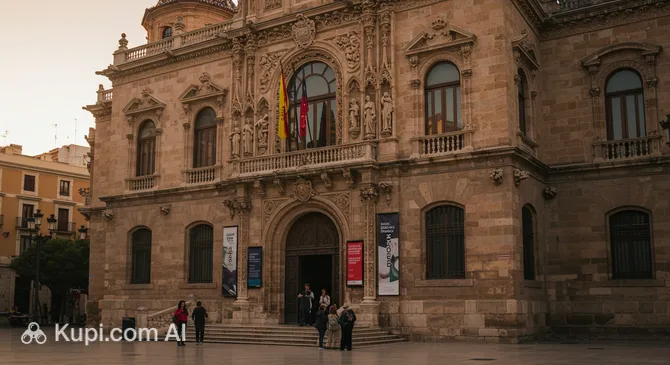
Valencia History Museum. Illustration.
Source: Kupi.com AI

Traveler photos:

The main feature of the museum is its location: it occupies the building of the city's first water reservoir, built in the mid-19th century. This grand underground structure with brick vaults and numerous columns is recognized as one of the finest examples of industrial architecture of its time and leaves a lasting impression on visitors.

Today, it is a modern multimedia space where historical artifacts — from archaeological finds to works of art and everyday objects — sit alongside interactive installations. It is an ideal place for those who want to understand the city's character and see how the face of Valencia has changed over the centuries.

Contacts

To plan your visit to the Museum of the History of Valencia, it is recommended to check the official information in advance. This will keep you informed about current event schedules and any temporary changes to the museum's opening hours.

Below are the main contact details to help you find your way and, if necessary, contact the museum administration to clarify details of your visit to Valencia.

How to contactContact
AddressC/ València, 42, L'Olivereta, 46920 Mislata, Valencia, Spain
Phone number+34 963 70 11 05
Websitemhv.valencia.es

What to Do

In the halls of the Museum of the History of Valencia, you can explore the main stages of the city's life chronologically. The exhibition features a rich collection: from Roman statues and ancient coins to crafts, national costumes, and works of art. Special attention should be paid to the large scale model of the city, which clearly demonstrates how the layout changed and the city walls expanded.

Visitors are encouraged to actively interact with the exhibition: multimedia kiosks and light installations help provide a better understanding of the historical context. Thanks to its visual and interactive nature, the museum is interesting not only for adults but also for families with children. Walking between the massive brick columns of the former reservoir, you can literally feel the scale of history beneath your feet.

Getting There

The museum is located on the western outskirts of Valencia, in the Mislata district, at C/ València, 42. The building is in close proximity to the picturesque Cabecera Park, making it a convenient starting point for a walk through the city's green belt.

The easiest way to get here is by metro. The nearest station, Nou d’Octubre (lines 3 and 5), is just a few minutes' walk away. You can also reach the museum by city buses on routes 29, 81, 70, 71, 17, and 95. If you are using the sightseeing bus (Bus Turístico), take stop #8 on the "Historical Valencia" route.

For those who prefer active recreation, Valenbisi city bike rental stations are located nearby. A bike ride from the city center along the Turia Gardens would be an excellent addition to your cultural program.

Nearest city: Valencia

History & Facts

The building that houses the Museum of the History of Valencia today is an outstanding monument of engineering in its own right. It was built in 1850 as the city's first water reservoir as part of a project to provide Valencia with drinking water. The project was designed by the famous engineer Ildefonso Cerdá and initiated by the Marquis of Campo.

This structure became a landmark example of industrial architecture in Spain during the mid-19th century. The underground reservoir, with its massive brick vaults and forest of columns, served its original purpose for a long time until it became obsolete by the end of the 20th century. Between 1998 and 2001, a large-scale restoration was carried out, transforming the former industrial space into a modern museum venue.

The museum officially opened on May 7, 2003. The architects managed to carefully preserve the unique atmosphere of the old reservoir: the brick walls and the strict geometry of the columns create a solemn backdrop for the exhibition, seamlessly linking industrial heritage with the city's centuries-old history.

Time Needed

A standard tour of the main exhibition at the Museum of the History of Valencia usually takes about 1 hour. This is enough time to walk through the halls and get a general overview of the city's development.

However, if you plan to study the archaeological finds in detail, watch the multimedia installations, and examine the models, it is recommended to allow 1.5–2 hours for the visit. You should also set aside extra time if your visit coincides with a walk through the neighboring Cabecera Park, a popular choice for tourists visiting the western part of Valencia.

Working Hours

The Museum of the History of Valencia operates on a consistent schedule convenient for most tourists. From Tuesday to Saturday, the museum doors are open from 10:00 AM to 7:00 PM. On Sundays and public holidays, the hours are shorter, and the exhibition can be viewed from 10:00 AM to 2:00 PM.

Please note that Monday is a day off. The museum may also be closed on major national holidays, such as January 1st and 6th, May 1st, and December 25th, so it is worth checking the official website for the current schedule before your visit to Valencia.

DayOpening hours
MondayClosed
Tuesday10:00 – 19:00
Wednesday10:00 – 19:00
Thursday10:00 – 19:00
Friday10:00 – 19:00
Saturday10:00 – 19:00
Sunday10:00 – 14:00

Nearby

The area surrounding the Museum of the History of Valencia offers excellent opportunities for outdoor recreation. Right next to the museum lies Cabecera Park—a spacious green area with a lake, perfect for a stroll after visiting the exhibition or for a picnic.

Just a few minutes' walk away is one of the city's most popular attractions—Bioparc Valencia. This is a modern zoo where animals live in conditions that closely mimic their natural habitat. Combining a visit to the history museum with a walk in the park or a trip to Bioparc makes for a rich and interesting full-day itinerary.

NameDistance
MadagasPark1.9 km
16 Toneladas Rock Club2 km
Torres de Quart2.1 km
Museum of Prehistory of Valencia2.2 km
Valencian Museum of Ethnology2.3 km
Silk Exchange of Valencia2.6 km
Church of Saint Nicholas of Bari and Saint Peter Martyr2.6 km

Have you reached the end of the page?

So the route has been studied inside and out