Support

Don Sak

About

Don Sak is a charming coastal town situated in the south of Thailand, in the Surat Thani province, right on the picturesque shores of the Gulf of Thailand. With a population of just under 12,000, this town has preserved an atmosphere of authentic Thai hospitality, free from excessive urban hustle and bustle.
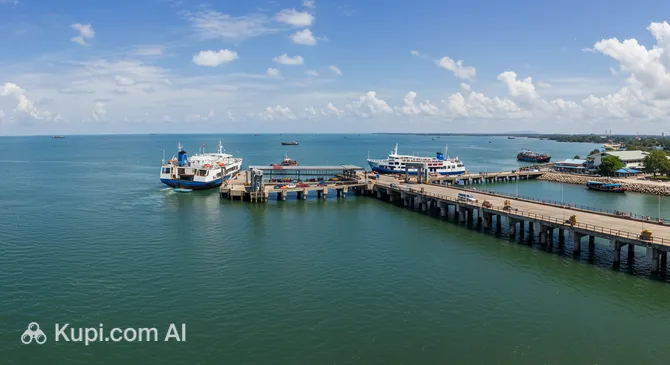
Don Sak. Illustration.
Source: Kupi.com AI

Due to its strategic location, Don Sak serves as the primary maritime gateway to famous islands such as Samui, Phangan, and Tao. This is where most ferries depart, carrying travelers toward their island adventures. Additionally, the town is a convenient starting point for exploring Khao Sok National Park and its unique nature.

The atmosphere of Don Sak is infused with tranquility, tropical scents, and a slight anticipation of travel. Here, you can leisurely stroll along the pier, observing port life, or head deep into the province to experience authentic rural life. The town attracts visitors with its natural beauty, slow pace, and convenience for further exploration of the region.

If you are looking for more than just a beach holiday—an opportunity to see a real island province from the inside, get to know the local culture, and enjoy some peace—Don Sak will be an excellent choice for your trip.

You can find more interesting facts on the history of the city of Don Sak page.

Weather Overview

The weather in Don Sak is characterized by a tropical climate, providing warmth and high humidity almost year-round. Average annual temperatures remain comfortable, making this city in Thailand attractive to visit in any season.

Consistently warm weather is typical for Don Sak. The average monthly air temperature ranges from 26.1°C in December to 28.8°C in April. Minimum average temperatures at night usually do not fall below 24.6°C (in January and December), and maximum average daytime temperatures can reach 31.2°C (in April). The city has a distinct wet season: the most precipitation falls from May to November, peaking in October (averaging 9 mm) and November (averaging 11 mm), when the number of rainy days can reach 26-28. The driest months are January, February, and March, with only about 2 mm of precipitation and a minimum number of rainy days (7-14 days).

To get more detailed information about the climatic conditions and seasonal weather changes, you can visit the Don Sak Climate page.

Average monthly temperature

Average monthly precipitation

Interesting Facts

In addition to its main role as a transport hub on the way to Thailand's famous islands, Don Sak holds several interesting features that not everyone knows about.

  • Don Sak is not just a transit point, but a kind of "maritime gateway" to the islands of Samui, Phangan, and Tao. Notably, many travelers perceive the trip through the city and its docks, such as Raja Ferry and Donsak Pier, as an integral and scenic part of their island adventure.

  • Atop a hill in the city stands the temple of Wat Khao Suwan Pradit. Besides the stunning panoramic views of the gulf, this place is shrouded in legend about the founding hermit monk who is said to have achieved enlightenment here.

  • In Don Sak, you can still encounter living traditions: local fishermen use ancient fishing methods, and their boats, often hand-painted in a unique style, are attractions in their own right. Occasionally, colorful boat festivals with music and treats are held here.

  • Despite the constant flow of tourists heading to the islands, the residents of Don Sak are famous for their genuine hospitality. Many travelers note that it was here they felt true Thai warmth and openness, as locals are used to welcoming guests from all over the world and happily share stories about their region.

How to Get There

Don Sak is a vital transport hub in southern Thailand, connecting the mainland with popular islands. When planning your trip, you can find out all the ways to get to the city and choose the most convenient route, whether by plane, train, or bus.

The nearest and most convenient air hub for travelers is Surat Thani Airport (IATA: URT). It is located not in Don Sak itself, but in the city of Surat Thani, approximately 65 km from the center. It is a regional airport with average passenger traffic, receiving flights from Bangkok and other major cities. The journey from the airport to the Don Sak piers by taxi or bus takes about 2 hours.

Another popular option is flying into Samui Airport (IATA: USM), located on the island of Koh Samui. This is an international airport with high passenger traffic, located only 49 km away in a straight line; however, the journey to Don Sak will require a ferry crossing. This route is often chosen by those who want to combine a visit to the island with a trip to the mainland.

You can also consider Nakhon Si Thammarat Airport (IATA: NST), located in the city of Nakhon Si Thammarat, about 86 km from Don Sak. This is an alternative option if tickets to Surat Thani are sold out. A trip by land transport from here will take about 2.5 hours.

For convenience, here is a summary of the main airports:

AirportPassenger trafficDistance
Koh Samui Airport2.3 mln49 km
Surat Thani Airport1.3 mln65 km
Nakhon Si Thammarat Airport1.0 mln86 km
Ranong Airport132 955135 km
Krabi Airport2.3 mln153 km

As for rail connections, there is no train station in the town of Don Sak itself. The nearest major hub is Phunphin station, which serves the city of Surat Thani and is located about 70-80 km from Don Sak. Trains from Bangkok and other regions of the country arrive here. Convenient bus services are organized from the station directly to the ferry piers in Don Sak, with a travel time of about 1.5–2 hours.

Main Attractions

Don Sak, known to many as the jumping-off point for trips to the islands of Samui, Phangan, and Tao, also offers several interesting spots for those who want to get to know it better. This small town in Surat Thani province has its own charm and several attractions worth your attention.

The heart of the city's life is undoubtedly Donsak Pier. It is not just a transport hub but a true gateway to the islands of the Gulf of Thailand. Life is always bustling here: travelers with backpacks mingle with locals, vendors scurry about, and the sight of arriving and departing ferries sets the mood for adventure. Even if you are just waiting for your ferry, a stroll along the pier allows you to feel the atmosphere of this port town.

To experience the spiritual side of Thailand and enjoy beautiful views, it is worth visiting Wat Khao Suwan Pradit. This picturesque Buddhist temple is located on a hill near the coast. Once at the top, you will be rewarded not only with the chance to see beautiful temple architecture and Buddha statues but also with stunning panoramic views of the sea and the surrounding area. This place breathes peace and tranquility.

To feel the authentic atmosphere of the Thai province, stop by the Donsak Local Market. You won't find crowds of tourists here, but you will see the daily life of the residents, buy the freshest fruits, vegetables, and seafood straight from the boats, and, of course, try a variety of street food. It’s a great place for those seeking real experiences and the flavors of Thailand rather than just souvenirs.

Local Cuisine

The gastronomic scene of Don Sak is a true immersion into the flavors of southern Thailand, where the freshness of the sea meets the aromas of local farm produce. The cuisine here is famous for its seafood, and travelers should definitely try several iconic dishes.

One of the main hits is seafood Tom Yum—a rich, hot, and spicy soup generously filled with the freshest shrimp, squid, and mussels just caught in these waters. No less popular is grilled fish, prepared with aromatic herbs and served with unique homemade sauces. It is also worth paying attention to Khao Pad (fried rice), which is often prepared here with seafood, and the zesty Thai salad Som Tam, which in the local variation is sometimes supplemented with seaweed and nuts.

Don Sak's street food and markets offer many temptations: from fried bananas and coconut pancakes to refreshing freshly squeezed juices made from exotic fruits. This is the perfect option for a quick and tasty snack. Those with a sweet tooth will appreciate desserts based on coconut and tapioca. Among drinks, besides juices, you can always find fresh coconut water, and in establishments—local beer brands.

Locals and tourists often choose to dine at restaurants and cafes located along the waterfront, where they can enjoy not only the food but also the sea breeze. In the evenings, street cafes open here, creating a special atmosphere with live music and tantalizing aromas of spices. Farmers' markets are another place where you can not only buy fresh exotic fruits like mangosteen, rambutan, and longan but also try fresh oysters and mussels with a spicy chili and lime sauce.

Travel Tips

Welcome to Don Sak! This small but important port town serves as the gateway to the famous islands of Thailand. To ensure your trip goes smoothly and leaves only pleasant impressions, we have prepared some practical tips.

  1. Clothing and Essentials:

    In Don Sak, as in all of southern Thailand, a tropical climate prevails – hot and humid year-round. Choose light, breathable clothing made from natural fabrics (cotton, linen). Don't forget a hat, sunglasses, and sunscreen with high SPF. Comfortable shoes, such as sandals or light sneakers, are extremely important. Pack a light raincoat or umbrella, especially if traveling during the rainy season (usually May to October). Modest clothing covering shoulders and knees is required for visiting temples (wats); a sarong or pareo can be very handy. A universal power adapter will also be useful, as different types of sockets are used in Thailand.

  2. Transport in Don Sak and Surroundings:

    The town of Don Sak itself is small and can be explored on foot or by using local transport like songthaews (pickup trucks with benches) or motorcycle taxis for short trips. The main transport significance of Don Sak is its ferry terminals, from which boats depart for Samui, Phangan, and Tao. For trips to the city of Surat Thani or other settlements, you can use buses. Ride-hailing apps like Grab may have limited coverage in Don Sak itself, but it's worth checking. Renting a car or motorbike may be justified if you plan to explore Surat Thani province, but for the town itself, it is likely unnecessary. An international driving permit is recommended when renting transport.

  3. Finances: Currency, Exchange, Cards, and Tipping:

    The local currency is the Thai Baht (THB). You can exchange money at banks or exchange offices; they are available near the piers, but a better rate might be found in Surat Thani. Credit and debit cards (Visa, Mastercard) are accepted in hotels, large stores, and some restaurants. However, it is always better to have cash for payments at markets, in small shops, and for local transport. ATMs are widespread but usually charge a fee for withdrawals from foreign cards (about 220 Baht per transaction) plus your bank's fee. Inform your bank about your travel plans. An approximate daily budget can vary, but for a budget traveler, it's about 1000-1500 Baht (excluding accommodation). Tipping is not mandatory but appreciated for good service (10% in a restaurant if service is not included, or small amounts for hotel staff).

  4. Health and Safety:

    There are pharmacies in Don Sak where you can buy basic medicines. For serious medical assistance, it is better to go to hospitals in Surat Thani. Travel medical insurance is highly recommended. Don Sak is generally considered a safe place, especially given its transit role. Follow standard precautions: watch your belongings and avoid walking in poorly lit areas at night. Drink only bottled water. Street food is an important part of Thai culture and often delicious, but if you have a sensitive stomach, choose busy stalls where the food doesn't sit for long.

  5. Communication: Language, Internet, Connectivity:

    The official language is Thai. English is common in tourist zones (at piers, in hotels, some restaurants), but in more authentic places, it may not be understood. Learn a few basic Thai phrases: "Sawatdee khrap/kha" (hello/goodbye – "khrap" for men, "kha" for women), "Khop khun khrap/kha" (thank you), "Tao rai?" (how much?), "Mai phet" (not spicy). A SIM card with a good data plan can be bought at the airport, 7-Eleven stores, or from mobile operators (AIS, TrueMove H, DTAC). Wi-Fi is available in most hotels, guesthouses, and cafes. Useful apps: Google Maps, Google Translate, Grab.

  6. Local Etiquette and Traditions:

    Thais are very polite and hospitable. The traditional greeting is the "wai" (palms pressed together at chest or face level with a slight bow). If someone offers you a "wai," try to reciprocate, especially if it's someone older or of higher status. A smile and a nod are also appropriate. Avoid public displays of anger or loud talking. The head is considered a sacred part of the body, and the feet are the "lowest"; do not touch a Thai person's head and do not point your feet at people or sacred images. The Royal Family is held in great respect; any negative comments are unacceptable.

  7. What to Avoid:

    First, never show disrespect toward the King, the Royal Family, or Buddhist shrines – this can have serious consequences. Second, do not point at people or objects with your index finger; instead, use your whole palm facing downward. This is considered more polite.

  8. Special Tip for Don Sak: Ferries and Planning:

    Since Don Sak is primarily a ferry hub, check the ferry schedules to the islands carefully, especially during high season or in bad weather. It's better to book tickets in advance online or directly at the pier. Note that there are several piers in Don Sak (e.g., Donsak Pier, Seatran Ferry Pier, Raja Ferry Pier) serving different companies and sometimes different routes. Always allow enough time to get to the pier and for possible delays.

We hope these tips help you better prepare for your trip to Don Sak and make your journey through Thailand even more comfortable and memorable. Enjoy your holiday!

Entertainment & Nightlife

Nightlife in Don Sak is fundamentally different from the noisy parties on neighboring Phangan or Samui. Here, you won't find neon signs for go-go bars or discos thumping until morning. Evenings in this town are filled with peace and an authentic Thai atmosphere. The main focus of nocturnal leisure is shifted toward gastronomic delights and leisurely socializing with locals.

The center of attraction after dark is the night markets. This is the main entertainment for both tourists and townspeople. The most popular format is the "Walking Street" in the city center or spontaneous weekend markets. A lively atmosphere reigns here: the smells of fried noodles and seafood mix with the aromas of tropical fruits. The crowd here is very diverse—from families with children to transit travelers. There is no dress code at all: shorts and flip-flops are the most appropriate choice.

If you are looking for a place to have a drink and listen to music, look for local karaoke bars. Thais love to sing, and in Don Sak, you can find small venues that often look like simple shacks or darkened air-conditioned rooms. The atmosphere there is very friendly, although the repertoire consists mainly of Thai hits. Prices in such places are extremely affordable, and beer is often served with ice, as is customary in the province.

For a more romantic evening, it is better to head to the Nang Kam Beach area. Several restaurants are located along the coast and stay open until late evening. Here, you can enjoy a dinner of the freshest crabs and fish to the sound of the surf. These are perhaps the most "elite" establishments in the area, but even here, prices remain pleasant compared to the tourist zones of the islands.

Practical tips for evening walks:

  • Come for dinner early, around 7:00 PM – 8:00 PM. Life in the town winds down quite early, and many kitchens close by 10:00 PM.
  • Public transport (songthaews) practically doesn't run at night. If you are staying far from the center or the beach, arrange for a taxi driver in advance or rent a bike.
  • Don Sak is a safe town. You can safely walk along the lit streets; however, it is best to avoid very dark alleys due to stray dogs that can be active at night.

As for daytime entertainment, the choice is also modest but interesting for lovers of tranquility. There are no major theaters or amusement parks in the city. Cultural leisure is limited to visiting majestic Buddhist temples and walking through natural areas where you can observe local flora and fauna.

Parks & Museums

Don Sak, primarily known as a bustling ferry port connecting the mainland with the popular islands of the Gulf of Thailand, offers travelers not only a convenient starting point for sea adventures but also a chance to touch the quiet provincial life and enjoy the natural beauty of southern Thailand. While the town cannot boast an abundance of large parks or world-famous museums, it has its own charming corners and cultural features that may interest a curious tourist.

Instead of extensive city parks, Don Sak offers its guests the chance to enjoy the natural beauty of its coastline. Walks along the shoreline, especially in the pier area, allow you to observe the daily life of local fishermen and enjoy the fresh sea breeze. The town's surroundings can also delight nature lovers with small green zones and the opportunity to explore mangroves characteristic of this region. For those seeking more grand natural experiences, the proximity to islands such as Koh Samui and Koh Phangan provides access to their famous beaches, tropical forests, and marine national parks.

As for museums, there are few in the classical sense in Don Sak. The town's cultural and historical heritage is most often reflected in local temples (wats). These Buddhist complexes are not only active religious centers but also keepers of traditional Thai architecture, sculpture, and painting. Visiting one of these temples will allow for a deeper understanding of the spiritual life of the region. Sometimes, small exhibitions dedicated to the history of the area or maritime affairs may be organized at municipal institutions or community centers.

The architectural appearance of Don Sak is largely shaped by traditional Thai houses and functional buildings of the port zone. The piers themselves, with their constant movement of ferries and boats, are attractions in their own right, reflecting the city's key role in maritime communication. Observing the work of the port and interacting with locals can provide as much of an impression as visiting formal exhibitions.

For a more authentic experience, stop by the Don Sak local market. Here you can not only try fresh fruits and local cuisine but also dive into the daily life of the townspeople. Also, don't miss the chance to watch the sunrise or sunset on the coast—this simple but very atmospheric sight will allow you to feel the peaceful rhythm of this coastal town.

Getting Around

The town of Don Sak is an important transport hub, primarily known for its ferry crossings to popular islands in the Gulf of Thailand, such as Samui, Phangan, and Tao. Therefore, the main type of "public transport" for tourists here is ferries. Several piers (e.g., Raja Ferry Port, Seatran Ferry Pier) handle regular trips. Ferry tickets can be purchased directly at the ticket offices at the piers or in advance online.

Within the town of Don Sak itself and its surroundings, the public transport system is quite simple. The main means of transportation for short distances are songthaews (pickup trucks converted for passenger transport, running on specific routes or working as taxis) and motorcycle taxis. Songthaews usually follow the main roads and stop on request. Payment for songthaews and motorcycle taxis is made in cash directly to the driver. It is better to agree on the cost of a motorcycle taxi ride in advance.

For travel between cities, for example, to get to Don Sak from Surat Thani or other settlements, intercity buses are used. Buses arrive at the bus station or make stops near the ferry terminals. It is best to check the schedule and cost on-site or on the websites of the bus companies.

Taxis in the traditional sense (cars with meters) are less common in Don Sak than in major tourist centers. Private drivers are more frequently encountered, with whom the price of the trip must be negotiated in advance. Options for car sharing or developed bicycle rentals within the town itself are limited, as its main function is transit.

Practical tips for tourists: * When planning a trip to the islands via Don Sak, allow extra time for the journey to the pier and possible queues, especially during the high season. * Check the current ferry schedule, as it may change depending on the season and weather conditions. * For moving around the town itself and to the piers, have small cash denominations on hand to pay for songthaews or motorcycle taxis. * If you are traveling in a large group or with bulky luggage, you might want to consider booking a transfer in advance.

Accommodation

In Don Sak, travelers will find various accommodation options to suit different budgets and preferences. Being an important transit point on the way to popular islands, the town offers both budget guesthouses and hostels—perfect for budget-conscious tourists or those looking for a simple place to stay before a ferry departure—as well as more comfortable mid-range hotels. You can also consider renting apartments or bungalows if you are looking for more privacy or are traveling in a group.

Most accommodation options in Don Sak are, as expected, concentrated near the ferry terminals where ships depart for the islands of Koh Samui, Koh Phangan, and Koh Tao. This location is particularly convenient for those planning an early departure or arriving late. Some hotels may be located at a short distance from the noisy docks, offering a quieter atmosphere but still within easy reach of transport hubs.

In Don Sak, you will find various hotels offering comfortable accommodation for transit travelers. Although the town is not a resort in the traditional sense, there are options capable of satisfying the needs of tourists waiting for their ferry, offering both basic and upgraded services. The choice of a specific place will depend on your preferences for comfort level, proximity to the pier, and budget.

It is highly recommended to book accommodation in Don Sak in advance, especially if your trip falls during the peak tourist season (usually from December to March and during the summer months) or if you plan to take morning ferries. In this case, having a booked room near the pier will save you time and stress. Finding a suitable option on the spot is usually easier during the off-season, but pre-booking will still ensure you the best choice and potentially better prices.

The price range for accommodation in Don Sak varies from very budget-friendly options in guesthouses to moderate prices for rooms in mid-level hotels. Booking your stay is most convenient through popular international online platforms such as Booking.com or Agoda, which are widely used in Thailand and offer a large selection of options. Some small hotels and guesthouses may also accept bookings directly by phone or email, and sometimes upon arrival, subject to availability.

Nearby Cities

For those who want to explore the surrounding area, Don Sak serves as an excellent starting point for day trips to several interesting nearby locations:

CityPopulationDistance
Kanchanadit9 49230 km
Thung Sai8 97130 km
Koh Samui68 99442 km
Surat Thani130 70344 km
Ban Na San19 80158 km

These nearby destinations provide insight into the diverse culture and landscapes of the Thailand region. Each of these cities offers something unique: Surat Thani is a major transport hub and gateway to the islands of the Gulf of Thailand, Nakhon Si Thammarat is rich in history and temples, and Koh Samui is a world-famous island resort. Even smaller settlements, such as Ban Pak Phun or Thung Song, can offer an authentic experience and a glimpse into local life.

Shopping & Souvenirs

Shopping in Don Sak, a port city in Surat Thani province, has its own characteristics. It is not a major shopping destination like Bangkok or Phuket, so you won't find huge malls or international brand boutiques here. Nevertheless, Don Sak offers opportunities to buy essentials, fresh products, and some local souvenirs, especially for those heading to or returning from the islands of Samui, Phangan, or Tao.

The main shopping spots in Don Sak are concentrated along the main roads and in the area of the ferry docks. Small shops, stalls, and local markets are located here. You won't find dedicated shopping streets as in large cities, but you will be able to purchase everything you need within walking distance of transport hubs. Look for "7-Eleven" or "Family Mart" signs for everyday goods and drinks.

There are no large modern shopping centers in Don Sak. Shopping here is mainly represented by small private stores and markets. If you need specific products or a wider selection, you might have to look for them in the larger cities of Surat Thani province.

Markets are the heart of local trade in Don Sak. Here you can find fresh fruits, vegetables, seafood, ready-to-eat local dishes, and inexpensive clothing. Morning markets are particularly colorful and offer the freshest produce. Also, near the piers, you may find small stalls with souvenirs aimed at tourists waiting for a ferry.

As souvenirs from Don Sak or Surat Thani province, you can bring back local products such as dried seafood, fruit chips, coconut oil, or coconut-based products. Sometimes you can find simple cotton clothing, beach accessories, or small handicrafts. The selection won't be as wide as in popular resorts, but you can find something as a keepsake.

Shops in Don Sak are usually open from the morning (around 9:00-10:00 AM) and work until the evening (6:00-8:00 PM). Small grocery stores and 7-Eleven may operate 24/7 or until late at night. Cash (Thai Baht) is preferred for payment in the markets. Some larger stores may accept bank cards, but it is better to always have some cash with you.

The VAT Refund for Tourists system is in place in Thailand. However, it applies to purchases made in stores participating in this program (usually large department stores and brand shops with a "VAT Refund" sign). In the small shops and markets of Don Sak, such a service will likely be unavailable. If you plan major purchases, check the possibility of a tax refund in advance.

Reached the end of the page?

That means the route is fully explored