Support

Lerwick

About

Lerwick is a stunning and atmospheric town, rightfully considered the heart of the Shetland Islands. Stretching along the coastline where the rugged waters of the North Sea meet green hills, it serves as the main gateway to this remote and beautiful region. It is the northernmost town that Great Britain has to offer, and its unique charm—combining Scottish and Scandinavian traditions—immediately wins over its guests.

Geographically, the town is located on the eastern shore of the main island of the archipelago (Mainland), providing it with natural protection from the strongest Atlantic storms, though the climate remains cool and windy. The population of Lerwick is about 6,880 people, making it a lively hub for trade, culture, and social life amidst the sparsely populated surroundings. The fascinating history of Lerwick, which grew from a temporary settlement of fishermen and traders, has transformed it into a town with a unique architectural character.
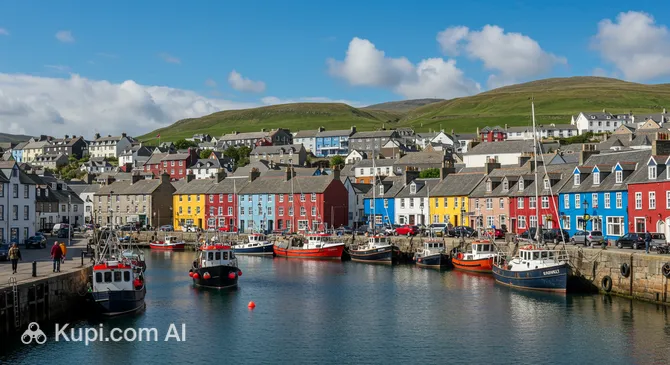
Lerwick. Illustration.
Source: Kupi.com AI

One of the town's most iconic features is the so-called "lodberries"—picturesque 18th-century stone houses and warehouses built right at the water's edge, featuring their own private boat piers. A walk along the harbor allows you not only to admire these unique structures but also perhaps to spot curious seals that often swim close to the shore. The town center, with its narrow winding stone-paved streets, invites you to explore local shops and enjoy views of the ancient architecture.

Lerwick is the perfect place to start your discovery of the Shetland Islands. People come here to breathe the fresh ocean air, enjoy the calls of seabirds over the harbor, and feel the steady yet brisk rhythm of life in a true northern port. Be sure to include this cozy corner in your itinerary to discover the rugged romance and hospitality of the edge of the world.
Weather Overview

The climate in Lerwick is typically maritime and temperate, shaped by the strong influence of the Atlantic Ocean. There are no extremes of heat or harsh frosts here, but the weather is famous for its variability and frequent winds. Expect cool summers with temperatures ranging from +10...+13°C and mild but very wet winters.

The summer months, especially July and August, are considered the most comfortable time to visit: the air warms up to an average of +12.7°C, and nature is lush and green. Winter here is surprisingly warm for such northern latitudes, with average temperatures around +5...+7°C, though it is the dampest season—in December and January, precipitation can occur up to 24–25 days a month.

Notably, spring, especially April and May, often becomes the driest period of the year (with only about 12 rainy days), although temperatures rise slowly, reaching only +8°C by the end of the season. Given the capricious nature of the climate, we recommend checking the forecast for the weather in Lerwick for your travel dates to properly pack windproof and waterproof clothing.

Average monthly temperature

Average monthly precipitation

Interesting Facts

In addition to its main attractions, Lerwick holds many fascinating secrets and historical details that reveal themselves only to the most curious travelers.

  • Lerwick is often called "The Old Rock," and this is not just a poetic epithet. Geologists confirm that the local rock formations are among the oldest in the British Isles, which is a point of pride for residents and the basis for many local legends.

  • The history of these parts goes deep into antiquity, long before the appearance of the modern port. Archaeological finds in the Jarlshof area indicate that people lived here more than 4,000 years ago, and the land holds traces of Viking Age settlements and medieval structures.

  • One of the most versatile buildings in the town is Fort Charlotte, built in the 17th century for coastal defense. Over the centuries, its bastions have served not only as a defensive structure but also as a town jail, a courthouse, and a custom house.

  • The town's cultural heritage is inextricably linked to the sea and unique traditions carefully preserved by the Shetland Museum and Archives. Here you can learn how the rugged nature has inspired generations of musicians and writers born on these islands.

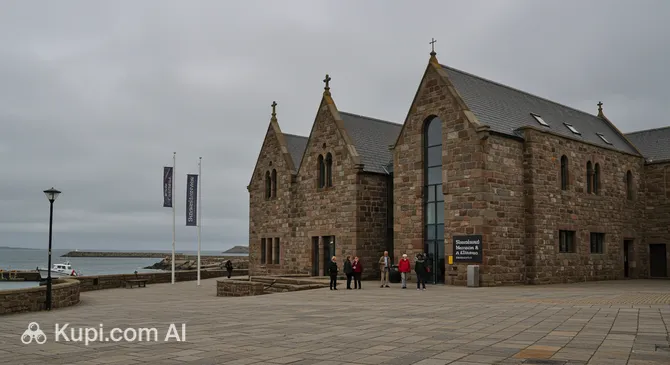
Shetland Museum & Archives. Illustration.
Source: Kupi.com AI

Traveler photos:

How to Get There

As an island town, Lerwick requires a special approach to travel planning. Since it is located on an archipelago in the North Sea, it can only be reached by air or by sea. You can find out more about how to get to Lerwick by studying various connection options, but the main choices for most tourists remain regular flights and ferry services.

The main air gateway for travelers is Sumburgh Airport (IATA: LSI). It is important to note that there is no airport in the town of Lerwick itself. Sumburgh Airport is located at the southern tip of the island, in the Shetland Islands region, which is about 32 km from Lerwick. The journey to the town by taxi or bus takes about 70 minutes. This is the region's main transport hub, receiving flights from major Scottish cities.

As an alternative or transit point, you can consider Kirkwall Airport (IATA: KOI). It is located in the town of Kirkwall on the neighboring Orkney Islands, about 166 km from Lerwick. There is no direct land connection, but there is an air service between the islands, as well as ferries. The journey from the airport to the center of Kirkwall, if you decide to stop there, takes about 20–30 minutes.

For convenience, here is a summary of the main airports in the region:

AirportPassenger trafficDistance
Sumburgh Airport303 70432 km
Papa Westray Airport4 500133 km
Kirkwall Airport143 093166 km
Wick Airport11 224219 km

There is no rail service on the Shetland Islands, so it is impossible to reach Lerwick by train. The nearest major railway stations are on the UK mainland (for example, in Aberdeen), from where you must continue your journey by NorthLink Ferries. This is a popular way to reach the town: the overnight ferry from Aberdeen arrives directly at Lerwick harbor, offering a comfortable journey and the option to transport a personal vehicle.

Main Attractions

Despite its compact size, Lerwick offers guests a rich program of history and nature. The town is literally soaked in the spirit of maritime adventure, and its attractions allow for a journey through time—from the Iron Age to the present day.

The absolute highlight of cultural life is the Shetland Museum and Archives. Located in a modern building on the waterfront, it is considered one of Scotland's best museums. It houses an extensive collection of artifacts telling the 5,000-year history of the islands: from geological finds and Pictish stone carvings to the famous Shetland lace. Tourists are particularly drawn to the boat hall, where ancient vessels suspended from the ceiling create an impressive atmosphere of maritime heritage.

Another iconic site is Fort Charlotte, a pentagonal artillery fortification overlooking the town center. Built in the 17th century and rebuilt in the 18th century, the fort is perfectly preserved. Visitors come here not only for its history but also for the panoramic views: the ramparts offer a magnificent vista over Lerwick harbor and the island of Bressay, making it an ideal spot for photography.

A unique feature of Lerwick is that ancient history exists right alongside residential neighborhoods. A prime example is Clickimin Broch, located on a small promontory of Clickimin Loch, just minutes from the town center. This is a fortified Iron Age stone tower that provides insight into the lives of the islands' ancient inhabitants long before the arrival of the Vikings. The massive stone walls and the mysterious atmosphere of this site leave a lasting impression.

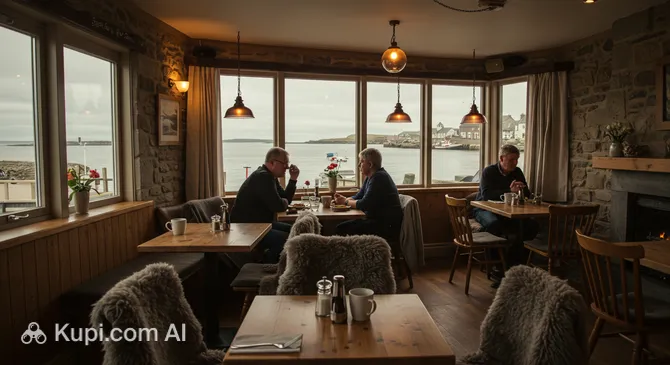
Fjarå Café Bar. Illustration.
Source: Kupi.com AI

Traveler photos:

After exploring historical sites, it's worth stopping by the Fjara Café Bar. While it is a restaurant, it has become a real destination thanks to its location by Breiwick Bay. Huge panoramic windows allow you to enjoy the sea view in any weather. It is one of the best spots in town where, over a cup of coffee, you can observe the local fauna: seals often rest on the rocks right in front of the venue, and seabirds fly by very closely.

End your introduction to the town with a walk to the famous Lodberries. These picturesque 18th-century stone warehouses, standing directly in the water, have become a symbol of Lerwick. The most famous of them, a house with a private pier, is known to many from the detective series "Shetland" as the main character's home. This is the most atmospheric part of the old town, where you can feel the breath of the North Sea.

Local Cuisine

Lerwick's gastronomic scene is a rugged but beautiful reflection of its geography. Here, at the junction of the Atlantic and the North Sea, the cuisine has been shaped for centuries by ancient Scottish recipes and Scandinavian heritage. The foundation of the local menu is, undoubtedly, the freshest seafood. Fish and shellfish reach the table literally hours after being caught, making their flavor exceptional.

The main gastronomic hit that every tourist must try is the famous Shetland mussels and scallops. They are grown in the pristine waters around the islands and are prized by gourmets worldwide. The fish is equally impressive: cod, halibut, and salmon are prepared here with great skill. Locals love hot-smoked fish, which is often served with homemade bread and a thick layer of butter.

However, Lerwick's cuisine is not limited to seafood. Shetland lamb deserves special attention. The local breed of sheep grazes on wind-swept pastures, feeding on heather and herbs, which gives the meat a unique, slightly sweet taste and tender texture. Traditional lamb stew is a hearty and warming dish perfect for lunch on a cool day. You can also find excellent local cheeses and black pudding at farmers' markets.

As for drinks, Lerwick maintains the region's proud traditions. In local pubs, you will definitely be offered an excellent selection of Scottish whisky, which is sipped and savored here. Beer lovers should look out for craft beers from local breweries, brewed using local water and ingredients.

The dining culture in the town is very democratic and encourages socializing. Cozy family dinners and friendly gatherings are popular here. If you want to combine a tasting of local dishes with a beautiful view, we recommend visiting the Fjara Café Bar. This place perfectly captures the spirit of the town: modern comfort meets the wild nature outside the window, while the menu harmoniously blends culinary tradition and innovation.

Travel Tips

Lerwick is a town with a rugged yet incredibly attractive character, and to ensure your trip to this northern point of Great Britain goes perfectly, there are a few important nuances to consider. These tips will help you feel confident amidst the winds and hills of the Shetland Islands, allowing you to focus on the beauty of nature and history.

  1. Clothing and Gear. The weather on the islands changes rapidly, so the main principle for your wardrobe is layering. Even in summer, you will need a warm sweater and a high-quality windproof jacket with a hood (a windbreaker or raincoat). Umbrellas are practically useless here due to strong gusts of wind; it's better to rely on waterproof clothing. Footwear should be comfortable, durable, and preferably waterproof for walking on cobblestones and wet grass.
  2. Transport. Lerwick is quite compact, and its historical center is best explored on foot. Public transport consists of buses that run strictly on schedule, but their frequency, especially on weekends, can be low. There is no metro or tram system here. If you want to see the sights outside of town, it is highly recommended to rent a car—this will give you the necessary freedom. Apps like Uber do not operate here, but local taxi services are reliable (it's best to have cash for payment).
  3. Finance. The official currency is the Pound Sterling (£). Bank cards are accepted almost everywhere, even in small cafes, but having some cash for small expenses (for example, for the bus or in a souvenir shop) will be useful. There are ATMs in the town. Note that Scotland uses its own banknotes: they have the same value as English ones, but they might be harder to exchange outside the UK when you return home. A 10% tip is appreciated but entirely at your discretion.
  4. Health and Safety. Lerwick is a very safe town with a low crime rate; you can walk around at any time. The emergency number is 999. Pharmacies (such as Boots) are located on the main shopping street, but note that they usually close at 17:30 and may not open on Sundays, so it's better to bring essential medications with you.
  5. Communication and Connectivity. Locals speak English, but with a colorful Shetland dialect that includes many words of Scandinavian origin. If you don't understand something, just politely ask for clarification—they will respond with a smile in "standard" English. Mobile signal and 4G work excellently in town, and Wi-Fi is available in most hotels and cafes. For connectivity, it's best to buy a local SIM card (for example, at a supermarket).
  6. Local Etiquette. Shetlanders are famous for their hospitality and friendliness. It is customary to greet bus drivers when boarding and to be polite in queues. An important rule for rural walks: if you pass through a gate onto a pasture or private property, always close it behind you to prevent livestock from escaping.
  7. What to Avoid. You should not call the locals "English"—they are proud of their unique identity, which combines Scottish and Scandinavian roots. Also, avoid unnecessary risks in nature: do not go to the very edge of cliffs for photos, as winds can be sudden and very strong, and the ground can be slippery.
  8. Sunday Quiet. Keep in mind that the rhythm of life in Lerwick slows down significantly on Sundays. Many independent shops, some cafes, and attractions may be closed or operate on a reduced schedule. Plan your shopping for groceries or souvenirs for weekdays or Saturday, and leave Sunday for nature walks.

Lerwick will give you unforgettable impressions if you are prepared for the whims of northern nature and open to sincere communication. By following these simple recommendations, you can enjoy the rugged romance of the edge of the world without unnecessary practical worries.

Entertainment & Nightlife

Nightlife in Lerwick has its own unique northern charm. You won't find massive nightclubs with laser shows typical of big cities here. Instead, the town offers the cozy atmosphere of traditional pubs, where the main entertainment is lively conversation, excellent whisky, and, of course, music. The epicenter of evening activity is the area around Commercial Street and the waterfront, where most venues are concentrated.

The Fjara Café Bar is perfect for starting the evening. This venue stays open late and offers not only a great dinner but also a relaxed setting for a cocktail overlooking the bay. It is a popular spot for both local youth and tourists wanting to enjoy the sunset (or twilight, depending on the season) in a stylish interior. If you're looking for more cultural leisure, check out the Mareel arts center, located right by the water. This modern concert venue and cinema regularly hosts musical performances, film screenings, and stand-up shows.

Musical sessions hold a special place in Lerwick's culture. In pubs like "The Lounge" or "Douglas Arms," local musicians often gather to play fiddles and accordions. These are not staged concerts but spontaneous jams that create an incredibly soulful atmosphere. The dress code in the town's establishments is very casual; comfortable everyday wear is appropriate everywhere. Given the changeable weather, a warm sweater will be much more useful than an evening dress.

In terms of safety, Lerwick is one of the quietest places in the UK. You can walk around the center at night without fear, though you should be careful near the water due to strong winds and slippery stones. Public transport is rare at night, so if you live far from the center, it's better to save the number of a local taxi service in advance. The average cost of a trip around town is quite affordable, but there may be a shortage of cars on weekend evenings, so it's best to book ahead.

As for daytime entertainment, the town offers plenty of interest. A must-see is the Shetland Museum and Archives, where you can not only learn about the islands' history but also attend temporary exhibitions or lectures. During the day, it's also worth walking to the ancient fortifications or taking a boat trip from the harbor to see the town from the water.

Parks & Museums

Lerwick's cultural and natural spaces offer tourists a wonderful balance between educational leisure and outdoor strolls. Despite the harsh climate, the town carefully maintains its green oases, and local museums are true treasure troves revealing the secrets of island life.

Among the green zones, a special place is held by Jubilee Flower Park. It is perhaps the most beautiful decorative garden in the town, blooming in summer with bright colors that contrast with the gray stone of the urban buildings. Here, well-kept flowerbeds sit alongside tennis courts and crown green bowling, creating an atmosphere of classic British leisure. For lovers of wilder nature, The Knab is the ideal spot. This natural area on the outskirts of town offers picturesque walking routes along the rocky coastline, providing breathtaking views of the Bressay Sound and passing ships.

The main guardian of the region's historical memory is the Shetland Museum and Archives. Its exhibition covers all aspects of the archipelago's life: from the geological formation of the islands to the Viking Age and the height of the fishing industry. This is not just a display of artifacts but an interactive journey that helps you understand how the unique character of the local people was formed. Also noteworthy is the Shetland Textile Museum, located in the historic Böd of Gremista. Here you can see the famous Shetland lace and knitwear, learn about knitting traditions, and even try your hand at the craft.

Lerwick's historical appearance is complemented by significant architectural landmarks. The majestic Lerwick Town Hall, built in the Neo-Gothic style, is known for its magnificent stained-glass windows depicting scenes from Scandinavian and Scottish history. No less impressive is Fort Charlotte—an 18th-century artillery fort that today functions as an open-air museum where you can walk along the ramparts and inspect ancient cannons.

For those seeking authentic experiences, we suggest a walk around Clickimin Loch. This spot is popular with locals not only for the ancient broch located on its islet but also as an excellent location for birdwatching. Here, within the town limits, you can enjoy the silence and see swans and ducks in their natural habitat.

Getting Around

Lerwick's transport system perfectly matches its status as a small and cozy island town. You won't find a metro, trams, or trolleybuses here. The main and only form of public transport is buses. The route network is organized to connect the town with Sumburgh Airport and other settlements across the Shetland Islands, as well as providing transport within Lerwick itself.

The central transport hub is the Viking Bus Station, located near the town center. Most services depart from here. The buses are modern, comfortable, and reliable; however, tourists should note that the frequency of service can be lower than in major cities. On weekends, especially on Sundays, the number of services is significantly reduced, so always check the current timetable at stops or on the website of the local transport operator, ZetTrans.

The fare payment system is simplified for passenger convenience. Tickets are purchased directly from the driver upon boarding. You can pay with cash (it is better to have small bills and coins) or use a contactless bank card, which is becoming an increasingly popular method. The fare depends on the number of zones crossed, but fixed, very affordable rates apply for trips within the town.

Given the compactness of the historic center, the best way to get around Lerwick is on foot. The narrow streets and the waterfront are made for leisurely strolls, and the main attractions are within walking distance of each other. However, if you need to reach the outskirts or if the weather turns bad, taxis are a great alternative. A taxi rank can be found at Victoria Pier, but during peak hours or in the evening, it is more reliable to book a car by phone in advance.

For those who want more freedom of movement, car rental offices operate in the town. This is the most popular option for tourists wishing to explore not only Lerwick but also the wild nature of the surrounding areas. Bicycle hire is also available, but keep in mind the hilly terrain and frequent strong winds, which can turn a bike ride into a real challenge.

A unique feature of Lerwick's transport system is its connection to the sea. From the town's ferry terminal, small ferries to the neighboring island of Bressay depart regularly. The trip takes only about 7 minutes, and it is not just a way to reach another point but also an opportunity to enjoy a panoramic view of the town from the water for a nominal fee. Ferry tickets are also purchased on board.

Accommodation

The choice of accommodation in Lerwick, despite its compact size, is quite diverse and can satisfy the needs of most travelers. The town offers a range of options: from cozy family bed and breakfasts (B&Bs) and traditional guest houses to classic hotels and self-catering apartments. As Lerwick is the capital of the Shetland Islands, the bulk of the archipelago's tourist infrastructure is concentrated here, making it the most convenient base for day trips around the region.

In terms of location, the most convenient and popular area to stay is the historical town center and the harbor vicinity. Staying here puts you within walking distance of the shops on Commercial Street, restaurants, and the ferry terminal. Accommodations in old stone buildings in the narrow "lanes" leading down to the sea have a special charm. If you are looking for peace and panoramic views, consider options a short distance from the center, on the hillsides, which offer a magnificent view of the sound and the island of Bressay.

An important tip for planning your trip: book your accommodation in advance. Lerwick is a small town with a limited number of rooms. During the peak tourist season (May to September), as well as during famous festivals like Up Helly Aa or the Folk Festival, demand significantly exceeds supply. The best options are often booked six months in advance.

The price range varies from moderate to high. Budget travelers can find spots in hostels or campsites on the outskirts of town, while comfort seekers choose mid-range hotels and above. It is worth noting that prices on the islands can be slightly higher than on mainland Scotland. You can book accommodation through major international online aggregators or by contacting the owners of small private guesthouses directly, which is a common practice in Scotland.

Nearby Cities

For those looking to explore the surroundings, Lerwick serves as an excellent starting point for day trips to several interesting nearby locations. Given the town's island position, the concept of "neighboring cities" has its own specifics here: most often, these are trips around the archipelago itself or journeys to neighboring islands.

First and foremost, you should look at other parts of the Shetland Islands region. Just a few kilometers from Lerwick lies Scalloway—the ancient capital of the archipelago with castle ruins and an interesting museum dedicated to the "Shetland Bus" operation. A journey through the Mainland (the main island) allows you to see famous archaeological sites such as Jarlshof and enjoy the rugged beauty of northern beaches.

Another interesting destination, though requiring a flight or ferry crossing, is Kirkwall—the capital of the Orkney Islands. This town is famous for its majestic St Magnus Cathedral, built of red sandstone, and its rich Viking heritage. Although the distance seems significant, a short flight makes it accessible for a busy visit, allowing you to compare the cultures of the two northern archipelagos.

CityPopulationDistance
Shetland22 90019 km
Whalsay1 08124 km
Papa Stour1536 km
Out Skerries8337 km
Foula3051 km

These nearby destinations provide an insight into the region's diverse culture and landscapes, from ancient settlements to bustling fishing ports.

Shopping & Souvenirs

General Overview. Shopping in Lerwick is a unique experience, far from the hustle and bustle of giant metropolises. The town doesn't strive to impress tourists with massive retail spaces, but instead charms with a variety of independent boutiques and family-run shops. Quality and tradition are highly valued here, so the main focus is on locally produced goods, which are often handmade and carry the unique flavor of the Shetland Islands.

Shopping Streets. The heart of the town's commercial life is the winding Commercial Street, or as the locals affectionately call it, simply "Da Street." This picturesque paved artery, protected from sea winds by massive stone buildings, offers the best selection of shops. Walking here, you'll find everything from cozy bookstores and clothing shops to bakeries and art galleries. The atmosphere on the street is very friendly, and shopkeepers are often happy to personally share the stories behind their products.

Shopping Centers. If you need to find a wider range of goods in one place, it's worth visiting the Toll Clock Shopping Centre. This is the largest shopping complex on the islands, housing shops for electronics, home goods, clothing, and groceries. Although it is smaller than mainland malls, it is a convenient and functional place to restock supplies and buy travel essentials.

Souvenirs. The main treasure to bring back from Lerwick is undoubtedly the famous Shetland knitwear. Sweaters, hats, and scarves with traditional Fair Isle patterns are known worldwide for their warmth and durability. Also, look out for local jewelry: artisans create elegant pieces in silver and gold inspired by Scandinavian myths, Celtic patterns, and maritime themes. For high-quality and authentic gifts, we recommend the shop located in the Shetland Museum and Archives. It offers an excellent selection of books, crafts, and exclusive souvenirs reflecting the rich history of the region.

Opening Hours and Payment. Most shops in Lerwick operate on a classic schedule: from 9:00 to 17:00 or 17:30, Monday to Saturday. It is important for tourists to note that many small shops in the center, including souvenir shops, may be closed on Sundays, although large supermarkets usually remain open. Credit and debit cards are widely accepted, but having a small amount of cash in Pounds Sterling can be useful for small purchases at markets or tiny kiosks.

Reached the end of the page?

That means the route is fully explored