Support

San Pablo Park

About

San Pablo Park is a true green oasis and the oldest public park in Berkeley, located in close proximity to the city of Oakland. Spanning approximately 15 acres, this park is the heart of its namesake residential neighborhood in the USA. The area is famous for its harmonious layout with curved streets and a rich history dating back to the early 20th century.
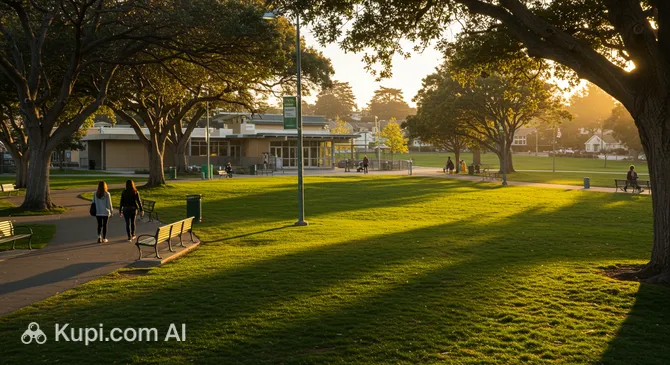
San Pablo Park. Source: Kupi.com AI

The park was designed by landscape design professor John Gregg back in 1914. Today, it is a multi-functional space where natural beauty is combined with well-developed sports infrastructure. Here you will find expansive sports fields, cozy picnic areas, and the modern Frances Albrier Community Center, which has become an important meeting place for local residents.

What makes this place special is its "hidden gem" atmosphere. Despite its popularity among athletes and families, the park maintains the peace and quiet of a residential neighborhood. More than 150 mature trees provide pleasant shade, turning a walk through the park into an aesthetic pleasure at any time of year.

Contacts

For more information about events or facility rentals, you can use the official contact details for the park administration.

Address 2800 Park St, Berkeley, CA 94702, USA
Phone +1 510-981-5150
Website cityofberkeley.info
Google Maps View on map

What to Do

Everyone will find something to enjoy in this park. Active recreation enthusiasts can set up a match on the historic baseball fields, face off in tennis on well-equipped courts, or play basketball. One of the unique features is the putting green—a mini-golf area where you can practice your short game in a peaceful setting.

For families with children, San Pablo Park is a real treat. Modern playgrounds with swings, slides, and climbing frames are distributed across various zones, including a dedicated tot lot for the youngest visitors. On the spacious lawns, you can often see groups hosting picnics with frisbee, and during the summer months, ice cream trucks frequently visit the park, much to the delight of young visitors.

If you are interested in culture and education, stop by the Frances Albrier Community Center. Various classes, workshops, and community events are held there regularly. Even a simple walk along the shaded alleys designed by architects Campbell and Wong will allow you to enjoy unique architecture and observe local birds in the treetops.

Getting There

Getting to this picturesque corner is easy. San Pablo Park is located at 2800 Park St in South Berkeley, right next to the busy San Pablo Avenue. If you are traveling by car, you will find the park between Russell and Ward streets; parking is usually available on the surrounding residential streets.

For those who prefer public transport, the most convenient option is the AC Transit bus network, which stops within a few minutes' walk on San Pablo Avenue. The ride from the city center or a neighboring district takes very little time. If you are coming from San Francisco, the route goes across the famous Bay Bridge, after which you should follow I-80 or local roads.

Active travelers can use a bicycle—the area is equipped with convenient bike lanes, and the park itself is just a couple of miles from the University of California campus. You can also always use taxi or rideshare services to quickly reach the entrance from anywhere in the Bay Area.

History & Facts

The history of this site began in 1907 when the land was purchased for an impressive $35,000—a significant sum at the time. This makes it the oldest public park in Berkeley. Interestingly, the surrounding residential neighborhood was designed specifically with the park zone in mind: the West Berkeley Development company laid out curved streets and rounded block corners here as early as 1906 to create a harmonious landscape.

The official opening to the public took place in 1914. The grounds were designed by John Gregg, a professor of landscape design, who immediately included spaces for sports and active play. By 1918, tennis courts and baseball fields were already operational, quickly turning the park into one of the best recreational spaces in the entire San Francisco Bay Area.

A significant milestone was the construction of the Frances Albrier Community Center in 1964, named after the famous activist. The project, created by architects Campbell and Wong, cost $200,000 and stood out for its unique covered patio. Later, in 1968, more than 150 mature trees were planted here, which today create the cozy, shaded atmosphere that visitors appreciate so much.

Time Needed

For a simple stroll along the shaded paths to enjoy the park's atmosphere, 1–2 hours should be quite sufficient. This is enough time to walk through the entire area, see the historic sports fields, and take a few photos against the backdrop of the mature trees.

If you plan to host a full family picnic, play tennis, or attend community events at the local center, you should budget 2 to 4 hours for your visit. During the summer, when the park is full of life and the sounds of sports matches, it is easy to spend half a day here enjoying a leisurely break in the fresh air.

Working Hours

The park is open to the public daily, making it a great place for both morning jogs and evening strolls under the lamplight. Opening hours: Monday to Sunday from 6:00 AM to 10:00 PM.

Please note that the sports fields and the community center may have their own internal operating hours for organized events; however, the park grounds themselves are accessible during the specified times without breaks or holidays.

Nearby

The area surrounding the park offers many interesting locations to make your walk even more fulfilling. Exploring this district is a great way to experience the academic and cultural atmosphere of the East Bay.

Attraction Type Distance (km)
Telegraph Avenue Street / Cultural Landmark 2.6
Sather Gate Historical Landmark 2.7
Oakland Public Library: Temescal Branch Library 2.7
Campanile Esplanade Architecture 2.9
American Steel Art Space 4.7
Lake Merritt Dance at Veterans Memorial Building Cultural Center 5.3
The Pergola at Lake Merritt Monument / Recreation Area 6.0
Camron-Stanford House Museum / Estate 6.3
Chappell Hayes Observation Tower Observation Deck 7.3
Yerba Buena Lighthouse Lighthouse 8.7

Reached the end of the page?

That means the route is fully explored