Support

Pacific Pinball Museum

About

Imagine a place where American pop culture history comes alive to the clinking of steel balls and the flashing of neon lights. The Pacific Pinball Museum is a unique interactive space located in Oakland (Alameda area), USA. It is not just a display behind glass, but a living collection where every exhibit is ready for play.
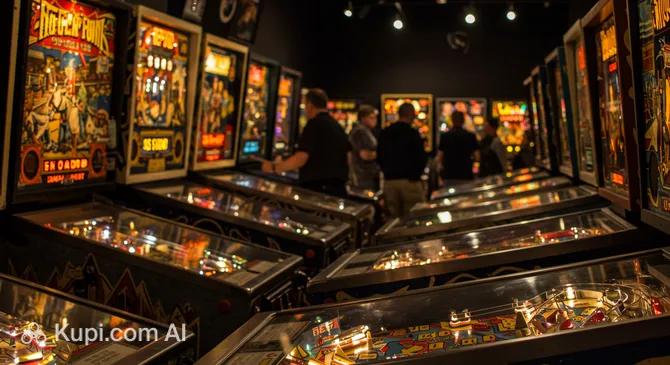
Pacific Pinball Museum. Source: Kupi.com AI

The museum halls house over 100 functioning pinball machines, spanning from the 1940s to the present day. Here you can see the rarest examples—from primitive late 19th-century "bagatelles" to modern machines with incredible visual effects. The foundation's total collection includes over 1,100 unique machines, making it one of the largest of its kind.

What makes the museum special is its non-profit approach and educational mission. Through pinball mechanics, visitors are taught about the principles of physics, engineering (STEM), and design history. After paying the admission fee, all machines are set to "Free Play" mode, allowing guests to enjoy the experience without limits on time or tokens.

Contacts

To clarify visit details or organize group tours, you can use the organization's official contact information.

Phone +1 510-769-1349
Website https://pacificpinball.org/
Address 1510 Webster St, Alameda, CA 94501, USA
Google Maps View on map

What to Do

The main rule here is you have to play! Visitors have access to over 90 pinball machines arranged in chronological order. You can start your journey with the archaic 1879 Montague Redgrave and end with modern masterpieces like The Addams Family. It's a rare chance to see how level complexity, ball physics, and sound design evolved over an entire century.

Beyond the exciting battles for high scores, it's worth paying attention to the artistic design. The backglasses of the machines are true canvases reflecting the spirit of their time: from the romance of space travel to iconic 80s films. The museum also offers interactive displays that reveal the inner workings of the machines, demonstrating how electromagnets and relays function.

For those who want to take a piece of nostalgia home, there is a gift shop. Here you can find themed books, unique stickers, and T-shirts. The museum often hosts temporary exhibitions dedicated to pinball's connection to mass culture and social changes in the USA, making every visit an educational adventure for all ages.

Getting There

Getting to this unique spot is quite easy, even if you are coming from neighboring metropolitan areas. The museum is located in the island city of Alameda, which is connected to the mainland by bridges. If you are flying from afar, the nearest hub is Oakland International Airport (OAK), which is just a 10–15 minute ride by taxi or rental car. From San Francisco, the trip across the bay takes about half an hour.

For those who prefer public transport, the most convenient way is to take the BART train system to the Fruitvale or Lake Merritt stations. From there, you can reach the museum doors by taking the AC Transit 51 bus or calling an Uber to save time. Fans of water travel will enjoy the ferry option: from the Alameda Seaplane Base terminal, you can walk or take a quick local bus ride.

If you are traveling by car, look for the I-880 exit and the Webster Street Bridge. Parking is usually available directly on Webster St or the adjacent side streets. The area is very pedestrian and cyclist-friendly, so a walk around the neighborhood after your games will be a great addition to your itinerary.

History & Facts

The history of this place began in 2004 thanks to the enthusiasm of Michael Schiess, a museum exhibit designer. It all started with a small collection in a rented room called Lucky Ju Ju, which featured just 14 machines. Schiess wanted to create a space where pinball was seen not just as a game of chance, but as true art and a feat of engineering.

Over time, this modest initiative grew into a full-fledged non-profit organization. The collection expanded rapidly through major donations: in 2009, it added 40 rare "woodrail" machines from Larry Zartarian, and later, hundreds of exhibits from other collectors. One of the most valuable objects in the collection is a 1936 Bally Bumper, which was once confiscated by police during a crackdown on gambling.

Interestingly, pinball was in a legal "gray zone" for a long time. In the mid-20th century, it was banned in many USA cities because it was considered a form of gambling. The situation only changed in 1947 with the invention of flippers, which made the game's outcome dependent on the player's skill rather than simple luck. The museum carefully preserves exhibits from that era, showcasing the game's journey from forbidden fruit to cultural phenomenon.

Time Needed

To fully enjoy the games and leisurely explore the historical exhibits, most visitors need between 2 to 4 hours. This is enough time to walk through all the themed rooms and try your hand at the most iconic machines from different decades.

If you are a true fan of retro gaming or visiting with the whole family, we recommend setting aside half a day. Since the entry ticket allows you to leave and return throughout the day, you can always take a lunch break at one of the local cafes and return to setting new high scores with renewed energy.

Working Hours

When planning your visit, please note that the museum is closed on Mondays. On all other days, the doors are open to everyone wanting to dive into an atmosphere of excitement and retro design according to the following schedule:

Tuesday, Wednesday, Thursday, and Sunday: from 11:00 AM to 9:00 PM. For those who prefer evening leisure, the museum stays open later on Friday and Saturday—from 11:00 AM to 10:00 PM. This schedule makes it easy to fit a visit into any Oakland travel itinerary.

Nearby

Exploring the surroundings after visiting the gaming halls can significantly enrich your experience. Alameda Island and the adjacent areas are famous for their historic architecture and cozy parks, perfect for a leisurely end to the day.

Attraction Name Distance (km)
Camron-Stanford House 3.3
Lake Merritt Dance at Veterans Memorial Building 4.4
The Pergola at Lake Merritt 4.5
American Steel 4.6
Chappell Hayes Observation Tower 5.2
Oakland Public Library: Temescal Branch 7.3
Yerba Buena Lighthouse 8.4
Telegraph Avenue 10.6
Sather Gate 10.8
Campanile Esplanade 11

Reached the end of the page?

That means the route is fully explored