Support

Sa Pa

About

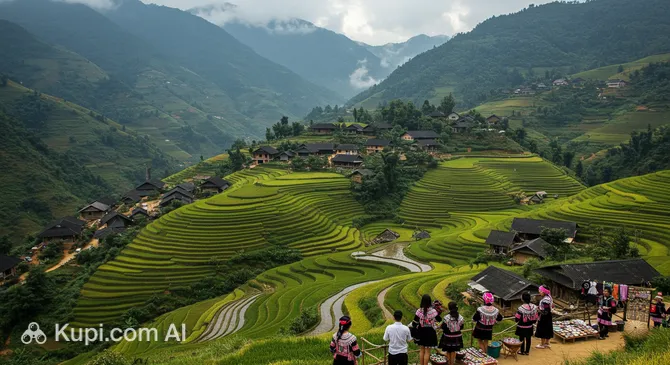
Sapa is a charming town located in northern Vietnam, nestled among the majestic Hoang Lien Son Mountains, also known as the Tonkinese Alps. It is cozily situated at an altitude of about 1,600 meters above sea level, near the border with China and approximately 320-400 kilometers from Hanoi (depending on the route). This place is famous for its breathtaking landscapes, where clouds often shroud the hills and emerald rice terraces cascade down into the valleys, creating truly fairytale views.
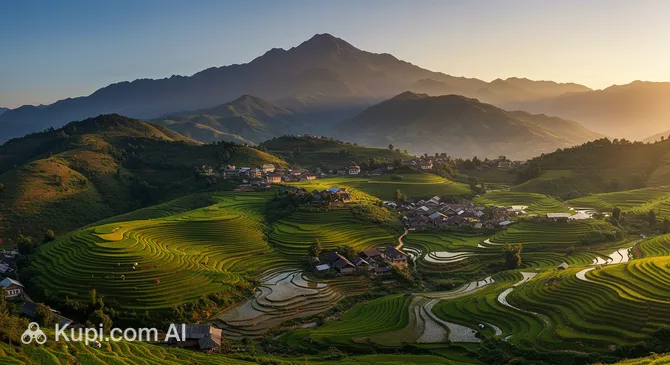
Sa Pa. Illustration.
Source: Kupi.com AI

Despite Sapa's population being just over 9,000 people, the town is the country's premier mountain resort and one of Vietnam's most popular tourist destinations. Its unique atmosphere is created by a harmonious blend of the traditions of numerous local ethnic groups (such as the Hmong, Dao, and Tay) and echoes of its colonial past, making Sapa both authentic and welcoming.

Travelers are drawn to Sapa primarily by its incredible mountain views, pristine air, and distinctive culture. The town and its surroundings are the perfect place for trekking along scenic trails, such as to the summit of Fansipan (the highest point in Indochina), visiting colorful ethnic villages to learn about the locals' way of life and crafts, and, of course, for contemplating the famous rice terraces, which are especially beautiful during the planting and harvesting seasons.

Sapa is a place that offers peace and allows you to truly escape the city bustle by immersing yourself in a world of amazing nature and ancient traditions. This wonderful corner of Vietnam is capable of enchanting you at first sight and leaving every traveler with a desire to return again to enjoy its unique beauty once more.

You can find more interesting facts on the Sapa history page.
Weather Overview

The weather in Sapa is characterized by distinct seasons, offering a variety of conditions for travelers throughout the year. Summer, especially from June to August, is quite warm here, with average temperatures around 24°C, although daytime highs can reach 27°C. This period is also the wettest, with frequent rain — in July, for example, precipitation occurs almost daily. Winter, from December to February, brings cool weather: the average temperature drops to 13-15°C, and night minimums can be around 9-10°C. The winter months, especially November and December, are the driest of the year.

Spring (March–May) and autumn (September–October) are transitional seasons with moderate temperatures and changeable weather. Overall, expect a warm and very humid summer with heavy rainfall and a cool, significantly drier winter. To get a more detailed idea of the weather conditions by month, you can check the detailed information about the Sapa climate.

Average monthly temperature

Average monthly precipitation

Interesting Facts

Beyond its picturesque landscapes and famous trekking routes, Sapa hides many amazing stories and unique features. This mountain town in Vietnam is full of surprises that not all travelers know about.

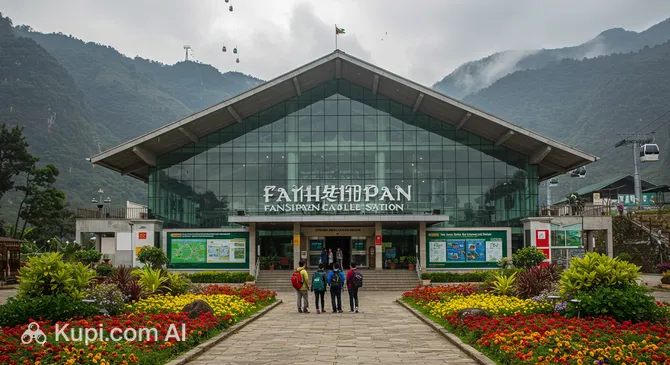
Fansipan Cable Car Station. Illustration.
Source: Kupi.com AI

Traveler photos:

  • French Heritage: Sapa was founded by French colonizers in 1910 as a mountain resort to escape the tropical summer heat. For a long time, until the 1990s, the town remained in the shadows, with its residents primarily engaged in agriculture.

  • Ethnographic Diversity: This region is home to many ethnic minorities, such as the Hmong, Dao, Giay, and Tay. Each group carefully preserves its unique traditions, language, and crafts, making Sapa a true ethnographic treasure of Vietnam. You can learn about the life of one of these peoples by visiting, for example, Cat Cat Village.

  • The "Roof of Indochina" is very close: In the vicinity of Sapa rises Mount Fansipan, the highest point in Indochina (3,143 meters). Today, you can reach its summit via the Fansipan Cable Car, which offers breathtaking panoramic views.

  • The Gold of Rice Terraces: Sapa is famous for its multi-tiered rice terraces. They look especially impressive during the rice ripening period from late August to October, when the mountain slopes turn golden-green shades, attracting photographers from all over the world.

How to Get There

Sapa is a high-altitude resort located far from noisy metropolises, so there is no direct air connection to the town. Traveling here is an adventure in itself, usually involving a combination of transportation. You can find all the ways to get to the city on our dedicated page, and below we will look at the main air hubs and routes used by tourists.

The vast majority of travelers fly into Noi Bai International Airport (IATA: HAN), located in Hanoi. This is the main gateway to northern Vietnam, receiving flights from all over the world. The airport is about 238 km from Sapa. Thanks to a modern expressway, a journey by taxi or bus takes about 5–6 hours. This is the most popular and convenient option to start your mountain trip.

An alternative option for domestic flights is Dien Bien Airport (IATA: DIN) in Dien Bien Phu. It is closer — about 135 km from Sapa, but the road winds through mountain passes, so the travel time can be around 4 hours. This route is more often chosen by those traveling the northwestern loop of Vietnam.

For clarity, here is a summary of the main airports in the region:

AirportPassenger trafficDistance
Dien Bien Airport210 000135 km
Wenshan Puzhehei Airport230 945144 km
Sam Neua65 000214 km
Noi Bai International Airport32.5 mln238 km
Oudomxay Airport15 000265 km

Although there is no railway station in Sapa itself, a train journey remains one of the most romantic and popular ways to reach the region. Trains from Hanoi arrive at the station in the city of Lao Cai, located on the Chinese border. The distance from Lao Cai station to the center of Sapa is about 35–40 km. This final stretch can be covered by a local bus or taxi, taking approximately 45–60 minutes along a scenic mountain serpentine.

In addition to trains and planes, there is a well-developed bus service. Comfortable sleeper buses depart from Hanoi and deliver tourists directly to the center of Sapa without the need for transfers. This is often faster than the train and cheaper than a taxi.

Main Attractions

Sapa, a charming mountain town in Vietnam, attracts travelers with its incredible landscapes and unique culture. Among the many interesting spots here, several key attractions stand out that are definitely worth a visit to fully experience the atmosphere of this amazing region.

One of the main reasons to visit Sapa is the opportunity to climb the highest mountain in Indochina. The modern Fansipan Legend cable car will take you almost to the summit, offering breathtaking panoramic views of the mountain ranges and valleys. It is a real adventure and a chance to see the incredible beauty of nature from a bird's-eye view, as well as to visit the temple complex at the top.

Fansipan Cable Car Station. Illustration.
Source: Kupi.com AI

Traveler photos:

No less fascinating is a visit to Cat Cat Village. This picturesque settlement of the Hmong people is located in a beautiful valley near the center of Sapa. Here, you can get acquainted with the traditional life, culture, and crafts of the local residents, especially weaving and the making of silver jewelry. A walk through the village, surrounded by emerald rice terraces and leading to a scenic waterfall, will leave an unforgettable impression.

Cat Cat Village. Illustration.
Source: Kupi.com AI

Traveler photos:

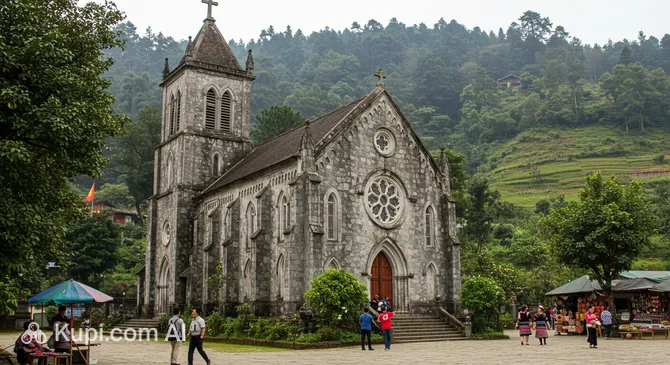
In the very heart of Sapa stands the Sapa Stone Church (Holy Rosary Church). This iconic symbol of the town was built by the French in the early 20th century and is a beautiful example of colonial architecture. The church is not only an important religious site but also a popular photo spot and a gathering point from which it is convenient to start exploring the town.

Stone Church of Sa Pa. Illustration.
Source: Kupi.com AI

Traveler photos:

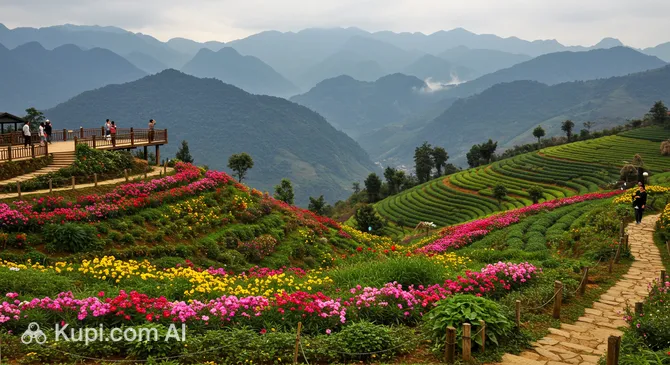
For lovers of nature and beautiful views, the Ham Rong Mountain Eco-Tourism Area, which translates to "Dragon's Jaw Mountain," is a must-visit. It is located right in the town and offers visitors a stroll through well-kept gardens, including orchid gardens, and numerous observation decks with panoramic views of Sapa and the surrounding mountains, including the majestic Fansipan. It is an excellent place for a leisurely walk and enjoying the fresh mountain air.

Ham Rong Mountain Eco-Tourism Area. Illustration.
Source: Kupi.com AI

Traveler photos:

Local Cuisine

The culinary scene in Sapa is a fascinating journey for foodies, where northern Vietnamese traditions harmoniously blend with the unique gastronomic customs of mountain peoples. A visit to Sapa wouldn't be complete without experiencing its authentic flavors, which can surprise even the most seasoned traveler.

Be sure to try thang co (thắng cố) — a thick, hearty soup made from meat (most often horse, though there are other variations), vegetables, and many spices, traditionally cooked over an open fire according to ancient Hmong recipes. This dish is often found at local markets and during festivals. Another pride of Sapa is dishes made from fresh local trout and sturgeon, which are raised in pristine mountain streams. The fish is masterfully grilled here, served with aromatic herbs and homemade sauces that highlight its delicate taste.

Street food in Sapa is an attraction in itself. At the bustling farmers' markets, you can enjoy roasted sweet potatoes, appetizing flatbreads with meat and herbs, and other local snacks. The markets also abound with the freshest vegetables, herbs, and mushrooms grown on the mountain slopes, which form the basis of many local dishes. This is a true paradise for those who value natural and fresh products.

Among beverages, the famous Vietnamese coffee is worth noting, which in Sapa can be served with unusual additions that give it a special local character. Don't miss the chance to try local alcoholic drinks as well, such as homemade rice wine or various herbal infusions made according to recipes passed down from generation to generation.

Locals and tourists in Sapa enjoy food in a variety of places: from colorful street stalls and noisy markets to cozy family restaurants and more modern establishments. To dive deeper into the local gastronomy, you can visit, for example, the Sapa Curtain restaurant, which offers regional cuisine. Sapa is also known for its food festivals, where you can get to know the cuisine of various ethnic groups, try rare delicacies, and even participate in cooking masterclasses. Every meal here is an opportunity to discover something new and delightful.

The Mist Sapa. Illustration.
Source: Kupi.com AI

Traveler photos:

Gastronomic experiences in Sapa are not just about food; they are about getting to know the culture and traditions of the region. The freshness of the ingredients, the unique recipes of the mountain peoples, and the vibrant atmosphere of local markets and cafes make Sapa's cuisine truly unforgettable.

Travel Tips

Welcome to enchanting Sapa! To make your journey through this picturesque mountain town in Vietnam as comfortable and memorable as possible, we have prepared some useful tips to help you better prepare for your trip.

  1. Clothing and Essentials:

    The climate in Sapa is mountainous and changeable. Even in summer, evenings can be cool, and in winter, temperatures sometimes drop quite low, with snow even being possible. The key to comfort is layering your clothes. Be sure to bring warm items (a sweater, fleece jacket, windbreaker), a raincoat or umbrella, especially if you are traveling during the rainy season (May to September). Sturdy, comfortable, closed-toe shoes are essential for trekking and walking on uneven terrain. In summer, light clothes will also be useful during the day. Don't forget sunscreen, a hat, and insect repellent. An adapter may be needed for electrical appliances (type A, C, and D sockets are used in Vietnam). When visiting ethnic minority villages and temples, choose modest clothing that covers your shoulders and knees out of respect for local traditions.

  2. Transport:

    The town of Sapa itself is small, and its central part is easy to explore on foot. For trips to surrounding villages, waterfalls (such as Silver Waterfall or Love Waterfall), the Tram Ton Pass, or Mount Fansipan, it is most convenient to hire a motorcycle taxi (xe om), a regular taxi, or rent a motorbike. Renting a motorbike is suitable if you have driving experience and an international driver's license. Organized trekking tours with local guides, which often include transfers, are also popular. There is virtually no public transport in the form of regular buses on tourist routes around Sapa.

  3. Finances:

    The local currency is the Vietnamese Dong (VND). Money can be exchanged at banks or exchange offices in Sapa, but the rate may be less favorable than in major cities like Hanoi. Credit cards (Visa, Mastercard) are mostly accepted in hotels, some restaurants, and large shops. However, always have enough cash with you, especially for purchases at markets, in small shops, and in villages. There are ATMs in Sapa, but it's better to withdraw the necessary amount in advance or in a larger city. International cards may not work everywhere or may come with additional fees. An approximate daily budget (excluding the cost of travel to Sapa and expensive excursions) can range from 700,000 to 1,500,000 VND (about 30-65 USD). Tipping is not mandatory but is welcomed for good service in restaurants and to guides (usually 5-10%).

  4. Health and Safety:

    There are pharmacies in Sapa, but the range of medicines may be limited compared to major cities. It's better to bring basic and specific medications with you. There are few 24-hour pharmacies. The town has a small hospital, but serious medical cases may require transport to Lao Cai or Hanoi. It is highly recommended to take out travel insurance that covers medical expenses and possible evacuation. Sapa is generally considered a safe place for tourists. Nonetheless, observe standard precautions: keep an eye on your belongings, especially in crowded places and markets. Be careful while trekking, especially in rainy weather, as trails can be slippery. It is not recommended to go hiking on remote trails alone, especially after dark.

  5. Communication:

    The official language is Vietnamese. In the tourism sector (hotels, restaurants, agencies), many employees speak basic English. Representatives of local ethnic groups (Hmong, Dao, and others) speak their own dialects but may also communicate a bit in English or French, especially those working in tourism. Useful phrases in Vietnamese: "Xin chào" (Sin chow) — Hello, "Cảm ơn" (Kam un) — Thank you, "Bao nhiêu tiền?" (Bow nyew tyen?) — How much does it cost? A local SIM card with mobile internet can be purchased upon arrival in Vietnam or at mobile shops in Sapa. Wi-Fi is available in most hotels, guesthouses, cafes, and restaurants. Google Maps or Maps.me (with offline maps) are useful for navigation.

  6. Local Etiquette:

    Vietnamese people are friendly and hospitable. You can greet people with a light nod and a smile. Handshakes are more common between men. When interacting with locals, especially elders, show respect. Try not to speak too loudly in public places. Very important: always ask permission before taking photos of local residents, especially children or during their daily activities or rituals. This is a sign of respect for their culture and personal space. When visiting the homes of local residents, it is customary to remove your shoes before entering if the hosts do the same.

  7. What to Avoid:

    Firstly, refrain from buying from child vendors who may persistently offer souvenirs. While it may seem like an act of help, in reality, it often encourages them not to attend school. It is better to support local communities by buying products from adult artisans at markets or in cooperative shops. Secondly, do not leave trash on trekking trails or in villages — respect the amazing nature of Sapa.

  8. Extra Tip: Trekking with a Local Guide

    Sapa is famous for its incredible trekking opportunities through rice terraces and mountains. If you plan a hike, especially a multi-day one or to more remote villages, it is highly recommended to hire a local guide from the ethnic minority communities. They not only know the area perfectly, ensuring your safety and choosing the best route, but can also tell you many interesting things about their culture, traditions, and the surrounding nature, making your experience much deeper and more authentic.

Sapa is a truly magical place where you can enjoy breathtaking scenery, learn about the unique culture of ethnic communities, and gain a wealth of unforgettable impressions. By following these simple tips, your journey to this corner of Vietnam will be even more pleasant, comfortable, and safe. We wish you wonderful discoveries!

Entertainment & Nightlife

Evening and nightlife in Sapa has its own unique charm, quite different from the bustle of big cities. You won't find noisy night clubs open until dawn here, but you can enjoy a cozy atmosphere, beautiful views, and socializing in numerous cafes and small restaurants. The main activity is concentrated around the central streets and the famous night market.

The main hub for evening strolls and entertainment is Cau May Street, as well as Sapa Lake Square and its adjacent streets. This is where most restaurants, bars, and souvenir shops are located. Sapa Night Market deserves special attention; it usually operates on weekends. It is a great place to try local delicacies, buy handmade items, and soak in the colorful atmosphere of the mountain town. Sometimes on Saturdays, you can witness the famous "Love Market," a unique cultural phenomenon.

Sapa Lake Square. Illustration.
Source: Kupi.com AI

Traveler photos:

The choice of venues for dinner and evening relaxation is quite wide. These can be restaurants offering traditional Vietnamese and local ethnic Hmong and Dao cuisine, as well as places with European menus. For example, for a pleasant dinner, you might consider the Sapa Curtain restaurant, known for its local dishes, or stop by Chicago Pizza if you crave something more familiar. Many establishments offer tables with views of the mountains or the busy streets, creating a special romantic setting.

The atmosphere in most places is relaxed and friendly. The crowd is mixed: tourists from all over the world and local residents. The dress code is generally casual and informal. Most establishments close relatively early, around 10:00 PM to 11:00 PM, so plan your evening in advance. Peak activity occurs during dinner time, from 7:00 PM to 9:00 PM.

In terms of practical tips, getting around central Sapa in the evening is most convenient on foot. For trips to further distances, you can use taxi services — they are easy to find in the center, but it's better to agree on the price in advance. Sapa is considered a fairly safe town, however, standard precautions, especially after dark and in crowded places, are always a good idea. The average check in restaurants varies, but overall, prices are affordable.

During the day, Sapa offers many other activities. Primarily, these include trekking through the picturesque surroundings, visiting ethnic minority villages like Cat Cat Village, ascending Fansipan via the Fansipan cable car, or walking through the Ham Rong Mountain Eco-Tourism Area. You can also visit the Sapa Stone Church, one of the town's landmarks, or relax in Sapa Park.

Parks & Museums

Sapa, nestled in the green mountains of Northern Vietnam, offers travelers not so much classic museums as an immersion into the living culture of ethnic minorities and the enjoyment of breathtaking natural landscapes. The town and its surroundings are a true open-air museum, complemented by well-kept parks and observation decks where everyone will find something to do.

One of the most popular places for walks is the Ham Rong Mountain Eco-Tourism Area. Its summit offers panoramic views of Sapa and the surrounding valleys, while well-tended orchid gardens and other themed zones make the walk particularly pleasant. It is an excellent place to appreciate the region's beauty and take impressive photos.

Ham Rong Mountain Eco-Tourism Area. Illustration.
Source: Kupi.com AI

Traveler photos:

No less attractive is Cat Cat Village, located in a picturesque valley. This is not just a park, but a real ethnographic settlement where you can learn about the life and culture of the Hmong people, see traditional houses, crafts, and the famous Cat Cat water wheels. A walk to the Cat Cat waterfall will also please nature lovers.

Cat Cat Village. Illustration.
Source: Kupi.com AI

Traveler photos:

In the very center of town lies Sapa Park, offering a peaceful place to relax among the greenery. Nearby is Sapa Lake Square, a popular meeting and strolling spot for both locals and tourists. For those looking for more modern photogenic locations, Moana Sapa with its installations against the mountain backdrop is worth a visit.

Sapa Park. Illustration.
Source: Kupi.com AI

Traveler photos:

For those wishing to see the "roof of Indochina," a trip on the Fansipan cable car is a must, offering truly breathtaking landscapes.

While there are no large, world-famous museums in the traditional sense in Sapa, the region's cultural heritage is presented very vividly. The town's atmosphere and surrounding villages can be considered the main "museum." Nevertheless, there is a small Sapa Museum in town where you can learn more about the region's history and the culture of the ethnic groups living here. The exhibition usually includes everyday objects, traditional clothing, and historical photographs, providing a deeper understanding of this place's uniqueness.

An iconic architectural site in Sapa is the Sapa Stone Church (Holy Rosary Church), built by the French in the early 20th century. It is one of the few surviving colonial buildings, giving the town a special charm and serving as an important landmark and popular photo spot.

Stone Church of Sa Pa. Illustration.
Source: Kupi.com AI

Traveler photos:

For a more authentic experience and deep immersion into the local culture, it is recommended to visit the bustling local markets, especially on weekends. It is also worth considering trekking to less known, remote villages accompanied by a local guide — this will allow you not only to enjoy untouched nature but also to see the daily life of mountain tribes from the inside.

Getting Around

Getting around Sapa and its picturesque surroundings can be done in several ways, although there is no public transport typical of metropolises like subways or trams here. The town is small, and its central part is easy to explore on foot, enjoying the views and atmosphere.

The main modes of transport for tourists in Sapa are taxis and motorcycle taxis (known as "xe om"). A motorcycle taxi is a fast and economical way to reach your destination, especially for short distances or through narrow streets. Regular taxis are also available and are more convenient for trips with luggage or in bad weather. The cost of a trip for both taxis and motorcycle taxis is usually negotiable, so it is recommended to discuss the price with the driver in advance, before the trip begins. There are typically no official apps for ordering or unified transit cards for these types of transport; payment is made in cash.

For independent exploration of Sapa's surroundings, such as local villages and rice terraces, many tourists prefer to rent a motorbike (scooter). Rental points are easy to find; they are available in many hotels and on the town streets. This gives you freedom of movement but requires certain driving skills, especially considering the mountain terrain and the condition of some roads. Don't forget a helmet and be careful on the roads.

One of the main attractions and simultaneously a unique mode of transport in Sapa is the cable car to Mount Fansipan — the "Roof of Indochina." This is a modern and comfortable system that allows you to ascend to an impressive height and enjoy panoramic views. Tickets for the cable car are sold at a special ticket office at its lower station, and prices there are fixed.

In addition to the options mentioned, local guide services, which may include transfers in minivans or cars, are often used for trips to more remote villages or trekking routes. Some hotels also offer a shuttle service. Public buses in our usual sense for moving specifically around the town are practically non-existent, but there may be buses connecting Sapa with other settlements in the region, such as Lao Cai.

Practical tips for tourists: always have small cash on hand for paying for trips. If you rent a motorbike, check its technical condition before the trip. Most transport services are available during daylight hours; plan your long-distance trips accordingly.

Accommodation

Sapa offers tourists a variety of accommodation options that can satisfy the needs of travelers on any budget. Here you can find inexpensive guesthouses and hostels, ideal for backpackers, as well as comfortable mid-range hotels and more luxurious resorts with impressive views of the mountain landscapes. Additionally, private house and apartment rentals are available, which can be convenient for families or large groups.

Most accommodation options are concentrated in the town center, providing easy access to major restaurants, shops, and tourist sites, such as Sapa Lake Square or the Sapa Stone Church. Some hotels and resorts are located a bit further away on the mountain slopes, offering a more secluded atmosphere and breathtaking panoramic views. The choice of area depends on your preferences: whether you want to be in the center of the action or enjoy peace and nature.

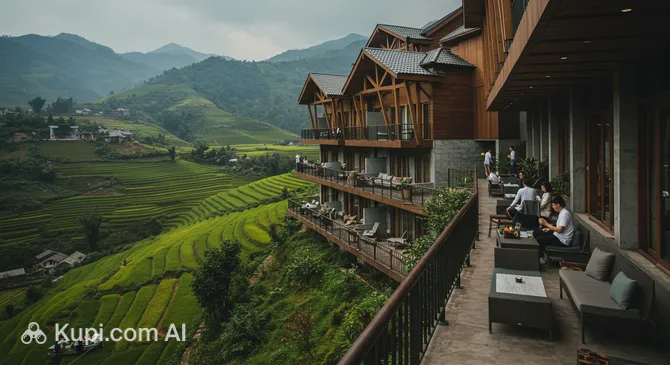
Sapa Horizon Hotel. Illustration.
Source: Kupi.com AI

Traveler photos:

Among the many options, several hotels stand out for their good level of service. For example, you might consider an option like the Sapa Horizon Hotel, known for its hospitality. Overall, the price range varies from budget to high-end, allowing you to find the optimal choice. It is most convenient to book accommodation in Sapa through popular online platforms or directly on hotel websites.

Booking tip: especially during the peak tourist season (usually the dry and warm months), it is recommended to book your accommodation in advance. This not only guarantees availability but often allows you to find better deals. Sapa is a popular destination, and the best options get booked up quickly.

Nearby Cities

For those who want to explore the surrounding area, Sapa serves as an excellent starting point for day trips to several interesting nearby locations:

Several particularly noteworthy destinations include:

  • Son La: Located just 112 km from Sapa, this city attracts travelers with its scenic mountain landscapes, the opportunity to experience the culture of local ethnic groups, and a visit to the historic Son La Prison, an important site reflecting the region's colonial past.
  • Viet Tri: At about 190 km away, Viet Tri serves as the gateway to the Hung Kings Temple Complex — a pilgrimage site and UNESCO World Heritage site of immense importance to Vietnamese history and culture.
  • Son Tay: A trip to Son Tay (about 218 km) will allow you to see the ancient Son Tay Citadel, built in the early 19th century, and explore the nearby authentic Duong Lam Village, famous for its centuries-old houses and traditional way of life.

A more complete list of nearby cities, including population and distance, is provided in the table below:

CityPopulationDistance
Lao Cai130 67121 km
Hekou37 07424 km
Lai Chau42 97339 km
Khong10 00057 km
Muong Lay20 45077 km

These nearby destinations allow for a deeper immersion into the diverse culture, history, and magnificent landscapes of Vietnam, complementing your experience of visiting Sapa.

Shopping & Souvenirs

Shopping in Sapa is a fascinating immersion into the culture of local ethnic minorities and an opportunity to acquire unique handmade items. The town is famous for its vibrant textiles, especially brocade, as well as silver jewelry and various local products. You won't find huge modern shopping malls here, but you will dive into the atmosphere of authentic markets and small shops.

Main trading activity is centered around the Sapa Central Market (Chợ Sa Pa) and its adjacent streets, such as Cau May and Fansipan Street. This is the heart of the town, where you can find almost everything: from fresh produce to souvenirs. Another lively place where you can meet street vendors is Sapa Lake Square, a popular spot for walks and relaxation.

As already mentioned, there are no large shopping centers in Sapa in the usual sense. Instead, shopping here is represented by numerous small stores, souvenir shops, and, of course, markets, which constitute its main charm.

Sapa Market is the primary place for shopping and getting a feel for the local color. Here they sell fresh vegetables and fruits, spices, tea, honey, as well as famous handmade goods: embroidered clothing, bags, jewelry, and much more. It's a great place to observe the daily life of locals and find authentic products. For unique craft items, it's also worth heading to the surrounding villages, for example, to Cat Cat Village, where you can see how traditional things are created.

Cat Cat Village. Illustration.
Source: Kupi.com AI

Traveler photos:

From Sapa, it is worth bringing back brocade items as souvenirs — vibrant fabrics with traditional embroidery created by representatives of local ethnic groups (Hmong, Red Dao, and others). These can be bags, wallets, scarves, clothing, or wall hangings. Also popular are handmade silver jewelry, local tea (especially mountain herb tea), dried mushrooms, honey, and bamboo products. Don't forget to haggle, especially at markets; it is part of the local culture.

Most shops and market stalls in Sapa are open daily, usually from morning (around 8:00–9:00 AM) until evening (6:00–9:00 PM). In tourist areas, some shops may stay open longer. The main method of payment, especially at markets and in small shops, is cash (Vietnamese Dong, VND). Some hotels, restaurants, and larger souvenir shops may accept credit cards, but it's always best to have enough cash on hand. There are ATMs in the town.

The possibility of a tax refund (Tax Free) in Sapa is practically non-existent, as most purchases are made at markets or in small private shops that do not usually participate in this system. Therefore, you should not count on a VAT refund when buying souvenirs and local goods.

Reached the end of the page?

That means the route is fully explored