Support

Anegada

About

Anegada is a true Caribbean oasis that is strikingly different from its neighbors. While most islands in the region are of volcanic origin with mountainous terrain, Anegada is a completely flat coral atoll. Its maximum elevation above sea level is only about 8 meters, creating the sensation that the island is hovering on the surface of turquoise waters.

Located in the northern part of the archipelago, this unique spot is part of the territory of the British Virgin Islands. It offers an atmosphere of total seclusion and peace that is hard to find in busier tourist centers. Only about 300 people live on the island permanently, preserving a warm, almost family-like way of life where locals welcome travelers with open arms.

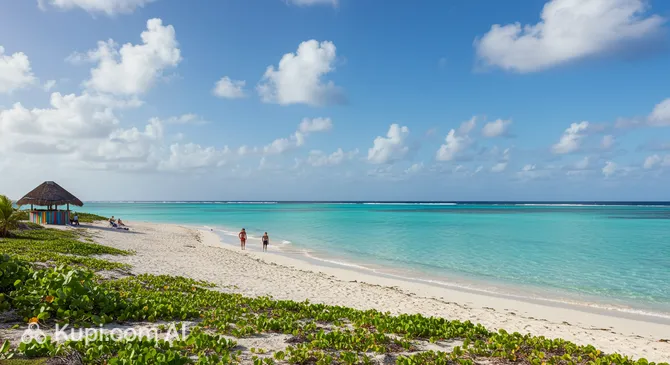
Anegada. Illustration.
Source: Kupi.com AI

Anegada's main draw is its stunning nature and opportunities for relaxation. Snow-white beaches stretch for miles and are often completely at your disposal, while the famous coral reefs surrounding the island make it a dream for divers and snorkeling enthusiasts. Despite the relaxed pace of life, Anegada's history is rich with maritime legends, as treacherous reefs have trapped ships for centuries, adding a touch of mystery to the island.

Anegada is the perfect destination for those tired of the hustle and bustle and seeking harmony with nature. Come here to enjoy the silence, taste the freshest lobsters for which the local cuisine is famous, and see the Caribbean as it was before the arrival of mass tourism.

Weather Overview

Anegada delights travelers with a consistently warm tropical climate, perfect for a beach holiday practically any time of year. The temperature regime here is remarkably stable: even in the winter months, such as January and February, the average air temperature stays at a comfortable mark of around 25°C, making the island a wonderful place for a "winter getaway."

By summer and early autumn, the air warms up more. In August and September, the thermometer shows an average of 27–28°C. When planning your vacation, it's important to consider the seasonality of precipitation: April is considered the driest month with a minimum number of rainy days (about 9), while in September, the probability of precipitation increases (up to 22 days with precipitation), though these are often just short-lived tropical showers. You can find more detailed information by month by checking the weather in Anegada on the dedicated page.

Overall, the island's climate is very mild and predictable. Expect consistently warm weather throughout the year with a drier period in spring and occasional refreshing rains in late summer and early autumn.

Interesting Facts

Beyond idyllic beaches and tranquility, Anegada holds many fascinating secrets and stories that make this island a truly unique place on the map of the Caribbean.

  • Shipwreck Graveyard: The island's waters hide more than 200 sunken vessels. For centuries, treacherous reefs were a trap for sailors, and now these historical remains, which even include pirate ships, have turned the coastal waters into a thrilling underwater museum for divers.

  • Record-Breaking Reef: Anegada boasts the famous Horseshoe Reef, which stretches for nearly 30 kilometers. It is the largest coral barrier in the Caribbean, striking for the brightness of its underwater world and the abundance of sea turtles.

  • The Return of the Flamingos: Salt lagoons in the island's interior serve as home to graceful pink flamingos. These birds, which have become a symbol of Anegada, attract many nature lovers wishing to observe them in their natural habitat.

  • Legends of Gold: Due to its isolation and difficult navigation, the island attracted sea marauders for centuries. Local residents still tell legends of pirate treasures allegedly hidden somewhere in the sands, waiting for a lucky seeker.

How to Get There

A journey to this secluded coral island is an adventure in itself, as there are no direct international flights. To plan your route as efficiently as possible, we recommend studying the detailed information on how to get to Anegada, which covers all possible logistics options.

The main transit hub for most tourists is Terrance B. Lettsome International Airport (EIS). It should be noted that it is not located on Anegada itself, but in the town of Tortola, at a distance of about 38 km. Since Anegada is separated from Tortola by sea, after arriving at the airport, you will need to transfer to a ferry or a local light aircraft to cover this distance.

Another popular option for transit is Cyril E. King Airport (STT), located in Charlotte Amalie (US Virgin Islands). This is a major aviation hub receiving many international flights. It is located about 80 km from Anegada. From here, travelers usually reach the British Virgin Islands by ferry or a connecting flight.

For clarity, here is a summary of the main airports in the region:

AirportPassenger trafficDistance
Virgin Gorda Airport25 00032 km
Terrance B. Lettsome International Airport300 00038 km
Cyril E. King Airport1.6 mln79 km
Benjamin Rivera Noriega Airport45 000111 km
Henry E. Rohlsen Airport530 000123 km

There is no railway service on the islands. The main ways to move between the islands remain water transport (ferries, private boats) and small aviation.

Main Attractions

Anegada is a unique island where the main points of interest are natural wonders rather than architectural monuments. A trip here is a chance to see the Caribbean in its pristine form, explore endless beaches, and a marvelous underwater world. Here are a few places that are definitely worth including in your itinerary.

Loblolly Bay is considered one of the most picturesque spots on the island. This wide stretch of snow-white sand, washed by turquoise waters, is perfect for both sunbathing and active recreation. Due to the proximity of coral reefs to the shore, it is the best location for snorkeling: equipped with a mask, you can observe bright tropical fish, rays, and barracudas right by the water's edge.

The famous Horseshoe Reef deserves special attention. It is one of the largest reef systems in the world, stretching for dozens of kilometers. Boat excursions or diving tours are organized for tourists here. The site is known not only for its rich marine fauna but also for the many shipwrecks resting on the bottom, creating a unique atmosphere of an underwater museum.

Fans of unusual landscapes should visit the Conch Shell Mounds in the eastern part of the island. These are amazing man-made islets created by local fishermen over centuries. Enormous piles of empty Queen Conch shells rise above the water, creating a surreal image and serving as a reminder that mollusk harvesting has always been a vital part of the islanders' culture and culinary traditions.

Another hallmark of Anegada is Cow Wreck Beach. It got its intriguing name from a legend about a ship carrying cows that wrecked here in the 19th century. Today, it is an ideal place for relaxed leisure: shallow crystal-clear waters allow for safe swimming, and the beachfront bar is famous for its laid-back atmosphere.

Local Cuisine

Anegada's gastronomic trademark is undoubtedly the freshest lobster. The island is famous for its spiny lobsters (they are called lobsters here, although they don't have massive claws), whose meat is distinguished by its special sweetness and tenderness. The culmination of the love for this delicacy is the annual Lobster Festival, when gourmets from all over the world gather here to taste seafood grilled right on the beach with local herbs and spices.

Besides the "king of the table," the local cuisine abounds with other gifts of the sea. Restaurant menus always feature dishes made from freshly caught mahi-mahi, crabs, and cuttlefish. Conch occupies a special place: it is served as fritters, added to chowders, or marinated. The main principle of local cooking is that the journey from the ocean to the plate should be as short as possible, so the flavor of the dishes is always rich and natural.

The dining culture on the island is imbued with a spirit of freedom and coziness. It is not customary to look for pretentious establishments here; instead, tourists and locals enjoy dinners in atmospheric beach bars and family restaurants like The Wonky Dog, Lobster Trap, or Cow Wreck Beach Bar. Food is often prepared over an open fire, and tables are set right on the sand, allowing for dining under the sound of the surf and the starry sky.

As for drinks, local lemonades and fruit punches help to beat the heat perfectly. Cocktail lovers should pay attention to mixes based on Caribbean rum, which are masterfully prepared here. Although farmers' markets on Anegada are rare, fairs are sometimes held where you can purchase homemade pickles, tropical fruits, and traditional sweets, immersing yourself in the authentic life of the islanders.

Travel Tips

A journey to Anegada is an immersion into a world of absolute tranquility, but even in this Caribbean paradise, it's worth remembering some practical nuances. To ensure your vacation is flawless and comfortable, we've compiled a list of important recommendations to help you adapt quickly to the local way of life.

  1. Clothing and protection from nature. The climate on the island is hot and humid, so choose light clothing made from natural fabrics (cotton, linen). Critically important: be sure to bring high-quality repellents. In the evenings, sand flies and mosquitoes can be active on the beaches. Also, sunblock with a high SPF that is reef-safe is necessary, along with a hat, as there is little natural shade on the flat island.
  2. Transport and logistics. There is no public transport (buses) on Anegada. Given the island's small size and flat terrain, the ideal option is renting a scooter, bicycle, or "mini moke" (a small open-top buggy). Taxis are available, but it's better to call them in advance through your hotel or restaurant, as "hailing" a car on the road is difficult.
  3. Finances and cash. The official currency is the US Dollar (USD). While large hotels and popular restaurants (like the Lobster Trap) accept Visa and MasterCard, cash is necessary. You'll need it for taxis, small purchases, and tips. There are very few ATMs on the island (sometimes only one is operational), so it's better to withdraw money in advance on Tortola or bring it with you.
  4. Health and safety. Anegada is a very safe place with virtually zero crime. However, the medical infrastructure is limited to a small clinic providing only first aid. There is no pharmacy with a wide range of products here, so pack a personal first-aid kit with all necessary medications in advance.
  5. Connection and communication. The official language is English, and there will be no issues with understanding. Wi-Fi is available in almost all hotels and restaurants, but the speed can be low. For reliable connection, you can buy a local SIM card (providers Flow or Digicel) at Tortola airport, as there may not be any carrier offices on Anegada itself.
  6. Etiquette and "Island Time". Be prepared for the concept of Island Time: service in restaurants can be slow, and schedules can be flexible. Don't get nervous or rush the staff; it's part of the local relaxation culture. It's also customary to politely greet strangers on the street and drivers with "Good morning/afternoon."
  7. What to avoid. Do not enter shops, banks, or administrative buildings in swimsuits or shirtless—it is considered disrespectful to the locals. Beachwear is only appropriate on the beach. Also, strictly avoid contact with coral reefs: do not stand on them or break off pieces "as a souvenir"—this harms the ecosystem and can be dangerous.
  8. Culinary life hack. If you want to dine on Anegada's famous lobster, many restaurants have an unwritten rule: the order must be placed in advance, often by 4:00 PM the same day. This guarantees they will prepare the freshest catch for you and you won't be left without dinner.

Anegada is a place where time slows down, and these simple tips will help you tune into the right wavelength immediately, avoiding minor misunderstandings. Leave the hustle on the mainland and enjoy the unique atmosphere of this amazing coral island!

Entertainment & Nightlife

Entertainment and nightlife on Anegada are fundamentally different from the noisy parties on other Caribbean islands. Here, you won't find multi-story nightclubs with neon signs or busy promenades. The island's evening life is centered around beach bars and open-air restaurants, where an atmosphere of "barefoot luxury" prevails. The main entertainment after sunset consists of long dinners with fresh seafood, live calypso or reggae music, and dancing on the sand under the starry sky.

The hub of activity in the evening is the Setting Point area—the island's main harbor where yachts dock. This is where life stays vibrant the longest. The crowd here is very diverse: from luxury yacht owners and experienced sailors to tourists staying for the winter. There is practically no dress code anywhere: shorts, light shirts, and sandals (or none at all) are perfectly acceptable attire even for dinner.

Among the specific establishments that define the island's nightly rhythm, a few iconic spots stand out:

  • Potter's by the Sea — perhaps the most famous place for evening leisure in the harbor area. This establishment is renowned for its lobsters cooked on an open grill, but after dinner, it often transforms into a dance floor. DJs regularly play or local bands perform here, and the fun can last deep into the night, which is rare for Anegada.

  • The Wonky Dog — another magnet in Setting Point. This place is known for its lively atmosphere and excellent bar. In the evenings, they often host entertainment programs with live music and dancing. It is a great location to meet other travelers and swap stories over a glass of Caribbean punch.

  • Anegada Reef Hotel — a classic meeting spot for sunset aperitifs or late-night cocktails. The hotel bar acts as the island's social hub, where you can find out the latest news and simply enjoy time in a calm setting.

If you are planning an evening out, keep a few practical points in mind. Most kitchens close quite early (around 9:00 PM–10:00 PM), although bars may stay open longer as long as there are customers. Average prices for cocktails range from $8 to $15, and a lobster dinner will cost approximately $40–$60. It is crucial to have cash with you, as card terminals may not work, and there might not be any ATMs nearby.

Safety on Anegada is simple: the island is very peaceful, and walking here is not scary. However, the main "danger" is the darkness. Street lighting is practically non-existent outside of hotels and the harbor. If you are staying in a remote part of the island, for example, on the north coast, be sure to book a taxi in advance. Walking on unlit roads is not recommended, not because of crime, but due to the risk of encountering free-roaming livestock or simply tripping. Taxi drivers usually work on call, and the bar staff can always help you arrange a transfer.

As for daytime entertainment, Anegada does not offer the theaters, cinemas, or shopping malls familiar to city dwellers. The "cultural program" here is inextricably linked to nature. Instead of museums, tourists visit the Iguana Headstart Facility in the Setting Point area, where they are restoring the population of rare rock iguanas. Main daytime activities include kitesurfing, deep-sea fishing, and excursions to the conch shell mounds, which serve as historical monuments here.

Parks & Museums

Unlike large metropolises, Anegada does not offer classic city parks with alleys or massive museum complexes. The island itself is a living natural reserve where the boundaries between "green zones" and cultural space are blurred. Cultural and natural heritage are intertwined here: history is preserved not so much in display cases but in the landscapes, on the seabed, and in the traditions of the locals who are part of the British Virgin Islands.

Speaking of natural areas, it is impossible to overlook the Salt Ponds, which occupy a significant part of the island's western end. This is a unique ecosystem protected by the Ramsar Convention. For tourists, this place is primarily interesting for the opportunity to see the restored population of pink flamingos. A walk along the ponds on special trails or observation from a viewing platform allows you to immerse yourself in the world of wild nature, where, in addition to flamingos, herons, sandpipers, and other rare birds live. This is a quiet, meditative experience that contrasts sharply with a beach holiday.

Another important conservation area is the Iguana Headstart Facility. Although technically a scientific facility, for visitors it serves as an educational park. They are dedicated to preserving a critically rare species—the Anegada rock iguana. Tourists can see these prehistoric-looking reptiles up close, learn about their life cycle, and how the island fights to preserve its unique biodiversity. This is a must-visit for those who want to understand the island's ecological value.

In the museum category, the Pomato Point Museum plays a key role. This is a private but incredibly atmospheric collection assembled by a local enthusiast. The exhibition is an eclectic mix of artifacts recovered from numerous shipwrecks (coins, buttons, ceramic shards, cannonballs) and household items of islanders from past centuries. The museum is interesting for its "informality": there are no strict attendants, and each exhibit is accompanied by a vivid story told by the owner. It is the best way to touch Anegada's maritime past.

The Conch Shell Mounds can also be considered an open-air museum. Although not a building, these man-made islands are an essential historical monument testifying to the centuries-old traditions of mollusk harvesting by the Arawak Indians and modern residents. Their scale is mind-boggling and clearly demonstrates the connection between generations through their trade.

Among the historical sites, "The Walls" in the East End area are worth noting. These are the remains of old stone fences that once divided agricultural land. A walk here allows you to imagine what the island looked like when farming played a larger role in the economy than tourism. These ruins, overgrown with tropical greenery, create a picturesque backdrop for photos and reflections on the past.

Insider Tip: If you find yourself near the Pomato Point Museum, don't hesitate to ask the owner about pottery shards found on the beach. Often after storms, fragments of 18th-19th century dishes are washed ashore, and locals will happily help you determine if your find is a piece of history or just a stone. This turns an ordinary beach walk into a real archaeological expedition.

Getting Around

There is no public transport system on Anegada in the sense familiar to city dwellers. You won't find a subway, trams, or scheduled buses here. The island is so compact and distinctive that the need for a complex transport infrastructure simply disappears. Moving around this coral atoll is not just a way to get from point A to point B, but part of the tourist adventure.

The main substitute for public transport is taxis, which here are colorful open-top pickups or minivans, often called "safari buses." They usually wait for tourists at the ferry pier or the airstrip. It's important to know that taxis here do not cruise the streets looking for passengers. To get to a restaurant or beach, you need to order a car in advance through a hotel receptionist or agree with the driver on a return trip time immediately upon arrival.

The taxi payment system is very simple and conservative: there are fixed rates that depend on the travel zone, and the fare is charged per person, not for the entire vehicle. Payment is made exclusively in cash in US Dollars (USD). No transport cards, passes, or mobile taxi apps (like Uber) exist on the island.

The most popular alternative to a taxi is renting a vehicle. Given Anegada's completely flat terrain, moving around is very comfortable. Tourists most often choose "mini mokes"—bright beach buggies without doors—scooters, or jeeps. Rental points are located right at the ferry terminal. To rent one, you will need a valid driver's license from your country and, in some cases, a small deposit.

For lovers of active recreation and eco-tourism, a bicycle is an ideal option. Since there are no mountains or steep climbs on the island, pedaling is easy even in the heat. Bike rentals are available at most hotels and equipment rental points. It's a great way to leisurely explore the coast, stopping at any place you like.

Practical tip for drivers: traffic on the island is left-handed, although many rental cars have left-hand drive, which requires extra attention. Be prepared to encounter free-roaming cows, goats, and donkeys on the roads, which have the right of way. Additionally, street lighting outside of populated areas is practically non-existent, so night trips on a scooter or bicycle require caution.

Accommodation

Accommodation on Anegada is the total opposite of mass tourism with its multi-story hotel complexes. You won't find faceless network giants here; instead, the island offers cozy boutique hotels, small guesthouses, and private villas that blend harmoniously into the flat landscape of the atoll. The main emphasis is on eco-friendliness, privacy, and the concept of "barefoot luxury."

One of the most popular and unique forms of accommodation on the island is glamping (glamorous camping). Luxury tents set right on the sand dunes by the water's edge allow you to fall asleep to the sound of the surf without sacrificing comfort: inside, there are often full-sized beds, bathrooms, and terraces with hammocks. This is an ideal choice for those who want to feel maximum unity with nature while maintaining a high level of service.

When choosing a location, you should focus on your vacation preferences and transportation plans:

  • Setting Point: This is the "heart" of the island, located near the ferry dock. Accommodation here (mostly small hotels and inns) is within walking distance of most restaurants, shops, and diving centers. This is the most convenient option for those who want to be in the center of things and do not plan to rent a vehicle for the entire duration of their stay.
  • North Coast (Cow Wreck and Loblolly beach areas): More secluded villas, cottages, and glamping sites are located here. This is the choice for romantics and introverts dreaming of a deserted beach right outside their room. However, keep in mind that trips to the main restaurants or shops will require a scooter or a taxi.

Price Range and Booking:
The cost of living on Anegada varies from mid-range to high-end. There are practically no budget hostels or cheap rooms here. Prices for simple cottages start at moderate amounts, while renting private villas or luxury tents falls into the high price segment. Booking is available through popular international online aggregators as well as directly through the owners' websites, which sometimes allows for better terms.

Booking Tip: The housing stock on the island is very limited compared to other resorts. During peak seasons (Christmas holidays, Easter) and especially during the famous Lobster Festival (in late November), the best spots are snapped up instantly. It is highly recommended to book your stay at least 3–4 months before your trip to guarantee your desired oceanfront option.

Nearby Cities

For those who want to explore the surroundings, Anegada serves as an excellent starting point for day trips to several interesting nearby places. Given the island's isolated position, any trip from here is a sea voyage to completely different landscapes.

The closest and perhaps most popular destination is Virgin Gorda. This island is strikingly different from flat Anegada with its hills and the famous "The Baths" National Park. Here, enormous granite boulders scattered randomly on the beach form mysterious grottoes and sea pools. A trip here will allow you to see the geological contrast of the archipelago: from a coral atoll to volcanic rocks in just one sea crossing.

A bit further away is Tortola—the main island and heart of the archipelago. This is where the territory's capital, Road Town, is located. This destination is suitable for those who miss civilization: here you can visit the J.R. O'Neal Botanic Gardens, browse the shops on Main Street, or study the colonial architecture. Tortola offers a more lively pace of life compared to the relaxed atmosphere of Anegada.

CityPopulationDistance
Virgin Gorda4 00027 km
Road Town12 60344 km
Tortola12 00045 km
North Sound46 km
Saint John4 17059 km

These nearby destinations provide an insight into the diverse culture and landscapes of the region, adding bright colors to your vacation on the secluded atoll.

Shopping & Souvenirs

General Overview: Shopping on Anegada is fundamentally different from the typical shopping trips in major tourist centers. You won't find brand boutiques, outlets, or noisy shopping streets here. Trade on the island is intimate, almost home-like. This is a place for those looking for unique handmade items, authentic souvenirs, and objects that hold the warmth of local craftsmen's hands. The shop assortment is geared toward beach leisure and memorable gifts reflecting the spirit of "barefoot life" in the Caribbean.

Main Shopping Areas/Streets: There are no shopping districts as such on the island. Most souvenir stalls and small shops are concentrated in the Setting Point area, where the ferries arrive. Here, within walking distance of the pier, you can find several colorful spots with clothing and gifts. Also, small boutiques often operate at popular hotels and beach clubs, for example, near the Anegada Reef Hotel or at the Big Bamboo bar in the north of the island. Shopping here is often combined with lunch or relaxing on the beach.

Shopping Centers: Shopping centers, malls, and department stores are completely absent on Anegada. The island retains its pristine atmosphere, avoiding large commercial developments. If your goal is large-scale shopping with visits to electronics stores, jewelry salons, or fashion houses, it's better to plan a trip to the neighboring islands of Tortola or St. Thomas, where the selection is much wider.

Markets: There are no classic daily markets on the island. However, morning hours in Setting Point harbor can resemble a spontaneous fish market: local fishermen bring their fresh catch, and if you wish, you can buy fish or those famous lobsters here. Occasionally, on holidays or during special events, small fairs are organized where locals sell homemade baked goods, sauces, and crafts, but this is more the exception than the rule.

Souvenirs: Anegada's main pride is its local pottery. There is a well-known pottery workshop on the island (Pat's Pottery) where they create amazing plates, mugs, and vases with bright tropical patterns. It is also worth paying attention to jewelry and decor made from shells, which are collected here in huge quantities. Popular purchases include local spices, barbecue sauces, Caribbean rum, and high-quality beachwear (pareos, T-shirts, hats) with symbols of the British Virgin Islands.

Opening Hours and Payment: Shops on Anegada operate on a very flexible schedule, often depending on the flow of tourists and the mood of the owners. Usually, doors are open from 9:00–10:00 AM to 4:00–5:00 PM, but many close for a siesta in the middle of the day. Most shops may be closed on Sundays. Regarding payment, cash in US Dollars is the most reliable way to pay. Credit cards are not accepted everywhere, and terminals may not work due to connectivity issues.

Tax Free: The Tax Free refund system in the usual European sense does not operate on Anegada. The British Virgin Islands is a zone with a special tax regime, and prices listed on tags are generally final. Tourists should not expect to receive special checks for VAT refunds at the airport.
Reached the end of the page?

That means the route is fully explored