Support

Nanhai

About

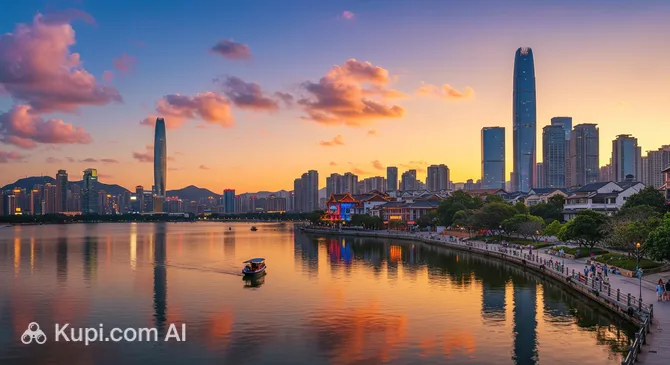
Nanhai is a modern and rapidly developing district within the Foshan metropolis. Located in the picturesque Pearl River Delta, just a few dozen kilometers from Guangzhou, this city represents a unique blend of urbanism and natural beauty. A journey here allows you to see Southern China with its dynamic pace of life and deep respect for traditions.

Nanhai. Illustration.
Source: Kupi.com AI

With a population of about 2.6 million people, Nanhai is an important cultural and tourist center of Guangdong Province. Its geographical position has gifted the city with numerous canals and pockets of greenery, creating a harmonious atmosphere. Here, modern high-rises stand alongside quiet gardens where you can take a break from the hustle and bustle.

Of particular interest to travelers is the history of Nanhai, which is reflected in its architecture and local way of life. The city has preserved ancient temples that fit surprisingly well into the modern landscape. Additionally, Nanhai is known for its theme parks and legendary film studios, attracting cinema enthusiasts.

Nanhai is worth visiting for its unique flavor and gastronomic discoveries. It is an ideal destination for those who want to get acquainted with the authentic culture of the region, enjoy walks along picturesque embankments, and find inspiration in the combination of antiquity and modernity.

Weather Overview

The climate of Nanhai can be described as humid subtropical, so the experience of your trip will greatly depend on the chosen season. Winter here is incredibly mild and pleasant for walks: in December and January, the average temperature stays around 15–16°C, very rarely dropping below 11°C. It is also the driest time of the year — for example, only about 3 rainy days are recorded in December.

In summer, the city is enveloped in heat and high humidity. From June to August, average thermometer readings hover around 29–30°C, and daytime maximums often exceed 32°C. Travelers should be prepared for frequent precipitation: June is the wettest month, when it can rain for up to 25 days. Expect a hot summer with periodic downpours and a warm, predominantly dry winter.

The transition seasons offer interesting contrasts. Spring begins with a comfortable 20°C in March but quickly becomes more humid by May. Autumn, on the contrary, brings relief after the summer heat: by November, the air cools to a pleasant 21°C, and the amount of precipitation decreases sharply. To choose the best dates for your visit, the detailed weather in Nanhai will help you study the forecast in more detail.

Average monthly temperature

Average monthly precipitation

Interesting Facts

Beyond popular tourist routes, Nanhai holds many fascinating secrets that reveal this district from a completely unexpected side. Here, cinematic illusions, a glorious history of martial arts, and the tranquility of ancient water settlements intertwine.

  • The cinematic heart of the region. The city is home to the massive National Arts Studios, often called the local "Hollywood." Not only are popular Chinese TV series and historical blockbusters filmed here, but festivals are also held. The sets are so realistic that a walk through the recreated palaces and streets feels like a true journey through time.

  • Bruce Lee's Heritage. Nanhai prides itself on being the birthplace of many kung fu masters, and it is here that a theme park dedicated to Bruce Lee is located. The legendary actor's ancestors hail from these parts, so the park treats his memory with special reverence: monuments have been erected, and wushu masterclasses are regularly held.

  • Traditions of life on the water. Authentic water villages have been preserved in the district, the most famous being Fengjian. This place allows you to see a lifestyle that is disappearing in metropolises: ancient stilt houses and wooden bridges create an atmosphere of old China, where time seems to have stood still.

  • Architectural Grandeur. One of the hidden gems is the Nanfo Buddhist Temple. It impresses with its architectural scale and is an active spiritual center where colorful traditional ceremonies, with a history spanning several centuries, take place regularly.

How to Get There

When planning your trip, it is important to think through the logistics in advance, as your comfort depends on it. Thanks to its favorable location in the densely populated Guangdong Province, tourists can choose from several transport hubs. You can study all the ways to get to the city of Nanhai on a separate page, and below we will look at the main options for arrival via the nearest airports and stations.

Since there are no major international air hubs in the Nanhai district itself, most travelers fly into neighboring metropolises. One of the most popular options is Guangzhou Baiyun International Airport (CAN). It is located in Guangzhou, about 43 km from Nanhai. This is the region's largest hub, receiving flights from all over the world. The journey from here by taxi or bus takes about 1 hour and 25 minutes, depending on traffic.

For those traveling on domestic flights or who value maximum proximity to their destination, Foshan Shadi Airport (FUO) is an excellent choice. It is located directly in the city of Foshan, just 9.6 km from the center of Nanhai. This is a small regional airport, so the journey to your hotel will be very quick — the trip will take approximately 35 minutes.

You can also consider flying into Shenzhen Bao'an International Airport (SZX), located in the city of Shenzhen. The distance to Nanhai is about 81 km. This is a modern and busy transport hub, from where you can reach your destination by car in about 2 hours and 20 minutes.

For clarity, here is a summary of the main airports:

AirportPassenger trafficDistance
Foshan Airport1.3 mln10 km
Guangzhou Baiyun International Airport63.2 mln43 km
Shenzhen Bao'an International Airport61.5 mln81 km
Macau International Airport7.6 mln108 km
Hong Kong International Airport58.4 mln113 km

If you are considering arriving by train, you should take the regional geography into account. Wuzhou Railway Station (KZZ) appears in available routes. It is important to note that it is located in the city of Wuzhou, quite far from Nanhai — the distance is about 201 km. A car trip from this station will take more than 5 hours, so this option is more suitable for complex multi-city routes across China than for a direct transfer.

Below is information about the railway station:

StationPassenger trafficDistance
Wuzhou Railway Station202 km

Main Attractions

The attractions of Nanhai are a harmonious blend of ancient history, Buddhist culture, and the picturesque nature of Southern China. The city and its surroundings are famous for places where you can relax your soul, touch traditions, and enjoy magnificent landscapes.

The absolute landmark of the region is Mount Xiqiao. This is an ancient extinct volcano transformed into a national park of incredible beauty. The territory abounds with bizarre rocks, mysterious caves, and dozens of picturesque springs. Tourists come here for hiking along forest trails and to see the famous waterfalls. Furthermore, the mountain holds significant historical importance as one of the centers for the development of Southern Chinese culture and philosophy.

On one of the peaks of Mount Xiqiao is the impressive Guanyin Cultural Park. The main attraction here is the colossal statue of Guanyin, the Goddess of Mercy, standing nearly 62 meters tall. The bronze figure, seated on a lotus throne, is visible for many kilometers and inspires awe with its grandeur. Travelers climb up here to experience an atmosphere of peace and to take panoramic photos of the surroundings from the observation decks.

For those who want to immerse themselves in the atmosphere of past eras, the doors of the CCTV Nanhai Movie Saga are open. This is a huge complex of film sets and decorations where popular historical films and TV series are created. Here you can walk through recreated streets of old Hong Kong, see majestic imperial palaces, and traditional water villages. Daily theatrical performances and stunt shows make the walk particularly exciting.

Lovers of peaceful urban relaxation should visit Qiandeng Lake Park (Thousand Lantern Lake). It is a masterpiece of modern landscape design, where urbanism harmoniously intertwines with nature. During the day, it is an ideal spot for picnics and strolls along the canals, and after dark, the park lives up to its name: the illumination comes on, and thousands of lights reflecting in the water create a truly magical atmosphere.

Local Cuisine

The gastronomic scene of Nanhai is a true feast for lovers of authentic Asian food. Since the city is part of the region that gave the world the famous Cantonese cuisine, there is a cult of ingredient freshness and a perfect balance of flavors. Local chefs masterfully highlight the natural taste of products, avoiding excessive use of hot spices, which makes the dishes approachable and pleasant for most tourists.

Your culinary journey must begin with the "yum cha" tradition — morning tea with snacks. The main star here is dim sum: miniature baskets of steamed dumplings, buns filled with BBQ pork, chicken feet, and delicate rice noodle rolls. This is not just food, but an important social ritual during which locals socialize and slowly enjoy dozens of types of snacks.

Thanks to its location in the Pearl River Delta, Nanhai is famous for its magnificent seafood. In restaurants, it's worth ordering the freshest steamed shrimp or fish with soy sauce, ginger, and green onions. Meat lovers shouldn't miss the classic Cantonese BBQ (siu mei): duck, goose, or pork roasted to a crispy crust in a sweet honey glaze is considered a hallmark of the region.

Street food in Nanhai offers its own gastronomic discoveries. In lively markets and small stalls, you can snack on fried dumplings or a bowl of aromatic wonton noodle soup. For dessert, be sure to try local sweets based on coconut milk, mango, or sweet soups, which are very refreshing in hot weather. Gastronomic festivals regularly held in the city allow you to try the best creations of chefs in one place.

As for drinks, the undisputed leader is tea. Jasmine, pu-erh, or oolong are served everywhere and in unlimited quantities, accompanying any meal. Among alcoholic drinks, you can find local rice wine, but in daily food culture, it takes a backseat to tea and light soft drinks.

Travel Tips

Welcome to Nanhai! This district of Foshan knows how to surprise with its flavor, but for a comfortable trip, it's worth knowing a few local nuances. We have gathered practical recommendations for you to help you easily navigate the city, avoid awkward situations, and enjoy your trip to the fullest.

  1. Clothing and Seasonality. The climate here is humid and warm, so in summer, prioritize light natural fabrics and be sure to carry a raincoat or umbrella. In winter, despite the absence of frost, the high humidity can be chilling, and there is no central heating — bring warm sweaters and jackets for layering. Comfortable shoes are mandatory, especially if you plan to climb Mount Xiqiao.

  2. Transport. Nanhai is perfectly integrated into the region's transport network. The fastest way to get around is the metro (Guangfo line), connecting the district with the center of Foshan and neighboring Guangzhou. For local trips, download the DiDi app (the Chinese taxi equivalent), which is often built into Alipay. This will save you from having to explain things to the driver with gestures, as the address can be entered in English or selected on the map.

  3. Finances and Payment. Be prepared for the fact that China is a country of digital payments. Cash is not accepted everywhere, and change may simply not be available. We strongly recommend installing the Alipay or WeChat app before your trip and linking your bank card to it. This will allow you to pay by scanning a QR code everywhere: from high-end restaurants to street fruit stalls.

  4. Health and Safety. Tap water is not potable — buy bottled water or use boiled water at the hotel. Pharmacies are easily recognized by a green cross, but pharmacists rarely speak English, so save photos of the necessary medicines in advance or use an online translator. In general, the city is very safe, but keep an eye on your personal belongings in popular tourist spots.

  5. Communication. Few people here know English, so your best friend is your smartphone. Be sure to download an offline translator with voice input and photo translation functions (for example, Baidu Translate or Google Translate). To access your usual messengers and maps, you will need roaming or a local SIM card with a connected VPN service, as many Western sites are blocked.

  6. Local Etiquette. Politeness is valued above all here. You should give and receive business cards, money, or gifts with both hands — this is a sign of deep respect. A greeting usually consists of a nod or a slight bow; handshakes are common, but hugging people you barely know is not accepted.

  7. What to Avoid. Never stick your chopsticks vertically into a bowl of rice — this resembles funerary incense sticks and is considered a bad omen. Also, try not to raise your voice or shout in public places: a public display of anger will make you "lose face" and cause disapproval from those around you.

  8. Bonus: The Power of Traditions. Nanhai is considered the birthplace of the legendary martial arts master Wong Fei Hung and the traditional "Lion Dance." If you see a street practice or a performance by dancers in lion costumes, be sure to stop and watch — it's not just a show, but an important part of the local cultural code that brings good luck.

Nanhai is a welcoming and dynamic city where modern technologies coexist with century-old traditions. By following these simple tips, you can feel as confident here as an experienced traveler and take home only the warmest memories.

Entertainment & Nightlife

The nightlife in Nanhai is a bright kaleidoscope of lights, music, and gastronomic discoveries. Unlike the neighboring metropolis of Guangzhou, where the rhythm can sometimes be too fast-paced, a more relaxed but no less lively atmosphere prevails here. As the sun sets, the city changes its appearance: the neon lighting of skyscrapers turns on, the doors of numerous entertainment venues open, and the embankments fill with people wanting to have a pleasant evening.

The epicenter of evening leisure is rightfully considered the Qiandeng Lake area. This is where the famous Bar Street is located. This place resembles classic European entertainment quarters but with the unique flavor of China. Here you can find venues for every taste: from noisy pubs with live rock music to elegant lounge bars with signature cocktail menus and views of the water. The crowd here is diverse: expats, local youth, and tourists. The dress code in most places is casual, but for high-end clubs, it's worth choosing a smart casual style.

If you want to immerse yourself in the authentic culture of relaxation, be sure to visit one of the KTV clubs (karaoke). In the Middle Kingdom, this is not just singing, but an important social ritual: you rent a private comfortable room for your group and order drinks and snacks. This is the most popular form of leisure among locals. Large centers such as Poly Water City or Wanda Plaza offer a whole spectrum of night pleasures under one roof: from modern cinemas with late-night screenings to restaurants that serve guests until late at night.

For fans of street food and a lively atmosphere, night markets are in operation. These are noisy locations, permeated with the aromas of spices and incredibly tasty food. It's worth trying the grilled oysters with garlic, various skewers, and fried noodles. The atmosphere at the markets is simple and friendly, prices remain very affordable, and trading often continues until 2–3 AM.

Practical tips for tourists:

  • Time: The peak of fun in bars and clubs occurs on Friday and Saturday from 10:00 PM to 2:00 AM. On weekdays, many venues may close earlier.
  • Safety: Nanhai is a peaceful and safe city. The Qiandeng Lake area is well-lit and guarded. However, in crowded places, you should keep an eye on your personal belongings.
  • Transport: The metro finishes work around 11:00 PM – 11:30 PM. Late in the evening, it is most convenient to use a taxi or order a car through the DiDi app. It is recommended to have a hotel business card with the name in Chinese.
  • Prices: The average check in bars here is usually lower than in Hong Kong or Shanghai. The cost of a cocktail varies from 40 to 80 yuan, and a glass of beer will cost about 20 yuan.

While the city's nightlife is attractive, Nanhai's entertainment industry offers many interesting things during daylight hours as well. The cultural program can include a visit to the Nanhai Museum to learn about the history of the region or a walk through picturesque parks. Families with children and movie buffs will enjoy spending the day on the film sets of local movie studios, which operate as excursion sites during the day and often become the backdrop for colorful light shows in the evening.

Parks & Museums

Nanhai offers travelers an amazing balance between urban landscapes and protected natural areas, as well as a deep immersion into the cultural heritage of Southern China. Here, you can walk along misty mountain trails in the morning and study ancient artifacts in modern galleries in the afternoon, discovering the rich history of the region.

Mount Xiqiao National Forest Park is the main natural gem of the district and an ideal place for ecotourism. The vast territory of the extinct volcano is covered with dense subtropical forests hiding 72 mountain peaks and dozens of picturesque caves. The park is famous for its waterfalls and springs, creating cool air even on hot days. Tourists come here not only for panoramic views but also to enjoy the silence on well-maintained walking routes through the greenery.

Another important green zone is Qiandeng Lake Park (Thousand Lantern Lake). This is a magnificent example of how nature can be integrated into a modern city. A huge body of water is surrounded by shady alleys, ideal for morning jogs or leisurely evening strolls. The park's landscape design has won international awards: water canals, bridges, and green lawns where locals like to have picnics and fly kites are harmoniously combined here.

For an immersion into the history of the region, be sure to visit the Nanhai Museum. Located at the foot of Mount Xiqiao, this museum is an architectural masterpiece in itself, resembling an ancient vessel or a key. The exhibition spans thousands of years of history: from Paleolithic finds to exquisite porcelain and calligraphy. Special attention is paid to the Lingnan culture, which allows for a better understanding of the traditions and daily life of the locals.

No less interesting is the Wong Fei Hung Memorial Museum, dedicated to the legendary martial arts master and healer whose life became the basis for many films. The museum is built in the style of traditional Qing Dynasty architecture with elegant courtyards and halls. Here you can not only learn about the master's life but also see exciting performances by kung fu school students and the famous lion dance, for which this region is considered the birthplace.

Among the historical monuments, the Former Residence of Kang Youwei stands out — he was a famous reformer and philosopher of the late Qing era. This architectural complex provides an insight into the life of the Chinese intelligentsia of that time. Traditional brick buildings, quiet courtyards, and preserved personal belongings of the thinker create an atmosphere of immersion into the past, allowing you to touch the turning points in the history of the country that all of China is proud of.

Insider Tip: If you want to see a non-touristy and authentic Nanhai, head to Songtang Ancient Village. This settlement is over 800 years old and is known as the "village of scholars," as many of its natives successfully passed the imperial examinations. There are no crowds of tourists here, but there are beautifully preserved old schools, ancestral temples, and lotus ponds. A walk through the narrow streets of Songtang will give you a rare sense of peace and allow you to take atmospheric photos of the real old China.

Getting Around

The transport system of Nanhai is closely integrated into the general network of the Foshan metropolis and neighboring Guangzhou, making movement around the district convenient and intuitive. The main mode of transport for tourists is the metro. The famous Guangfo line passes through the district — the country's first intercity metro line, which seamlessly connects Nanhai with the center of Foshan and the densely populated districts of Guangzhou. This is the fastest way to reach the main attractions while avoiding street traffic jams.

A feature of the local transport infrastructure is the modern tram (Nanhai Tram Line 1). This is not just a means of transportation, but a comfortable way to see the new urban districts. The tram line is integrated with the metro, and transfers between them are organized as conveniently as possible. The cars are new, equipped with air conditioning and information boards duplicating stop names in English.

The bus network covers those corners of the district where rails have not yet reached, including distant park entrances and ancient villages. Buses run frequently, but they can be a bit more challenging for a tourist to use due to the lack of conductors and the language barrier. Boarding is through the front door, and exiting is through the rear. Important to remember: if you pay in cash, the driver does not give change, so it is necessary to prepare the exact amount in advance (usually 2–3 yuan).

The fare payment system here is high-tech. The most convenient option for a traveler is using the Alipay or WeChat mobile apps, where you can activate a transport QR code. This eliminates the need to stand in line at machines for tokens. If you prefer physical media, purchase a Yang Cheng Tong or Lingnan Pass card. These cards work on the metro, buses, and even some shops throughout Guangdong province. You can buy and top them up at metro stations or at 7-Eleven and FamilyMart convenience stores.

As an alternative to public transport, taxis and ride-sharing services are popular. You can hail a car on the street, but it is easier and more reliable to use the DiDi app (the Chinese equivalent of Uber) built into Alipay. This allows you to specify your destination on the map and see a fixed price for the trip, avoiding misunderstandings with the driver, who likely doesn't speak English.

For short "last mile" trips, shared bicycles are ideal. Bright yellow or blue bikes can be found on literally every corner. To rent one, just scan the QR code through the app. This is a great way to get from the metro station to your hotel or ride along Nanhai's picturesque embankments, enjoying the city views at your own pace.

Accommodation

The choice of accommodation in Nanhai will pleasantly surprise travelers with its diversity and modern level of comfort. Since this district is part of the developed Foshan metropolitan area and borders Guangzhou, the hotel infrastructure here is at a very high level. Tourists can choose between luxurious international chain hotels, high-quality business hotels, and cozy boutique hotels focused on local flavor.

When choosing a location, you should focus on the goals of your trip. The Qiandeng Lake area is considered the most prestigious and convenient district. Modern skyscrapers, shopping malls, and metro stations are concentrated here, allowing you to quickly reach both the center of Foshan and Guangzhou. This is an ideal choice for those who value urban comfort, shopping, and nightlife. If you plan to spend time exploring nature and history, it is wiser to settle closer to Mount Xiqiao. In this part of the district, resort hotels and guesthouses prevail, offering a peaceful holiday away from the city bustle.

An important nuance when booking accommodation in this region is the Canton Fair. During this major trade exhibition (usually in spring and autumn), the demand for hotels in Nanhai increases sharply, as many participants prefer to stay here due to more affordable prices compared to neighboring Guangzhou. During this period, rooms should be booked several months in advance, and prices can be higher than usual.

The price range in Nanhai is generally lower than in first-tier metropolises. Budget accommodation in tidy hotels can cost 150–250 yuan per night. A room in a mid-range hotel with good service will cost from 350 to 600 yuan, while staying in a five-star hotel or a luxury resort starts from 700–800 yuan.

For booking, it is best to use major international aggregators or the popular Asian app Trip.com. Please note: in China, there is a rule that not all hotels are licensed to accommodate foreigners. Before paying, be sure to check that the selected hotel accepts guests with foreign passports (this is often indicated by the "Accepts Foreign Guests" tag).

Nearby Cities

For those who want to explore the surroundings, Nanhai serves as an excellent starting point for day trips to several interesting nearby locations:

Foshan. Since Nanhai is a district of this metropolis, a trip to its historical center (Chancheng District) will take just a few minutes. This is the heart of Cantonese culture, where you should definitely visit the Ancestral Temple (Zumiao), enjoy traditional opera, and see ceramic kilns that have been operating for centuries. The city is also known as the cradle of southern martial arts styles.

Guangzhou. The provincial capital is just 17 km away and easily accessible by metro. This is one of China's largest cities, where the futuristic Canton Tower stands alongside the colonial architecture of Shamian Island. Guangzhou is ideal for shopping, gastronomic tourism, and experiencing the rhythm of a huge metropolis.

Zhaoqing. If you are looking for unity with nature, head to this city, located a bit further away. It is famous for the picturesque Seven Star Crags — limestone peaks reflecting in the lake, often called "little Guilin." This is a wonderful place for hiking and peaceful relaxation.

CityPopulationDistance
Foshan9 498 8632 km
Shiwan12 9425 km
Foshan102 09011 km
Guangzhou26 940 00017 km
Danzao154 95523 km

These nearby destinations provide an insight into the diverse culture and landscapes of the region, from bustling metropolises to quiet natural corners.

Shopping & Souvenirs

Shopping:

Shopping in Nanhai is an exciting journey between the past and the future, where ultra-modern shopping complexes sit alongside colorful specialized markets. The district is famous not only for its wide range of international brands but also for unique local crafts. Since Nanhai is part of Foshan, you can find goods here that all of China is proud of: from exquisite jade to high-quality furniture and ceramics.

The commercial heart of the district is the Qiandeng Lake area and Guilan Road which passes through it. Locals call this thoroughfare the "Golden Corridor" due to the high concentration of commercial real estate. The main department stores and boutiques are located here, and this is where you should go for fashionable clothing, electronics, and cosmetics. It is an ideal spot for those who value comfort and want to find everything they need within walking distance of the metro.

Among the shopping centers, Poly Water City deserves special attention. This mall is unique for its location right by the water, allowing you to combine shopping with a pleasant walk along the embankment. Inside, you will find many restaurants and shops of famous brands. Another popular attraction is Wanda Plaza (Nanhai) — a huge entertainment and shopping complex where, in addition to shopping, you can go to the cinema or visit play areas for children.

However, the real gems of Nanhai are its specialized markets. The most famous of these is Pingzhou Jade Street. This is one of the largest centers for jade trading in the country. An entire block is filled with workshops and shops selling everything from raw stones to exquisite bracelets worth a fortune. Even if you don't plan an expensive purchase, a walk here will provide plenty of impressions from observing the spirited trading.

As souvenirs from Nanhai, it's worth bringing back something authentic. First of all, these are jade products bought in Pingzhou — they are considered talismans that bring good luck. Food souvenir enthusiasts must find the Xiqiao Big Cake. This is a traditional soft flatbread made from fermented dough that has been prepared here for several centuries and is a symbol of Mount Xiqiao. Also popular are miniature souvenir lion heads, reminding us that Nanhai is the birthplace of the famous lion dance.

Shops in large shopping centers usually work without days off from 10:00 AM to 10:00 PM. Markets and private stalls open earlier, around 9:00 AM, but may close as early as 6:00 PM. Regarding payment, be prepared for the widespread use of digital wallets Alipay and WeChat Pay. Cash is accepted, but change is not always available. International UnionPay, Visa, or Mastercard cards are usually serviced only in large malls and supermarkets.

In some large department stores and boutiques of international brands, a Tax Free system operates. Look for the blue and white logo at the entrance or the checkout. If your purchase amount exceeds 500 yuan, you can fill out a tax refund form by presenting your passport. Refunds are usually processed at special points at the departure airport before you leave the country.
Reached the end of the page?

That means the route is fully explored