Support

Shunde

About

Shunde is a true gastronomic capital and a cultural jewel of the South, nestled comfortably in the picturesque Pearl River Delta. Located in the heart of Guangdong Province, just a few dozen kilometers from the metropolis of Guangzhou, this city offers travelers a unique opportunity to see authentic China. Here, the ancient traditions of Lingnan culture are harmoniously interwoven with the rhythm of modern life, creating a unique atmosphere of comfort and dynamism.

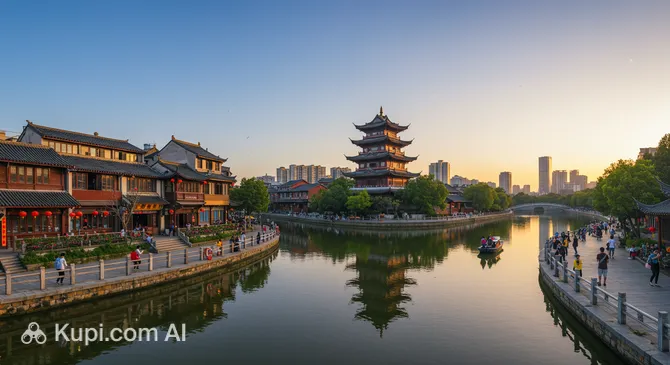
Shunde. Illustration.
Source: Kupi.com AI

With a population of about three million, Shunde is one of the key districts of Foshan. Despite its status as an important economic center known for its ceramic masters and furniture production, the city has retained its distinctive character. The rich history of Shunde is reflected in its architecture: ancient water villages and quiet canals peacefully coexist with modern art quarters and developed urban infrastructure.

The city's main claim to fame is its legendary cuisine. Shunde is officially recognized as the cradle of Cantonese culinary arts, and many foodies come here specifically to enjoy the local delicacies. Beyond gastronomic pleasures, the city charms with its well-kept parks and the sincere hospitality of its residents. It is an ideal destination for those who want to discover the country from a new perspective, enjoying the art of living and leisurely walks away from the bustle of giant megacities.

Weather Overview

The climate in Shunde is subtropical, which defines the typical weather conditions throughout the year. Expect hot, humid summers with frequent rain and mild, relatively dry winters. To choose the perfect time for your trip and pack the right wardrobe, we recommend checking what the Shunde weather will be like during your visit dates.

The summer season, lasting from June to September, is characterized by high temperatures and humidity. The average temperature during these months stays around 29°C, and in July, the thermometer often rises above 32°C. This is also the wettest period: in June and August, the number of rainy days can reach 25, so an umbrella will be your essential companion.

Winter here is very comfortable for walking, without extreme cold. In December and January, the average temperature is about 16°C, and nights rarely drop below 12°C. This is the driest time of year: there is practically no precipitation (0–1 mm), and the number of rainy days is minimal—from 3 to 5 per month. The transitional seasons are also pleasant: by May, the air warms up to 27°C, and October pleases with a mild warmth of around 25°C.

Average monthly temperature

Average monthly precipitation

Interesting Facts

Beyond its recognized status as a gastronomic capital, Shunde holds many fascinating secrets and cultural peculiarities. This city can surprise travelers not only with the taste of its dishes but also with the depth of its traditions, rooted in the history of Southern China.

  • Home of a Kung Fu Legend. Few know that the roots of the famous Bruce Lee lead directly to Shunde. Although the actor himself was born overseas, his ancestral home and a huge landscape park named after him are located here. This place has become a true pilgrimage center for martial arts fans wishing to pay their respects to the great master.

  • Culinary Metropolis. Shunde isn't called the cradle of Cantonese cuisine for nothing. The concentration of catering establishments here is staggering: there are over 30,000 restaurants open in the city. Local chefs are considered the elite of the culinary world and regularly win top prizes at national competitions.

  • "The Cantonese Venice." The ancient village of Fengjian, located within the city limits, allows for a journey back in time. The unique atmosphere of the old world is preserved here: tourists can take boat rides along narrow canals, passing under ancient stone bridges and traditional stilt houses where time seems to slow down.

  • The Legend of the Three Wonders. Residents proudly uphold the local legend of the "three treasures" of Shunde. It is believed that the unique character of the region is formed by three elements: phenomenally delicious food, picturesque water landscapes, and the masterful craftsmanship of furniture making, which is famous far beyond the province.

How to Get There

Thanks to its prime location in the Pearl River Delta, reaching Shunde is easy. It serves as an excellent starting point for exploring the region, allowing you to see authentic China with comfort. The city is surrounded by a developed transport network, including major international air hubs and high-speed highways. You can plan your route in advance and check out all the ways to reach the city to choose the most convenient option for your journey.

While Shunde itself does not have its own major airport, its proximity to other metropolises makes flying one of the most popular ways to reach the region. The most convenient gateway is Guangzhou Baiyun International Airport (IATA: CAN). It is one of the country's largest transport hubs, located approximately 65 km from the city. The journey by taxi or bus usually takes about 1.5–2 hours depending on traffic.

Another great option is Shenzhen Bao'an International Airport (IATA: SZX). It is 56 km from the destination, with a travel time of about an hour and a half. If you are looking for the closest option, consider Foshan Airport (IATA: FUO). It is located just 38 km from the center of Shunde, allowing you to reach the city in less than an hour, though the number of flights here may be fewer than at the international hubs.

For your convenience, here is a summary of the region's main airports:

AirportPassenger trafficDistance
Foshan Airport1.3 mln38 km
Shenzhen Bao'an International Airport61.5 mln56 km
Guangzhou Baiyun International Airport63.2 mln65 km
Macau International Airport7.6 mln79 km
Hong Kong International Airport58.4 mln85 km

Regarding rail travel, be sure to carefully check the arrival stations when planning. Some available routes may show Wuzhou Railway Station (KZZ). It is important to note that this station is quite far away—more than 200 km from Shunde. A car transfer from this station takes about 4–5 hours, so this route is only recommended for specific needs or if tickets to closer stations are unavailable.

StationPassenger trafficDistance
Wuzhou Railway Station224 km

Main Attractions

Shunde is not only a paradise for gourmets but also a place with a rich cultural heritage. The city carefully preserves the traditions of Southern China, offering tourists a chance to immerse themselves in an atmosphere of ancient architecture, scenic parks, and legendary stories. A walk through the local attractions will allow you to see a different side of this dynamic region.

Qinghui Garden is an absolute gem of the city and one of the four great gardens of Guangdong Province. This complex represents the standard of classical Lingnan architecture. The garden grounds are an exquisite labyrinth of pavilions, terraces, artificial rockeries, and ponds filled with koi carp. Tourists should visit this place for pure aesthetic pleasure: every corner is meticulously designed, creating a sense of harmony between man and nature right in the center of the urban area.

Shunfeng Mountain Park impresses with its scale and grandeur. The entrance to the park is marked by a giant stone arch (paifang), which is considered one of the largest in Asia and serves as a symbol of the district's prosperity. Inside the park lies a huge lake surrounded by green hills, with the ancient Qingyun Pagoda rising above. It is an ideal place for long walks or bike rides, picnics, and exploring the local flora away from the noise of the metropolis.

Bruce Lee Park attracts martial arts fans from all over the world. Located in a scenic ecological zone, the park combines natural beauty with a memorial complex. The main attraction is a majestic bronze statue of the legendary actor, standing about 18 meters tall. The onsite museum provides details about the star's life and his roots in Shunde, while the surrounding landscapes with lakes and a bird sanctuary make the visit pleasant even for those far from the world of kung fu.

Fengjian Water Town is often called the "Venice of Guangzhou." It is a living open-air museum where the layout of ancient Pearl River Delta settlements has been preserved. Tourists come here to ride traditional boats along narrow canals, walk across ancient stone bridges from the Ming and Qing dynasties, and witness the daily life of locals, which seems to have changed little over the last centuries. It is the best place to feel the spirit of old China.

Local Cuisine

Shunde cuisine is rightfully considered the cradle of Cantonese gastronomic traditions. For travelers, this means one thing: you have arrived in one of the most delicious places in all of China. Local chefs are famous for their perfectionism and ability to bring out the natural flavor of ingredients, so the food here is always incredibly fresh, and the tastes are clean and balanced.

The main star of the local table is freshwater fish, which is prepared here with great virtuosity. Be sure to try the famous Shunde fish balls: their texture is so delicate and springy that they literally melt in your mouth. Another gastronomic masterpiece is steamed fish with ginger and green onions. Chefs control the heat time down to the second to preserve juiciness. For soup lovers, the nutritious fish soup, brewed according to ancient family recipes for a rich aroma, will be a real discovery.

Desserts hold a special place in the city's culinary hierarchy. You cannot leave without trying the legendary Shunde milk pudding (often known as "double-skin milk"). This dish has a silky texture and is served both hot and cold. For drinks, locals prefer traditional Chinese tea (Pu-erh or Oolong), which perfectly complements rich dishes, or refreshing coconut milk-based drinks popular in the hot southern climate.

The food culture in Shunde permeates all spheres of life. Tourists can enjoy exquisite dishes in large restaurants or head to farmers' markets for authentic street food. At street stalls, you should order fried stuffed patties, steamed buns, and seafood noodles prepared right in front of you. If your trip falls in autumn, don't miss the vibrant gastronomy festival: at this time, the city turns into a huge fair with masterclasses and tastings where you can get acquainted with the full variety of local cuisine.

Travel Tips

Welcome to the gastronomic capital of the world! To ensure your journey through Shunde is as comfortable as possible and leaves only pleasant aftertastes, we have prepared a list of useful practical recommendations to help you feel confident in any situation.

  1. Clothing and Seasonality. The climate here is humid and warm for most of the year. For a summer trip, choose clothing made of light natural fabrics (cotton, linen) that dry quickly. However, keep in mind that air conditioners in shopping centers and the metro run at full blast, so a light shirt or wrap should always be at hand. Be sure to bring comfortable shoes: you will be walking a lot in parks and historical districts.

  2. Transport and Navigation. Shunde is integrated into the transport network of Foshan and Guangzhou. It is most convenient to get around by metro (lines connect the cities) or taxi. To call a taxi, we strongly recommend using the DiDi app (the Chinese equivalent of Uber), which is built into the Alipay payment system. This will save you the trouble of explaining the address to the driver, as the destination can be selected on the map.

  3. Finance and Payment. Be prepared that international Visa and Mastercard cards are not accepted everywhere. China is a country where digital payments have triumphed. The most reliable way is to install Alipay or WeChat apps in advance and link your bank card to them (this is now available for foreign tourists). Cash Yuan are accepted, but vendors may not have change. Tipping in restaurants and taxis is not customary.

  4. Health and Water. Tap water in the city is not suitable for drinking without boiling—buy bottled water in supermarkets. Pharmacies are easy to recognize by the green cross sign; many basic medicines are available without a prescription, but names will be in characters, so use a photo translator. The safety level in Shunde is high; you can walk safely in the evening, but keep an eye on your bags in crowded tourist spots.

  5. Communication and Internet. English is not widely spoken here, even in the service sector. Your main assistants will be translator apps with voice input and photo translation functions (indispensable for menus!). To access familiar messengers and maps (Google, WhatsApp, Instagram), you will need a pre-installed VPN or connected roaming, as many Western services are blocked.

  6. Local Etiquette. In Shunde, as in all of Guangdong, there is a cult of food. It is common to order many dishes for the whole table to share. If someone pours you tea, tap two fingers on the table—this is a traditional gesture of thanks (the "tea bow"). Never stick chopsticks vertically into rice—this is associated with funeral rites.

  7. What to Avoid. The main rule is not to "lose face." Avoid loud arguments, shouting, and public displays of anger, even if a problem arises. Aggressive behavior won't help solve the issue but will only cause locals to close off and distance themselves. A smile and calm persistence work much more effectively.

  8. Tip for Gourmets. Since Shunde is a popular gastro-tourism destination, famous restaurants (especially those marked by guides) often have huge queues. A local lifehack: arrive either exactly at opening time (usually 11:00 for lunch and 17:00 for dinner) or book a table in advance through your hotel. Remember that many establishments close for a break from 14:00 to 17:00.

By following these simple tips, you can avoid everyday hassles and focus entirely on exploring Shunde's rich culture and incredible cuisine. We wish you a smooth journey and bright impressions!

Entertainment & Nightlife

Shunde's nightlife is a surprising mix of bright lights from modern quarters, the relaxed atmosphere of riverside bars, and, of course, an endless gastronomic celebration. Unlike neighboring bustling Guangzhou, the evening leisure here is more paced but by no means boring. Locals love spending time out, so as darkness falls, the city fills with life, music, and the aromas of food.

The main point of attraction for evening entertainment seekers is the Shunde OCT Harbour Plus complex. This is a massive shopping and entertainment district that feels like a city within a city and looks especially spectacular under night illumination. The focal point of the quarter is a huge Ferris wheel offering panoramic views of the city lights. Here, you'll find stylish lounge bars, restaurants with open terraces, and venues where live music is often played. The crowd is diverse, ranging from fashionable youth to couples enjoying a late dinner.

For those looking for a more creative and informal atmosphere, Ronggui Fisherman's Wharf is the ideal spot. A former cargo zone on the riverbank has been transformed into a popular loft district. The walls of old warehouses are now decorated with vibrant graffiti, while inside, craft bars, cozy pubs, and small clubs have opened. It’s a great place for walks along the promenade, where you can feel the fresh river breeze before grabbing a cocktail at a venue with a water view. The dress code in most places is casual.

An integral part of the night in Shunde is the tradition of "ye cha" (late-night tea with snacks). In the Daliang district, life bustles on Huagai Road pedestrian street and its surrounding alleys. This is not a classic clubbing district but rather a zone of night markets and eateries that stay open well past midnight. Tourists come here for the local flavor, souvenir shopping, and street food tastings under the light of hundreds of lanterns.

During the day, the city offers a more cultural leisure format. Fans of modern architecture and art should visit the He Art Museum (HEM)—an impressive spiral building designed by the famous architect Tadao Ando. The Shunde Grand Theatre is also popular, regularly hosting concerts and performances. For family holidays, numerous theme parks and water attractions operate during daylight hours.

Practical Tips: Shunde is a very safe city, and night walks are comfortable even for solo travelers. However, keep in mind that public transport ends its service quite early. The most reliable way to get home at night is to call a taxi via the DiDi app. Entertainment prices here are moderate: the average bill in a bar will be lower than in Guangzhou or Shenzhen. The main fun in venues starts after 21:00 and continues until 2–3 AM.

Parks & Museums

Shunde surprisingly combines the dynamism of an industrial center with the serenity of traditional Chinese gardens. For tourists tired of the city bustle, the city offers magnificent green oases and cultural spaces where you can not only relax your soul but also dive deep into the history of the Lingnan region. Parks here are not just places with trees, but true works of landscape art, while museums impress with their combination of ancient artifacts and cutting-edge architecture.

Qinghui Garden is a place that cannot be ignored, even if you've already heard of it. As one of the four great gardens of Guangdong Province, it represents the pinnacle of Ming and Qing dynasty gardening art. Every element here matters: the winding paths are designed to visually expand the space, while pavilions with "Manchuria" stained-glass windows create a whimsical play of light. It is an ideal location for meditative rest: the sound of water in ponds with lotuses and golden carp drowns out the city noise, creating an atmosphere of complete isolation from the outside world.

For fans of long walks and active recreation, Shunfeng Mountain Park will be a real discovery. This is a massive green zone dominated by a majestic stone arch—one of the largest of its kind in Asia. The park is laid out around a picturesque lake, along which kilometers of well-maintained cycling and walking paths run. It's worth coming here to see locals practicing traditional dances or to climb to the ancient pagoda on the hill, which offers a breathtaking panorama of the modern city and mountain ranges.

You should start your cultural program at the Shunde Museum. Unlike many local history museums, this complex is designed with great love for detail and interactivity. The exhibition is divided into several thematic zones telling the story of the region's development: from ancient archaeological finds to the history of the famous furniture industry. Of particular interest is the hall dedicated to Cantonese opera and dragon boat racing traditions—two pillars of local intangible culture. This place provides the key to understanding the mentality of Shunde residents.

A completely different experience is offered by the He Art Museum (HEM). This is a private gallery designed by Pritzker Prize winner Tadao Ando. The building itself is an exhibit: its unique spiral staircase, resembling a double DNA helix, and the use of natural light create an incredible visual effect. Inside, collections of modern Chinese and international art are displayed, along with classical ink painting. This space is a must-visit for anyone interested in modern architecture and the art scene.

Speaking of historical heritage, one cannot fail to mention Bruce Lee’s Ancestral Home in the Jun'an district. This modest but atmospheric building is made of traditional gray brick in the typical rural architectural style of the Pearl River Delta. The interior recreates the lifestyle of the early 20th century, allowing you to see the conditions in which the ancestors of the legendary martial arts master lived and to feel the spirit of a bygone era.

Insider Tip: If you want to see the real life of the city, come to any major park (like Shunfeng Mountain) exactly at 7 AM. At this time, green zones fill with hundreds of locals of all ages practicing Tai Chi, playing badminton, or doing sword dances. This sight is energizing and allows you to see China as it is—vibrant, active, and true to its traditions.

Getting Around

The transport system in Shunde is modern, efficient, and deeply integrated into the overall network of the Foshan-Guangzhou metropolitan area. For a tourist, this means the ability to move comfortably and quickly between attractions, restaurants, and shopping centers without logistical difficulties.

The most convenient mode of transport is the metro. Foshan Metro lines (specifically Line 3) and an extension of the Guangzhou Metro (Line 7) pass through the district. This is ideal for long-distance travel: the trains are clean, equipped with powerful air conditioning, and station navigation and voice announcements are duplicated in English. The metro operates from early morning until 23:00–23:30.

The bus network complements the metro perfectly, covering parts of the city where rails don't reach. Buses in Shunde are new and comfortable. Boarding is through the front door, and exiting is through the back. The fare is usually fixed (most often 2 RMB), but on long routes, it may depend on the distance. We recommend tracking your route on a navigator, as it can be difficult to visually identify the right stop.

The payment system is highly digitalized. The easiest way for a tourist is to use Yang Cheng Tong or Guangfo Tong transport cards. These are sold in convenience stores (like 7-Eleven) and metro ticket offices. These cards are universal: they can be used for metro and bus fares in both Shunde and neighboring Guangzhou. Simply tap the card against the validator when entering (and when exiting the metro).

If you have mastered Chinese payment systems, an even more convenient option is using the Alipay or WeChat apps. Inside them, you need to activate the "Transport" or "Ride Code" section to get a QR code for scanning at turnstiles and on buses. Cash payment is possible but inconvenient: in the metro, you'll have to buy single-ride tokens from a machine, and on the bus, you'll have to drop money into a box next to the driver. It is important to remember that buses do not give change, so you must have the exact amount in small denominations.

For door-to-door trips, taxis and ride-hailing apps are indispensable. You can hail a car on the street, but the language barrier might be an issue. It is much more reliable to use the DiDi app (available within Alipay in English). This allows you to see the trip cost in advance and eliminates the need to explain the address to the driver. Taxi prices are quite affordable compared to Western countries.

For short distances, bike sharing is an excellent alternative. On the sidewalks, you will see many blue, yellow, and green bikes from sharing services. You can rent them by scanning a QR code in the app. This is a wonderful way to get from a metro station to a park or restaurant while enjoying the city views.

Accommodation

The choice of accommodation in Shunde will pleasantly surprise travelers with its variety and affordable prices. Unlike neighboring metropolises like Guangzhou and Shenzhen, the cost of living here is noticeably lower, while the level of service remains high. The city offers a wide range of options: from luxury five-star international chain hotels to cozy traditional-style inns and budget apartments.

When choosing a location, it is important to consider the purpose of your trip, as the city districts have specific characteristics:

  • Daliang District. This is the historical and cultural heart of the city, the best choice for a classic tourist. Staying here puts you within walking distance of Qinghui Garden, Huagai Road pedestrian street, and many legendary restaurants. It’s perfect for those wanting to immerse themselves in the old city atmosphere and enjoy gastronomic tours without long commutes.

  • Shunde New City. A modern business center located south of old Daliang. This is where you'll find skyscrapers, exhibition centers, an opera house, and scenic riverside parks. The newest and most fashionable international brand hotels are concentrated here, suitable for lovers of high-class comfort and panoramic views.

  • Lecong District. If the main goal of your visit is business or furniture shopping, look for accommodation here. Lecong is known as the "Furniture Capital," and local hotels cater to business travelers, often offering shuttles to shopping centers. however, you will need to take a taxi to reach the main tourist attractions.

Price Ranges and Categories:

  • Budget Segment (150–300 RMB): Clean and functional economy-class chain hotels (e.g., Home Inn or 7 Days Inn). Rooms are usually compact but equipped with everything necessary for an overnight stay.
  • Mid-Range (350–600 RMB): Quality business hotels and boutique hotels. You can expect spacious rooms, a good breakfast (often featuring local delicacies), and helpful staff to assist with leisure arrangements.
  • Luxury (from 700 RMB and up): Representatives of global chains (Marriott, Sheraton, etc.) and top Chinese hotels. The level of service meets international standards, often featuring swimming pools, spas, and restaurants with views.

Booking Tips:

When planning a trip to China, it is best to book accommodation in advance through major international aggregators or Chinese platforms (Ctrip/Trip.com). Pay special attention to the dates of the Canton Fair in neighboring Guangzhou (usually April and October). During this period, hotel prices in Shunde can increase 1.5–2 times, and the best rooms sell out quickly, as many exhibitors prefer staying here for the calmer atmosphere and delicious food.

Also, be prepared that most hotels will ask for a deposit upon check-in (in cash or by blocking an amount on your card), which is returned upon checkout. Always have your passport with you: registering foreigners is a mandatory procedure that may take some time at the reception desk.

Nearby Cities

For those who want to explore the surroundings, Shunde serves as an excellent starting point for day trips to several interesting nearby locations:

Just a few dozen kilometers away is Foshan (central districts). Although Shunde is administratively part of it, a trip to the historical city center (Chancheng) will offer a completely different experience. Here you'll find the famous Ancestral Temple (Zumiao), where kung fu performances and lion dances are regularly held. This place is considered the spiritual heart of the region and the home of legendary martial arts masters like Wong Fei-hung.

Very close by is Guangzhou—the provincial capital and one of the world's largest metropolises. It’s worth heading there to see the contrast between ancient temples and the futuristic skyscrapers of the Zhujiang New Town district, including the famous Canton Tower. Guangzhou also offers excellent shopping and walks on the colonial Shamian Island.

Lovers of a more relaxed pace will enjoy Zhongshan. Named after the "father of the nation" Sun Yat-sen, this city is famous for its green streets and unique architecture. Sunwen West Road pedestrian street, with its qilou-style houses (buildings with arcades), is a wonderful place for leisurely strolls and getting to know the local culture.

CityPopulationDistance
Shiqiao29 05018 km
Nansha1 800 00024 km
Shiwan12 94227 km
Nanhai2 600 00029 km
Lianhuashan29 km

These nearby destinations provide insight into the diverse culture and landscapes of the region, complementing the gastronomic experiences of Shunde with historical and architectural discoveries.

Shopping & Souvenirs

Shopping in Shunde is a fascinating immersion into local culture, where modern shopping centers sit alongside colorful historical streets. The city is not a typical fashion capital, but it is famous throughout China for its unique crafts and specialized goods. People come here not so much for luxury brands, but for authentic products: from exquisite silk to gastronomic souvenirs and world-class furniture.

The main shopping artery for tourists is Huagai Road Pedestrian Street in the Daliang district. This is not just a place for shopping, but a real open-air architectural museum: the street is lined with old "qilou" style buildings featuring covered arcade galleries that protect from sun and rain. Here you can stroll leisurely, browsing shop windows with clothes, accessories, and souvenirs. The numerous shops selling traditional desserts add a special charm, allowing you to combine shopping with tasting local treats.

For those who prefer modern, comfortable shopping, head to O’Plaza—a large shopping and entertainment complex that is part of the OCT Harbour Plus district. This is a high-level mall featuring popular international and Chinese brands of clothing, electronics, and cosmetics. The building boasts a stylish design and well-thought-out navigation. In addition to shops, there are many restaurants and relaxation areas, making it a great place to escape the heat and spend time with family.

Shunde is known as the "furniture capital of the world," and the epicenter of this fame is the Lecong Furniture Market (Lecong Furniture City). This is a giant trading cluster stretching for several kilometers, featuring thousands of showrooms with interior items for every taste and budget. Even if you don't plan on buying large items, it's worth visiting for its impressive scale. Another unique market is Chencun Flower World, where you can admire the art of bonsai and buy seeds of rare plants.

You should definitely bring back gastronomic gifts that the region is proud of. The most famous local souvenir is the crispy "Beng Sha" biscuit, shaped like a butterfly; the best traditional versions are found in the old bakeries of the Daliang district. For those seeking exclusivity, look for items made of Xiangyunsha—a unique "fragrant cloud silk." This fabric, hand-dyed using natural plant juices and river silt, is produced only in this region and is considered a precious gift.

Major shopping centers and shops on tourist streets usually operate from 10:00 to 22:00 every day. Small private shops may close a bit earlier. Be prepared that China is a country of digital payments. The primary method of payment is via the Alipay and WeChat Pay mobile apps, which are accepted even by small street vendors. Cash is used less and less, and change might not be available, while international cards are mostly accepted only in large malls.

The country has a Tax Refund system for foreign tourists for purchases over 500 RMB. However, in Shunde, the number of shops participating in this program may be limited compared to metropolises like Beijing or Shanghai. If you plan on making major purchases in brand stores, look for special "Tax Free Shopping" signs at checkouts or ask staff in advance about the possibility of a refund.
Reached the end of the page?

That means the route is fully explored