Support

Fiskeri- og Søfartsmuseet

About

The Fisheries and Maritime Museum is one of the most significant themed centers in Denmark, entirely dedicated to the unbreakable bond between man and sea. Located in the picturesque city of Esbjerg on the rugged west coast, it is a must-visit for anyone wishing to experience the region's maritime history.
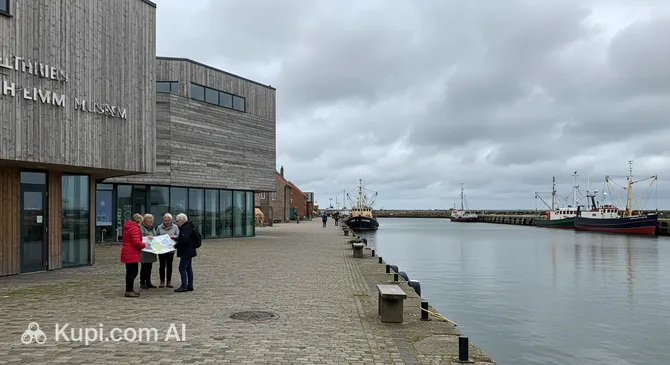
Fisheries and Maritime Museum
Fisheries and Maritime Museum. Иллюстрация. Источник: Kupi.com AI

This large-scale complex combines features of a classic history museum, a modern aquarium, and a scientific education center. It features exhibitions covering the thousand-year history of Danish fishing, the evolution of seafaring, and the unique North Sea ecosystem.

Visitors can expect not only static displays of artifacts but also live encounters with deep-sea inhabitants, including the famous "sealarium." The museum masterfully combines its educational function with engaging leisure, offering interactive exhibits and collections of vintage vessels in its open-air area.

Contacts

To plan your visit to this amazing center of maritime culture, it is advisable to check the official details and contact methods in advance. You can always check information about special events or book a group tour by contacting the museum staff directly.

Below is the detailed contact information for reaching the administration and for navigation.

How to contactContact
AddressTarphagevej 2, 6710 Esbjerg V, Denmark
Phone+45 76 12 20 00
Websitewww.fimus.dk

What to Do

The main magnet for visitors to the museum is undoubtedly the sealarium. Watching these graceful marine mammals is a great pleasure, and the public feedings, which traditionally take place at 11:00 and 14:30, turn into a real show loved by both children and adults.

In the aquarium section, you can peek into the depths of the North Sea. Here, behind the glass of huge tanks, halibut, cod, rays, and even mysterious moray eels slowly swim by. Interactive zones allow you not just to look, but also to learn fascinating facts about the biology of these creatures and the ecology of the coast.

Tech and history enthusiasts should head to the outdoor area, where authentic wooden ships and fishing vessels from past eras are displayed. You can literally step on board history, peek into a bunker from the Second World War, or explore an exhibition dedicated to the offshore industry — oil and gas extraction in the open sea.

Ideal conditions have been created for little explorers at the museum: there is a large playground where they can learn the basics of maritime affairs through play. It is also worth paying attention to the exhibitions about seabirds and the unique Wadden Sea nature reserve, which is under UNESCO protection.

Getting There

The Fisheries and Maritime Museum is located at Tarphagevej 2, in the northwestern part of the city, right by the coast. If you are staying in the center of Esbjerg, the journey to the museum is about 2–3 kilometers, which can be pleasantly covered on foot while enjoying the views of the port city.

For those who prefer comfort, a taxi is an excellent option, taking you from the central station in literally 5–10 minutes. The city also has a well-developed public transport network: regular bus routes connect the center with the museum area, and stops are within walking distance of the main entrance.

If you are traveling through Denmark by car, getting to the site is easy — there is a spacious free parking area on the premises. Road signs in the city will help you quickly find your way and the correct turn to the coast.

Ближайший город: Esbjerg

History & Facts

The history of this unique place began during the years of the Second World War. In 1941, journalist Hakon Mielche proposed the idea of creating a museum that could preserve the region's rich maritime heritage. However, the real implementation of the project began only two decades later, when a special committee was formed in the city in 1962.

The official opening of the museum took place in 1968. From the very beginning, the exhibition focused not only on historical artifacts but also on wildlife: the first aquarium opened alongside the fishing gear displays. A landmark event was the addition of the sealarium in 1976, which immediately made the museum a popular destination for family outings.

At the turn of the century, the museum underwent a large-scale modernization. In 1999, a modern five-story building with an area of about 2,000 square meters was erected. This allowed for a significant expansion of the exhibition halls and the creation of a modern library and archive, turning the museum into one of the country's most important research centers.

In recent years, the museum has continued to develop, updating its exhibitions according to modern standards. For instance, in 2013, the sealarium was completely rebuilt to provide the animals with conditions as close to their natural habitat as possible, while offering visitors a better view for observing these charming marine inhabitants.

Time Needed

To fully enjoy all the exhibitions and not miss the highlights, you should set aside at least 2–3 hours for the visit. This time will allow you to explore both the indoor halls with historical vessels and the open-air grounds at a leisurely pace.

If you plan to attend a seal feeding or carefully study the lives of North Sea inhabitants in the aquariums, your visit might extend to half a day. Also, consider time for relaxation and visiting the interactive zones, which are particularly engaging for young travelers.

Working Hours

The museum is open to guests throughout the week, providing convenient access to exhibitions on both weekdays and weekends. The standard operating hours are as follows:

  • Monday — Sunday: 10:00 – 17:00

Please keep in mind that during the summer season, the museum's opening hours may be extended, while in winter months, the schedule sometimes becomes shorter. To ensure your visit goes perfectly, it is recommended to check the current schedule on the official website before your trip, especially if you plan to visit special exhibitions or events.

10:00 – 17:00

Nearby

A visit to the maritime museum is only part of what this hospitable region has to offer. Surrounded by numerous historical monuments and interesting locations, it provides a deeper understanding of the culture and history of coastal Denmark.

Exploring the surroundings will allow you to see more than just modern port landscapes; you can also honor the memory of past heroes and enjoy the cozy atmosphere of local cafes and restaurants. Here is a list of nearby sites that might interest you:

NameDistance
Sædding Beach0.7 km
Granly Hockey Arena1.8 km
Dyrehaven1.9 km
Vognsbøl Park2.1 km
Café Danmark2.8 km
Dronning Louise3.7 km
King George3.7 km

Reached the end of the page?

That means the route is fully explored