Support

Aga Khan Mausoleum

About

Perched atop a sandy hill overlooking the mirror-like waters of the Nile, the Mausoleum of the Aga Khan is one of the most elegant and romantic structures in the city of Aswan. This majestic building, crafted from pink granite and white marble, serves as the final resting place of Sultan Mahommed Shah Aga Khan III, the leader of the Ismaili community, who fell so deeply in love with Egypt that he wished to remain here forever.
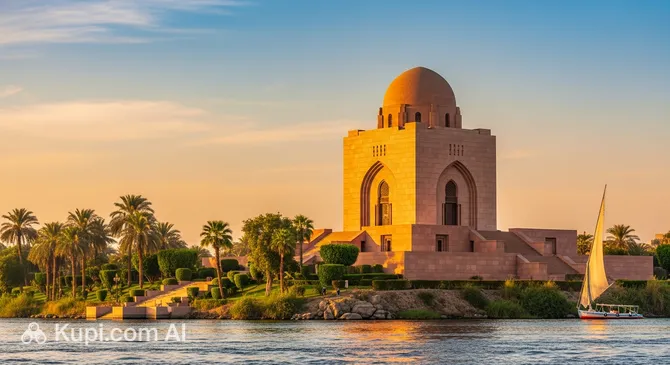
Aga Khan Mausoleum
Aga Khan Mausoleum. Иллюстрация. Источник: Kupi.com AI

The architecture of the mausoleum is executed in a strict Islamic style inspired by the Fatimid era. The snow-white dome and graceful turrets at the corners give the building a sense of lightness, while the interior impresses with its noble tranquility. In the center of the hall lies the sarcophagus, adorned with exquisite carvings and verses from the Quran.

One of the most famous features of this site is the red rose tradition. Every day, a fresh flower is placed in a silver vase at the head of the sarcophagus—a symbol of the Aga Khan's wife's eternal love for her husband. This place attracts travelers not only for its history but also for the atmosphere of peace that reigns here, away from the city noise.

Contacts

For the most up-to-date information on visiting rules and potential schedule changes, you can use the following contact details:

How to contactContact
Address3VQH+7GV, Sheyakhah Oula, Aswan, Aswan Governorate 1231020, Египет
Phone+20 11 53004525

What to Do

The primary impression of visiting the mausoleum begins even as you approach it. The ascent up the granite staircase gradually reveals a panorama of the Nile, where blue waters contrast beautifully with the golden desert sands. Once inside, visitors can appreciate the craftsmanship of Islamic architects: fine marble carvings and the majestic vaults of the dome create a sense of sublime silence.

Be sure to notice the silver vase with a rose—this living symbol of fidelity makes a visit to the mausoleum feel particularly personal and moving. The terraces surrounding the building offer some of the best views of Elephantine Island and the historic Old Cataract Hotel, where Agatha Christie once stayed.

Many tourists prefer to admire the mausoleum from the water during a felucca ride. In the rays of the setting sun, the building takes on a soft pink hue, making it a perfect subject for artistic photography. Combining a visit to the mausoleum with a tour of the Nubian villages on the west bank will allow you to dive deeper into the culture of this region.

Getting There

Getting to this secluded spot is a mini-adventure in itself, steeped in the atmosphere of the ancient river. The mausoleum is located on the west bank of the Nile, directly across from the famous Elephantine Island. The most popular and scenic way to reach it is by hiring a traditional Egyptian felucca or taking a motorboat from the city's promenade. Crossing the river offers magnificent views of the coastal dunes and historical buildings.

Once you disembark on the west bank, the path to the mausoleum passes by the Villa Nur el-Salam. From there, a special road and a long staircase made of pink Aswan granite lead up the hill. The climb is not overly difficult but requires some physical effort, rewarding travelers with an opening panorama.

If you are in more distant parts of the city, it is most convenient to take a taxi to the central pier and then use water transport. Navigation in this area is simple, and any local boatman knows the way to the "Aga Khan's Villa."

Ближайший город: Aswan

History & Facts

The history of this site is inextricably linked to a deep sense of gratitude and love for Aswan. Sultan Mahommed Shah Aga Khan III, the 48th Imam of the Ismailis, first came to this region on medical advice to treat his arthritis. It is believed that Aswan's dry, warm climate and the healing sands of the Nile helped restore his health. In gratitude, he requested a plot of land from President Gamal Abdel Nasser to build a winter residence and his future mausoleum.

Construction was completed in the 1950s, and following the Sultan's death in 1957, he found his eternal rest here. The building's architecture was inspired by the classic Fatimid-era tombs in Cairo, emphasizing a spiritual connection to Islamic history. The elegant dome and the use of light granite make the building visible from afar, turning it into a true landmark on the west bank.

A touching detail of its history is the role of the Sultan's wife, Begum Om Habibeh (Mata Salamat). After her husband's death, every day she was in Aswan, she would place a fresh red rose on his tomb. Following her death in 2000, the tradition has been upheld: gardeners continue to replace the flower in the silver vase daily, serving as a symbol of eternal devotion and love.

Time Needed

To leisurely explore the mausoleum and enjoy the surrounding views, 30 to 60 minutes is usually sufficient. This is enough time to climb the stairs, examine the architectural details from the outside, and pay your respects to the Sultan inside.

If you plan to combine your visit with a full boat trip on the Nile or a visit to the neighboring villa and a walk along the shore, it is better to set aside about 1.5–2 hours. The best time to visit is early morning, when it is not yet too hot and the light emphasizes the whiteness of the marble.

Working Hours

The Mausoleum of the Aga Khan is open to visitors daily. The standard schedule provides for visits during daylight hours: from 06:00 to 17:00. This allows guests to catch both the soft morning light and the pre-sunset hours.

As the schedule may change depending on religious holidays or internal community events, it is recommended to confirm the information on-site or check current details on official tourism portals before your trip.

06:00–17:00

Nearby

The west bank of the Nile and the nearby islands hold many treasures to explore after visiting the mausoleum. The surroundings of Aswan offer a unique blend of ancient Egyptian monuments, Nubian settlements, and natural beauty.

Here is a list of interesting places located nearby:

NameDistance
Aswan Botanical Garden1 km
King Jamaica Restaurant & Cafe1.2 km
Moonlight Terrace Restaurant & Cafe1.3 km
Nubian Museum1.4 km
Tomb of Abu al-Hawa1.8 km
Nasser Sporting Center1.9 km
Tombs of the Nobles (Aswan)2 km

Reached the end of the page?

That means the route is fully explored