Support

Mortuary Temple of Seti I

About

Tucked away from the bustling tourist trails of the West Bank in Luxor, the Mortuary Temple of Seti I stands as a remarkable testament to the craftsmanship of ancient Egypt's master builders. Dedicated to one of the greatest pharaohs of the New Kingdom, this architectural ensemble combines a religious sanctuary with a funerary site, making it a unique landmark within the Theban Necropolis.
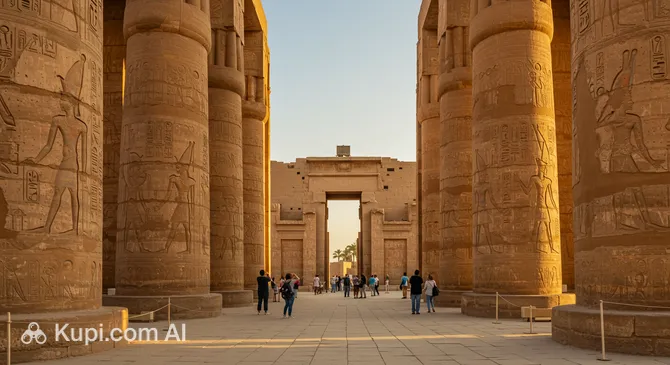
Mortuary Temple of Seti I
Mortuary Temple of Seti I. Иллюстрация. Источник: Kupi.com AI

The complex is striking with its three-level structure and magnificent hypostyle halls, where massive columns adorned with intricate carvings rise high. The temple walls serve as a stone chronicle, featuring detailed reliefs depicting offerings to the gods Amon, Osiris, and Isis, as well as significant historical events from the reign of Seti I.

For the traveler, this temple is primarily an opportunity to witness authentic ancient art in a serene, almost mystical setting. Unlike the vast Karnak complex, it retains an intimate sense of connection to history, and its well-preserved artistic details make it a must-see for admirers of Egyptian aesthetics.

Contacts

For those who prefer to plan their itinerary down to the smallest detail, the official address details for the site are provided below.

How to contactContact
AddressPJMH+377, Naga Al Taref Inside Rd, Al Qarnah, Al Qarna, Luxor Governorate 1341767, Egypt

What to Do

Visiting this site is, above all, a visual and spiritual journey. Focus your attention on the hypostyle halls: look up to appreciate the scale of the columns reaching many meters high, and spot the remnants of vibrant colors on the capitals. Exploring the reliefs on the walls becomes a real quest—you can find depictions of sacred barques, ritual processions, and scenes of the pharaoh interacting with deities.

For photography enthusiasts, the Mortuary Temple of Seti I offers a stunning interplay of light and shadow. The best time to visit is early morning or the hours before sunset, when the soft sunlight highlights the depth of the ancient carvings and creates a solemn atmosphere. Thanks to the lack of large crowds, you can capture unique shots without strangers in the frame.

Don't forget to look into the small shrines deep within the complex—this is where the most delicate and exquisite artwork is often hidden. It is an ideal spot for those wishing to reflect on eternity in silence or simply enjoy a quiet walk among the ruins, far from the hustle and bustle of the modern city.

Getting There

Reaching this secluded historical monument is easy if you are already in Luxor. While most tourist activity is concentrated on the East Bank of the Nile, the Mortuary Temple of Seti I is located on the West Bank. To get there, you will need to cross the river by ferry or a felucca boat—a pleasant mini-journey in itself (taking about 10–15 minutes)—and then hire a taxi or take a local minibus, which takes another 20 minutes.

For travelers who value comfort, the best option is to hire a car with a driver for the day or order a taxi via mobile apps. If you are coming directly from the airport, allow about 30–45 minutes for the journey. Many hotels also offer organized transfers, which saves you the trouble of negotiating prices with local drivers.

Independent explorers should head towards the Al Qarna district. The temple is situated slightly off the most popular tourist paths, so it is rarely crowded, making a trip by private transport or bicycle particularly enjoyable.

Ближайший город: Luxor

History & Facts

The Mortuary Temple of Seti I is a majestic monument of the New Kingdom era, erected in honor of one of the most powerful pharaohs of the 19th Dynasty. Construction began at the end of the 13th century BC, aiming to immortalize the name of Seti I and express deep reverence for the supreme god Amon. In those times, Thebes (modern Luxor) flourished, and this complex became a symbol of the state's stability and religious triumph.

Interestingly, the temple was not fully completed during the pharaoh's lifetime; the final touches were added by his son, the famous Ramesses II. This resulted in a curious blend of artistic styles: the refined, delicate reliefs from Seti I's time sit alongside the more massive and monumental works of his successor. The temple played a crucial role in the funerary cult, serving as a bridge between the world of the living and the realm of the dead.

Over millennia, desert sands and Nile floods have altered the site's appearance, but even today, the surviving colonnades and shrines allow archaeologists and historians to study the complex rituals of the ancient Egyptians. Excavations in this part of the Theban Necropolis continue to reveal new details about the construction techniques and social hierarchy of Egypt's ancient civilization.

Time Needed

To soak in the atmosphere of this place without rushing and to examine the surviving reliefs in detail, most visitors need about 1.5 to 2 hours. Unlike more famous sites, there are usually fewer people here, allowing you to move at your own pace and linger by particularly interesting columns.

If you are into professional photography or are deeply studying Egyptian hieroglyphics, your visit might take longer. In any case, by setting aside a couple of hours, you will have time to explore the halls and enjoy the silence in the shade of the ancient walls.

Working Hours

The temple's exact opening hours may change depending on the season and local holidays, so it is recommended to check for current information on the official website of Egypt's Ministry of Tourism and Antiquities or with your guide before your trip.

Generally, most archaeological zones in Luxor open early in the morning, around 6:00 AM, and welcome visitors until sunset (4:00 PM – 5:00 PM). An early visit will help you avoid the midday heat and enjoy the monument in its most flattering light.

Nearby

The West Bank of the Nile is a true treasure trove of antiquity, where a new architectural masterpiece waits around every corner. A stroll through the temple's surroundings will give you a complete picture of the grandeur of ancient Thebes and allow you to see monuments that have inspired travelers for centuries.

NameDistance
Imhotep Alabaster Mall0.4 km
Luxor Hot Air Balloon Ride0.9 km
Ramesseum1.8 km
Tombs of the Nobles1.9 km
Deir el-Bahari2.1 km
Colossi of Memnon2.2 km
Mortuary Temple of Hatshepsut2.3 km

Reached the end of the page?

That means the route is fully explored