Support

Ramesseum

About

This majestic structure, known as the Ramesseum, is the mortuary temple of Pharaoh Ramesses II. Located on the west bank of the Nile, where the famous Luxor is situated, this monument is considered one of the most magnificent achievements of ancient architecture for which Egypt is renowned. The temple, erected in the 13th century BC, served not only as a place of worship for the god Amun-Ra but also as a symbol of the eternal presence of the deified ruler among his people.
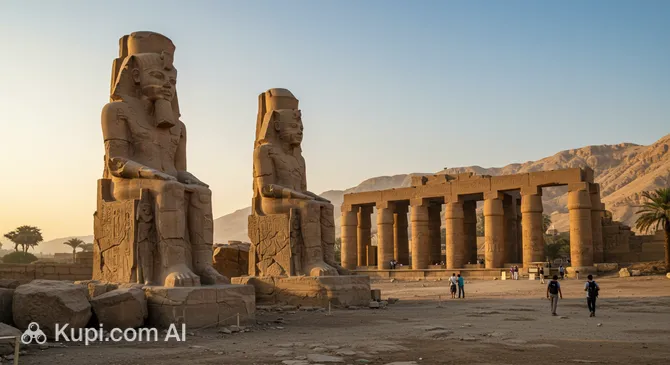
Ramesseum
Ramesseum. Иллюстрация. Источник: Kupi.com AI

The architectural ensemble is striking in its scale: massive pylons, spacious courtyards, and hypostyle halls with a forest of columns create an atmosphere of timeless power. Every wall here is covered with exquisite reliefs, and the remains of colossal statues allow one to imagine the former grandeur of the complex. The Ramesseum is not just ruins, but an open book of history, where the triumphs of the pharaoh and the foundations of the ancient Egyptians' worldview are carved in stone.

Today, this site is a must-visit for anyone who wants to touch the legacy of the New Kingdom. Researchers and travelers from all over the world come here to see the unique combination of engineering thought and artistic skill that has made this landmark one of the most recognizable in the region.

Contacts

To organize a visit to this archaeological complex, it is best to contact official tourist centers or excursion bureaus in the city.

How to contactContact
AddressEdfo, Luxor Governorate 1341711, Egypt

What to Do

Once on the grounds of the complex, the first thing to see are the fragments of the colossal statues of Ramesses II. Even partially destroyed, these giant granite figures that once guarded the entrance inspire awe with their size. A walk among the surviving columns of the main hall allows you to feel the scale of ancient Egyptian architecture and admire the papyrus-shaped capitals.

Be sure to dedicate time to studying the wall reliefs. They depict scenes from the famous Battle of Kadesh, religious processions, and offerings to the gods with striking detail. These images are not just decoration but an important historical document, allowing you to literally "read" the events of centuries past. The delicacy of the ancient masters' work is visible in every line of the hieroglyphic inscriptions decorating the pylons.

For photography enthusiasts, this place offers an endless number of subjects: the play of light and shadow between the columns, panoramic views of the Nile Valley, and the contrast of ancient sandstone against the blue sky. This space is perfect for thoughtful contemplation and immersion in the atmosphere of the New Kingdom era, allowing you to forget the hustle and bustle of the modern world for a while.

Getting There

The majestic monument is located on the west bank of the Nile, approximately 2 kilometers from the city center. The most comfortable and fastest way to get here is by taxi. A trip from the central districts will take only about 10–15 minutes. You can also arrange for the driver to wait or book a car through your hotel reception.

Many travelers prefer to visit the site as part of organized groups. Tour companies often include this location in comprehensive West Bank itineraries, combining it with the Valley of the Kings. Such packages usually include transfers, guide services, and entrance fees. If you prefer independence, you can rent a car with a driver for the entire day to explore all the nearby temples at your own pace at the address: Edfo, Luxor Governorate 1341711, Egypt.

Ближайший город: Luxor

History & Facts

The construction of this grand ensemble began around 1250 BC during the reign of Ramesses II—one of the most famous and powerful pharaohs of the New Kingdom. The temple was intended not just as a religious building, but as an eternal monument to the ruler's greatness, where priests were to maintain his cult after his death. The construction took many years, resulting in a complex with massive pylons and a forest of columns.

Interestingly, in ancient times, this place served more than just religious functions. It was a major economic and educational center. Surrounding the main sanctuary were extensive mud-brick granaries, workshops, and residential buildings where future scribes and priests were trained. These auxiliary structures, made of sun-dried brick, have partially survived to this day, providing an idea of the scale of the temple's economic activity.

Over the centuries, the building's fate was varied. During the Greco-Roman period, part of the premises was used for military purposes, and later, in the Middle Ages, fragments of its magnificent walls and columns were taken to build other structures. Nevertheless, the surviving hieroglyphic texts and masterfully executed bas-reliefs still serve as a priceless archive, telling stories of diplomacy, ancient events, and the daily life of ancient Egyptian society.

Time Needed

Typically, a standard introduction to the site and an inspection of the main architectural fragments requires about 2 to 3 hours. This time is quite sufficient to take a leisurely stroll among the columns and take spectacular photos against the backdrop of the ancient ruins.

If you are passionate about Egyptology and plan to examine every bas-relief in detail, study the inscriptions, or use the services of a professional guide, it is worth scheduling about 3–4 hours. Given the size of the complex and the abundance of small historical details, there is no need to rush here.

Working Hours

According to official data, access to the site is open daily and 24/7. This gives travelers a certain amount of flexibility when planning their itinerary; however, natural lighting should be taken into account.

To fully appreciate the delicacy of the reliefs and the scale of the architecture, it is best to visit during daylight hours. The optimal hours for a visit are considered early morning (from 6:00 to 8:00) or pre-sunset (after 16:00), when the sun creates soft shadows and the air temperature becomes most comfortable for long walks.

Круглосуточно

Nearby

Exploring the surroundings of the temple complex allows you to get a complete picture of the grandeur of ancient Thebes. Many unique sites are concentrated nearby, which are convenient to visit during a single trip to the West Bank.

NameDistance
Tombs of the Nobles0.3 km
Colossi of Memnon0.8 km
Deir el-Medina0.9 km
Luxor Hot Air Balloon Ride1 km
Deir el-Bahari1.1 km
Mortuary Temple of Hatshepsut1.2 km
Temple of Amun at Medinet Habu1.3 km

Reached the end of the page?

That means the route is fully explored