Support

Pharaonic Village

About

The Pharaonic Village is a unique living open-air museum located in Cairo on one of the islands of the majestic Nile. It is not just a theme park, but a real journey back in time, allowing visitors to immerse themselves in the atmosphere of Ancient Egypt and see what life was like more than 5,000 years ago. The park territory is completely isolated from the modern city by thousands of trees, creating a total illusion of moving into the era of the pharaohs.
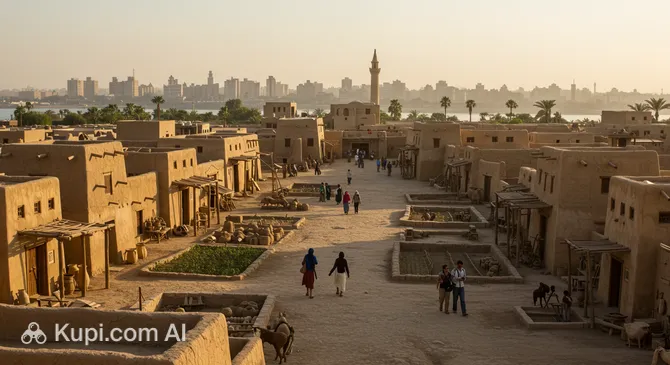
Pharaonic Village. Illustration.
Source: Kupi.com AI

Traveller photos:

The visit begins with a fascinating boat ride along canals, where scenes from the daily life of ancient Egyptians unfold. More than a hundred actors in authentic costumes demonstrate various crafts and activities: from farming and fishing to making papyrus and construction. You can watch craftsmen at work, see what the homes of poor and wealthy Egyptians looked like, and even witness the reconstruction of ancient rituals.

In addition to the live scenes, the village grounds house an exact replica of Tutankhamun's tomb, recreated according to the records of archaeologist Howard Carter, as well as several museums dedicated to different periods of Egyptian history. This cultural attraction is the perfect blend of education and entertainment, making it a great place to visit for the whole family, history buffs, and anyone who wants to learn about a great civilization in an interactive and engaging way.

Contacts

To plan your visit to the Pharaonic Village, it is recommended to check the current opening hours and program details on the official website in advance. All necessary contact information and the attraction's address are collected in the table for your convenience.

How to contactContact
Address3 Al Bahr Al Aazam, st, Al Giza, Giza Governorate 12519, Egypt
Phone+20 2 35718675
Websitewww.pharaonicvillage.com

What to Do

The main activity at the Pharaonic Village is a fascinating boat trip along the Nile canals, during which live scenes of daily life in Ancient Egypt unfold before visitors. You can watch actors in traditional costumes demonstrating how farmers tilled the land and harvested papyrus, and how artisans created pottery and other items. This immersion into history allows you to visualize what daily life was like thousands of years ago.

Beyond the boat ride, guests are invited to delve deeper into Egyptian culture and beliefs. In the village, you can learn about various Pharaonic rituals, their art, and lifestyle, including such an intriguing aspect as the mummification process. Ancient Egyptian statues are also displayed on the grounds, helping to better understand the worldview of that era. For those seeking a more tranquil experience, a relaxing cruise on the famous Nefertari yacht is available.

The Pharaonic Village in Cairo is perfect for a family visit, and will be especially interesting for children. Here, history is presented in a fun and engaging way, allowing young tourists and their parents to learn more about one of the world's greatest civilizations in an interactive format. It is not just an excursion, but a real adventure through time.

Getting There

The Pharaonic Village is located in the Giza district on an island in the Nile, making the journey there part of the adventure. The easiest and most comfortable way to reach this unique open-air museum is by taxi or popular ride-hailing services in Cairo, such as Uber and Careem. The trip from the city center usually takes 20 to 40 minutes, depending on traffic density. As it is a very well-known attraction, most drivers will find the way without difficulty.

For travelers who prefer public transport, the Cairo Metro is a good and budget-friendly option. The nearest station to the Pharaonic Village is Sakiat Mekki, located on the second (red) line. From the station, you can reach the entrance on foot in about 15-20 minutes or take a short taxi ride, which is more convenient, especially in hot weather. Trains run frequently, approximately every 10 minutes, making this a predictable way to travel.

You can also consider a more scenic route by water. A journey on a traditional felucca boat or a water taxi on the Nile allows you not only to avoid traffic jams but also to enjoy beautiful views of the banks of the great river. Some boats can dock directly at the entrance to the Pharaonic Village. However, tourists are advised to avoid using city buses unless they know Arabic and local routes, as the system can be quite confusing.

Nearest city: Cairo

History & Facts

The idea for creating the Pharaonic Village belongs to Egyptian scientist Dr. Hassan Ragab, who in the late 20th century was inspired by the dream of recreating a living picture of Ancient Egypt. His goal was not just to build a museum but to offer visitors a unique opportunity for total immersion in the life and culture of the Pharaonic era. This project was conceived as an educational and entertaining space, allowing a glimpse into the past to see the world of the ancient Egyptians with one's own eyes.

The construction of this grand park was a massive project, and it opened its doors to tourists in 1984, though some records suggest it was 1985. Notably, improvements to the village continued even after its opening. A unique location was chosen—a small island on the west bank of the Nile in the Giza area, near Cairo. This isolation from the modern metropolis helps create the most authentic atmosphere possible.

The main "highlight" of the Pharaonic Village is its realization as a fascinating journey into the past. For this, an entire team of actors was assembled, demonstrating the daily life of ancient Egyptians in accurately recreated costumes and sets. Here, you can see exact replicas of old houses, clothing, and household items, creating a complete sense of reality. The village continues to evolve today: a few years ago, new exhibits were added to the park, including an exact replica of Tutankhamun's tomb, making every visit unique in its own way.

Time Needed

To fully enjoy a visit to the Pharaonic Village, you should set aside at least 3-4 hours. This will be enough for a leisurely introduction to the main program, which includes a fascinating boat ride through the canals where scenes from the lives of ancient Egyptians are enacted. The water tour itself takes about an hour, but the impressions last much longer.

After the water portion, you will have the opportunity to explore the grounds on your own. It is recommended to allow extra time to visit several small museums located within the village, as well as to view the exact replica of Tutankhamun's tomb. Depending on the chosen program and your interest, the total visit time can range from one and a half to three and a half hours. To avoid rushing and get the most enjoyment, it is best to plan half a day for your visit to the Pharaonic Village.

Working Hours

The Pharaonic Village in Cairo welcomes guests year-round, making it accessible for a visit in any season. Standard opening hours are daily from 9:00 AM to 5:00 PM, although hours may be extended during the summer season. It is important to remember that the schedule may change, especially during national holidays or the holy month of Ramadan, when working hours are often shortened. It is highly recommended to check the current information on the attraction's official website before your trip to ensure your visit goes smoothly.

Tickets can generally be purchased directly at the ticket offices upon arrival. However, to avoid potential queues, especially during peak tourist season or on weekends, it makes sense to book them in advance online if such an option is available. Some tour operators also offer comprehensive packages that include transfers and an entrance ticket. Purchasing in advance will save you time and allow you to immediately begin your exciting journey into the world of Ancient Egypt.

9:00 – 20:00

Nearby

A visit to the Pharaonic Village is a wonderful way to begin your acquaintance with the rich history of Egypt. However, to make your trip to Cairo even more rewarding, it is worth exploring other treasures located nearby. The surroundings of this unique open-air museum are full of iconic sites that will help you gain a deeper understanding of the culture and heritage of the Egyptian capital.

From majestic museums to ancient citadels, each of the nearby attractions offers its own unique perspective on the city's centuries-old history. Below is a list of interesting places located near the Pharaonic Village, along with the approximate distance to them.

NameDistance
National Museum of Egyptian Civilization3.4 km
Manial Palace3.8 km
Nile Plaza Hotel4.5 km
Ibn Tulun Mosque4.8 km
Cairo Citadel5.5 km
Cairo Tower5.5 km
Talaat Harb Square6 km

Reached the bottom of the page?

Looks like you know this route inside out