Support

Bottrop

About

Bottrop is a city with a distinct character, conveniently located in the heart of the industrial Ruhr region in western Germany. Situated between major cities like Essen, Duisburg, and Gelsenkirchen, it serves as an excellent base for exploring this culturally rich and event-filled region. The city lies on the northern bank of the Ruhr River, offering guests a harmonious blend of industrial heritage and scenic natural spots.

With a population of about 117,000 people, Bottrop maintains a friendly and welcoming atmosphere where everyone can find something to their liking. Despite its size, it holds independent administrative status and takes pride in its unique history. The main vibe of Bottrop is one of tranquility mixed with a spirit of discovery, providing plenty of opportunities for active recreation and cultural experiences away from the bustle of major metropolises.
Bottrop. Illustration.
Source: Kupi.com AI

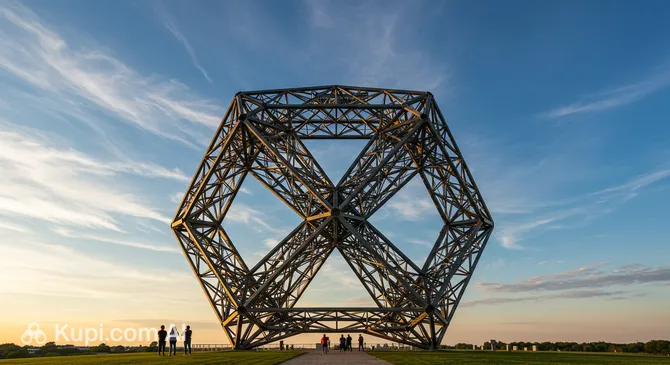
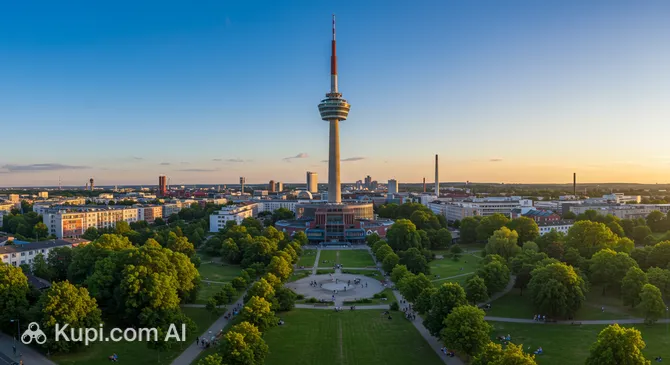
Among the main attractions drawing tourists to Bottrop is the legendary Movie Park Germany — the country's largest film-themed park, promising unforgettable adventures for the whole family. Additionally, the city is famous for its green parks, perfect for walks and relaxation, as well as unusual architectural objects reflecting its industrial past and modern development. One such iconic site is the Tetraeder – an impressive steel structure atop a slag heap, offering panoramic views of the Ruhr area.

If you are looking for a place to combine a relaxing holiday with vivid impressions and new discoveries, Bottrop is an excellent choice. This city knows how to surprise, inspire, and bring joy to every guest, inviting you to immerse yourself in its unique atmosphere.

You can find more interesting facts on the history of Bottrop page
Weather Overview

The weather in Bottrop is moderate in character. In summer, especially during the warmest months of July and August, the average temperature is about 19°C, while maximum values can rise to 23-24°C. During the summer period, precipitation falls an average of 12-14 days per month. Winters in Bottrop are cool: in January, the average temperature stays around 4°C. The winter months are also quite wet, with up to 18 days of precipitation, especially in December and January. Overall, Bottrop typically sees warm summers with occasional rain and cool, wet winters. You will find more detailed information about the climatic conditions on the Bottrop Climate page.

Average monthly temperature

Average monthly precipitation

Interesting Facts

Bottrop, a city with a rich industrial past and a vibrant present, hides many surprising details that offer a new perspective for travelers planning a trip to Germany.

Alpincenter Bottrop. Illustration.
Source: Kupi.com AI

Traveler photos:

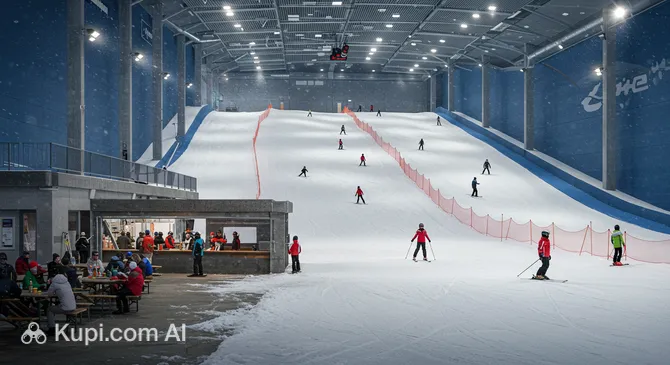
  • Few expect to find a full-fledged ski resort in the heart of the Ruhr area, but Bottrop is home to the Alpincenter Bottrop. This impressive facility boasts one of the longest indoor ski runs in the world, offering year-round skiing and snowboarding.

  • A symbol of the region's structural transformation, the famous Tetraeder is more than just a giant steel pyramid atop a slag heap. From its observation decks, you can enjoy breathtaking panoramic views of the surroundings, and after dark, the structure transforms into an impressive glowing art object.

  • While Movie Park Germany is widely known as a popular family holiday destination, not all tourists know that it is the largest in Germany and the only theme park of its kind entirely dedicated to the world of cinema. Visitors can not only ride the attractions but also immerse themselves in the atmosphere of their favorite films thanks to meticulously recreated sets and spectacular shows.

  • Bottrop is the birthplace of Josef Albers, one of the 20th century's most influential artists and color theorists, whose work significantly influenced the development of Bauhaus and abstract art. The Museum Quadrat Josef Albers, dedicated to his legacy, attracts art lovers from all over the world wishing to see the master's work.

How to Get There

Getting to the city of Bottrop, located in the federal state of North Rhine-Westphalia, is possible via several convenient ways. The main transport hubs for arriving in the region are international airports and major railway stations in neighboring cities.

Although Bottrop does not have its own airport, travelers can use several large air hubs located within a reasonable distance. The most convenient option is Düsseldorf International Airport (DUS). This major international hub is located about 30 km from Bottrop in the city of Düsseldorf. A taxi or car ride from the airport to Bottrop will take about 45-65 minutes. Another significant airport is Dortmund Airport (DTM), located in Dortmund, about 46 km away. The journey from there to Bottrop will take about 1-1.5 hours. You can also consider Cologne Bonn Airport (CGN), located in Cologne, approximately 73 km from Bottrop, from where the car journey takes about 1.5-2 hours.

For clarity, here is a summary of the main airports in the vicinity of Bottrop:

AirportPassenger trafficDistance
Dusseldorf International Airport20 mln30 km
Dortmund Airport3.1 mln46 km
Weeze Airport2.0 mln56 km
Cologne Bonn Airport10 mln73 km
Munster Osnabruck International Airport1.3 mln85 km

Railway connections are also a convenient way to reach Bottrop, especially if you are traveling from other German cities or neighboring European countries. There are small stations in Bottrop itself, but for long-distance travel, it is more convenient to use major hubs. The nearest large railway station is Essen Hauptbahnhof (ESZ), located in the city of Essen, just 10 km from Bottrop. This is one of the region's largest railway hubs, from where you can easily reach Bottrop by regional train, bus, or taxi in about 20-30 minutes. Another station to consider is Dinslaken Railway Station (ZCV), located in Dinslaken, about 15 km away. From there, you can reach Bottrop in 25-35 minutes.

Below is information about some railway stations near Bottrop:

StationPassenger trafficDistance
Essen Hauptbahnhof55.5 mln10 km
Krefeld Station35 km
Dortmund Hauptbahnhof47.5 mln36 km
Düsseldorf Hauptbahnhof91.3 mln36 km
Dormagen Railway Station2.2 mln49 km

In addition, Bottrop has good road links with other cities in Germany thanks to the extensive network of autobahns. If you prefer to travel by car, this is also a convenient option. Local public transport or taxis can be used for getting around the city and its surroundings.

Main Attractions

Bottrop, located in Germany's Ruhr region, offers guests several interesting sites that reflect both the region's industrial past and its modern focus on creating unique spaces for recreation and entertainment. Here you will find attractions for every taste – from impressive engineering structures to entertainment complexes and green zones.

One of the most recognizable landmarks in Bottrop is undoubtedly the Tetraeder. This giant tetrahedral steel structure, rising atop a slag heap, is an impressive sight and a symbol of the structural transformation in the Ruhr area. Climbing to the observation decks, visitors can enjoy a panoramic view of the city and the surrounding landscape. It is particularly beautiful at sunset when the sun's rays play on the metal edges of the structure.

Tetrahedron. Illustration.
Source: Kupi.com AI

Traveler photos:

For fans of active recreation and winter sports, the Alpincenter Bottrop is open year-round. It is one of the longest indoor ski slopes in the world, offering excellent conditions for skiing and snowboarding regardless of the weather. In addition to the main slope, there are beginner runs, a summer toboggan run, as well as restaurants and bars where you can relax after your activities.

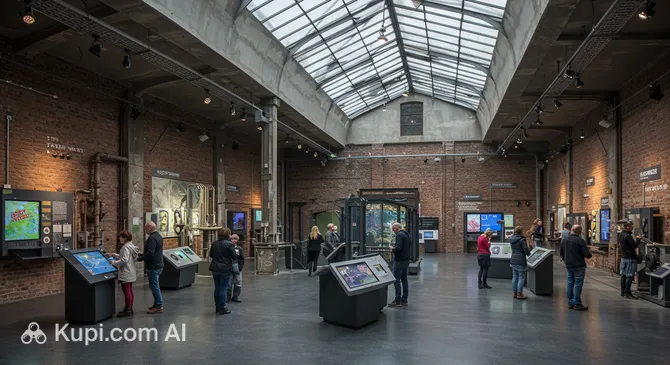
If you are looking for unusual experiences and interactive entertainment, you should visit the ELORIA Experience Factory. This unique entertainment complex offers various quests, immersive games, and adventures that plunge participants into exciting stories. It is a great place for groups of friends or family holidays, with something for everyone.

ELORIA Experience Factory. Illustration.
Source: Kupi.com AI

Traveler photos:

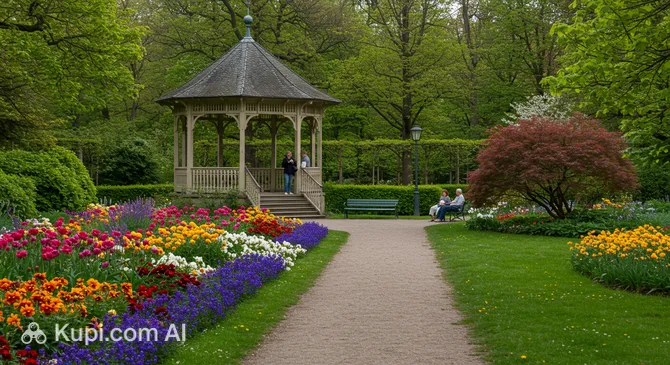
For those who prefer a quiet rest in nature, the Stadtgarten Bottrop is an excellent choice. This city park is a green oasis where you can stroll along well-kept paths, relax by the pond, or simply enjoy the silence. The park offers a pleasant atmosphere for relaxation and is a popular spot among locals and tourists alike.

Local Cuisine

The gastronomic scene in Bottrop is a fascinating journey through the culinary traditions of the Ruhr region, where hearty German dishes harmoniously blend with multinational influences. Be sure to try "Pfannenschnitzel" – an appetizing cutlet pan-fried to a golden crust – and traditional "Ruhr-style potato salad," which is prepared here with pickled cucumbers and fresh herbs. These dishes reflect the robust character of the local cuisine.

The city's mining past has also left its mark on the culinary scene: thick, rich soups, homemade sausages, and aromatic fried onions, often served with freshly baked bread, are popular here. Among drinks, the famous "König Pilsener" beer holds a special place and can be enjoyed in one of the cozy local pubs. As for non-alcoholic options, as throughout Germany, Apfelschorle (a refreshing mix of apple juice and mineral water), various fruit juices (Fruchtsäfte), and classic mineral water are popular. Don't forget the various types of craft bread baked according to ancient recipes, which will perfectly complement any meal.

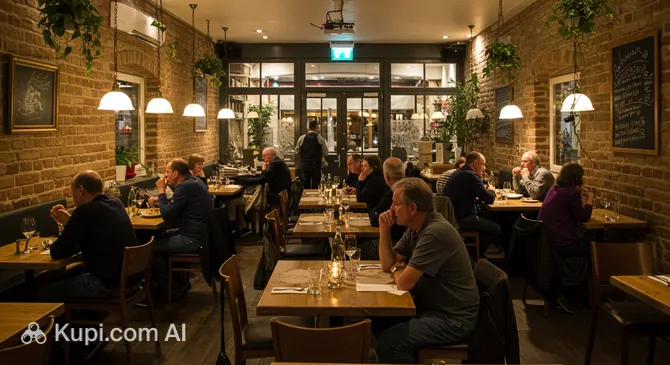
The food culture in Bottrop is diverse. Locals and tourists love to snack on the go with appetizing "Currywurst" sausages, fresh pretzels, or potato pancakes, which are especially good at farmers' markets. City restaurants, such as Ristorante Amanda, offer both traditional German dishes and international cuisine. In summer, Bottrop often hosts food festivals where you can not only taste the region's culinary delights but also immerse yourself in the atmosphere of celebration and hospitality.

Ristorante Amanda. Illustration.
Source: Kupi.com AI

Traveler photos:

Travel Tips

Welcome to Bottrop! To make your trip to this interesting city in the heart of the Ruhr region as comfortable and pleasant as possible, we have prepared some practical tips. We hope they will help you better plan your trip and avoid any surprises.

  1. Clothing and Essentials:

    The climate in Bottrop is moderate, so choose your clothing according to the season. Layering is recommended as the weather can change throughout the day. Don't forget an umbrella or raincoat, especially in autumn and spring. Be sure to bring comfortable shoes for walking around the city and visiting attractions such as the Tetraeder. For electrical appliances, you will need a Type F adapter (Europlug).

  2. Transport in the City and Region:

    It is convenient to get around Bottrop by public transport, mainly buses that are part of the Verkehrsverbund Rhein-Ruhr (VRR) system. For trips to neighboring cities in the Ruhr area, you can use the S-Bahn (suburban train). Taxis are available, and popular ride-hailing apps in Germany also work. Renting a car may be justified if you plan to actively explore the entire region, but it is not necessary for Bottrop itself.

  3. Financial Matters:

    The official currency is the Euro (EUR). Credit and debit cards (Visa, Mastercard) are accepted in most shops, restaurants, and hotels; however, it's always useful to have some cash on hand, especially for small purchases or at markets. ATMs (Geldautomat) are widespread. Tips in restaurants are usually 5-10% of the bill or simply rounding up if you are satisfied with the service.

  4. Health and Safety:

    Bottrop is generally a safe city. Follow standard precautions: keep an eye on your belongings in crowded places. Pharmacies (Apotheke) are easy to find by the green cross; there is a system of on-call pharmacies for nights and weekends. EU citizens are recommended to carry a European Health Insurance Card (EHIC). For other tourists, travel medical insurance is strongly recommended. In case of emergencies, call 112.

  5. Language and Communication:

    The official language is German. Many residents, especially the younger generation and service industry workers, speak English. However, knowing a few basic phrases in German, such as "Hallo" (Hello), "Danke" (Thank you), "Bitte" (Please/You're welcome), and "Sprechen Sie Englisch?" (Do you speak English?), will be appreciated by the locals. SIM cards from local operators can be purchased in supermarkets or mobile phone shops. Wi-Fi is available in many cafes, hotels, and public places.

  6. Local Etiquette:

    Germans value punctuality, so try not to be late for appointments. It is customary to say hello and goodbye in shops and cafes. In public places, especially on transport, try to be quiet. Communication is usually direct but polite. A handshake is the standard greeting when meeting people.

  7. What to Avoid:

    Try not to be excessively noisy in public places, especially in residential areas in the evenings and on Sunday – which is a day of rest. You should also avoid crossing the road in the wrong place (jaywalking), as this is discouraged and can be unsafe. Discussing sensitive historical topics should be avoided unless locals initiate the conversation; approach such topics with utmost sensitivity.

  8. Extra Tip: Explore the Ruhr Heritage!

    Bottrop is not just about Movie Park Germany or the Tetraeder. The city is part of the unique industrial landscape of the Ruhr area. Consider purchasing a Ruhr.Topcard if you plan to visit several museums and attractions in the region – this will help you save money. And remember that most shops in Germany, including Bottrop, are closed on Sundays and public holidays (except for some at railway stations or gas stations).

We hope these tips make your stay in Bottrop even more memorable and comfortable. We wish you a great trip and wonderful impressions of this unique corner of Germany!

Entertainment & Nightlife

Although Bottrop may not match major metropolises in terms of the scale of its nightlife, this city in the Ruhr region offers guests cozy and pleasant options for evening leisure. Here you will find an atmosphere conducive to socializing, whether in a traditional German bar or a modern establishment.

The main part of the evening entertainment is concentrated in the city center. Here you can find a variety of bars, pubs, and restaurants where it is pleasant to spend time after a busy day. Although Bottrop does not have dedicated nightlife districts like large cities, cozy establishments are scattered throughout the center, creating a pleasant and safe atmosphere for evening walks.

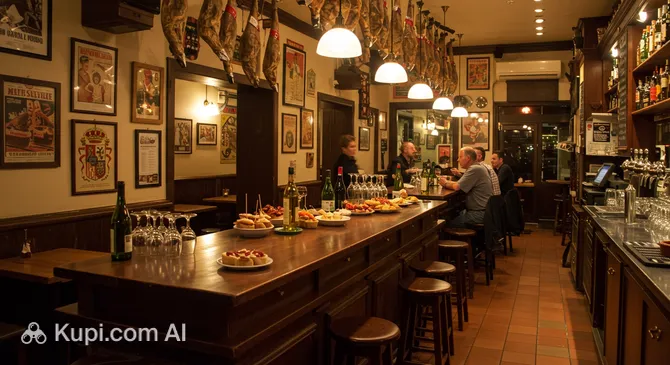
The atmosphere in local venues is generally relaxed and friendly. The crowd here is mixed – from locals to tourists. Many bars are open late, especially on weekends. There is usually no specific dress code, and casual style is welcome. If you are looking for a place with Spanish flair, check out the Bodega Tapas Bar, where you can enjoy drinks and snacks in an authentic setting.

Bodega Tapas Bar. Illustration.
Source: Kupi.com AI

Traveler photos:

Local restaurants are perfect for dinner before heading to a bar or simply for a pleasant evening. For example, Ristorante Amanda offers Italian cuisine, while at Restaurante Pikyila, you can get acquainted with Greek culinary traditions. There aren't many concert venues with big names here, but local bars sometimes host live performances.

The best time to visit bars is Friday and Saturday evenings when the city comes alive. Prices in Bottrop's establishments are generally moderate. Reaching the city center is easy by public transport, but service may be limited late at night. In this case, you can always use a taxi.

Bottrop is considered a safe city, and evening walks along the central streets usually don't cause concern. Nevertheless, it is always worth following standard safety precautions. Taxis can be called by phone or found at designated stands.

During the day, there is also plenty to do in Bottrop. Fans of unusual experiences can visit the ELORIA Experience Factory, which offers various interactive entertainment. For quiet rest and outdoor walks, the Stadtgarten Bottrop city park is ideal. It is also worth seeing the famous Tetraeder, which is especially impressive at sunset, or even trying your hand on the slopes of the Alpincenter Bottrop if you enjoy active recreation.

Parks & Museums

Bottrop, a city with a rich industrial past, today offers its guests both cozy green corners for relaxation and interesting cultural sites reflecting its history and modern development. Here you can find both traditional parks and unique attractions transformed from industrial zones into places for leisure and art.

Among the city's green zones, the Stadtgarten Bottrop stands out. This city park is a wonderful place for walks, outdoor relaxation, and picnics. Here you can enjoy well-kept paths, flower beds, and a peaceful atmosphere. For fans of more active recreation and unusual landscapes, it's worth paying attention to the reclaimed slag heaps, such as the one where the Tetraeder is located, offering panoramic views and interesting hiking trails.

Stadtgarten Bottrop. Illustration.
Source: Kupi.com AI

Traveler photos:

Although traditional museums are not on the provided list, Bottrop's cultural life is not limited to them. One of the city's most important art centers, known far beyond its borders, is the Museum Quadrat Bottrop (Josef Albers Museum). It is dedicated to the work of the famous artist and art theorist Josef Albers, who was born in Bottrop, and offers an extensive collection of his works, as well as temporary exhibitions of contemporary art. This is a must-visit for connoisseurs of abstraction and design.

For those looking for more modern and interactive entertainment, the ELORIA Experience Factory offers a unique experience. This complex includes various quests, immersive games, and adventures that will be of interest to both adults and children seeking thrills and team fun.

ELORIA Experience Factory. Illustration.
Source: Kupi.com AI

Traveler photos:

An iconic architectural object and symbol of the region's structural transformation is the Tetraeder. This impressive steel structure, set atop a slag heap, serves as an observation deck offering breathtaking views of the Ruhr area. Climbing the Tetraeder is an adventure in itself, rewarded with unforgettable panoramas, especially at sunset.

Tetrahedron. Illustration.
Source: Kupi.com AI

Traveler photos:

For authentic experiences, don't limit yourself to well-known places. Explore the areas around former mines, many of which have been converted into park zones or cultural spaces. A walk through such "industrial parks" will allow you to gain a deeper understanding of the region's history and see how nature and humans transform industrial heritage.

Getting Around

Public transport in Bottrop is primarily represented by a bus network that provides convenient travel both within the city and connections to neighboring settlements. The city is also served by S-Bahn (suburban train) lines, which expand travel options throughout the Ruhr region. There are no tram lines directly in Bottrop, but bus routes are well-integrated with the tram and railway networks of neighboring cities.

The fare system in Bottrop is part of the Verkehrsverbund Rhein-Ruhr (VRR) transport association. This means that tickets are valid for buses, S-Bahn, trams, and regional trains within the paid fare zone. There are various types of tickets: single trip (EinzelTicket), short distance (Kurzstrecke), day tickets (TagesTicket) for an individual or a group of up to 5 people, as well as 4-trip tickets (4erTicket) and monthly passes. Prices depend on the fare zone. For example, a single-trip ticket within the city (Preisstufe A) costs about 3 euros, and a day ticket is about 7-8 euros. Tickets can be purchased from machines at stops, from bus drivers (sometimes with a small surcharge), at customer centers of transport companies, or via mobile apps such as the VRR App or DB Navigator.

Tourists are recommended to purchase tickets in advance, especially if several trips are planned. Paper tickets not bought from the driver must be validated (stamped) in special devices located on buses or S-Bahn platforms before the start of the journey. Without validation, the ticket is considered invalid. Public transport usually operates from early morning (around 5:00-6:00) until late evening (around 23:00-00:00). Night routes (NachtExpress) may operate on weekends and holidays.

As an alternative to public transport, taxi services are available in Bottrop. They can be ordered by phone or found at designated stands. Bicycle rental can also be an option, especially for rides through parks and the surrounding area, given the developed network of cycle paths in the region. Specialized car-sharing systems may not be as prevalent in Bottrop itself, but they may be available through regional or national services.

Accommodation

In Bottrop, tourists will find a variety of accommodation options to suit different preferences and budgets. The city offers a choice ranging from cozy guesthouses and self-catering apartments to comfortable mid-range hotels. Here you can find both economical options for those looking for simple and functional housing, as well as more refined offers.

When choosing a place to stay, you should pay attention to areas close to the city center, where shops, cafes, and restaurants are concentrated. It can also be convenient to stay near the sites you are interested in. For example, if you plan to visit the Alpincenter Bottrop, it makes sense to look for accommodation nearby. For those interested in unique entertainment, a location near the ELORIA Experience Factory might be convenient.

Alpincenter Bottrop. Illustration.
Source: Kupi.com AI

Traveler photos:

Although Bottrop may not stand out with a large number of major international hotel chains, the city offers many local hotels and guesthouses (Gasthäuser), which are often characterized by coziness and a personal touch. One unique place where accommodation or nearby options may be available is the Alpincenter Bottrop complex, which is particularly attractive to winter sports and active recreation enthusiasts.

When planning a trip to Bottrop, especially during the peak tourist season or during major city or regional events, it is recommended to book accommodation in advance. This not only guarantees availability but often allows you to take advantage of better deals and discounts.

The price range for accommodation in Bottrop can generally be described as moderate, with options ranging from budget hostels and rooms to mid-priced hotels and comfortable apartments. Accommodation can be booked through popular international and local online booking platforms, as well as directly on hotel websites or by contacting private homeowners.

Nearby Cities

For those who want to explore the surrounding area, Bottrop serves as an excellent starting point for day trips to several interesting nearby locations.

Here are some popular options for short trips:

  • Oberhausen (just 7 km away): attracts visitors with CentrO, one of Europe's largest shopping centers, the famous Sea Life aquarium, and the Gasometer – an impressive former gas holder that now serves as a unique exhibition space.
  • Essen (about 10 km away): famous for the Zollverein Coal Mine Industrial Complex, a UNESCO World Heritage site that is a striking symbol of the Ruhr area's industrial past. The city also offers cultural treasures such as the Museum Folkwang and opportunities for relaxation at Lake Baldeneysee.
  • Gelsenkirchen (also about 10 km away): boasts one of Europe's most modern zoos – ZOOM Erlebniswelt, offering an exciting journey through various themed zones. The city is also known as the home of the Schalke 04 football club and its home arena.

More detailed information about some nearby cities, including population and the exact distance from Bottrop, is presented in the table below:

CityPopulationDistance
Gladbeck75 6875 km
Oberhausen209 5667 km
Essen582 41510 km
Gelsenkirchen260 12610 km
Mülheim170 92113 km

These nearby destinations provide a glimpse into the diverse culture, history, and landscapes of the North Rhine-Westphalia region, making your stay in Bottrop even more fulfilling.

Shopping & Souvenirs

Bottrop offers its guests various shopping opportunities, although it is not a major retail metropolis. Here you can find both well-known brand stores and small local shops. While the city is not famous for any unique goods, you can purchase high-quality German products and souvenirs.

The main shopping points are concentrated in the city center (Innenstadt), particularly on streets like Gladbecker Straße and those adjacent to it. Here you will find department stores, clothing, footwear, cosmetics, electronics, and home goods stores. A walk along these streets will allow you to soak up the city's atmosphere and make necessary purchases.

There are several shopping galleries and small centers in Bottrop where various shops and cafes are gathered under one roof. One such place is Hansastraße, where a variety of goods can be found. For more extensive shopping, residents and visitors often head to larger neighboring cities in the Ruhr area, such as Essen or Oberhausen, where large shopping malls are located.

Weekly markets (Wochenmarkt) are regularly held in the city, usually in the central squares. Here you can buy fresh farm products, flowers, local delicacies, and sometimes handicrafts. The atmosphere of these markets is very authentic and allows you to get to know local life better. It's best to check the dates and locations in advance, as they can change.

For souvenirs from Bottrop, you can bring back items related to the industrial past of the Ruhr region, such as miniature replicas of mining lamps or mining-related symbols. Traditional German sweets, beer, and small items from local artisans are also popular. Souvenir shops can be found in the city center, as well as at some tourist sites, such as near the Tetraeder or at the ELORIA Experience Factory.

Shops in Bottrop usually operate from Monday to Saturday, roughly from 10:00 to 18:00 or 20:00 for larger stores. On Sundays, most shops are closed, with the exception of some souvenir shops or shops at railway stations. Common payment methods are cash and bank cards (EC cards, Visa, Mastercard). It is recommended to always have some cash on you, especially for small purchases or at markets.

For tourists from non-EU countries, a value-added tax refund system (Tax Free) operates in Germany. If you make purchases over a certain amount in participating stores, you can issue special checks for a VAT refund when leaving the EU. Check the conditions and availability of this option directly in the shops.

Reached the end of the page?

That means the route is fully explored