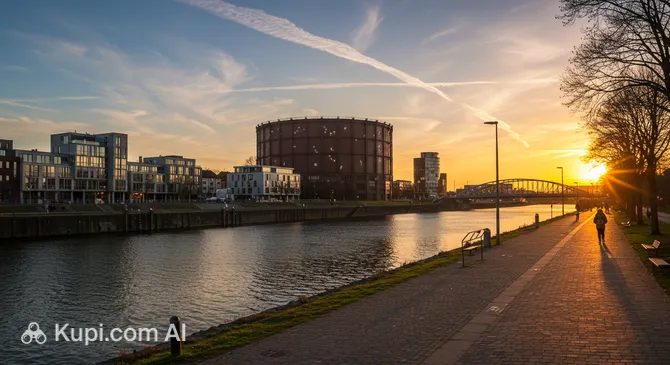
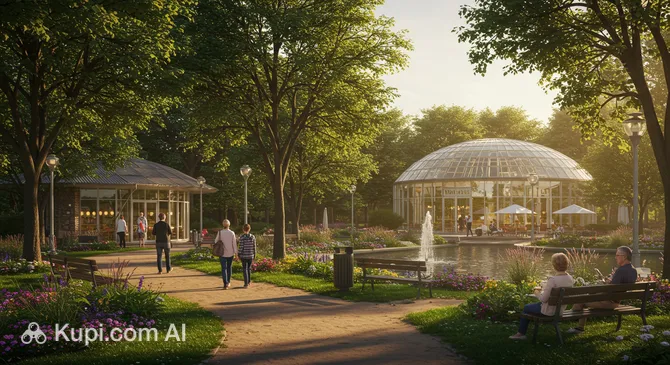
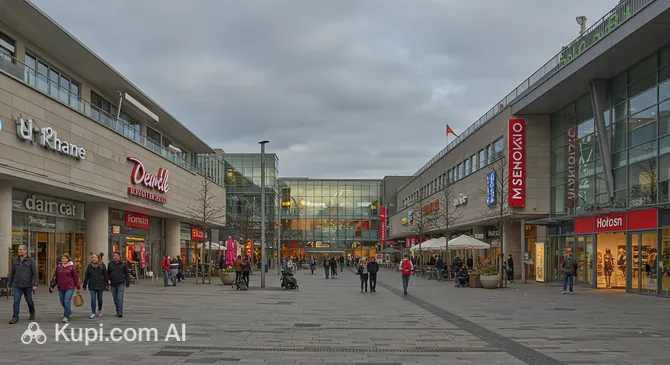
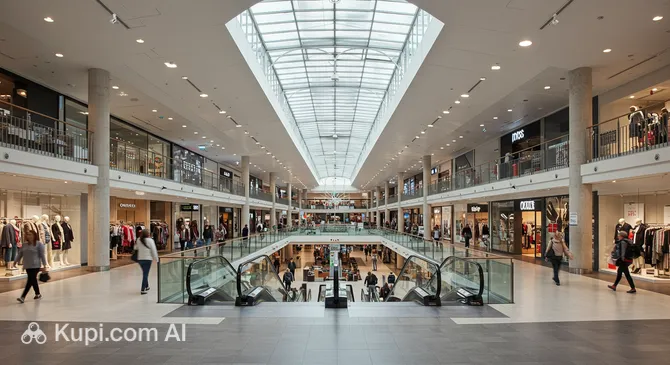
Oberhausen is a dynamic city nestled in the heart of the Ruhr region in Western Europe. If you are planning a trip to this area, Germany will reveal an unexpected side here: a harmonious blend of industrial power, cultural innovation, and green oases. Thanks to its prime location between major metropolises like Düsseldorf and Essen, the city has become a popular destination for those wanting to experience the authentic atmosphere of this region.
Oberhausen. Illustration.
Source: Kupi.com AI
With a population of around 210,000, Oberhausen holds an important place in the administrative structure of North Rhine-Westphalia, yet remains compact and convenient for exploring on foot. The urban environment here is surprisingly diverse: modern shopping centers stand alongside historic industrial monuments, and cozy residential neighborhoods transition smoothly into park zones, creating a sense of comfort and hospitality.
The city's main feature is its remarkable transformation. The rich industrial history of Oberhausen has found a second lease on life: old factories have been turned into creative art spaces, and a massive gasometer has become a unique world-class exhibition center. Here, the past is not forgotten but skillfully woven into modern life, inspiring tourists with its unique charm.
Guests will never find themselves bored. Oberhausen is famous for Westfield Centro, Europe's largest shopping center, which attracts shoppers from all over the region. For family vacations, the SEA LIFE aquarium is a perfect choice, immersing visitors in the mysteries of the underwater world. This city is definitely worth a visit for its unique mix of history, entertainment, and a special spirit of discovery.
Weather Overview
The climate of Oberhausen can be described as temperate, with mild transitions between seasons and an absence of extreme temperatures. Expect comfortable, warm summers and cool but not freezing winters, with precipitation distributed fairly evenly throughout the year.
The warmest period is the summer months: in July and August, the average temperature is around 19–19.5°C, and during the daytime, the air often warms up to 23–24°C. This is an ideal time for long walks, although you should be prepared for rain — in summer, 12 to 14 rainy days per month are recorded. Winter here is mild: in January and February, thermometers show an average of 4–5°C, and night frosts (down to 2°C) are rare; however, December is considered the cloudiest month with 18 days of precipitation.
Spring and early autumn are also excellent times to visit. As early as May, daytime temperatures reach a comfortable 18.5°C, while September often delights with mild warmth up to 20°C. When planning your wardrobe for the trip, be sure to check what weather in Oberhausen is forecast for your dates, as an umbrella or raincoat may come in handy in any season.
Average monthly temperature
Average monthly precipitation
Interesting Facts
Beyond the popular tourist routes, Oberhausen holds many fascinating stories and details that reveal its character from an unexpected side. Here are a few curious facts to help you better understand this German city:
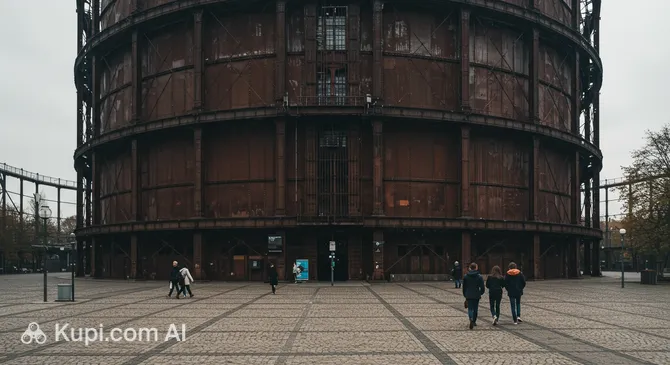
The symbol of the region's industrial transformation is the Gasometer Oberhausen. This giant industrial gas storage facility was not demolished but transformed into one of Europe's most unusual exhibition venues, where massive installations are held under its dome, and the roof offers the best view of the Ruhr region.
The city is relatively young, founded in 1847 around a railway station; however, it owes its name to a much older structure. The name comes from an ancestral seat known today as the LUDWIGGALERIE at Oberhausen Castle, where classical architecture now serves as a home for contemporary art.
Oberhausen is an important spot on the world cinema map. Every year, it hosts the International Short Film Festival, which is considered one of the oldest and most prestigious forums of its kind in the world, attracting directors and cinephiles from across the planet.
The city is the birthplace of Joseph Beuys, one of the key figures of postmodernism. The famous artist and sculptor, who permanently changed contemporary art with his performances and theories, was born and raised right here.
Gasometer Oberhausen. Illustration.
Source: Kupi.com AI
Traveler photos:
How to Get There
When planning a trip to the Ruhr region, it's worth thinking through the logistics in advance: this area features one of the densest transport networks in Europe. Oberhausen is conveniently located between several major hubs, making it easy to reach by any means of transport. You can find out more about how to get to Oberhausen by studying all the nuances, and below we will look at the most popular routes.
The city does not have its own airport, but that is not an issue. Most travelers choose Düsseldorf International Airport (DUS), located just 24 km from the center. It is the region's main air gateway, receiving flights from all over the world; a taxi ride takes less than an hour. An alternative for low-cost carriers is Dortmund Airport (DTM), which is 52 km away. The journey from there takes a bit longer — about 1.5 hours by car.
The railway is another comfortable way to reach the city. The nearest major hub station is Essen Hauptbahnhof (just 11 km away), from where you can reach Oberhausen by taxi or S-Bahn train in 35–40 minutes. Düsseldorf Hauptbahnhof (about 30 km away) also plays a vital role — it is a massive transport hub served by high-speed trains from all over Germany and neighboring European countries.
Oberhausen offers travelers a fascinating blend of industrial heritage, modern art, and family-friendly entertainment. Once a center of heavy industry, the city has transformed into a cultural space where everyone can find something to enjoy — from unusual architectural forms to cozy animal parks.
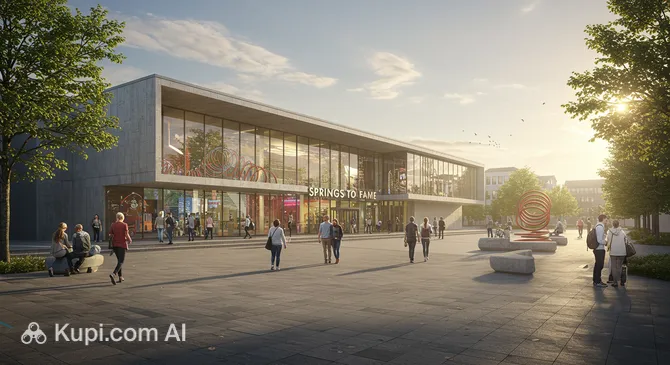
One of the city's most photogenic and unusual locations is the Slinky Springs to Fame sculpture bridge. This pedestrian bridge across the Rhine-Herne Canal resembles a giant spring toy floating in the air. The structure consists of 496 aluminum rings, and crossing it is worth it not just for convenience, but for the aesthetic pleasure. The bridge looks especially striking in the evening when the multi-colored lighting turns the crossing into a glowing art object.
Slinky Springs to Fame. Illustration.
Source: Kupi.com AI
Traveler photos:
Nature lovers and those seeking a quiet stroll should visit the Kaisergarten Zoo. This is not just a zoo in the traditional sense, but rather a cozy nature park where you can observe local animals such as deer, goats, sheep, and various birds for free (or a nominal fee). It is an ideal spot for families with children, as there are petting zones where animals can be stroked and fed, bringing plenty of joy to young tourists.
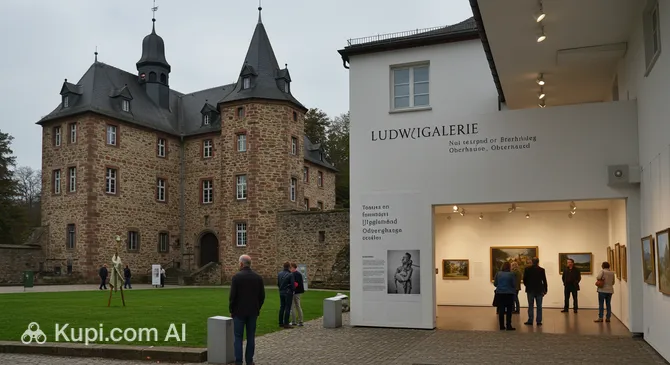
The cultural heart of the city is undoubtedly the LUDWIGGALERIE at Oberhausen Castle. The classic facade of the historic castle hides modern exhibition spaces famous throughout Germany. The gallery specializes in popular art: it frequently hosts exhibitions of comics, caricatures, photography, and book illustrations. The combination of historic architecture and bold modern displays creates a unique atmosphere that attracts art connoisseurs.
LUDWIGGALERIE at Oberhausen Castle. Illustration.
Source: Kupi.com AI
Traveler photos:
For those who want to dive into the underwater world, SEA LIFE Oberhausen is a must-see. It is one of the largest aquariums in the country, home to over 5,000 marine creatures. The center's main pride is the massive shark tank and a transparent tunnel that makes you feel as though you are standing on the ocean floor. Visitors can see not only exotic fish but also otters, seahorses, and rays, learning a great deal about the global ocean ecosystem.
Local Cuisine
Oberhausen's gastronomic scene is a vibrant reflection of the Ruhr region's multicultural character. Here, solid German traditions blend harmoniously with Polish and Turkish culinary influences, creating a hearty and varied menu. The undisputed king of street food is the currywurst — a sausage fried to a golden crisp and generously topped with a spicy tomato-curry sauce. This dish, which has become a symbol of the region, is served at almost every kiosk, and trying it is a must for any traveler.
For those who enjoy a filling meal, seasonal specialties are worth noting. In the colder months, restaurants are dominated by Grünkohl with mettwurst — a hearty dish of stewed kale with smoked sausages, as well as thick potato stews with meat. Traditional pea soup is equally popular, prepared here to be particularly rich and often served with a slice of fresh dark bread.
The dining culture in the city is relaxed: locals enjoy eating in classic beer gardens as much as in lively food courts. An excellent place to discover this gastronomic diversity is the Neue Mitte Oberhausen district. The famous promenade is home to many establishments where you can find everything from Asian delicacies to classic schnitzels. If you are looking for a cozy place for an evening break with drinks, you can stop by the Don Carlos bar, which has a laid-back atmosphere.
Oberhausen's sweet side is represented by fragrant pastries, best found at morning markets or small bakeries. Be sure to try the open-faced apple or plum tarts — they pair perfectly with a cup of coffee. As for drinks, besides traditional German beer, it is worth trying the local craft lemonades, which are becoming increasingly popular at city food festivals.
Travel Tips
Preparing for your trip to Oberhausen will help you fully enjoy its unique combination of industrial charm and modern entertainment without any organizational hassles. We have compiled a list of up-to-date recommendations to make your stay in this German city comfortable and predictable.
Clothing and climate. The weather in the North Rhine-Westphalia region is changeable, so the best choice is a layering approach. Even in summer, it's worth having a light windbreaker or raincoat, as rain is not uncommon here. Be sure to bring comfortable shoes: you will be walking a lot, especially if you plan on shopping at the massive Westfield Centro or climbing to the roof of the Gasometer.
Transport. Oberhausen has an excellent public transport system managed by STOAG (part of the VRR transport association). Buses and trams are the most convenient way to get around the city. It is more economical to buy a day pass (TagesTicket), which saves money compared to single trips. Taxis are easy to find at designated stands or via popular apps (e.g., Uber or FreeNow), but public transport here works like clockwork.
Finances and payment. The official currency is the Euro. While cards are accepted everywhere in large shopping centers and restaurants, Germany still loves cash. Small bakeries, street food stalls, or souvenir shops may not have a terminal, so always keep small bills and coins on you. Tips in restaurants are usually 5–10% of the bill, and it is customary to round up the amount when paying.
Health and safety. Oberhausen is a safe city, but as in any crowded place (especially near the station and shopping mall), keep an eye on your personal belongings. Pharmacies (Apotheke) are easily identified by a red letter "A". They operate during normal store hours, but there is always one on-call 24-hour pharmacy in each district (information about it can be found on the door of any closed pharmacy).
Communication and internet. The primary language is German, but in tourist areas, hotels, and shops, staff speak English well. Free Wi-Fi is available in the Centro mall, at stations, and on some buses. For navigation and transport schedules, we strongly recommend downloading the VRR or DB Navigator app — they are indispensable for planning routes.
Local etiquette. Germans value punctuality and following rules. When entering small shops, it is customary to greet the seller ("Hallo" or "Guten Tag"). In public places, try not to make loud noise, especially in the evening. On escalators, there is an unspoken rule: stand on the right, pass on the left.
What to avoid. Never walk on cycle paths! They are usually marked by color or lines on the sidewalk. Cyclists ride fast and expect their lane to be clear; violating this rule can cause serious dissatisfaction from locals and create an accident. Also, do not cross the road on a red light, even if there are no cars — this is considered bad manners and can result in a fine.
Shopping specifics. It is important to remember that in Germany, including Oberhausen, shops (including grocery supermarkets and boutiques in Westfield Centro) are closed on Sundays. Plan your purchases for Saturday or weekdays. On Sunday, only cafes, restaurants, bakeries, entertainment centers, and shops at gas stations or the train station are open.
Following these simple rules will help you feel confident and avoid awkward situations. Oberhausen is a welcoming city, and by showing a little respect for local traditions, you are guaranteed a warm welcome and many pleasant impressions.
Entertainment & Nightlife
The city's entertainment life is concentrated primarily in one area, making it incredibly convenient for tourists as you won't have to spend time on long transfers. The epicenter of evening activity is the famous promenade in the Neue Mitte Oberhausen district. This is a lively pedestrian zone near the Centro shopping mall, where the lights of restaurants and bars reflect in the canal water, creating a festive atmosphere year-round.
The promenade is where the main action happens after sunset. It's common to move from one venue to another, sampling cocktails and snacks. The crowd is diverse, ranging from local students to tourists and couples. The dress code in most places is relaxed — casual style is appropriate almost everywhere. If you are looking for a classic bar atmosphere with a good drink selection and lively conversation, stop by Don Carlos — a popular meeting spot that is always cozy and quite buzzy.
For those who prefer cultural leisure with an underground vibe, the Zentrum Altenberg is a cult favorite. Located within the walls of a former zinc factory near the main train station, this cultural center combines a concert venue, cinema, cabaret, and disco. It regularly hosts themed parties, rock and pop concerts, and theatrical performances. This atmospheric venue is highly valued by Oberhausen residents themselves for its authenticity.
Prices for entertainment remain at an average level for the region. A glass of beer costs about 4–5 euros, and a cocktail ranges from 8 to 12 euros. Nightlife here is safe: the Neue Mitte area is well-lit and patrolled, so you can walk without worry until late at night. Getting back to your hotel is easy by taxi (stands are common at Centro and the station) or by night buses (NachtExpress), which run on main routes during weekends.
During the day, the city offers just as much activity for thrill-seekers. If the weather isn't suitable for walking, head to AQUApark Oberhausen — the world's first water park styled after a mining pit, which gives your relaxation a unique local flavor. And for those wanting to burn off some energy, the Tiger Jump trampoline park is perfect for a fun time with the whole family or a large group of friends.
Parks & Museums
Oberhausen is not just about industrial landscapes, but also a surprisingly green city where industrial zones have been harmoniously transformed into spaces for relaxation and creativity. Cultural life here is not limited to famous galleries: the city's museums offer a deep dive into the region's history, telling the story of its transformation from a metallurgical center to a modern hub.
Among the green zones, OLGA Park deserves special attention. Located on the site of a former mine and coking plant, it has become a bright example of land reclamation. Today, it is a spacious landscape park that preserves elements of industrial architecture, such as old gates and bridges, which serve as striking backdrops for flower beds and lawns. It is a popular venue for open-air concerts and family picnics, where the history of the place is felt at every step.
OLGA Park. Illustration.
Source: Kupi.com AI
Traveler photos:
For those who want to see how nature reclaims its space from industry, the RVR Visitor Center Haus Ripshorst is of interest. It is not just an information point, but a gateway to the Emscher Landscape Park. Surrounding the historic estate are gardens with rare tree species and pedestrian trails leading to the Rhine-Herne Canal. Here you can learn about the region's geology and enjoy the peace and quiet just minutes from the city bustle.
Immersing yourself in the city's history is impossible without visiting the "cradle of Ruhr industry." The St. Antony Ironworks Industrial Museum tells the story of how the era of iron and steel began here in 1758. The open-air exhibition and modern multimedia installations vividly demonstrate the daily lives of workers and the technological breakthroughs of the past, making dry history come alive and fascinating.
Another unique site is the Aquarius Water Museum. Located in a historic water tower, it offers an interactive journey through the world of water. Ascending in a glass elevator through the tanks, tourists learn about the importance of water resources for the region and ecology as a whole. The tower's top platform offers a magnificent panorama of the surroundings, making a visit here doubly memorable.
Fans of medieval architecture should check out Vondern Castle. This small but atmospheric fortress in the Osterfeld district is one of the city's oldest buildings. Knight festivals and cultural events are regularly held here, allowing visitors to briefly transport themselves from the industrial 19th century back to the era of feudalism.
Getting Around
Public transport in Oberhausen is characterized by high efficiency and punctuality, making it an excellent choice for tourists. If this is your first visit to the region, you will quickly appreciate the convenience of the local system. The city's infrastructure is integrated into the Rhine-Ruhr Transport Association (VRR), with the primary operator being the company STOAG. It is worth noting that Germany is famous for its unified standards: a single ticket here works for buses, trams, and city trains (S-Bahn) within the chosen zone.
A unique feature of Oberhausen is the dedicated public transport lane, which locals call the "Trasse." It follows the route of a former industrial railway, is completely separated from car traffic, and allows you to travel lightning-fast from the Main Station (Oberhausen Hbf) to the popular Neue Mitte district, where the Centro shopping mall and Gasometer are located. Tram No. 112 and high-speed SB buses run here with high frequency, helping you avoid any traffic jams.
The entire city is within tariff zone A (Preisstufe A). For tourists, the most cost-effective solution is the TagesTicket (day ticket). It allows unlimited travel for one person or a group of up to five people throughout the day (until 3:00 AM the next morning). This is significantly more economical than buying single tickets (EinzelTicket) for each journey. Children under 6 travel for free, and discounts are available for students.
Tickets can be purchased from machines at stops, from the driver (usually cash only), or via the VRR and DB Navigator mobile apps. Pay special attention to validation: paper tickets bought from machines without a specified date and time must be stamped before boarding or immediately inside the vehicle. Look for orange or red validation boxes. A ticket without a stamp is considered invalid, and inspectors here work strictly and regularly.
Life in the city doesn't stop at night. On weekends (Friday to Saturday and Saturday to Sunday), NachtExpress (NE) night buses hit the lines, departing every hour from key hubs to take late-night tourists home. If you prefer individual comfort, taxis and popular services like Uber are at your disposal. Additionally, Oberhausen is very cyclist-friendly: the Metropolradruhr bike-sharing system operates here, with rental stations scattered across the city.
Accommodation
Where to stay:
The choice of accommodation in Oberhausen is quite diverse and can satisfy the needs of most travelers, from budget tourists to those who appreciate business-class comfort. The hotel sector here is primarily represented by reliable 3-4 star chain hotels, cozy private guesthouses, and inexpensive hostels. In recent years, apartment rentals have become increasingly popular, offering a great solution for families with children or those planning to stay in the city for a week or longer.
In terms of location, the most attractive district for tourists is Neue Mitte. By staying here, you will be at the epicenter of the action: the major Neue Mitte Oberhausen shopping center, the concert arena, and main entertainment venues are all nearby. It's the ideal choice for those who want everything close at hand and don't want to waste time traveling.
Neue Mitte Oberhausen. Illustration.
Source: Kupi.com AI
Traveler photos:
An alternative and often more budget-friendly option is the Alt-Oberhausen district, located around the Main Railway Station. Living here is convenient for logistics: you can quickly reach any point in the Ruhr region by train, and the Neue Mitte entertainment center is just 10–15 minutes away by bus or tram via a dedicated line. This district is better suited for those who value mobility and transport accessibility.
Accommodation prices in Oberhausen are generally lower than in neighboring Düsseldorf and stay within a mid-range. However, there is an important nuance to consider: during major trade fairs in Essen or Düsseldorf, or on days of large concerts at the local arena, the demand for housing spikes. During these periods, room rates may increase, and vacancies fill up very quickly. Therefore, the main booking tip is to plan your trip in advance and reserve your accommodation through trusted online platforms several weeks before your visit.
Nearby Cities
For those who want to explore the surroundings, Oberhausen serves as an excellent starting point for day trips to several interesting nearby locations:
Just 12 kilometers away is Essen — one of the cultural centers of the Ruhr region. This city is a must-visit thanks to the Zollverein Coal Mine, a UNESCO World Heritage site. Here, industrial architecture has been transformed into an icon of design and art. Additionally, Essen will surprise you with its green parks and the Museum Folkwang, which houses an impressive collection of 19th and 20th-century paintings.
Nearby Duisburg, located less than 10 km away, offers a unique experience at the Landschaftspark Duisburg-Nord. This is a former ironworks that has become a massive public park where you can climb a blast furnace or go diving in a gasometer. The city is also famous for its Inner Harbor, transformed into a modern district with restaurants, museums, and waterfront walking areas.
A bit further afield, 25 km away, is Bochum, known for the German Mining Museum — the largest of its kind in the world, where you can descend into a real mine. The city also attracts fans of nightlife and gastronomy with its famous "Bermuda Triangle" quarter, which is packed with bars and cafes.
These nearby destinations provide a great insight into the diverse culture and landscapes of the region.
Shopping & Souvenirs
Shopping
Shopping in Oberhausen is one of the main reasons travelers visit the city. Thanks to its modern retail spaces and great location, it has earned a reputation as a true "shopping mecca" for the entire Ruhr region. You can find everything here, from luxury brands to affordable labels, and the shopping process itself can easily be combined with entertainment and strolls.
The absolute center of attraction for shopaholics is the Neue Mitte Oberhausen district. This modern quarter, built on the site of former industrial lands, is now a bustling area filled with shops, restaurants, and entertainment venues. If you are looking for a concentration of fashion boutiques and flagship stores of international chains, this is where you should head. For fans of more traditional and quiet shopping, the pedestrian zone on Marktstraße in the city center is ideal, preserving the spirit of old Oberhausen with its small shops and cozy cafes.
Speaking of shopping centers, it's impossible not to mention Westfield Centro — one of the largest shopping and entertainment complexes in Europe. It is the core of the Neue Mitte district and is impressive in scale, with over 250 shops under one roof. It is the perfect place for shopping in any weather. As an alternative for those who prefer less crowded spots, you can visit the Luchs Oberhausen Shopping Center. Although smaller than the giant Centro, it also offers a good selection of clothing, electronics, and home goods, making it a convenient option for quick purchases.
Luchs Center Oberhausen. Illustration.
Source: Kupi.com AI
Traveler photos:
The city's market culture also deserves attention. Morning markets (Wochenmarkt) take place regularly in different districts, such as Alt-Oberhausen or Sterkrade. Here, local farmers offer fresh vegetables, fruits, cheeses, and meat delicacies. It's a great place to feel the rhythm of everyday German life. During the pre-Christmas period, the city transforms: the Christmas market at the Centro shopping center is considered one of the most beautiful in the region, attracting tourists with the aromas of mulled wine, roasted almonds, and unique handmade crafts.
As souvenirs from Oberhausen, it's worth bringing home items that reflect the Ruhr region's industrial past. Mining-themed items are popular, from keychains shaped like miner's lamps to pieces of coal in beautiful packaging. Also look out for beer steins and local mustard. Football fans will appreciate merchandise from the local club, while those with a sweet tooth will enjoy high-quality German chocolate and marzipan sold in specialized confectioneries.
When planning your shopping trip, remember the operating hours. Most large shopping centers and boutiques are open Monday to Saturday from 10:00 to 20:00 (sometimes later on Fridays). It is important to know that Sunday is a day off, and shops are closed, except for a few special "shopping Sundays" a year or small shops at the station. Visa and Mastercard are accepted almost everywhere, but in small kiosks, markets, or bakeries, cash euros may still be the only way to pay.
Tourists from non-EU countries can take advantage of the Tax Free system. If your purchase amount in one store exceeds the set minimum (usually 50 euros), ask the salesperson for a Tax Free Form. By presenting this form along with your passport and purchases at customs when leaving the EU, you can get a refund of part of the value-added tax, making shopping even more pleasant.