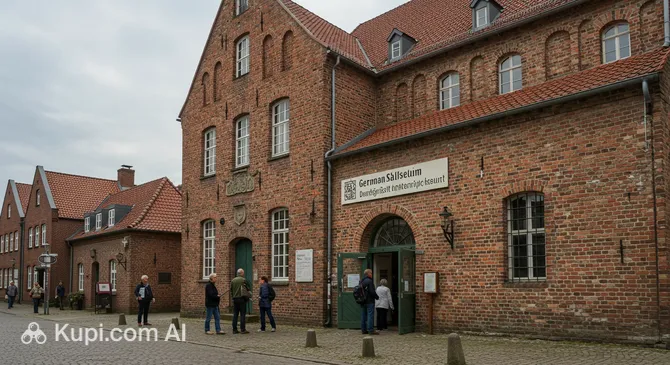
The German Salt Museum (Deutsches Salzmuseum) is a unique cultural institution located in the ancient city of Lüneburg, in the state of Lower Saxony, Germany. The museum is entirely dedicated to the fascinating history of salt extraction, processing, and the immense importance of salt for both the region and all of Europe over the centuries.
Traveller photos:
Opened in 1989, the museum is situated on the historical site of the former saltworks. These saltworks were the heart of Lüneburg for over a thousand years, ensuring its prosperity, and only ceased operations in 1980. Visitors can literally touch the past by exploring the preserved industrial buildings and the territory of the former salt mine, which still retain the atmosphere of a bygone industrial era.
Here, you will learn why salt was called "white gold" and how it turned Lüneburg into one of the wealthiest and most influential cities in Northern Germany. The museum's exhibitions detail salt production technologies, the hard labor of the workers, and how this valuable mineral shaped the economy and culture of the region. It is not just a museum, but a true journey through time, revealing the secrets of a vital resource.