Support

Panvel

About

Situated on the banks of the Gadhi River, Panvel is often called the "Gateway to Raigad." This dynamic city in India serves as a vital link between the metropolises of Mumbai and Pune. Surrounded by picturesque hills on two sides, it harmoniously blends the atmosphere of a growing suburb with its role as a strategic trading hub in the state of Maharashtra.

Panvel's geographical location is unique: the Gadhi River, on which it stands, flows into the Arabian Sea, providing the region with natural ventilation. The city's population is growing rapidly and already exceeds 300,000 people, making it one of the most populous and developed centers in the Raigad district. Here, you can feel the true rhythm of modern Indian life, where bustling markets sit side-by-side with quiet natural spots.
Panvel. Illustration.
Source: Kupi.com AI

The rich history of Panvel spans over three centuries. Throughout different eras, it was influenced by the Marathas, Mughals, Portuguese, and British, developing as a key center for the rice trade. Today, the city attracts tourists not only with its heritage but also with its proximity to nature reserves and ancient forts, offering an excellent base for exploring the Konkan coast.

Visiting Panvel is a great opportunity to see India without the extra gloss, get to know the culture of the local Koli and Agri communities, and enjoy trekking in the surrounding hills. We invite you to discover this welcoming city, which has become an important crossroads on the way to the southern treasures of Maharashtra.
Weather Overview

Panvel's climate is typical of Maharashtra's tropical belt and is characterized by a pronounced monsoon cycle. The hottest period occurs from March to June, when daytime temperatures can reach 35–40°C. During this time, humidity gradually builds up, foreshadowing the arrival of the rains. If you plan a trip during these months, be prepared for the scorching sun and choose clothing made of light, natural fabrics.

From mid-June to September, powerful monsoons dominate Panvel. July and August are the wettest months, when tropical downpours can last for several days in a row, turning the surrounding hills into emerald carpets and filling the Gadhi River. This is a strikingly beautiful time for nature observation, but you should account for possible transport delays due to heavy rainfall.

The most comfortable weather in the city is established during the winter season, which lasts from October to February. During this period, the air temperature fluctuates within a pleasant range from 15°C at night to 30°C during the day, and the sky remains clear. This is the ideal time for trekking to Karnala Fort and long walks, as the exhausting heat recedes, giving way to moderate warmth and dry air.

Average monthly temperature

Average monthly precipitation

Interesting Facts

  • Oldest Municipality: Panvel prides itself on being the oldest municipal council in Maharashtra, established back in 1852 during British rule.

  • Former Rice Capital: More than 200 years ago, the city was the region's largest trading hub, specializing in the market for rice and other grains that were shipped from here all across India.

  • A Fort with History: Panvel preserves the ruins of an ancient fort, on whose walls the defensive cannons of the legendary Maratha ruler Shivaji Maharaj once stood.

  • Largest Sub-district: Panvel is the administrative center of the largest sub-district (taluka) in the Raigad district, bringing together a record number of villages—over five hundred.

  • Peshwa Palaces: In the historical part of the city, luxurious palaces were once built in the style of the Peshwas (prime ministers of the Maratha Empire), highlighting the former grandeur and wealth of these trade routes.

How to Get There

Panvel occupies a strategic position on the transport map of Western India, being a vital hub connecting Mumbai with Pune and the southern Konkan coast. Detailed information about routes can be found in the how to get to Panvel section. The city is accessible by almost any type of land transport, making it a popular stopover for travelers.

The nearest major air hub is Mumbai's Chhatrapati Shivaji Maharaj International Airport, located approximately 40–50 kilometers away. A taxi or bus ride from the airport to central Panvel usually takes between one and a half to two and a half hours, depending on the traffic, which can be quite heavy in this region.

AirportPassenger trafficDistance
Navi Mumbai International Airport20 mln4 km
Chhatrapati Shivaji International Airport54.8 mln28 km
Pune Airport10.5 mln96 km
Gandhinagar Airport341 112150 km
Shirdi741 540153 km

Railway communication is the fastest and most convenient way to reach the city. Panvel Station is the terminal point of the Harbour Line of the Mumbai Suburban Railway. Trains depart regularly from Chhatrapati Shivaji Maharaj Terminus (CSMT), with a travel time of about 1.5 hours. Additionally, many long-distance trains heading to the south of the country pass through Panvel.

For those who prefer buses, state MSRTC services and private carriers are available. Buses connect Panvel with Mumbai, Pune, and the cities along the Konkan coast. It's worth considering that traffic jams often occur on the main Mumbai–Pune highway during peak hours, so rail transport remains the most predictable option.

Main Attractions

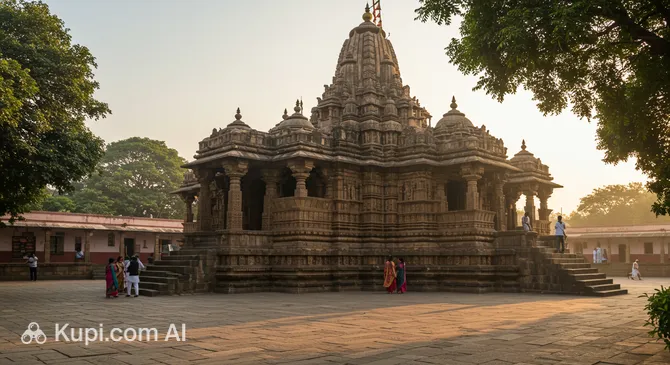
Even though Panvel is often perceived as a transit hub, there are many interesting places hidden within the city and its immediate surroundings. One of the main spiritual sanctuaries is the Khandeshwar Shiva Temple. This majestic Hindu temple attracts pilgrims and tourists alike with its architecture and peaceful atmosphere, especially during religious festivals.

Khandeshwar Shiva Temple. Illustration.
Source: Kupi.com AI

Traveler photos:

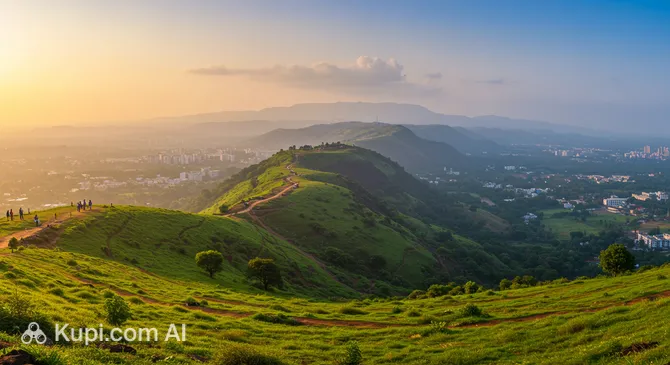
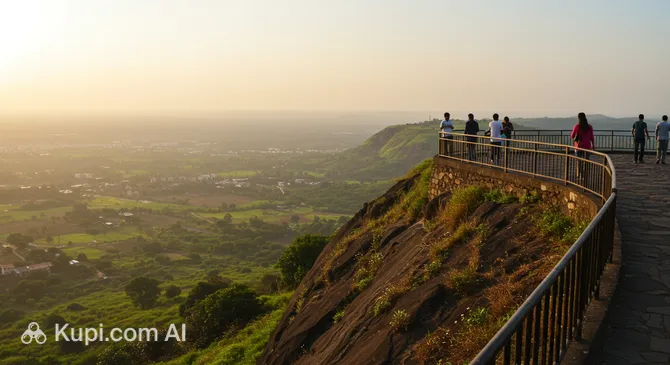
For those looking to enjoy panoramic views and fresh air, the Karanjade Hill View Point is the perfect spot. It offers a magnificent view of the urban landscape combined with the lush greenery of the hills surrounding the city. It is a popular point for short walks and sunset watching, as the city lights begin to flicker against the backdrop of the darkening mountains.

Karanjade Hill Viewpoint. Illustration.
Source: Kupi.com AI

Traveler photos:

To get a closer look at the city, you can join an organized sightseeing tour of Panvel. Experienced guides will lead you through the old quarters, show you the hidden ruins of the ancient Panvel Fort, where cannons from the era of the great Chhatrapati Shivaji Maharaj once stood, and tell you about local traditions. Don't miss the chance to visit the Karnala Bird Sanctuary, located just 10 km from the center, famous for its avian diversity and the fort of the same name.

Local Cuisine

Panvel's gastronomic scene is a vivid reflection of Maharashtrian and Konkani culinary traditions. Thanks to its historical status as a rice hub, rice is the basis for many local dishes. Be sure to try misal pav (a spicy sprouted bean soup with bread) and vajari pav—a dish characteristic of this region. Proximity to the coast also guarantees the freshness of seafood, which is prepared here with coconut and local spices.

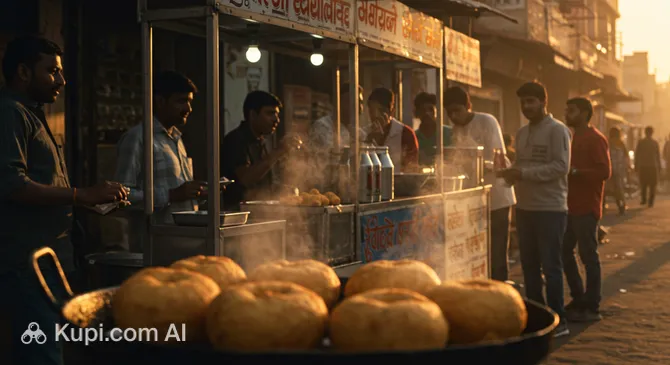
One of the most popular spots for residents and visitors alike is Shashi Wadewale. This establishment is famous for its traditional snacks, especially vada pav—the legendary Indian "burger," which has its own unique flavor in Panvel.

Shashi Vadewale. Illustration.
Source: Kupi.com AI

Traveler photos:

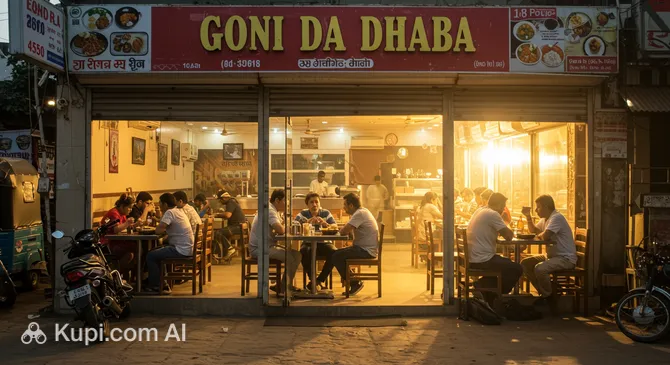
If you are looking for a more hearty and colorful dinner in the style of a roadside cafe, stop by Goni Da Dhaba. Dhabas are an essential part of Indian food culture, serving aromatic curries, fresh naan, and tandoori dishes. Here, you can experience the true taste of local cuisine in a relaxed atmosphere.

Goni Da Dhaba. Illustration.
Source: Kupi.com AI

Traveler photos:

For dessert, locals recommend modak—sweet dumplings made from rice flour with a coconut and jaggery filling. As for drinks, traditional spiced tea (masala chai) and freshly squeezed juices are widespread throughout Panvel, making for a perfect end to any meal on the city's lively streets.

Travel Tips

Panvel is a friendly and welcoming city, but knowing some local specifics will make your trip much more comfortable. Use these practical tips to navigate this dynamic corner of Maharashtra with confidence.

  1. Clothing and Essentials: Choose light clothing made of natural fabrics for the hot climate. During the monsoon season (June–September), be sure to carry a sturdy umbrella or raincoat. For visiting temples, such as the Shiva temple, choose clothing that covers your shoulders and knees, and be prepared to remove your shoes at the entrance.
  2. Transport: The fastest way to get to Mumbai is the suburban train, but avoid peak hours. For trips around the city, it's most convenient to use the Uber or Ola apps—this will save time and prevent disputes over the price.
  3. Finances: The main currency is the Indian Rupee. Cards are accepted in shopping malls and large restaurants, but always keep small denominations of cash on hand for paying rickshaws and making purchases at the Old Panvel markets. ATMs are easy to find near the station.
  4. Health and Safety: Drink only bottled water and avoid drinks with ice from street stalls. Panvel is generally safe, but keep an eye on your personal belongings in crowded places (at the station and markets) and try not to walk in poorly lit areas at night.
  5. Communication: The official language is Marathi, but Hindi and basic English are widely spoken. Locals appreciate it when tourists know a couple of phrases in Marathi, such as the greeting "Namaskar."
  6. Local Etiquette: Show respect for local traditions, especially in the Koli and Agri religious communities. Do not point the soles of your feet at people or altars in temples—this is considered extremely impolite.
  7. What to Avoid: Do not engage in political debates and try not to take photos of people without their explicit consent, especially in residential areas and outskirts.
  8. Extra Tip: Download offline maps in advance. The mobile network signal can be unstable if you decide to go for a walk in the Karanjade hills or to the Karnala Fort.

Following these simple rules will help you experience the true character of Panvel and make your journey through India truly pleasant and safe.

Entertainment & Nightlife

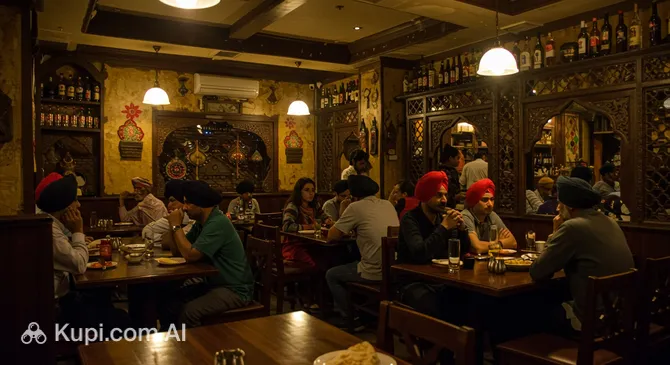
Panvel is primarily a quiet suburb, so for vibrant nightlife, locals usually head to neighboring Navi Mumbai or Mumbai itself. Nevertheless, the city has several establishments where you can spend a pleasant evening. A popular choice is the Himalaya Punjab Family Restaurant & Bar, which offers a cozy atmosphere for a family dinner or a gathering with friends, accompanied by traditional dishes and drinks.

Himalaya Punjab Family Restaurant & Bar. Illustration.
Source: Kupi.com AI

Traveler photos:

For those who prefer a classic bar setting, the Redwings Castle Bar is open. This is a great place to relax after a busy day, discuss the news, and enjoy refreshing drinks in the company of locals. Most such establishments close around midnight, following the measured pace of suburban life.

Daytime entertainment in Panvel is centered around shopping malls and natural areas. At K Mall, you can go to a modern cinema or spend time at the food court. Outdoor enthusiasts prefer morning treks in the Karanjade hills or picnics by the Gadhi River, where they can enjoy the silence far from the noisy highways.

Parks & Museums

Panvel has not yet acquired large state museums; however, its cultural and natural heritage is felt in the landscapes and historical sites themselves. One of the notable local landmarks is Adai Circle. This place serves as a landmark and a center of social life in one of the city's developing districts, where you can witness the rhythm of daily life for local residents.

The main "green treasure" of the region is rightfully considered the Karnala Bird Sanctuary, located just 10 kilometers from Panvel. This is an ideal place for those seeking recreation in nature. There are trekking trails to the ancient Karnala Fort, and in the dense forests, you can encounter rare bird species, such as the Malabar Whistling Thrush or the Paradise Flycatcher. For Panvel residents, this is the primary spot for countryside walks and picnics.

The banks of the Gadhi River and the slopes of the surrounding hills serve as natural park zones. Despite the dense construction in the center, the outskirts of the city retain their natural charm. Walks by the river at sunset or climbing the Karanjade hills replace traditional parks for the townspeople, offering panoramic views of the entire Konkan valley.

Getting Around

The transport system in Panvel is a typical example of a busy Indian suburb, where the railway plays a key role. The main means of communication with other districts of Mumbai is the suburban trains (locals) of the Harbour Line. Panvel Station is a crucial terminal from which trains depart every 10–15 minutes. It's worth remembering that during morning (7:00–10:00) and evening (17:00–20:00) peak hours, carriages can be very crowded, so it's better for tourists to plan their trips during the daytime.

For getting around within Panvel itself and for trips to nearby villages, auto-rickshaws are ideal. This is the most maneuverable type of transport, capable of navigating the frequent traffic jams on the narrow streets of the center. It's best to agree on the fare in advance or ensure the meter is used, if available. There are also municipal buses running through the city, connecting residential quarters with the railway station.

For more comfortable travel, the Uber and Ola mobile apps work well in Panvel. This eliminates the need to haggle with rickshaw drivers and guarantees a fixed price. However, keep in mind that traffic on main highways, such as the Old Mumbai-Pune Highway, can be unpredictable, and travel time often doubles compared to the nighttime hours.

Accommodation

The choice of accommodation in Panvel is primarily geared towards transit travelers and those visiting the region for business. Most lodging options are concentrated around the railway station and along the main highways. Budget hotels and mid-range guesthouses prevail here, providing basic comfort for a reasonable price.

For a short one-night stay, hotels in the Old Panvel area are an excellent fit, where prices range between 1,000 and 3,000 rupees per night. If you are looking for more modern conditions, it is worth looking at the new residential complexes and apart-hotels located closer to the Mumbai–Pune Expressway.

Although Panvel is not a classic resort destination, small eco-resorts and farmhouses offering a nature-based getaway can be found in its outskirts. During peak seasons, such as the monsoon season or major Indian holidays, it is recommended to book rooms in advance, as the city serves as an important transit point for tourists heading to the Konkan.

Nearby Cities

Thanks to its location at the intersection of key roads, Panvel serves as an excellent starting point for exploring the surrounding areas of Maharashtra. Within a few dozen kilometers, you can find ultra-modern districts as well as authentic coastal towns, offering completely different travel experiences.

The most obvious destination for a trip is Mumbai, which can be reached by local train in about an hour and a half. The great metropolis offers colonial architecture, endless promenades, and world-class museums. If you are looking for a quieter atmosphere by the sea, head to Uran—a coastal town known for its beaches and ancient temples.

For those interested in industrial history and local character, Ulhasnagar will be of interest. Also nearby is Kalamboli, which is an important logistics and residential center of Navi Mumbai. Nature lovers can choose a route towards the towns of Khopoli or Karjat, which are starting points for popular treks to waterfalls and cave temples.

CityPopulationDistance
Kalamboli1 246 3815 km
Uran30 43923 km
Mankur10 37023 km
Ulhasnagar506 09826 km
Mumbai24 973 00027 km

Exploring the surroundings of Panvel will allow you to see the many facets of India: from rapid urbanization to the untouched nature of the Western Ghats. Don't limit yourself to the city center—the Raigad region holds many amazing discoveries.

Shopping & Souvenirs

Shopping in Panvel is a fascinating blend of modern retail formats and colorful traditional markets. The city has historically developed as a trading center, and today you can find almost anything here: from branded clothing to authentic Indian spices and the high-quality rice for which this region is famous.

For those who prefer comfortable shopping and entertainment, Max Mall is open. It features popular brands of clothing, accessories, and home goods. This place is popular among young people and families as it offers modern shopping conditions in air-conditioned spaces, which is especially valuable on hot days.

Max Mall. Illustration.
Source: Kupi.com AI

Traveler photos:

If you want to experience the true spirit of Panvel, head to the Old Panvel Market. This is a labyrinth of narrow streets where they sell fresh vegetables, fruits, famous local tobacco, and Konkan spices. The market operates from early morning until late evening, and it is here that you can purchase unique souvenirs, such as textiles or copperware, at very attractive prices (especially if you know how to bargain).

Panvel's shops are usually open from 10:00 AM to 9:00 PM, although food markets come alive much earlier. Large centers accept bank cards, but in traditional markets and small shops, you will definitely need cash in rupees. Remember that Panvel is a place for bargain shopping for everyday goods, while locals usually go to neighboring Navi Mumbai for exclusive luxury items.

Reached the end of the page?

That means the route is fully explored