Support

Lombok

About

Lombok is a stunning island in Indonesia, often referred to as "Bali's younger sister," yet it possesses its own unique atmosphere of tranquility and authenticity. Located east of Bali, it is part of the Lesser Sunda Islands and attracts travelers seeking both a relaxed beach holiday and active adventures. The population of Lombok is approximately 495,651 people, reflecting the dynamic life of this region.
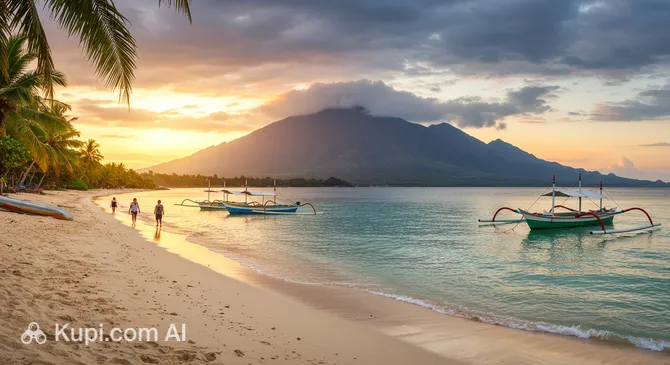
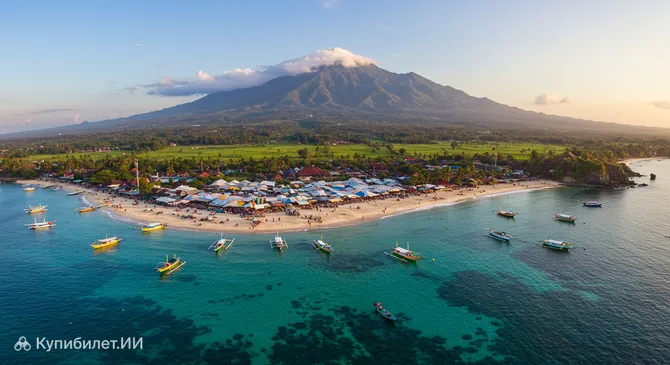
Lombok. Illustration.
Source: Kupi.com AI
Lombok

The island is famous for its diverse landscape: from white-sand beaches and turquoise waters to majestic volcanoes. The climate is tropical, with distinct dry (May to September) and wet seasons, making it an attractive destination almost year-round. Lombok is not just about natural beauty, but also the unique culture of the Sasak people, the island's indigenous inhabitants, whose traditions and way of life can be explored by visiting local villages.

Among Lombok's key attractions is the mighty Mount Rinjani, Indonesia's second-highest volcano, the ascent of which is a true challenge and an unforgettable experience. Equally famous are the beaches of the southern coast, such as Kuta Lombok and Tanjung Aan, ideal for surfing and peaceful relaxation. Lombok also serves as an easy gateway to the famous Gili Islands, renowned for their diving and snorkeling.

Lombok offers a unique combination of natural beauty, cultural heritage, and opportunities for outdoor activities. It is a place where everyone will find something for themselves, whether it's conquering mountain peaks, exploring the underwater world, or simply enjoying the silence on secluded beaches. Discover enchanting Lombok – an island that will leave lasting impressions!

You can find more interesting facts on the history of Lombok page.
Weather Overview

In Lombok, a tropical climate awaits you with comfortably warm weather throughout the year. Average monthly temperatures typically range between 25-27°C, with maximum values reaching 28.5°C - 30.8°C depending on the month. Expect a distinct wet season from November to April, bringing the most precipitation (up to 12 mm per month, with 21-30 rainy days), and a drier season from May to October when rain is minimal, especially from July to September (about 1 mm of precipitation and 5-8 rainy days). You can learn more about the island's climatic features on the weather in Lombok page.

Average monthly temperature

Average monthly precipitation

Interesting Facts

Beyond its famous beaches and the majestic Mount Rinjani, Lombok hides many fascinating details and cultural nuances that make it truly unique. Here are just a few interesting facts that will help you see this Indonesian island from a new perspective:

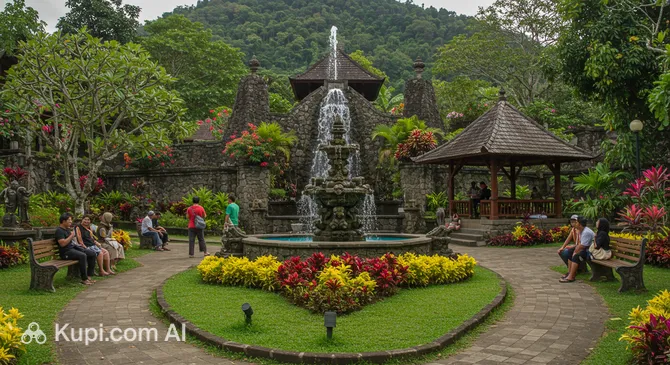
Muhajirin Praya Park. Illustration.
Source: Kupi.com AI

Traveler photos:

  • Lombok is widely known by the nickname "The Island of a Thousand Mosques" (Pulau Seribu Masjid). This name reflects the deep Islamic faith of the majority population—the Sasak people—and the indeed massive number of mosques, from modest village ones to grand urban structures, scattered throughout the island.

  • The name "Lombok" itself has a curious connection to the world of spices. In Javanese, one of the main languages of Indonesia, the word "lombok" means "chili pepper." This subtly hints at the piquant character of the local cuisine, which is famous for its spicy dishes.

  • Every year, Lombok hosts the unique and colorful Bau Nyale festival. During this event, thousands of locals gather on the southern beaches at dawn to catch colorful "nyale" sea worms. It is believed that these worms are the reincarnation of the legendary Princess Mandalika, and their appearance foretells a good harvest.

  • Traditional Sasak villages on Lombok feature distinctive architecture. Their houses, known as "bale tani," often have thatched roofs made of alang-alang grass and, according to ancient tradition, floors made from a mixture of clay and buffalo dung. It is believed that such a floor keeps the house cool and repels insects.

How to Get There

When planning a trip to this picturesque island, it's important to think about the logistics in advance, as it offers several entry options. You can find more details on how to get to Lombok to choose the most convenient route, whether it's a direct flight or a combined journey via neighboring islands.

The main aerial gateway for travelers is Lombok International Airport (IATA: LOP). It is located in the town of Praya, making it very convenient for arrival: the distance to the center is only about 13.1 km. This is a modern aviation hub serving both domestic and international flights. The journey from the terminal to main locations by taxi or bus takes approximately 40 minutes, allowing you to start your holiday quickly after the flight.

Many tourists also choose a route via the neighboring island of Bali, flying into Ngurah Rai International Airport (IATA: DPS). Note that this airport is not in Lombok but in the city of Denpasar, about 128 km away. Despite the distance, it is a very popular hub with huge passenger traffic. From there, you can reach Lombok by speedboat, ferry, or a short domestic flight.

For clarity, here is summary information on the region's main airports:

AirportPassenger trafficDistance
Lombok International Airport2.4 mln13 km
Sultan Muhammad Kaharuddin III Airport61 986121 km
Ngurah Rai International Airport23.9 mln128 km
Banyuwangi150 214222 km
Sultan Muhammad Salahuddin Airport378 931260 km

Main Attractions

Lombok offers its guests not only magnificent beaches and natural beauty but also interesting sites for cultural and active leisure. Here are several attractions worth including in your island itinerary:

One of the popular places for walks and relaxation is Muhajirin Praya Park. This city park is a great spot to observe the daily life of locals, rest in the shade of trees, or have a small picnic. It is particularly lively in the evenings and on weekends, offering a peaceful atmosphere away from the tourist hustle.

For those who want to immerse themselves in the local flavor and buy fresh produce or souvenirs, Jelojok Market is a must-visit. This is a traditional market where you can find everything from exotic fruits and vegetables to local handicrafts and textiles. Visiting the market is not just a shopping opportunity but a vibrant cultural experience that allows for a better understanding of Lombok's lifestyle and traditions.

Jelojok Market. Illustration.
Source: Kupi.com AI

Traveler photos:

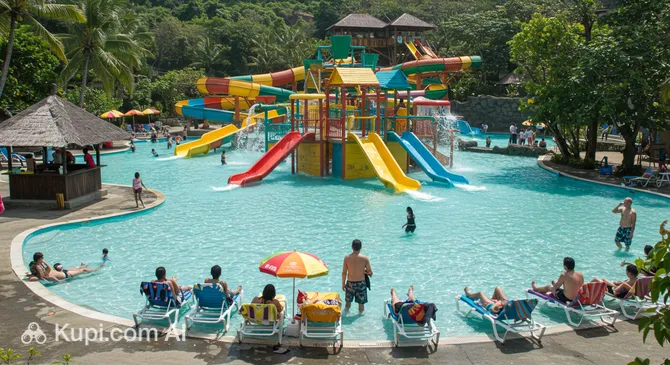
If you are traveling with family or just want to have some fun, check out Longtun Kopang Waterpark. This waterpark offers various water slides and pools that will appeal to both children and adults. It’s a wonderful place to cool off on a hot day and get a boost of positive emotions.

Longtun Waterpark Kopang. Illustration.
Source: Kupi.com AI

Traveler photos:

In addition to these sites, Lombok has other interesting venues, such as traditional restaurants where you can try the island's authentic cuisine. For example, Khas Rarang Restaurant or Warung Kopang will allow you to explore the gastronomic delights of the region.

Local Cuisine

The cuisine of Lombok is a true adventure for the taste buds, especially for those who appreciate vibrant and spicy dishes. It's no coincidence that one version of the island's name is linked to the word "lombok," which means "chili pepper" in some Indonesian languages! The local gastronomy, known as Sasak cuisine (after the island's indigenous people), is famous for its use of fresh ingredients, aromatic spices, and, of course, its characteristic heat. It offers an authentic taste of Indonesia with unique island notes.

Be sure to try Ayam Taliwang – arguably Lombok's most famous dish. Grilled or fried chicken is marinated in a special spicy sauce made from chili, garlic, onions, shrimp paste, and other spices. Another iconic dish is Plecing Kangkung. This is a salad made of water spinach (kangkung), blanched and generously topped with a piquant sambal (chili sauce) based on tomatoes, chili, shrimp paste, and lime, often sprinkled with fried peanuts and bean sprouts. No less interesting is Sate Rembiga – tender skewers of marinated beef with a unique sweet-and-spicy flavor, traditionally prepared in the village of Rembiga.

To refresh yourself on a hot day, order Es Kelapa Muda (juice and pulp of a young coconut) or various fresh-pressed juices from tropical fruits like mango, papaya, or pineapple. Coffee lovers will appreciate the local Kopi Lombok, which is often prepared strong and fragrant. Traditional alcoholic drinks include Tuak (lightly fermented palm wine) and Brem (rice wine). Naturally, popular Indonesian and international beer brands are also widely available.

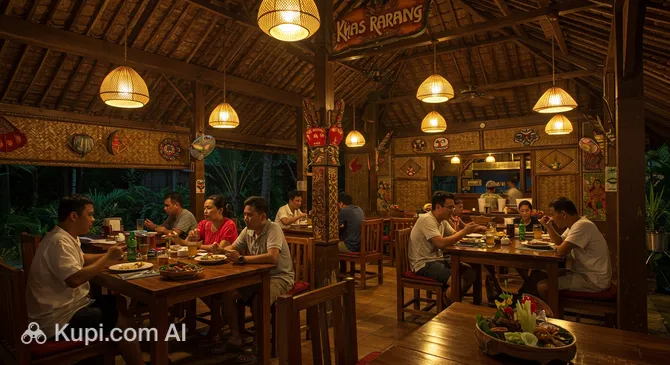
You can get acquainted with Lombok's authentic cuisine in various places. The most vivid gastronomic experiences await you in warungs – small, often family-run cafes and eateries serving traditional dishes at very democratic prices. In tourist centers like Senggigi or Kuta Lombok, you will find many restaurants offering both local and international cuisine. For example, to try classic Sasak dishes in a pleasant setting, you can visit Khas Rarang Restaurant. You shouldn't overlook local markets either, such as Jelojok Market, where you can not only buy the freshest fruits and vegetables but also sample various street foods.

Khas Rarang Restaurant. Illustration.
Source: Kupi.com AI

Traveler photos:

Travel Tips

Welcome to the beautiful island of Lombok! To make your journey through this Indonesian paradise as comfortable and memorable as possible, we have prepared some practical tips. They will help you better navigate on the ground and avoid potential inconveniences.

  1. Clothing and Essentials: Given Lombok's tropical climate, choose light, breathable clothing made of natural fabrics. Be sure to pack sunscreen, a hat, sunglasses, and mosquito repellent. Don't forget comfortable shoes for walking and the beach. For visiting numerous mosques (Lombok is called the "Island of a Thousand Mosques"), modest clothing covering shoulders and knees is required; women may need a headscarf. A sarong can often be rented on-site. A universal power adapter will also be useful (Indonesia uses Type C and F sockets).

  2. Island Transport: The most popular way for tourists to get around is renting a scooter or car (don't forget your international driver's license). This gives you the freedom to explore beaches and villages. In tourist zones, taxis are available (choose companies with meters, like Blue Bird) as well as online services like Gojek or Grab for ordering cars and motorcycle taxis (ojek). Local "bemo" shuttles are an authentic but less predictable option. For trips to the neighboring Gili Islands, boats are used.

  3. Finances: The local currency is the Indonesian Rupiah (IDR). It is best to exchange currency at official exchange offices (marked "PMA - Pedagang Valuta Asing") or banks; avoid street money changers. Bank cards are accepted in large hotels, restaurants, and some shops in tourist centers, but always carry cash for markets, small cafes, and remote areas. ATMs are available in cities and tourist zones. Tipping is not mandatory but appreciated for good service (5-10% in restaurants if a service charge is not included).

  4. Health and Safety: Drink only bottled water. Pharmacies (apotek) are available in populated areas, but the selection of medications may be limited. Be sure to get travel insurance that covers medical expenses. Lombok is generally safe, but watch out for petty theft, especially in crowded places and on beaches. Do not leave valuables unattended. Use repellents for protection against mosquitoes, especially in the evening and near jungles.

  5. Communication: The official language is Indonesian (Bahasa Indonesia), and local Sasak dialects are also common. In tourist areas, many people speak English. Learn a few simple Indonesian phrases: "Terima kasih" (thank you), "Sama-sama" (you're welcome), "Selamat pagi/siang/sore/malam" (good morning/day/afternoon/night). A local SIM card with internet access can be bought at the airport or in mobile shops. Wi-Fi is available in most hotels and cafes.

  6. Local Etiquette: The Sasak, Lombok's indigenous people, are very friendly. Show respect for their culture. Use your right hand for passing items, food, or money (the left hand is considered unclean). When visiting villages and local homes, behave modestly. Always ask permission before photographing people. A smile and politeness will go a long way in establishing rapport.

  7. What to Avoid: Do not touch the heads of locals, including children, as the head is considered sacred. Avoid loud public displays of emotion, especially anger – it is considered extremely impolite. And most importantly: Indonesia has extremely strict drug laws, with severe penalties including the death penalty. Do not involve yourself with narcotics under any circumstances.

  8. Bonus: Time and Bargaining: Be prepared for the concept of "jam karet" – "rubber time." Not everything always happens strictly on schedule; treat this with understanding. In markets and when paying for private transport (without a meter), it is customary to bargain. Do so politely and with a smile, and you will be able to agree on a reasonable price.

We hope these tips make your stay on Lombok even more pleasant and fulfilling. We wish you unforgettable impressions of this amazing island!

Entertainment & Nightlife

When the sun sets over Lombok, the island doesn't go to sleep; instead, it offers its own calmer and more authentic options for evening entertainment. The nightlife here differs from bustling Bali: it is more relaxed, focused on cozy gatherings, live music, and enjoying the tropical atmosphere. Nevertheless, there are still places to have a good time after dark.

The main centers of evening activity in Lombok are the resort areas of Senggigi on the west coast and Kuta Lombok in the south. In Senggigi, along the main road, you will find many restaurants, bars with live music, and a few small clubs where you can dance. Kuta Lombok offers a more laid-back vibe with beach bars where surfers and travelers gather to watch the sunset with a cocktail in hand and listen to chill music. Some venues stay open late into the night, especially during the high season.

The atmosphere in most Lombok establishments is informal and friendly. There is usually no dress code – comfortable beachwear or casual clothing is perfectly appropriate. The crowd is mixed: tourists from all over the world and locals enjoying the evening. Prices in bars and restaurants are generally lower than in Bali, making evening outings more affordable. The evening is best started at sunset when many ocean-view bars open, with peak activity occurring after dinner, from around 21:00-22:00 until midnight or slightly later.

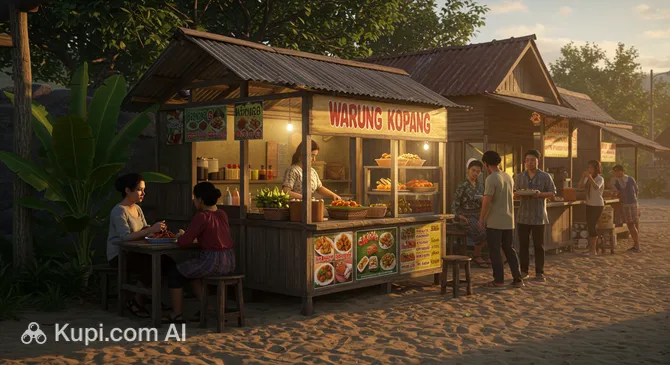
For a dinner followed by an evening out, you can choose one of the many restaurants. For instance, to experience local cuisine in an authentic setting, stop by Khas Rarang Restaurant or try the dishes at Warung Kopang. Many restaurants, especially in Senggigi, offer live music ranging from local performers to cover bands. Although Lombok doesn't have as many large nightclubs as its neighboring islands, some bars transform into dance floors later at night. It's also worth checking out the night markets or clusters of street food vendors (warung tenda) that appear in the evenings and offer delicious and inexpensive local delicacies – a great way to soak up the local vibe.

Warung Kopang. Illustration.
Source: Kupi.com AI

Traveler photos:

Regarding safety, Lombok's tourist areas are generally peaceful. However, as with anywhere, it's wise to take reasonable precautions at night: avoid poorly lit and deserted streets, and don't leave your belongings unattended. For night-time travel, it's best to use official taxis (such as Blue Bird, ordered by phone or through an app) or trusted online ride-hailing services like Gojek or Grab. Ensure the driver turns on the meter or agree on a price in advance if using a private driver.

During the day, Lombok offers plenty of other activities. You can explore its natural beauty, relax in Muhajirin Praya Park, visit local villages to learn about Sasak culture, or spend time with family at Longtun Kopang Waterpark. The island also offers opportunities for diving, snorkeling, and, of course, surfing, especially on the south coast.

Parks & Museums

Lombok is not just an island with breathtaking beaches and the majestic Mount Rinjani, but also a place rich in opportunities for cultural enrichment and nature-based relaxation. Here you will find both well-maintained urban spaces and unique sites that introduce you to the island's rich heritage and daily life.

Among the island's green oases offering a respite from the heat and a look at local ways of life, Muhajirin Praya Park in the town of Praya is worth noting. This is a popular spot for walks and relaxation among townspeople, where tourists can observe the leisurely life of Lombok's residents. For family leisure and water fun, Longtun Kopang Waterpark is perfect, offering a variety of attractions. While Lombok is famous for its natural parks, such as Mount Rinjani National Park, and scenic beaches which are magnificent recreation zones in themselves, urban parks also contribute to creating a comfortable environment and offer leisure opportunities.

To gain a deeper understanding of Lombok's culture and history, be sure to visit the West Nusa Tenggara State Museum (Museum Negeri Nusa Tenggara Barat), located in Mataram, the island's administrative center. Its exhibits cover geology, archaeology, ethnography, and regional art, including traditional weapons, textiles, ceramics, and household items of the Sasak people. A unique experience is visiting traditional Sasak villages, such as Sade or Ende. These settlements function as living museums, where you can see authentic thatched-roof houses, learn about the daily life, crafts (especially weaving – ikat), and century-old traditions of Lombok's indigenous people.

The island's historical heritage is also reflected in significant sites like Narmada Park (Taman Narmada) – a former royal summer garden built in the 18th century, featuring pools and a temple symbolizing Lombok's Hindu past and a miniature replica of Mount Rinjani. Equally interesting is the Mayura Water Palace in Mataram, built in 1744, which represents a harmonious blend of Balinese and Lombok architectural styles and once served as a royal court and meeting place.

For a more authentic experience, don't limit yourself only to famous landmarks. Peek into small craft workshops in the villages, where you can not only purchase unique handmade souvenirs but also watch the process of their creation. If your trip coincides with local festivals or ceremonies, be sure to attend them – it's an unforgettable experience of immersion into Lombok's living culture.

Getting Around

Getting around Lombok is fairly straightforward, although the public transport system here differs from typical urban setups. Instead of subways and trams, the island offers its own authentic ways of moving around, which allow you not only to reach your destination but also to feel the local flavor.

The backbone of local public transport consists of "bemo" (angkot) – small shuttle buses or microbuses that run on specific routes between towns and villages. This is the most budget-friendly way to travel. Bemos usually don't have a fixed schedule; they depart once they are full. Payment is made in cash to the driver, usually upon exiting. For short trips, especially within one settlement or to reach places where bemos don't go, "ojek" (motorcycle taxis) are very popular. It's best to agree on the fare for an ojek ride in advance.

For more comfortable travel between main tourist areas like Senggigi, Kuta, or Bangsal port (from where boats to the Gili Islands depart), there are tourist shuttle buses. They are more expensive than bemos but offer a more direct route and comfortable conditions. Tickets for them can be purchased at travel agencies, hotels, or sometimes online. In major tourist zones and at the airport, taxis are available. It is recommended to use official companies with meters (e.g., Blue Bird) or book a car through popular Indonesian apps like Gojek or Grab, where the price is known in advance and you can pay by card.

Many tourists prefer to rent a scooter or car for greater freedom of movement around the island. Rental points are easy to find in tourist areas. To drive a scooter or car, you will need an international driver's license. This is a great way to explore Lombok at your own pace; however, you should consider the peculiarities of local traffic and the condition of roads in some remote areas. In some resort zones and on the Gili Islands (accessible from Lombok by boat), "cidomo" – colorful horse-drawn carriages – are popular, serving more as an attraction and a way for leisurely short-distance travel.

Practical tips for tourists: always carry small cash for bemo and ojek fares. Don't hesitate to confirm the route and price with locals or the driver before the trip. Knowing a few phrases in Indonesian can be helpful, but many people speak English in tourist areas. Public transport usually operates from early morning until evening, but the frequency of trips may decrease in the evening hours.

Accommodation

In Lombok, travelers will find a wide range of accommodation options to suit every budget and preference. From modest guesthouses to luxury resorts, the island offers diverse opportunities for a comfortable stay.

Tourists can choose between budget hostels and homestay-style guesthouses, which are perfect for backpackers and those seeking an authentic experience. For a more comfortable stay, mid-range hotels are available, offering a good balance of price and quality. Those who prefer luxury will find high-end resorts on Lombok with a full range of services, including private beaches, swimming pools, and spas. Renting villas and apartments is also popular, especially for families or groups of friends wanting more privacy and space.

The main tourist areas, such as Senggigi, Kuta (Lombok), and the Gili Islands (though technically separate islands, they are closely linked to Lombok's tourist infrastructure), offer the highest concentration of accommodation. The choice of area depends on your preferences: Senggigi is known for its beaches and calmer atmosphere, Kuta attracts surfers and outdoor enthusiasts, and the Gilis are famous for diving and a relaxed island life. Staying near these areas provides easy access to restaurants, shops, and tourist services.

As for prices, they range from very budget-friendly options to luxury offerings. It is recommended to book accommodation in advance, especially if your trip coincides with the peak tourist season (usually the dry season from May to September, as well as the New Year and Christmas holidays). Most hotels and guesthouses can be booked through popular online platforms such as Booking.com, Agoda, or Airbnb. Direct booking via hotel websites or upon arrival is also possible, but in the latter case, choices may be limited, particularly in popular spots.

Nearby Cities

For those who want to explore the surrounding areas, Lombok serves as an excellent starting point for day trips to several interesting nearby locations:

CityPopulationDistance
Praya35 1839 km
Mataram408 90026 km
Taliwang55 34059 km
Bebandem46 39087 km
Lunyuk15 000104 km

Each of these cities offers something unique, making them attractive to visit. Very close to Lombok is Mataram, the administrative center of West Nusa Tenggara province. It’s a great option for a short trip to experience the daily life of an Indonesian city, visit the Cakranegara Palace, and explore bustling local markets. Denpasar, the lively capital of neighboring Bali, is easily accessible by ferry or speedboat and offers an immersion into Balinese culture through temples like Pura Jagatnatha, museums, and colorful markets. On the northern coast of Bali lies Singaraja, the island's former colonial capital, which attracts visitors with its historic architecture, calmer atmosphere, and proximity to Lovina Beach, famous for morning dolphin-watching tours. Near Singaraja is Banjar, famous for its healing Air Panas hot springs, where you can relax surrounded by tropical greenery, and visit the picturesque Buddhist monastery Brahma Vihara Arama. For those ready for a longer excursion, you might consider Jember in East Java; although a trip here likely requires an overnight stay due to the distance, the city is interesting for its tobacco plantations and vibrant annual fashion carnival.

These nearby destinations provide a glimpse into the diverse culture and landscapes of the region.

Shopping & Souvenirs

Shopping on Lombok is a fascinating dive into the world of local crafts, exotic goods, and colorful markets. The island is famous for its unique handmade items, which make wonderful souvenirs and reminders of your trip. Here you can find traditional markets as well as small shops in tourist zones offering a variety of products.

Main shopping areas are concentrated in popular tourist districts such as Senggigi and Kuta (Lombok). Along the main streets of these resorts, there are many shops offering souvenirs, clothing, jewelry, and art pieces. It's also worth paying attention to the city of Mataram, the island's administrative center, where you can find larger stores and outlets with a wide range of goods.

While Lombok is not known for giant modern shopping malls in the European sense, there are local shopping complexes and department stores, especially in Mataram. In tourist zones, small shopping rows and individual stores are more common. One notable place for shopping, combining features of a market and a local shopping center, is Jelojok Market, where you can find diverse goods and feel the local flavor.

Jelojok Market. Illustration.
Source: Kupi.com AI

Traveler photos:

Markets are the heart of commerce on Lombok. In addition to the aforementioned Jelojok Market, the island has numerous traditional markets (pasar), where locals sell fresh produce, spices, textiles, and household items. Visiting such a market is an excellent opportunity not only to shop but also to observe the daily life of the islanders. Particularly interesting are markets in small villages, where you can find authentic craft products.

Among the souvenirs worth bringing back from Lombok, several items stand out: pearls (both sea and river), traditional ceramics from Banyumulek village, famous for its unique firing and painting techniques, and handmade fabrics – ikat and songket, which impress with the complexity of their patterns and vibrancy of colors. Wood carvings, masks, and other pieces of local art are also popular.

Shops in tourist zones are usually open from 10:00 to 21:00-22:00, with some staying open later. Traditional markets start very early in the morning and close by lunch or early afternoon. For payment, most small shops and markets prefer cash in Indonesian Rupiah (IDR). In larger stores, hotels, and some restaurants, credit cards are accepted, but it's always useful to have enough cash on hand. Bargaining is appropriate in markets and small souvenir stalls.

Regarding Tax Free, Indonesia has a VAT refund system for tourists on certain goods purchased in authorized stores. If you are making significant purchases, it's worth checking with the seller about the possibility of arranging documents for a tax refund. This usually applies to goods taken out of the country in personal luggage.

Reached the end of the page?

That means the route is fully explored