Support

Area Archeologica dei Porti di Claudio e di Traiano

About

The Archaeological Area of the Ports of Claudius and Trajan is an impressive open-air museum in the city of Fiumicino, showcasing the remains of Ancient Rome's greatest maritime gateway. Italy takes great pride in this complex, which served as the primary hub for supplying the imperial capital with goods from across the Mediterranean in the 1st–2nd centuries AD.
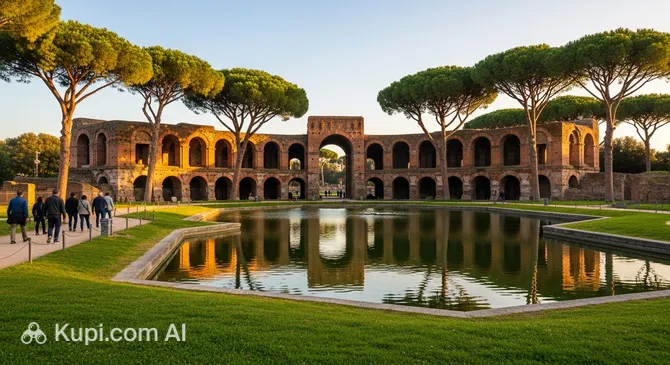
Archaeological Area of the Ports of Claudius and Trajan
Archaeological Area of the Ports of Claudius and Trajan. Иллюстрация. Источник: Kupi.com AI

Today, visitors can see the ruins of massive structures: from Trajan’s enormous hexagonal basin to ancient warehouses and powerful defensive walls. This site is unique because ancient engineering meets picturesque nature, creating a special atmosphere for strolls among ancient stones and centuries-old trees.

The park covers about 150 hectares, preserving traces of the Roman Empire's former greatness. Walking along these historical paths, you can feel the rhythm of life of the ancient port and appreciate the grand scale of the imperial architects' designs.

Contacts

To ensure your visit to this unique historical site is as comfortable as possible, we recommend checking the official contact information in advance. Below is the up-to-date information to help you find your way and contact the administration of the archaeological area if needed.

How to contactContact
AddressVia Portuense, 2360, 00054 Fiumicino RM, Италия
Phone+39 06 652 9445
Websiteostiaantica.cultura.gov.it

What to Do

An exciting journey through the footsteps of ancient mariners awaits you in this archaeological area. Be sure to visit the Portico of Claudius—a monumental structure with travertine columns that impresses with its state of preservation. Next, the route leads you to the famous horrea—ancient warehouses with dozens of rooms that once held vast food supplies for Rome.

One of the most breathtaking parts of the walk is the view of the hexagonal basin of Trajan’s port. This geometrically perfect structure, now a calm lake, continues to evoke admiration from tourists and researchers alike. For those who appreciate details, information boards are installed throughout the site, explaining the workings of the ancient port authority and the baths.

In addition to exploring the ruins, you can enjoy some birdwatching in the park's natural zone or have a photoshoot against the backdrop of ancient walls and canals. If you have the chance, complement your visit with a trip to the nearby Museum of Roman Ships to see the actual vessels that sailed these waters thousands of years ago.

Getting There

The most convenient way to reach the archaeological area is by car, following the Via Portuense to the 25.600 km marker. The entrance is located under the viaduct leading to the airport, and parking is available near the site. Its proximity to Leonardo da Vinci Airport makes it an ideal stop for transit passengers.

If you plan to travel by public transport, you can take a train from Rome to the Fiumicino Aeroporto station and then take a taxi (a distance of about 5–10 km). Cotral buses also run between Rome, Ostia, and the port area. A leisurely walk or a bike ride from the center of Fiumicino can also be a pleasant part of your journey.

Ближайший город: Fiumicino

History & Facts

The history of this grand complex began in 42 AD under Emperor Claudius. To solve Rome's food shortage problem, a massive open basin was built with piers and a majestic lighthouse, modeled after the Pharos of Alexandria. This project was a true challenge for the engineers of the time, ensuring a stable import of grain into the heart of the empire.

However, the sea constantly brought in silt, and by the beginning of the 2nd century, reconstruction was necessary. Emperor Trajan added an internal hexagonal basin covering 33 hectares, which was connected to the Tiber by new canals. This engineering masterpiece allowed dozens of ships to be docked simultaneously, turning Portus into the most important logistics hub of the ancient world.

During late antiquity, around 314 AD, the settlement gained city status under the name Portus Romae and was enclosed by powerful walls. Despite gradual silting and decline in the Middle Ages, the ruins of warehouses and baths still bear witness to the former glory of Roman civilization. Large-scale excavations that began in the 20th century have revealed this remarkable heritage to the world.

Time Needed

For a thorough exploration of the entire archaeological area, we recommend setting aside at least 2–3 hours. This time is sufficient to walk along the main paths, view the warehouse ruins, enjoy the sight of the hexagonal basin, and study the information on the display stands.

If you are passionate about architectural history or plan to combine your walk with a visit to the Museum of Roman Ships, it is better to budget half a day for your visit. The quiet and green park area is also perfect for a relaxing break and photographing the picturesque landscapes.

Working Hours

The archaeological area usually welcomes visitors from Tuesday to Sunday. Standard opening hours are from 10:00 AM to 4:30 PM, though keep in mind that the last entry is half an hour before closing. Monday is the traditional closing day for the complex.

During the summer months, visiting hours may be extended, so we recommend checking the current schedule on the park's official website before planning your trip. This will help you avoid disappointment and choose the most suitable time for an open-air walk.

DayWorking hours
понедельникЗакрыто
вторник10:00–16:30
среда10:00–16:30
четверг10:00–16:30
пятница10:00–16:30
суббота10:00–16:30
воскресенье10:00–16:30

Nearby

Exploring the surroundings of Fiumicino can significantly enrich your travel experience. Right next to the ports are other unique historical monuments and leisure spots worth including in your itinerary.

These sites allow you to see how multifaceted the history of this region is—from ancient burials to medieval fortifications and modern family leisure areas.

NameDistance
Necropolis of Porto1 km
Ristorante Miranda2.7 km
QuarantunoDodici Restaurant & Bar3.1 km
Theatre of Ostia3.7 km
Ostia Antica3.8 km
Castle of Julius II4.2 km
Color Museum4.5 km

Reached the end of the page?

That means the route is fully explored