Support

Lighthouse of Genoa

About

The Genoa Lighthouse, also known as La Lanterna (meaning "The Lantern"), is one of the oldest active lighthouses in the world and is rightfully considered the main symbol of the port city of Genoa in Italy. This majestic structure, rising on San Benigno Hill, impresses not only with its history but also with its size—La Lanterna is the second tallest brick lighthouse in the world.
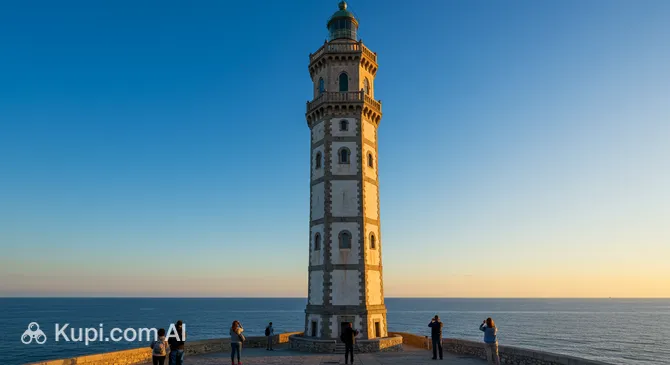
Lighthouse of Genoa. Illustration.
Source: Kupi.com AI

Traveler photos:

For nearly nine centuries, this lighthouse has faithfully guided mariners approaching the shores of Genoa. Originally, La Lanterna served not only a navigational function by lighting the way for ships but also as an important outpost protecting the city from the sea. This highlights the lighthouse's strategic importance to Genoa throughout its rich history.

The Genoa Lighthouse acquired its modern appearance, which still delights visitors today, in 1692, although its history goes back to even more ancient times when a navigation structure already existed on the same spot. Over the long centuries of its existence, La Lanterna has been damaged multiple times, but each time it was restored, turning the lighthouse into more than just a functional object, but a true historical monument and a symbol of the city's resilience.

Contacts

To get the latest information about the Genoa Lighthouse opening hours, ticket prices, and available tours, we recommend visiting the attraction's official website or contacting tourist information centers in the city of Genoa. The lighthouse itself rises majestically on San Benigno Hill and can usually be reached by public transport or taxi from the city center, or on foot from the port area for those who enjoy walking.

How to contactContact
AddressPiazzale S. Benigno, 16149 Genova GE, Italy
Phone number+39 010 253 3555
Websitewww.lanternadigenova.com

What to Do

A visit to the Genoa Lighthouse, or La Lanterna, offers tourists several exciting activities. The main highlight, of course, is the opportunity to climb to the lighthouse's observation deck. From here, you can enjoy truly breathtaking panoramic views of Genoa, its busy harbor, and the endless expanse of the Mediterranean Sea. It's the perfect place to take stunning photos and simply enjoy the beauty of the Italian coast from a bird's-eye view.

In addition to the climb, visitors can immerse themselves in the rich history of this iconic structure. A museum or information boards are typically located on the lighthouse grounds or in the immediate vicinity. Here you can learn about the centuries-old history of La Lanterna, how lighting technologies evolved—from burning juniper and heather to modern electric systems—and the invaluable significance of the lighthouse to the maritime history of Genoa and all of Italy.

The Genoa Lighthouse itself is an outstanding architectural monument. Its majestic and austere silhouette attracts architecture enthusiasts and anyone interested in maritime history. A walk around the base of the lighthouse allows you to fully appreciate the scale and beauty of this ancient guardian of the sea, which for centuries served as a reliable landmark for ships entering Genoa's harbor.

Getting There

The Genoa Lighthouse, also known as La Lanterna, stands majestically on San Benigno Hill, offering visitors both a historical immersion and magnificent views. This iconic Genoa landmark can be reached in several ways, depending on your preferences and starting point in the city.

One of the most common ways is by public transport. Genoa has an extensive bus network. Look for buses heading towards the port area or specifically the San Benigno district. The nearest metro stations, from which you can continue on foot or by bus, are "Dinegro" or "Principe". To plan your trip optimally, we recommend checking current routes and bus numbers in advance on the official website of the local transport operator AMT Genova or using popular navigation apps.

If you prefer more comfort or are traveling on a tight schedule, a taxi is an excellent choice. The driver will take you as close as possible to the lighthouse at the foot of the hill. For those who enjoy walking and want to better experience the port city atmosphere, it is possible to reach La Lanterna on foot, especially if you start from the Old Port (Porto Antico) district. Such a walk can be very scenic, but keep in mind that there is an uphill climb to the lighthouse, so comfortable shoes will come in handy.

Before visiting the Genoa Lighthouse, don't forget to check the current opening hours of the lighthouse and its museum, as they may vary depending on the season. Given its location on a hill, be prepared for slopes and possibly stairs on the way to the attraction. Advance planning will help make your visit as pleasant and memorable as possible.

Nearest city: Genoa

History & Facts

The history of the Genoa Lighthouse, or La Lanterna, dates back to the distant past. The first lighthouse on this site was built around 1128. In those days, it was located on an important port road known as the Via di Francia and was quite far from the city limits at the time. It wasn't until the 17th century that the area around the lighthouse was officially incorporated into Genoa, coming under the protection of the city's defensive walls.

During the first centuries of its existence, dried juniper and other suitable woods were used to maintain the bright flame in the Genoa Lighthouse. Interestingly, sailors entering the port of Genoa paid a special fee, part of which went towards maintaining the lighthouse and ensuring its continuous operation. The lighthouse was also a silent witness to, and even a participant in, historical events, such as the feud between the Guelphs and Ghibellines. During one of the battles, Ghibelline supporters caused significant damage to the lighthouse, as the Guelphs were using it as a cover for combat. To better protect the tower from such incidents, a special defensive trench was dug around it between 1318 and 1321.

Lighting technology at the Genoa Lighthouse has undergone significant changes over time. For a long time, dried heather and juniper were used to light the fires. It wasn't until the 14th century that the first olive oil lanterns appeared, representing a major step forward. Additionally, the lighthouse tower was decorated with the city's coat of arms, turning it into both a navigational landmark and a recognizable symbol of Genoa for all travelers. In the mid-19th century, a pioneering Fresnel lens optical system was installed, and in 1936, the final transition to modern electric lighting was made, which is still in use today.

Time Needed

When planning a visit to the Genoa Lighthouse, you should allow for 1.5–2.5 hours. This time is usually enough to leisurely climb to the observation deck, enjoy panoramic views of Genoa and the Ligurian coast, and take commemorative photos. The climb and descent take some time, and you'll likely want to linger at the top to fully appreciate the unfolding beauty.

If you also plan to visit the museum, which is often located at the lighthouse and tells of its rich history and importance to seafaring, you should add another 30–60 minutes to your total time. Thus, a more in-depth exploration of La Lanterna, including the exhibition, can take up to 3 hours. Of course, the duration of a visit is always individual and depends on your pace and interest in details.

Also consider travel time to the lighthouse and potential queues, especially during peak tourist season. If you just want a quick look at the lighthouse from the outside and a few photos at its base, it will take significantly less time—perhaps around 30–45 minutes—but such a visit won't allow you to fully experience the grandeur of this historic structure and enjoy the views from above.

Working Hours

To find out the exact opening hours of the Genoa Lighthouse (La Lanterna) in Genoa, we strongly recommend checking the attraction's official website or asking for information at local tourist information centers upon arrival. Operating hours may vary depending on the season, and there may be special visiting conditions on public holidays.

Typically, such iconic sites are open to visitors year-round, but with seasonal changes in the schedule. It's also worth checking in advance if pre-booking tickets is required, especially if you plan to visit during the peak tourist season, to avoid potential queues and guarantee access. Up-to-date information on official resources will help you plan your visit to the Genoa Lighthouse in the best possible way.

DayOpening hours
MondayClosed
TuesdayClosed
WednesdayClosed
ThursdayClosed
FridayClosed
Saturday10:00 – 18:00
Sunday10:00 – 18:00

Nearby

Visiting an iconic landmark like the Genoa Lighthouse is a highlight in itself. However, to make your trip to Genoa even more fulfilling and memorable, it's worth taking the time to explore what's nearby. Often, short walks to neighboring sites offer unexpected discoveries and allow for a deeper immersion into the city's atmosphere.

Exploring the surroundings will not only broaden your horizons but also help you form a more complete picture of Genoa's multifaceted nature. Other notable monuments, museums, or simply viewpoints offering fresh perspectives on the city and its life are often hidden near famous tourist sites. Below is a list of some attractions located near the Genoa Lighthouse, along with approximate distances.

NameDistance
Città dei Bambini e dei Ragazzi1.8 km
Aquarium of Genoa1.9 km
Galata Maritime Museum1.9 km
Trattoria delle Grazie1.9 km
Palazzo San Giorgio2 km
Grand Hotel Savoia2 km
Royal Palace Museum2.1 km

Have you reached the end of the page?

So the route has been studied inside and out