Support

Inaba Shrine

About

Inaba Shrine is an important spiritual site located in Gifu, in the heart of Japan. This Shinto shrine, steeped in history and tradition, attracts both locals and travelers seeking to experience Japanese culture and spirituality.
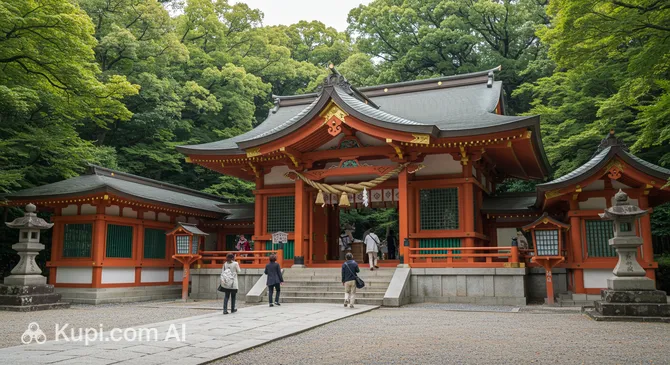
Inaba Shrine. Illustration.
Source: Kupi.com AI

Traveler photos:

Inaba Shrine is known for its peaceful atmosphere and magnificent traditional architecture typical of Shinto structures. Walking through its grounds, visitors can admire the elegant buildings, iconic torii gates, and well-kept gardens that create a sense of harmony and peace. The shrine plays a significant role in the life of the local community, serving as a venue for various seasonal festivals and rituals rooted in the distant past.

A visit to Inaba Shrine offers a unique opportunity to immerse yourself in the spiritual world of Japan, observe local customs, and enjoy the quiet away from the city bustle. It is an ideal place for those interested in Japanese history and religion, or for anyone simply seeking a beautiful and calm spot for reflection and contemplation. Here, you can feel the connection between eras and touch the ancient beliefs that remain alive in modern Japan.

Contacts

To find out the current opening hours, available contact information, or detailed directions on how to reach Inaba Shrine, we recommend visiting the official website of the attraction, if available. You can also find useful information at tourist information centers in Gifu or on specialized travel portals for Japan.

How to contactContact
AddressJapan, 〒500-8043 岐阜県岐阜市伊奈波通1丁目1
Phone number+81 58-262-5151
Websitewww.inabasan.com

What to Do

Visiting Inaba Shrine is an opportunity to experience the spiritual culture of Japan while in Gifu. This significant historical site is often enveloped in an atmosphere of peace and tranquility, situated at the foot of Mount Kinka, which adds to its scenic beauty. People come here to escape the city bustle, enjoy the silence and the beauty of traditional Japanese architecture, and learn more about local beliefs and history.

While walking through the shrine's extensive grounds, visitors can admire characteristic elements of Shinto architecture. Majestic torii gates, marking the entrance to sacred ground, lead to the main shrine building (honden), where the revered deities reside, and the offering hall (haiden). It is worth paying attention to the intricate wood carvings, roof details, and the harmonious blend of the buildings with the surrounding natural landscape, which often includes ancient trees and manicured gardens.

At Inaba Shrine, you can do more than just observe; you can also take part in traditional practices, making the visit more interactive. Before entering the main part of the shrine, it is customary to perform a ritual purification of the hands and mouth at a special water source (temizuya). Visitors can leave a symbolic offering, pray to the patron deities for well-being, write their wishes on wooden ema tablets, or purchase omamori—various amulets for luck, health, academic success, or other blessings.

If your trip to Gifu coincides with one of the local festivals (matsuri) regularly held at Japanese shrines, you may witness colorful processions, traditional dances, music, and rituals. Inaba Shrine is known as one of the central venues for such festivals. These events offer a unique opportunity to dive deeper into the living traditions and culture of the region. Even on an ordinary day, the shrine provides a rich and memorable experience for anyone interested in the history and spirituality of Japan.

Getting There

Inaba Shrine, located in Gifu, is easily accessible to visitors. There are several convenient ways to reach this significant site, and the choice depends on your preferences and starting point within Gifu.

One of the most popular options is public transport. From central Gifu—likely from the JR Gifu or Meitetsu Gifu railway stations—city buses depart regularly for the shrine. We recommend checking route numbers and current schedules at the station information stands or using online trip planning services. A bus ride is not only economical but also offers a glimpse into the city's daily life.

For those who value comfort and speed, a taxi is an excellent choice. A taxi ride from central Gifu or your hotel directly to Inaba Shrine will take less time, especially if you are traveling with children or have limited time. Additionally, depending on the shrine's exact location relative to the nearest public transport stops, you might consider walking if the distance allows and the weather is favorable.

Nearest city: Gifu

History & Facts

Inaba Shrine (Inaba Jinja), located in Gifu, is one of Japan's significant spiritual centers with a rich and ancient history. According to legend, its foundation dates back to 190 AD and is associated with Emperor Keiko. The shrine is dedicated to Inishiki Irihiko-no-Mikoto, the Emperor's son, highlighting its deep historical roots and connection to the Japanese imperial line.

An interesting fact in the history of Inaba Shrine is its relocation. In 1539, the famous daimyo Saito Dosan, a key figure of the Sengoku period ("Warring States period"), moved the shrine to its current, more prominent location at the foot of Mount Kinka. This event not only changed the sanctuary's geographic position but also strengthened its ties with the ruling clan and the developing city of Gifu. While many of the shrine's historical structures were lost to fires and the events of World War II, it was carefully restored in the postwar years, maintaining its spiritual importance for believers.

Among the notable features of Inaba Shrine are its cultural heritage and living traditions. The main object of worship here is said to be an ancient sword that legend links to Inishiki Irihiko-no-Mikoto himself. Every year on the first Saturday of April, the shrine comes alive with the famous Gifu Festival, or "Dosan Matsuri," dedicated to Saito Dosan. A major highlight of this celebration is a colorful parade of mikoshi (portable shrines), attracting many visitors who wish to experience the vibrant history and culture of Japan.

Time Needed

To explore the main grounds of Inaba Shrine in Gifu and enjoy its atmosphere and architecture, most visitors will need approximately 1-2 hours. This is usually enough time to stroll through the complex, see the main buildings, take photos, and soak in the tranquility of this site, which is an important part of Japan's cultural heritage.

If you plan a more in-depth visit—for example, if you want to study the details of the temple buildings, participate in any available rituals (if open to visitors), or simply spend more time in the peaceful setting—it's worth setting aside a bit more time. Additionally, since the shrine is located at the foot of Mount Kinka, some visitors may wish to combine their visit with a short hike on the adjacent trails, which could extend the total stay to 3-4 hours or even half a day, depending on your chosen route and pace.

Working Hours

When planning a visit to Inaba Shrine in Gifu, it is important to check the current opening hours in advance. While many shrines in Japan are traditionally open during daylight hours, the specific schedule can vary depending on the season or the occurrence of special events and ceremonies.

Unfortunately, we do not have precise information on the opening hours of Inaba Shrine at this time. We strongly recommend visiting the shrine's official website (if it exists) or contacting tourist information centers in Gifu before your trip. There, you can obtain the latest data, find out if advance booking or tickets are required, and clarify whether the attraction is open year-round or only during certain seasons.

Open 24 hours

Nearby

Visiting Inaba Shrine is undoubtedly a highlight, but exploring its surroundings can make your trip to Gifu even more fulfilling and memorable. Often, it is the small discoveries nearby—whether a cozy park, another historical site, or a local restaurant—that add depth to your impressions and help you better feel the city's atmosphere.

Exploring nearby attractions will not only broaden your horizons but also help you form a more complete picture of Japan's culture and history. Perhaps a true hidden gem awaits just around the corner from the famous tourist spot, leaving you with equally vivid memories.

NameDistance
Kinkazan Driveway Observation Deck0.4 km
Gifu Great Buddha (Shōbō-ji)0.6 km
Nawa Insect Museum0.7 km
Gifu Park0.9 km
Sarashina1.2 km
Ukai Master’s House Sugiyama1.6 km
Kogane Shrine1.7 km

Have you reached the end of the page?

So the route has been studied inside and out