Support

Great Hanshin-Awaji Earthquake Memorial Museum

About

The Great Hanshin-Awaji Earthquake Memorial Museum is a significant and deeply moving site located in Kobe, Japan. This museum is dedicated to the tragic event that occurred on January 17, 1995, when the region was struck by a devastating 7.3 magnitude earthquake, known to history as the "Great Hanshin-Awaji Earthquake." The museum's primary goal is to preserve the memory of the catastrophe and its many victims, while passing on lessons to future generations.
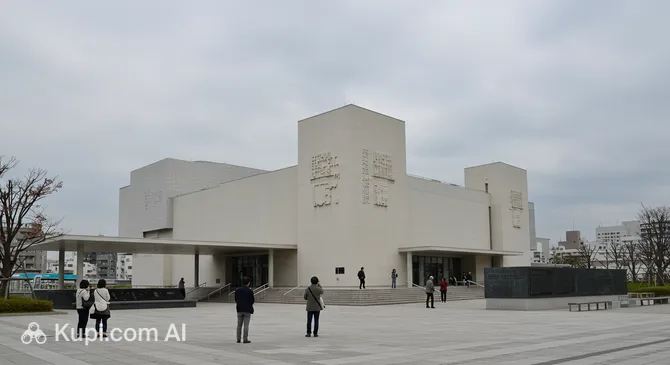
Great Hanshin-Awaji Earthquake Memorial Museum. Illustration.
Source: Kupi.com AI

Traveler photos:

The museum serves a dual purpose: it acts as a memorial to the more than 6,400 people who lost their lives and functions as a major educational center. Here, visitors can not only honor the victims' memory but also gain valuable knowledge about the causes of earthquakes, their destructive consequences, and, most importantly, safety measures and rules of conduct during such natural disasters.

The museum's collection includes an extensive range of materials: documentary photographs and videos of those harrowing days, victims' personal belongings, and other artifacts that vividly demonstrate the scale of the tragedy. Through these testimonies, the museum seeks not only to tell the story of what happened but also to emphasize the importance of preparedness for natural disasters, as well as to showcase the incredible resilience of the human spirit and the colossal efforts made to rebuild the city and region.

Contacts

For up-to-date information on opening hours, ticket prices, and available tours at the Great Hanshin-Awaji Earthquake Memorial Museum, it is recommended to visit the museum's official website. You can also often find contact details and visit information at Kobe tourist information centers or on specialized travel portals.

How to contactContact
Address1-chōme-5-2 Wakinohamakaigandōri, Chuo Ward, Kobe, Hyogo 651-0073, Japan
Phone number+81 78-262-5050
Websitewww.dri.ne.jp

What to Do

The Great Hanshin-Awaji Earthquake Memorial Museum in Kobe offers visitors a deep dive into the events of the catastrophic 1995 earthquake. In the museum halls, you can see impressive exhibits demonstrating the scale of the destruction. Numerous photos and videos show the city before and after the tragedy, alongside personal stories from survivors. Special attention is given to the destruction of key infrastructure, such as the collapse of a kilometer-long section of the Hanshin Expressway and the destruction of most of the Kobe port berths.

One of the museum's key features is its interactive exhibits. Visitors can experience firsthand what happens during an earthquake through special simulators. This allows one to not only understand the power of the elements but also learn about emergency procedures. The museum is active in public education, offering programs and seminars dedicated to disaster preparedness.

A significant part of the exhibition is dedicated to the city's recovery process after the earthquake. Museum guests will learn about the Herculean efforts taken to return Kobe to normal life and the measures implemented to increase the seismic resistance of buildings and structures in Japan. Visiting the museum is not just an opportunity to learn about a tragic event, but also to understand the importance of preparing for natural disasters and to see an example of the resilience of the human spirit.

Getting There

The Great Hanshin-Awaji Earthquake Memorial Museum is located in Kobe and is easy to reach thanks to Japan's well-developed public transport system. The museum is an important site of remembrance, and a visit is often included in city tours to honor the past and learn more about the region's seismic activity.

One of the most convenient ways to reach the museum is by using public transport from Kobe's main railway hub, Sannomiya Station. From there, you can take the subway or a bus to a stop located in the immediate vicinity of the memorial. The trip usually doesn't take long, making it a very attractive option for tourists.

Alternatively, you can choose to take a taxi, which will take you directly to the museum entrance from anywhere in Kobe, including Sannomiya Station. For those who prefer walking and want to get to know the city better, the museum is within walking distance of Kobe's central districts. Such a stroll allows you not only to reach your destination but also to see other interesting city sites along the way and enjoy the atmosphere of this Japanese city.

Nearest city: Kobe

History & Facts

The Great Hanshin-Awaji Earthquake Memorial Museum in Kobe serves as a poignant reminder of the tragic events that shook Japan. It is dedicated to preserving the memory of the Great Hanshin-Awaji Earthquake, which occurred on January 17, 1995, at 5:46 AM local time. The epicenter of this devastating natural disaster was in the northern part of Awaji Island, with the focus at a depth of about 16 kilometers. The museum serves not only as a memorial to the victims but also as an educational center teaching about the causes and consequences of earthquakes, as well as measures to prevent such catastrophes and minimize their damage.

Although the earthquake itself lasted only about 20 seconds, its consequences were catastrophic. The tragedy resulted in 6,434 deaths, representing a massive loss for the country. Approximately 200,000 buildings were destroyed or seriously damaged, leaving many people homeless. Kobe's transport infrastructure, including the famous Shinkansen bullet train and expressways, also suffered significant damage, which seriously hindered rescue operations and aid delivery. The situation was further exacerbated by numerous fires that broke out in different parts of the city after the quake. Extinguishing the flames was extremely difficult due to blocked streets and damaged water mains.

The government of Japan officially named this natural disaster the "Great Hanshin-Awaji Earthquake." The creation of the memorial museum was an important step in commemorating the tragedy and drawing lessons for the future. The museum's exhibits recreate the events of those days in detail using photographs, video footage, victims' personal belongings, and interactive installations. Visitors can learn about the region's seismic activity, earthquake preparedness measures, and how the city's reconstruction took place.

One of the museum's vital missions is passing on knowledge about the earthquake to future generations. According to a survey conducted by the Japanese Red Cross Society on the eve of the tragedy's 30th anniversary, the memory of the earthquake is gradually fading, especially among young people. For instance, 10.7% of respondents stated they "knew nothing" about the earthquake, with a significant portion of them (70%) being people under 40. This highlights the indispensable role of the Great Hanshin-Awaji Earthquake Memorial Museum in preserving historical memory and raising awareness about the importance of disaster readiness.

Time Needed

When planning a visit to the Great Hanshin-Awaji Earthquake Memorial Museum in Kobe, you should allow for 1.5 to 2 hours to fully explore the exhibition. This amount of time is generally sufficient to carefully tour the main halls, examine the presented materials, and gain a general understanding of the tragedy and the subsequent recovery.

Within this timeframe, visitors usually have time to watch documentary films about the earthquake and participate in interactive demonstrations that help them better understand the scale of the event and the efforts made to overcome its consequences. The museum offers a deep immersion into the subject, so there is no need to rush.

If you plan to study specific aspects of the exhibition or archival materials in more detail, or attend special educational programs sometimes held at the museum, you should set aside additional time. For those particularly interested in seismology and disaster recovery, a visit can take more than two hours.

Working Hours

Exact information regarding the opening hours of the Great Hanshin-Awaji Earthquake Memorial Museum in Kobe may vary, so it is highly recommended to check the museum's official website or contact them directly before visiting. Usually, museums of this type are open throughout the year but may have special schedules during holidays or special events.

Regarding ticket bookings, for popular museums—especially during peak tourist seasons—purchasing tickets online in advance or booking a time slot can be wise to avoid queues and guarantee entry. Please verify this information on the museum's official resources.

DayOpening hours
MondayClosed
Tuesday9:30 – 17:30
Wednesday9:30 – 17:30
Thursday9:30 – 17:30
Friday9:30 – 17:30
Saturday9:30 – 17:30
Sunday9:30 – 17:30

Nearby

A visit to the Great Hanshin-Awaji Earthquake Memorial Museum will undoubtedly leave a lasting impression. However, to make your trip to Kobe even more fulfilling and diverse, it is worth paying attention to other interesting places located nearby. Exploring the surroundings will allow you to better understand the many facets of this Japanese city, from its cultural treasures to modern entertainment.

Near the museum, you will find many other attractions that can complement your itinerary. This is a wonderful opportunity to expand your route and discover something new, whether it be historic shrines, picturesque gardens, or unique museums, each telling its own story of Kobe.

NameDistance
Takenaka Carpentry Tools Museum1.8 km
Nunobiki Herb Gardens & Ropeway2 km
Sone2.1 km
Sannomiya Sankitadori Bar2.2 km
Oriental Lounge Bit Kobe2.2 km
Ikuta Shrine2.2 km
Oriental Hotel2.3 km

Have you reached the end of the page?

So the route has been studied inside and out